






Plasma Exosome Proteomics: Choosing Plasma or Serum for Comparative Studies
Introduction
Plasma and serum can both serve as starting materials for exosome proteomics, but they are not interchangeable matrices. Plasma is collected under anticoagulated conditions, whereas serum is obtained after clotting, and these differences can affect platelet-associated signals, soluble protein background, and the composition of the resulting exosome preparation. For comparative studies, the key question is therefore not whether plasma or serum is universally better, but whether one matrix can be collected and processed consistently across the complete study.
Plasma exosome proteomics is often used in prospective or longitudinal studies where blood collection can be standardized, while serum may be the practical choice when archived samples are already available. In either case, matrix selection should be considered part of the experimental design rather than treated as a minor sample-preparation detail.
Why Plasma and Serum Are Common Inputs for Exosome Proteomics
Plasma and serum are widely available in clinical cohorts and can support repeated sampling, disease comparison, treatment-response studies, and exploratory biomarker research. Their accessibility makes them attractive starting materials for circulating exosome protein analysis.
Their complexity is also a major analytical consideration. Blood contains abundant soluble proteins, lipoproteins, platelet-derived material, and other components that may remain in an enriched preparation. Plasma and serum introduce different pre-analytical effects before exosome isolation begins: plasma is influenced by anticoagulant choice and platelet removal, while serum is affected by clot formation and platelet activation.
For proteomic studies, these differences matter because LC-MS/MS measures proteins in the final preparation. Variation introduced during blood processing can therefore become difficult to distinguish from true biological differences if collection conditions are not matched across groups.
Plasma vs Serum: What Changes Before Isolation
The main distinction between plasma and serum is how the blood sample is processed before exosome enrichment.
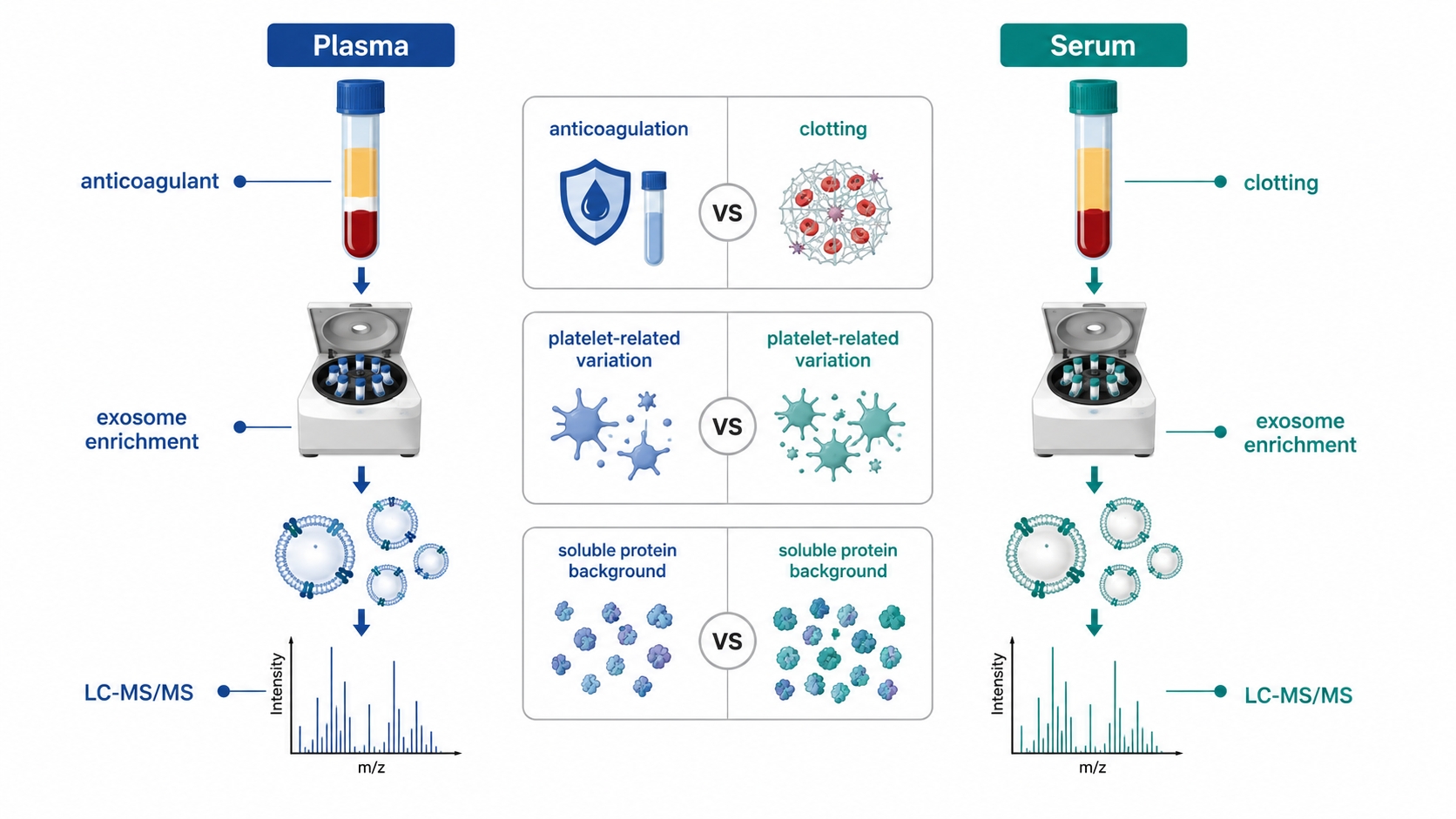
Figure 1. Pre-Analytical Differences Between Plasma and Serum in Exosome Proteomics
| Study Consideration | Plasma | Serum |
|---|---|---|
| Sample generation | Blood is collected with anticoagulant | Blood is allowed to clot before serum separation |
| Major pre-analytical influence | Anticoagulant conditions and platelet carryover | Clotting and platelet activation |
| Comparative design | Use matched plasma collection and processing across groups | Use matched serum collection and processing across groups |
| Mixing matrices | Should not normally be combined with serum in the same biological comparison | Should not normally be combined with plasma in the same biological comparison |
Neither matrix is universally cleaner or more suitable for every project. A consistently processed serum cohort can provide a stronger comparative design than a dataset in which serum and plasma are mixed, just as carefully standardized plasma collection can be preferable to plasma samples collected under inconsistent conditions.
The important rule is simple: if the research objective is a biological comparison, keep the matrix consistent. Direct plasma-versus-serum comparison is appropriate only when matrix effects themselves are part of the research question.
Sample Preparation Considerations for Blood Exosome Proteomics
Blood-derived exosome preparations require attention to pre-analytical factors that can change the protein background before LC-MS/MS. For plasma, delayed processing or inconsistent platelet removal may alter the resulting protein profile. For serum, variation in clotting conditions can introduce another source of between-sample variation.
Isolation strategy also affects the material that reaches proteomic analysis. Different enrichment approaches can retain different amounts of soluble proteins, lipoproteins, and other non-exosomal material. The objective is not simply to maximize recovery, but to obtain preparations that are sufficiently comparable for the intended protein-level analysis.
For comparative studies, consistency is more important than repeatedly optimizing individual samples. Collection conditions, matrix type, isolation procedure, and downstream protein preparation should therefore remain as uniform as possible across the groups being compared.
This article does not treat general storage, shipping, input amount, or post-isolation cleanup as separate decision topics because those questions are better addressed within dedicated sample-handling and sample-readiness workflows.
Study Design Considerations Before Proteomics
1. Keep Matrix Choice Aligned with the Comparison
The first design decision is whether plasma or serum will serve as the study matrix. A disease-versus-control comparison becomes difficult to interpret if one biological group is represented mainly by plasma and the other mainly by serum, because matrix effects and disease effects are then confounded.
For prospective studies, matrix choice can be incorporated into the collection protocol from the beginning. Retrospective studies are usually constrained by the material already banked, making consistency and documentation of the existing cohort more important than switching to a theoretically preferable matrix.
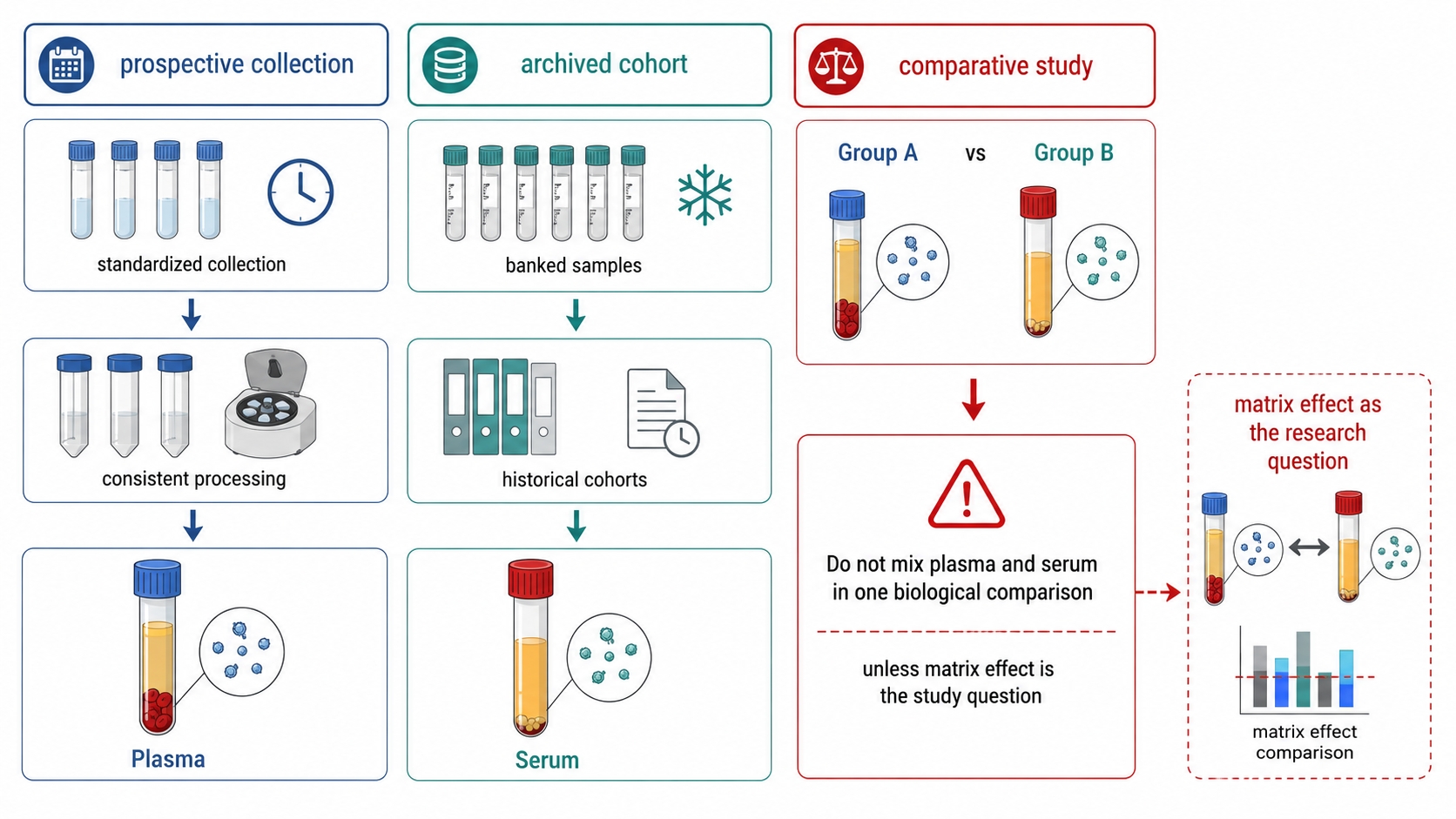
Figure 2. Plasma and Serum Selection Across Different Exosome Proteomics Study Designs
2. Control Pre-Analytical Variation Across Groups
The variables most likely to affect interpretation are those that differ systematically between study groups. Collection procedure, processing delay, platelet-related handling, clotting conditions, and isolation batches should therefore be reviewed together with the biological design.
Biological replicates remain important because they show whether an observed protein difference is reproducible across independent samples. Technical consistency cannot replace biological replication, but poor pre-analytical organization can weaken even a well-replicated study.
3. Match the Proteomic Endpoint to the Study Goal
Plasma and serum exosome proteomics can support several types of research questions, but the interpretation should reflect the intended endpoint. Disease-comparison studies may focus on reproducible protein differences between groups, treatment studies on intervention-associated changes, and biomarker-oriented projects on candidates that can move into further verification.
A protein difference detected within a matched plasma or serum cohort supports an association with the condition being studied. It does not automatically establish mechanism, functional relevance, or biomarker validity.
When Plasma or Serum Exosome Proteomics Is a Good Fit
Blood-derived exosome proteomics is most useful when the research question requires a protein-level comparison across consistently collected blood samples. Typical applications include:
-
disease-versus-comparison studies;
-
treatment-response analysis;
-
longitudinal sampling;
-
exploratory candidate biomarker discovery;
-
comparison of protein profiles across defined clinical groups.
Greater caution is needed when matrix type differs between groups, collection history is poorly documented, or pre-analytical procedures changed systematically during the study. In these situations, the main issue is not whether individual samples can still generate LC-MS/MS data, but whether the resulting group comparison remains biologically interpretable.
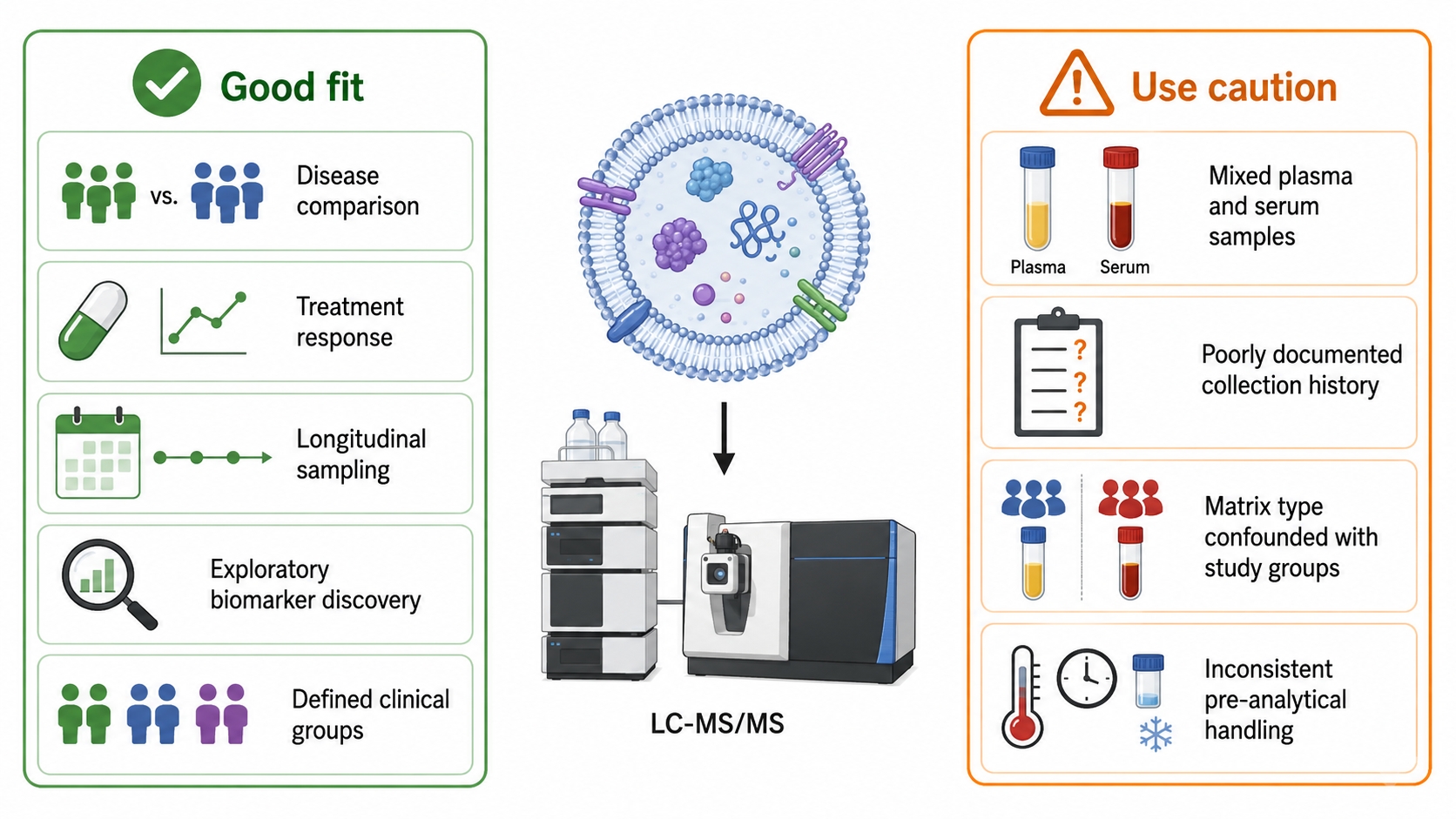
Figure 3. Suitable Study Scenarios and Key Risks in Blood-Derived Exosome Proteomics
Frequently Asked Questions
1. Can plasma be used for exosome proteomics?
Yes. Plasma can support exosome proteomics when collection, platelet-related handling, isolation, and processing are sufficiently consistent for the intended comparison.
2. Can serum be used for exosome proteomics?
Yes. Serum is also suitable, particularly for archived cohorts, but clotting-related variation should be considered when designing and interpreting comparative studies.
3. Is plasma better than serum?
Not universally. The more important factor is whether the selected matrix can be used consistently across all samples and study groups.
4. Can plasma and serum be analyzed together?
They can both be analyzed by LC-MS/MS, but they should not normally be treated as equivalent biological replicates in the same differential comparison. Plasma-versus-serum analysis is more appropriate when matrix effect is itself the research question.
5. What should be decided before starting the study?
Define the matrix, biological groups, replicate structure, collection conditions, and primary protein-level objective before choosing the downstream proteomic workflow.
Conclusion
Plasma and serum can both support exosome proteomics, but their different collection processes create distinct pre-analytical contexts. Plasma is influenced by anticoagulation and platelet-related handling, while serum is shaped by clotting before isolation begins. For comparative studies, the strongest design is usually the one that keeps matrix type, collection procedure, isolation strategy, and group handling consistent. Plasma and serum should therefore be treated as separate study designs rather than interchangeable sample labels.
MtoZ Biolabs can evaluate plasma or serum sample status, group design, and the intended protein-level comparison to determine whether the available blood-derived samples are suitable for an exosome proteomics project.
Related Services
Exosome Protein Analysis Service
Extracellular Vesicles Proteomics Service
Exosome Quantitative Proteomics Service
Body Fluid-derived Exosome Isolation and Development Service
How to order?




