






How to Plan an Antibody Protein Sequencing Project When the Antibody Gene Sequence Is Unknown
Introduction
Antibody protein sequencing is often requested when a functional monoclonal antibody exists, but the antibody gene sequence is unknown, missing, or no longer trusted. A legacy hybridoma may still produce IgG, a recombinant batch may bind as expected, and internal records may list clone names or assay data, yet the exact VH and VL sequences needed for expression design, rescue, or documentation were never archived.
Planning this type of project is different from routine peptide mapping against a known reference. When the gene sequence is unknown, database-assisted confirmation cannot serve as the primary route. The project must recover variable-region sequence evidence directly from purified antibody protein using LC-MS/MS, de novo peptide interpretation, and overlap assembly. Weak outcomes usually trace back to poor project scoping, wrong material assumptions, or insufficient planning for validation rather than to the concept of protein-level recovery itself.
A structured planning workflow reduces repeat submissions, protects limited IgG material, and improves the chance of obtaining a VH/VL sequence report suitable for the intended downstream use.
Related Services
| Service Area | Recommended Service |
|---|---|
| Antibody protein sequencing | |
| MS-based antibody sequencing | |
| Full antibody sequencing | |
| IgG sequencing | |
| Heavy and light chain sequencing | |
| Hybridoma sequencing fallback |
Teams preparing a first antibody protein sequencing project with an unknown gene sequence can consult MtoZ Biolabs to review available material, define VH/VL deliverables, and align LC-MS/MS scope before sample submission.
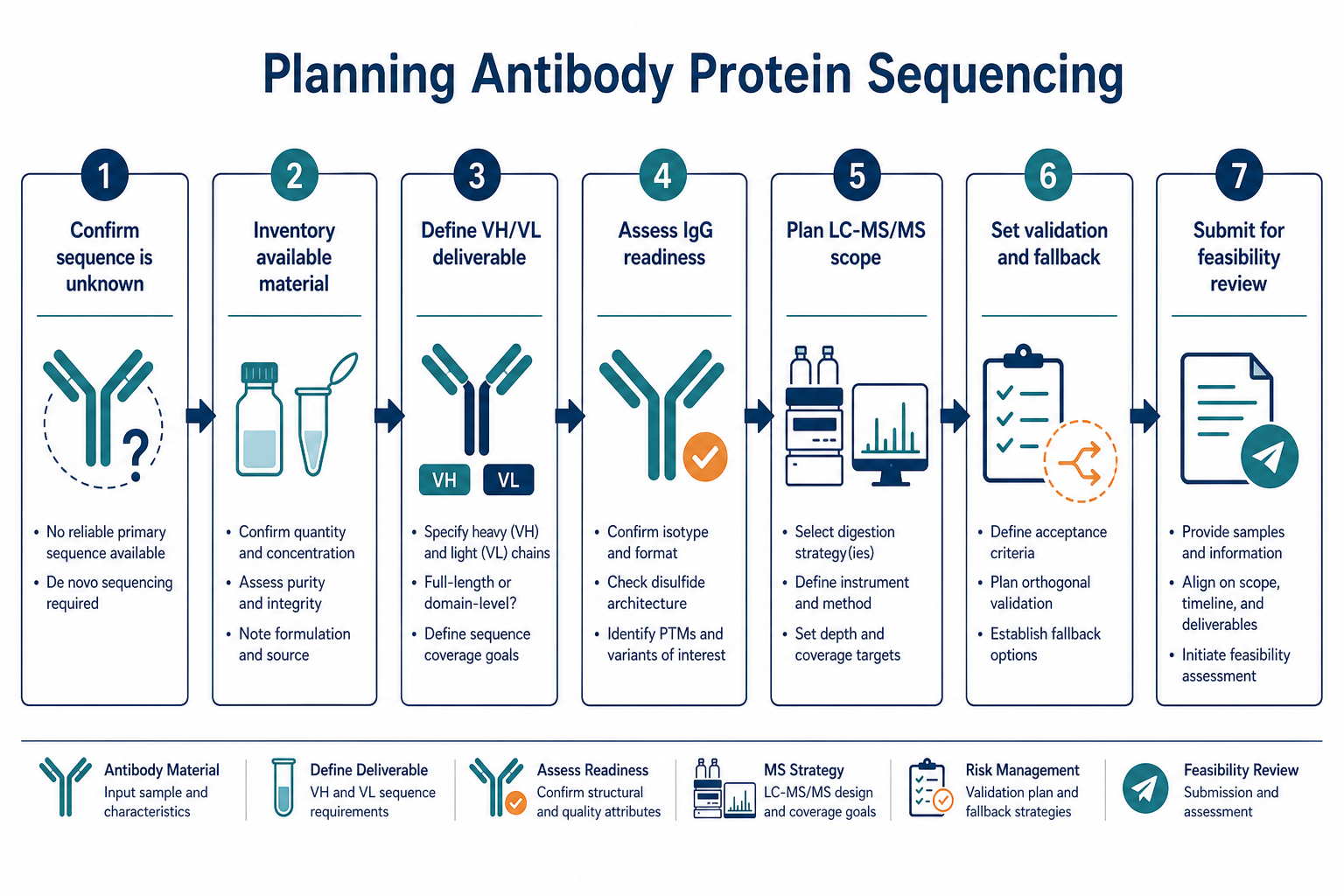
Figure 1. Planning moves from confirming the sequence gap through material review, deliverable definition, IgG readiness, LC-MS/MS scope, and validation design.
Common Pain Points Before Starting
Researchers often begin planning after encountering one or more of these problems:
- the antibody binds in assay, but no VH/VL gene sequence exists in lab records
- hybridoma cells are lost and only purified IgG remains
- expression plasmids or sequence files are incomplete, outdated, or inconsistent with the product
- database search against public references returns weak or ambiguous variable-region matches
- recombinant redevelopment cannot begin without a verified VH/VL pair
- prior attempts produced partial coverage but no expression-ready sequence report
These issues are common for legacy hybridoma-derived IgG, transferred clones with incomplete documentation, and recombinant batches with uncertain construct history. The practical question is not whether antibody protein sequencing is theoretically possible. The question is whether the current material, scope, and validation plan can support reliable VH/VL recovery when the gene sequence is unknown.
Why Unknown-Sequence Projects Fail Early
Most early failures come from planning gaps rather than from LC-MS/MS instrumentation alone.
- Assuming a reference exists when it does not. Teams may request peptide mapping or database confirmation before confirming that a trustworthy gene sequence is actually available.
- Choosing the wrong route for the material on hand. Protein-level sequencing is appropriate when purified IgG is the main input. If viable hybridoma cells remain, genetic recovery may be more efficient and should be considered during planning.
- Unclear deliverable definition. A project scoped for exploratory partial recovery is not equivalent to expression-ready VH/VL reporting with CDR annotation.
- Submitting poorly characterized IgG. Low purity, limited amount, harsh storage conditions, or incomplete isotype metadata can reduce variable-region coverage before analysis begins.
- No fallback or validation plan. Limited material may be consumed before repeat digestion, deeper LC-MS/MS, or orthogonal confirmation is considered.
Understanding these issues helps teams plan the project before the only usable antibody sample is spent.
Step 1: Confirm That the Antibody Gene Sequence Is Truly Unknown
Before antibody protein sequencing is scoped, verify the status of existing sequence information.
- Is there no gene sequence record at all?
- Do old files exist but conflict with assay or expression data?
- Is only a partial sequence available, such as constant region or incomplete variable region?
- Has database search already failed to produce a trustworthy VH/VL match?
If no reliable gene sequence exists, the project should be planned as unknown-sequence recovery rather than reference confirmation. Peptide mapping remains useful later for orthogonal support, but it should not be treated as the primary discovery route when the reference itself is uncertain.
Step 2: Inventory All Available Material and Metadata
The best sequencing route depends on what material still exists. Inventory every option before choosing antibody protein sequencing as the main workflow.
1. Purified Antibody
Confirm whether purified IgG, affinity-enriched antibody, or another antibody preparation is available. Note amount, purity, buffer, storage history, and whether backup aliquots exist.
2. Hybridoma or Genetic Material
Check whether viable hybridoma cells, RNA, or cDNA remain accessible. If healthy genetic material is still available, hybridoma sequencing may be faster and should be compared during planning.
3. Existing Documentation
Collect species, isotype, clone name, purification method, assay history, and any partial sequence files. Incomplete metadata does not block planning, but it should be documented early because it affects interpretation and primer or digestion strategy.
The table below summarizes how available material usually influences route selection. It supports planning but does not replace sample-specific feasibility review.
| Typical First Route to Evaluate | Main Planning Note | |
|---|---|---|
| Purified IgG only | Antibody protein sequencing | Confirm purity, amount, and backup aliquots |
| Healthy hybridoma cells or RNA | Hybridoma sequencing | May be more efficient if cells remain viable |
| Both purified IgG and hybridoma material | Hybrid workflow possible | Define which route is primary and which is backup |
| Partial or conflicting sequence records | Protein-level recovery plus validation | Do not assume old files are correct without review |
| Very low amount or poor purity IgG | Feasibility-first planning |
Completing this inventory before submission prevents choosing a workflow that does not match the material actually available.
Step 3: Define the VH/VL Deliverable and Downstream Use
Unknown-sequence projects fail most often when the deliverable is left vague. Define what the report must support.
- Is annotated VH/VL recovery sufficient, or is expression-ready formatting required?
- Are CDR boundaries and framework annotation required in the final report?
- Will the sequence support vector design, internal documentation, patent filing, or rescue only?
- Is partial coverage acceptable if unsupported regions are clearly documented?
- Are raw spectra, peptide coverage maps, or annotated MS/MS evidence required?
A feasibility review should match LC-MS/MS depth and annotation effort to the intended use. A documentation-focused project may require different validation than a sequence intended for immediate recombinant expression.
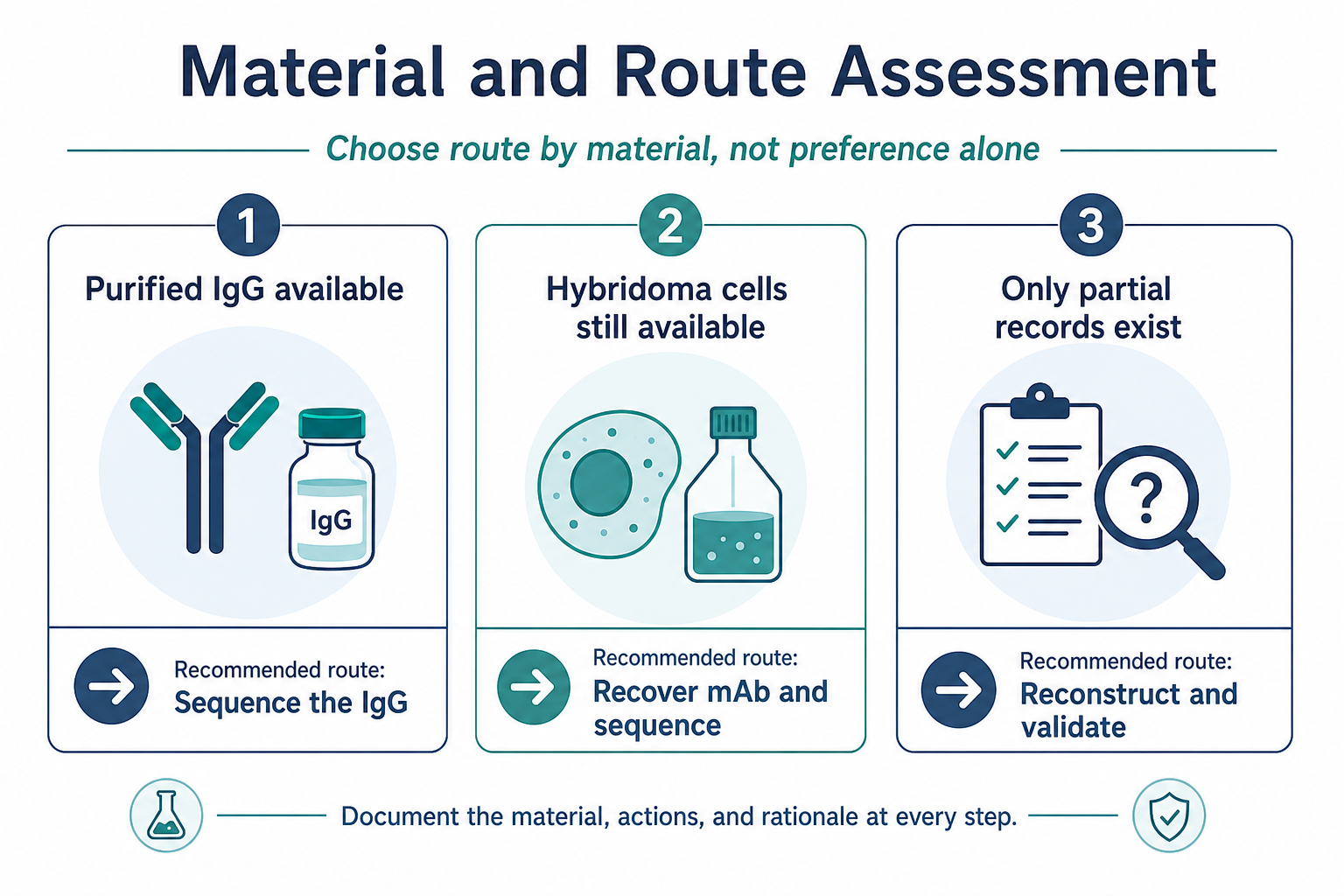
Figure 2. Route selection should follow available material and record quality, not platform preference alone.
Step 4: Assess IgG Sample Readiness
When purified antibody is the primary input, sample readiness is the highest-leverage planning step.
1. Confirm Purity
Review SDS-PAGE, SEC-HPLC, or prior QC data if available. Host proteins, albumin, transferrin, or free light chain can reduce useful variable-region peptide evidence.
2. Check Amount and Backup Material
Confirm that enough IgG is available for digestion, repeat LC-MS/MS if needed, and reserve material for follow-up analysis. Limited sample makes upfront planning especially important.
3. Document Buffer and Storage History
Harsh buffers, repeated freeze-thaw, or long-term storage can affect digest efficiency and peptide recovery. Share this information during feasibility review.
4. Record Isotype and Chain Information
Species, isotype, and expected chain pairing should be documented before analysis begins. Legacy records may be incomplete, but known metadata should not be omitted.
Step 5: Plan LC-MS/MS Scope for Unknown Variable-Region Recovery
Because the gene sequence is unknown, the project should be planned around de novo variable-region reconstruction rather than database confirmation alone.
Key planning decisions include:
- whether single-protease digestion is enough or multi-enzyme overlap is needed from the start
- whether the project targets VH/VL only or broader chain coverage
- how much LC-MS/MS depth is required for CDR3 support
- whether repeat acquisition should be budgeted up front for difficult legacy IgG
- whether glycosylation or sample heterogeneity may require additional review
For unknown-sequence rescue, multi-enzyme digestion and expert manual review are often part of a realistic plan rather than optional upgrades after the first weak result.
Step 6: Design Validation and Fallback Before Submission
Limited antibody material should not be spent without a validation plan.
Useful planning elements include:
- defining the evidence standard required for the next decision
- reserving a backup IgG aliquot for repeat digestion or deeper LC-MS/MS
- identifying whether hybridoma sequencing remains a fallback if cells still exist
- planning orthogonal confirmation only when a provisional sequence becomes available
- documenting how ambiguous CDR segments will be handled in the report
A strong plan treats antibody protein sequencing as a decision-support workflow, not a single instrument run with an assumed perfect outcome.
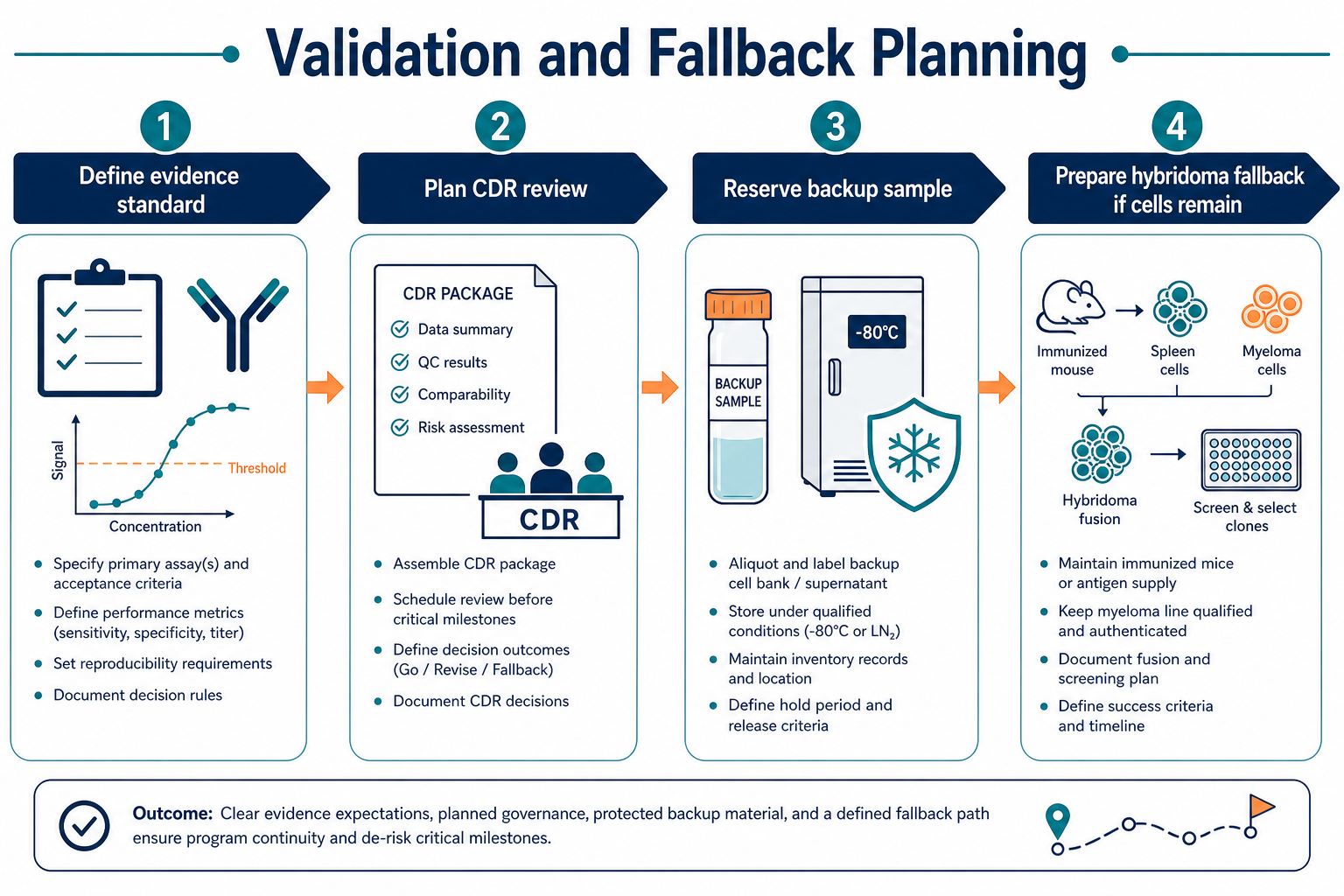
Figure 3. Validation and fallback planning should be defined before limited IgG material is consumed.
Step 7: Prepare a Feasibility-Ready Submission Package
Before shipping purified antibody or starting analysis, assemble the information a provider needs for accurate scoping.
A feasibility-ready package often includes:
- available material type and amount
- purity estimate or QC trace
- species, isotype, and clone background if known
- intended downstream use of the VH/VL sequence
- prior failed attempts or partial sequence files
- required deliverable format and reporting depth
- timeline constraints and backup material availability
A complete package improves quote accuracy, reduces rework, and helps the provider recommend an appropriate LC-MS/MS and annotation workflow.
Pre-Submission Planning Checklist
| Planning Item | What to Decide | Common Mistake |
|---|---|---|
| Sequence status | Confirm gene sequence is unknown or untrusted | Treating peptide mapping as discovery without a reference |
| Material inventory | List IgG, cells, RNA, and backup options | Ignoring viable hybridoma material during planning |
| Deliverable scope | Define VH/VL, CDR, and reporting needs | Expecting expression-ready output from minimal scope |
| IgG readiness | Review purity, amount, and storage | Submitting crude or depleted material without review |
| LC-MS/MS depth | Plan digestion and acquisition strategy | Assuming one digest will cover all CDR regions |
| Validation plan | Set evidence standard and fallback route | Using all material before repeat analysis is considered |
| Submission package | Provide metadata and prior results | Sending IgG without context or downstream goal |
This checklist helps teams move from an unknown gene sequence problem to a scoped antibody protein sequencing project with fewer surprises.
Expected Results and How to Judge Success
A successful unknown-sequence project may deliver one of several outcomes depending on the goal.
- Annotated VH and VL variable regions. The most common deliverable for rescue and recombinant planning.
- CDR-level annotation with documented gaps. Useful when the sequence supports internal decisions but not every region is equally confident.
- Higher-documentation reporting with coverage maps and QC notes. Useful when the result must support publication, tech transfer, or filing workflows.
Success should be judged by evidence quality and fit with the stated use, not by peptide count alone. A transparent VH/VL report with documented limitations is more valuable than an overconfident partial sequence when the gene record was unknown at the start.
Troubleshooting Common Planning Mistakes
| Likely Cause | Recommended Fix | |
|---|---|---|
| Project scoped as mapping, not discovery | Assumed a reference existed | Re-scope as unknown-sequence recovery |
| Weak variable-region coverage | Poor IgG purity or limited amount | Improve cleanup, increase input, plan multi-enzyme digest |
| Only one chain recovered confidently | Insufficient overlap or spectral depth | Repeat LC-MS/MS, expand digestion strategy |
| Sequence not usable for cloning | CDR ambiguity not addressed in planning | Define expression-ready validation needs upfront |
| Material exhausted too early | No backup or fallback plan | Reserve aliquots and define staged analysis before submission |
| Wrong route selected | Viable hybridoma cells ignored |
If planning mistakes are corrected early, many projects can avoid a costly second submission.
Key Precautions
Do not assume that binding activity alone means antibody protein sequencing will succeed without planning. Purity, amount, and scope still matter.
Do not treat old sequence files as reliable without review when the gene sequence status is uncertain.
Do not request database confirmation alone when the project requires discovery of an unknown VH/VL pair.
Do not submit the only antibody aliquot without a backup or repeat-analysis plan.
Do not skip feasibility review when the sample is legacy, low-purity, or low-amount.
For difficult unknown-sequence projects, a staged plan with documented gaps may be more realistic than expecting complete expression-ready coverage from the first run.
Frequently Asked Questions
1. When should antibody protein sequencing be chosen over hybridoma sequencing?
It is usually the primary route when purified IgG remains but the antibody gene sequence is unknown and viable hybridoma material is unavailable. If healthy cells or RNA still exist, compare both routes during planning.
2. Can database search solve the problem if the gene sequence is unknown?
Database search may help only when a correct reference exists. If the gene sequence is truly unknown or untrusted, de novo protein-level recovery should be planned from the start.
3. How much purified IgG is needed?
Requirements vary by purity, isotype, coverage goal, and digestion plan. A feasibility review before submission is recommended, especially when material is limited.
4. Is partial VH/VL recovery acceptable?
It may be acceptable for exploratory rescue if gaps are documented clearly. Expression design usually requires higher confidence in CDR assignment and should be scoped accordingly.
5. What should be included in a feasibility review?
Material type, purity, amount, metadata, deliverable goal, prior results, backup availability, and validation needs should all be reviewed before LC-MS/MS begins.
Conclusion
Planning an antibody protein sequencing project when the antibody gene sequence is unknown requires more than submitting purified IgG for a standard mapping run. Teams should confirm the sequence gap, inventory all available material, define the VH/VL deliverable, assess IgG readiness, scope LC-MS/MS for de novo variable-region recovery, and design validation and fallback before limited sample is consumed. The strongest outcomes come from treating unknown-sequence recovery as a scoped scientific project rather than a generic sequencing request. Researchers preparing antibody protein sequencing for legacy IgG, rescue, or redevelopment can contact MtoZ Biolabs to review sample readiness, define reporting goals, and build a project plan aligned with unknown VH/VL recovery needs.
How to order?




