






Peptide Related Impurity Analysis Service
- Raw Data Files: From LC-MS or HPLC-UV systems for traceability and independent validation.
- Processed Data Tables (CSV or Excel): Listing detected impurities, molecular weight, retention time, and relative abundance.
- Comprehensive Report (PDF): Including analytical methods, experimental parameters, quality control results, and conclusions.
- Spectral Files (TIFF or PNG): Providing high-resolution chromatograms and mass spectra for publication or regulatory submission.
MtoZ Biolabs provides peptide related impurity analysis service based on high-resolution mass spectrometry (HRMS) and multidimensional liquid chromatography (HPLC) platforms to accurately identify, quantify, and characterize impurities in peptide drugs and research-grade samples. This service is specifically designed to support peptide drug development, quality control, and regulatory submission. It helps research and pharmaceutical clients identify peptide-related impurities formed during synthesis, purification, and storage, assess potential safety and immunogenicity risks, and ensure product purity, stability, and batch-to-batch consistency.
What is Peptide Related Impurity
Peptide related impurities refer to non-target peptide components generated during peptide synthesis, purification, storage, or transportation. These impurities typically include:
🔹 Process-Related Impurities: Incomplete coupling, racemization, incomplete deprotection, sequence deletion, or insertion.
🔹 Chemical Modification Products: Oxidation, isomerization, deamidation, disulfide bond reshuffling, or dimerization.
🔹 Degradation or Aging Products: Structural damage caused by storage conditions, pH changes, light exposure, or temperature fluctuations.
🔹 Novel Impurities: Newly formed peptide variants introduced during generic peptide production or process modification.
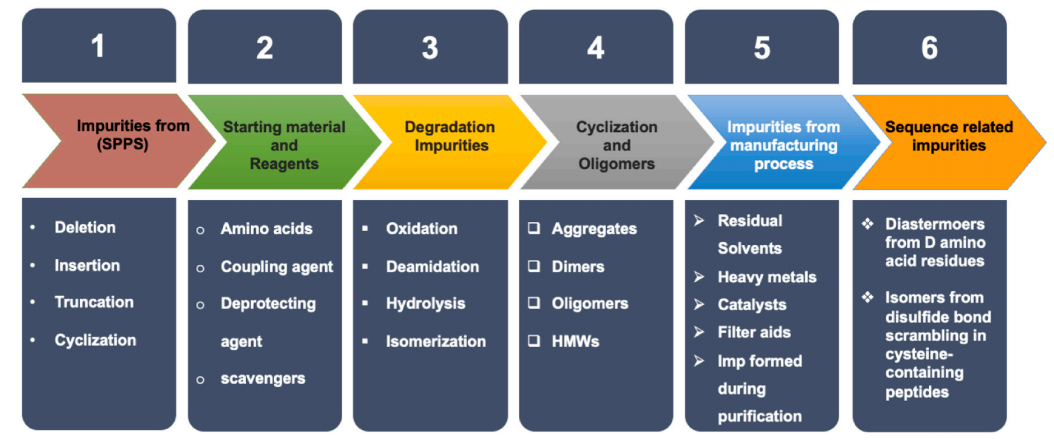
Figure 1. Source of Impurities in Peptide Drugs
These impurities may affect the biological activity, safety, and immunogenicity of the drug, and therefore must be accurately identified and controlled during peptide drug development and quality management.
Peptide Related Impurity Analysis Service at MtoZ Biolabs
MtoZ Biolabs provides a comprehensive analytical solution covering both qualitative and quantitative evaluation through advanced mass spectrometry platforms and orthogonal separation strategies:
☑️ Multidimensional Separation Systems: Combining reversed-phase (RP-HPLC), strong cation exchange (SCX), and hydrophilic interaction (HILIC) modes to improve sample resolution.
☑️ High-Resolution Structural Elucidation: Using Orbitrap, Q Exactive, and timsTOF systems to precisely determine molecular weight and structural differences.
☑️ Impurity Classification and Identification: Detecting missing peptides, oxidized peptides, modified peptides, dimers, and sequence variants.
Workflow of Peptide Related Impurity Analysis Service
1. Sample Preparation and Pretreatment: Evaluate solubility and purity and remove nonspecific interferences.
2. Chromatographic Separation: Use multidimensional LC systems to separate the main peak and impurity peaks.
3. Mass Spectrometry Detection: Perform high-resolution MS and MS/MS analysis to confirm molecular weight and fragmentation patterns.
4. Structural Interpretation and Classification: Identify impurity types such as deletions, insertions, and oxidation, and infer their formation pathways.
5. Data Integration and Report Generation: Provide quantitative results, spectra, peak distribution, and annotated impurity information.
Why Choose MtoZ Biolabs
1️⃣ Extensive Expertise: A professional team with strong experience in peptide synthesis, structural characterization, and impurity control.
2️⃣ High-Resolution Platforms: Equipped with Orbitrap Fusion Lumos and timsTOF Pro systems for ppm-level mass accuracy.
3️⃣ Orthogonal Detection System: Multiple separation mechanisms ensure detection of low-abundance impurities in complex samples.
4️⃣ Customized Analytical Solutions: Flexible, project-specific analytical plans including method development, impurity structure elucidation, stability studies, and regulatory compliance assessment.
5️⃣ One-Time Charge: Our pricing is transparent, with no hidden fees or additional costs.
Applications of Peptide Related Impurity Analysis Service
1. Peptide Drug Development and Quality Control: Verify synthesis purity and impurity profile stability.
2. Generic Peptide Comparability Studies: Evaluate impurity differences between generics and RLDs for ANDA submission.
3. Storage and Stability Studies: Identify degradation products formed under long-term or stress conditions.
4. Safety and Immunogenicity Risk Assessment: Detect impurities that may trigger immune responses.
5. Process Optimization: Compare impurity profiles to assess the impact of manufacturing changes on product quality.
Deliverables
1. Comprehensive PDF Report: Includes experimental conditions, chromatographic and MS parameters, key results, and discussion.
2. Data Tables (CSV/Excel): Record molecular weight, relative abundance, and structural interpretation of impurities.
3. High-Resolution Spectra (TIFF/PNG): Present chromatographic and MS/MS peak distributions.
4. Comparative Analysis Results (Optional): Provide impurity profile comparison with reference products or previous batches.
FAQs
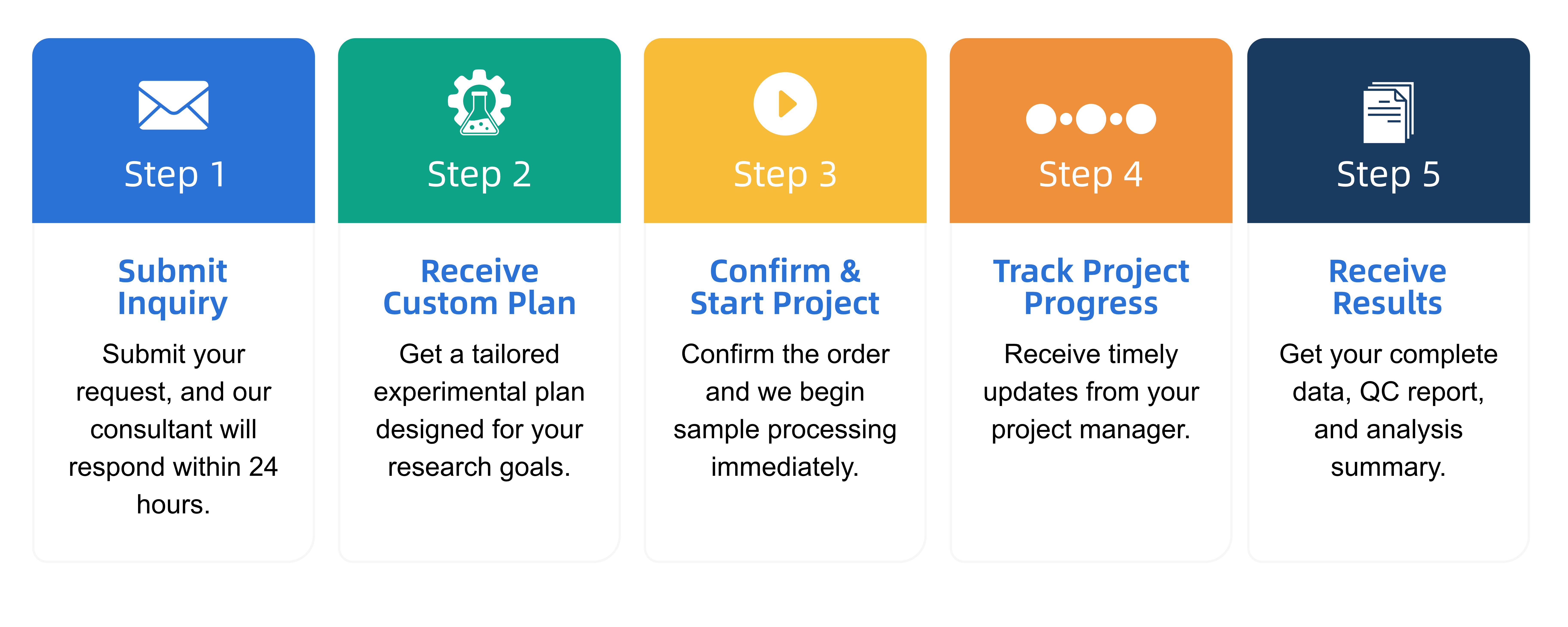
Q1: What is the service's general workflow?
Q2: What data formats are provided?
A2: MtoZ Biolabs provides multiple standardized data formats to ensure compatibility with various analytical and visualization tools. Typical deliverables include:
Additional file formats or customized report templates can be provided upon request to meet specific regulatory, research, or industrial requirements.
Q3: How should I prepare my samples?
A3: To ensure accuracy and reproducibility of peptide-related impurity analysis, MtoZ Biolabs recommends the following sample preparation guidelines:
1. Sample Types: Accepting synthetic peptides, peptide drug formulations, intermediates, and high-purity research-grade peptides.
2. Sample Purity: Samples should be free of insoluble particles and avoid high concentrations of salts, detergents, or organic solvents that may interfere with chromatographic separation or ionization.
3. Sample Quantity: At least 1 mg of solid sample or 500 μL of liquid sample. Provide additional material if replicate or orthogonal validation is required.
4. Storage and Shipping: Store samples at −20°C or lower in the dark. Ship on dry ice in sealed, leak-proof containers to maintain stability.
5. Accompanying Information: Provide full details including peptide sequence, synthesis or formulation method, buffer composition, and analytical objectives (e.g., impurity types of interest).
For more information, please refer to Sample Submission Guidelines for Proteomics and Sample Submission Guidelines for Metabolomics.
If you are unsure about your sample preparation, our technical team can provide personalized pre-analysis consultation and a sample submission guide to help you optimize preparation and shipping conditions.
Start Your Project with MtoZ Biolabs
For more information or to request a customized analytical solution, please contact us. MtoZ Biolabs combines advanced analytical platforms with professional scientific expertise to provide comprehensive and reliable peptide impurity analysis solutions, supporting your drug development and quality research.
How to order?




