






Peptide Drug Immunotoxicology Assessment Service
MtoZ Biolabs provides specialized Peptide Drug Immunotoxicology Assessment Service designed to evaluate immune-related safety risks associated with peptide therapeutics during early development. Our Peptide Drug Immunotoxicology Assessment Service supports researchers by identifying potential immune activation, suppression, or reactivity concerns that may arise from peptide sequences, conjugated structures, or formulation components. Through a combination of in vitro and in vivo assessment options, we deliver clear, reliable data that help guide peptide optimization and inform subsequent safety planning.
Overview
Peptide Drug Immunotoxicology Assessment examines how peptide candidates may influence innate and adaptive immune pathways. Sequence motifs, chemical modifications, excipients, and degradation products can affect cytokine secretion, alter immune cell phenotypes, or modulate antigen-processing mechanisms. These changes may contribute to unintended immune stimulation, reduced immune responsiveness, or injection-site reactions during development.
Evaluation approaches include cytokine-release analysis, immune-cell profiling, immunogenicity screening, and assessment of hypersensitivity-related indicators. These studies support candidate selection and help inform planning for further non-clinical safety evaluation.
Peptide Drug Immunotoxicology Assessment Service at MtoZ Biolabs
MtoZ Biolabs provides a focused portfolio of immunotoxicology assessments tailored for peptide drug research. Our offerings span in vitro immune function characterization and in vivo immune safety evaluations, supporting decision-making throughout discovery and preclinical development.
1. Cell-Based Immune Assessments
These studies characterize immune interactions and functional responses under controlled laboratory conditions.
● Flow Cytometry Immunophenotyping: Multi-parameter profiling to track changes in immune cell subsets and activation markers following peptide exposure.
● Cytokine Release Assessment: Measurement of proinflammatory and regulatory cytokines using multiplex immunoassays.
● Immune Cell Functional Assays: Evaluation of immune activation, inhibition, or modulation using primary human immune cells or established cell lines.
● ELISPOT-Based Immunogenicity Screening: Detection of peptide-induced T cell or B cell responses with high sensitivity.
● In Vitro Immunogenicity Evaluation: Early assessment of antigen presentation, T cell stimulation, and related immune signaling events.
2. In Vivo Immune Assessments
These studies evaluate peptide-related immune effects across whole-animal systems, supporting nonclinical safety planning.
● In Vivo Immunophenotyping: Characterization of immune cell distributions and activation in blood and tissues after peptide administration.
Systemic Immune Marker Analysis: Measurement of circulating cytokines, chemokines, and other immune indicators.
Hypersensitivity Endpoint Evaluation: Assessment of acute or delayed immune-mediated hypersensitivity responses.
Host Immune Response Profiling: Monitoring of immune competence and host defense changes associated with peptide exposure.
Why Choose MtoZ Biolabs?
✔ Immune Function Assessment Platforms
Capabilities include dendritic cell evaluation, antigen-processing studies, and T and B cell functional readouts relevant to peptide immunogenicity.
✔ Multiparametric Immune Profiling
High-dimensional flow cytometry and multiplex cytokine analysis provide detailed assessment of immune cell subsets and activation pathways.
✔ Peptide Modality Experience
Experience with linear, cyclic, conjugated, and chemically modified peptides, ensuring appropriate design of immunotoxicology strategies.
✔ Integrated Data Interpretation
Reports combine cellular, molecular, and functional readouts to support data-driven development decisions.
Start Your Project with MtoZ Biolabs
MtoZ Biolabs offers reliable and well-structured immunotoxicology assessments to support peptide drug discovery and early development. Contact us to discuss study options or request a tailored evaluation plan.
FAQ
Q1: What types of samples are suitable?
Purified peptides, lyophilized materials, or peptide formulations in compatible aqueous buffers. A minimum of 1 mg of sample or 1 mL of solution is recommended.
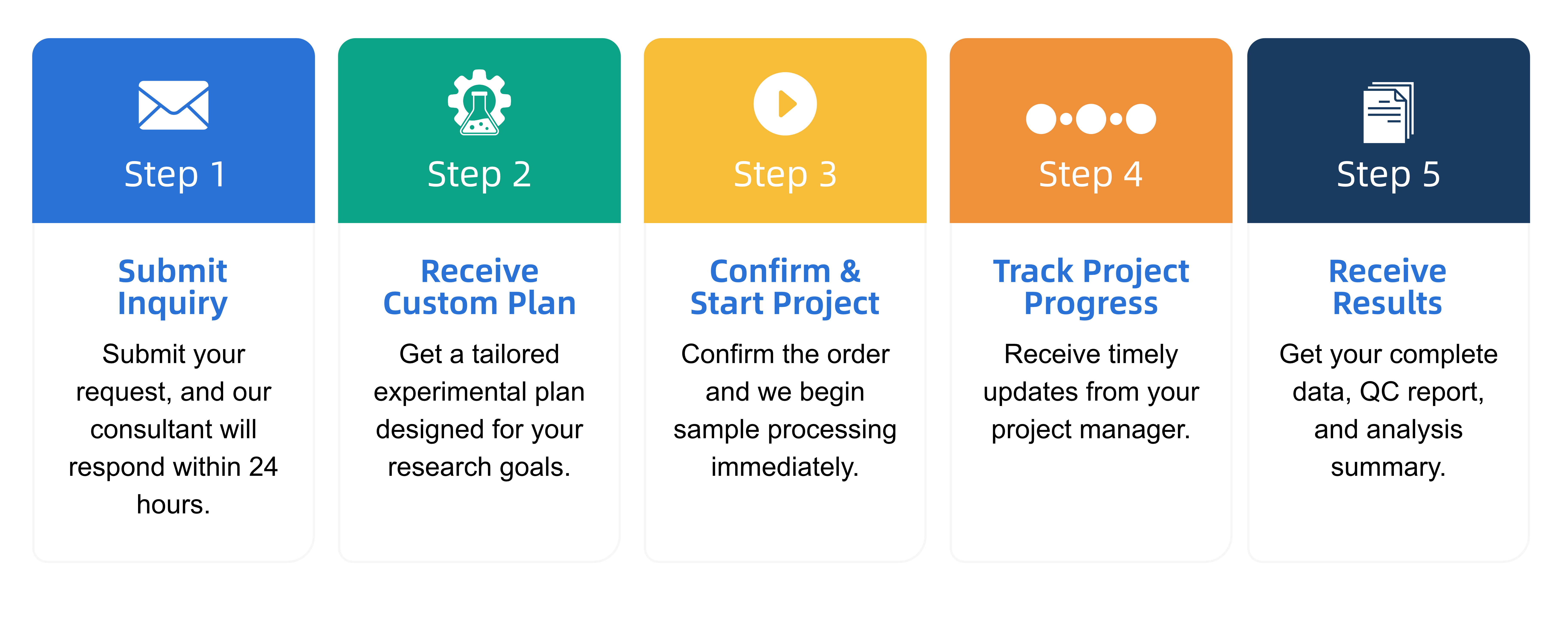
Q2: What is the service general workflow?
Q3: What data formats are provided?
We provide:
· Summary reports describing immunological findings
· Quantitative datasets for cytokine panels, cell-based assays, and phenotyping
· Method details and assay conditions
· Optional raw data files
All data are provided in standard formats (Excel, PDF, and instrument raw files) suitable for publication and further bioinformatics analysis.
Q4: How should I prepare my samples?
· Provide complete sequence, purity, and concentration information
· Avoid additives that may interfere with immune readouts
· Store samples under stability-appropriate conditions and avoid repeated freeze–thaw cycles
Our team can assist in assessing sample compatibility for specific immune-based assays.
Related Services
How to order?




