PCT-DIA Proteomics Service
MtoZ Biolabs provides PCT-DIA Proteomics Service for FFPE, biopsy-scale, frozen, and other challenging tissue samples by integrating pressure cycling-assisted sample preparation with DIA LC-MS/MS quantitative proteomics.
The integrated workflow reduces unnecessary sample handling, supports efficient protein extraction and digestion, and enables consistent quantitative comparison when limited material or difficult tissue preparation can constrain proteomic analysis.
- Reduced sample handling for limited tissue specimens
- Pressure-assisted protein extraction and digestion
- Designed for FFPE and biopsy-scale proteomics
- DIA quantification for multi-sample tissue studies
Overview
PCT-DIA combines Pressure Cycling Technology (PCT)-assisted sample preparation with Data-Independent Acquisition (DIA) LC-MS/MS for quantitative proteomic analysis. PCT supports tissue disruption, protein extraction, and proteolytic digestion under controlled pressure cycles, while DIA provides systematic fragment-ion acquisition for protein identification and relative quantification.
The combination is particularly valuable for FFPE tissue, biopsy-scale specimens, and other limited-input or difficult-to-process samples, where sample recovery, preparation efficiency, and quantitative consistency can directly affect downstream proteomic analysis. Key advantages include:
- reduced sample transfers and lower handling-related loss;
- efficient tissue disruption, protein extraction, and digestion;
- controlled preparation conditions across multiple samples;
- consistent DIA-based quantification for comparative studies.
Service at MtoZ Biolabs
MtoZ Biolabs provides the PCT-DIA Proteomics Service as an integrated quantitative proteomics workflow combining pressure-assisted sample preparation with DIA LC-MS/MS analysis.
The service can support FFPE tissue, biopsy-scale specimens, fresh-frozen or frozen tissue, and other compatible limited-input or difficult-to-process samples. Workflow design is selected according to tissue characteristics, preservation method, available material, sample number, and study objectives.
Where PCT-assisted preparation is appropriate, the resulting peptide samples are analyzed by DIA LC-MS/MS to generate protein identification and relative quantitative datasets. Depending on the experimental design, the analysis can support group-level comparison, differential protein analysis, and downstream biological interpretation.
When This Service Is a Good Fit
PCT-DIA is most useful when sample preparation represents a meaningful constraint on quantitative proteomics.
Consider PCT-DIA when:
- available tissue material is limited and sample conservation is important;
- FFPE preservation or tissue characteristics make extraction and digestion challenging;
- multiple tissue samples require consistent upstream preparation;
- broad quantitative comparison across biological groups is required.
For routine tissue samples with sufficient material and established preparation performance, standard DIA proteomics may provide a more direct analytical approach.
Analysis Workflow
1. Sample and Study Evaluation
Sample type, preservation method, available material, biological groups, replicate design, and quantitative objectives are reviewed before workflow selection.
2. PCT-Assisted Sample Preparation
Where appropriate, pressure cycling is applied to support tissue disruption, protein extraction, and proteolytic digestion under controlled conditions. For FFPE specimens, compatible pretreatment is incorporated before downstream proteomic preparation.
3. Peptide Cleanup and DIA LC-MS/MS
The resulting peptides are cleaned, separated by liquid chromatography, and analyzed using data-independent acquisition mass spectrometry.
4. Protein Identification and Quantification
DIA data are processed to generate peptide and protein identification results together with relative protein abundance data across samples.
5. Comparative Data Analysis
Where supported by the experimental design, quantitative datasets can be evaluated through statistical comparison, differential protein analysis, clustering, functional annotation, enrichment analysis, and pathway interpretation.
Why Choose MtoZ Biolabs?
1. Integrated Analytical Execution
PCT-assisted preparation, DIA LC-MS/MS acquisition, and quantitative data processing are coordinated within one analytical framework.
2. Study-Specific Method Planning
PCT is not applied as a default pretreatment. Sample condition, available material, cohort size, and analytical objectives are evaluated before the preparation strategy is selected.
3. Quantitative Quality Review
Sample-level and quantitative data quality are reviewed before comparative analysis to support reliable interpretation across biological groups.
4. Transparent Scope and Pricing
The analytical strategy, service scope, deliverables, and pricing are defined before analysis, with no additional charges within the confirmed service scope.
Sample Submission Requirements
Sample requirements depend on tissue type, preservation method, available material, and analytical objectives.
Before submission, please provide:
- tissue type and preservation method;
- available sample amount;
- number of samples;
- experimental groups and biological replicates;
- primary research objective.
This information allows our technical team to evaluate sample compatibility and determine an appropriate preparation and LC-MS/MS strategy.
FAQ
Q1. Can archived FFPE tissue be analyzed by PCT-DIA?
Suitable archived FFPE specimens can be evaluated for PCT-DIA proteomics. Preservation history, fixation conditions, storage duration, and tissue quality may influence protein recovery and should be considered during sample assessment.
Q2. How is PCT-DIA different from standard DIA proteomics?
Both approaches use DIA for LC-MS/MS acquisition. PCT-DIA additionally incorporates pressure cycling-assisted sample preparation before mass spectrometry, making it more relevant when limited material, FFPE preservation, or difficult extraction and digestion present additional analytical challenges. If samples can be processed reliably using conventional preparation, standard DIA proteomics may be sufficient.
Q3. Is PCT-DIA suitable for studies with many tissue samples?
Yes. Programmed PCT preparation combined with DIA quantitative analysis can support comparative studies involving multiple tissue samples or biological groups. Study size, batch design, quality-control strategy, and analytical requirements should be considered during planning.
Q4. Does PCT-DIA always provide deeper proteome coverage than standard DIA?
Not necessarily. PCT primarily addresses sample preparation, while proteome depth also depends on tissue characteristics, sample quality, chromatographic separation, MS acquisition, and data processing. PCT-DIA is most valuable when pressure-assisted preparation provides a meaningful advantage for the submitted samples.
Start Your Project with MtoZ Biolabs
PCT-DIA is particularly valuable when limited material, tissue preservation, or difficult sample preparation influences the design of a quantitative proteomics study.
Contact MtoZ Biolabs with your tissue type, preservation method, available material, sample number, and study objectives. Our technical team can evaluate whether the PCT-DIA Proteomics Service or another LC-MS/MS workflow is better suited to your study.
MtoZ Biolabs, an integrated chromatography and mass spectrometry (MS) services provider.
Related Services
Data-Dependent Acquisition Service
Label-Free DIA Quantitative Proteomics
Support Documents
DIA-Based Quantitative Proteomics Service
Discover how DIA-based quantitative proteomics can support comprehensive protein profiling and comparative studies by downloading our service overview.
Demo for DIA Proteomics Analysis
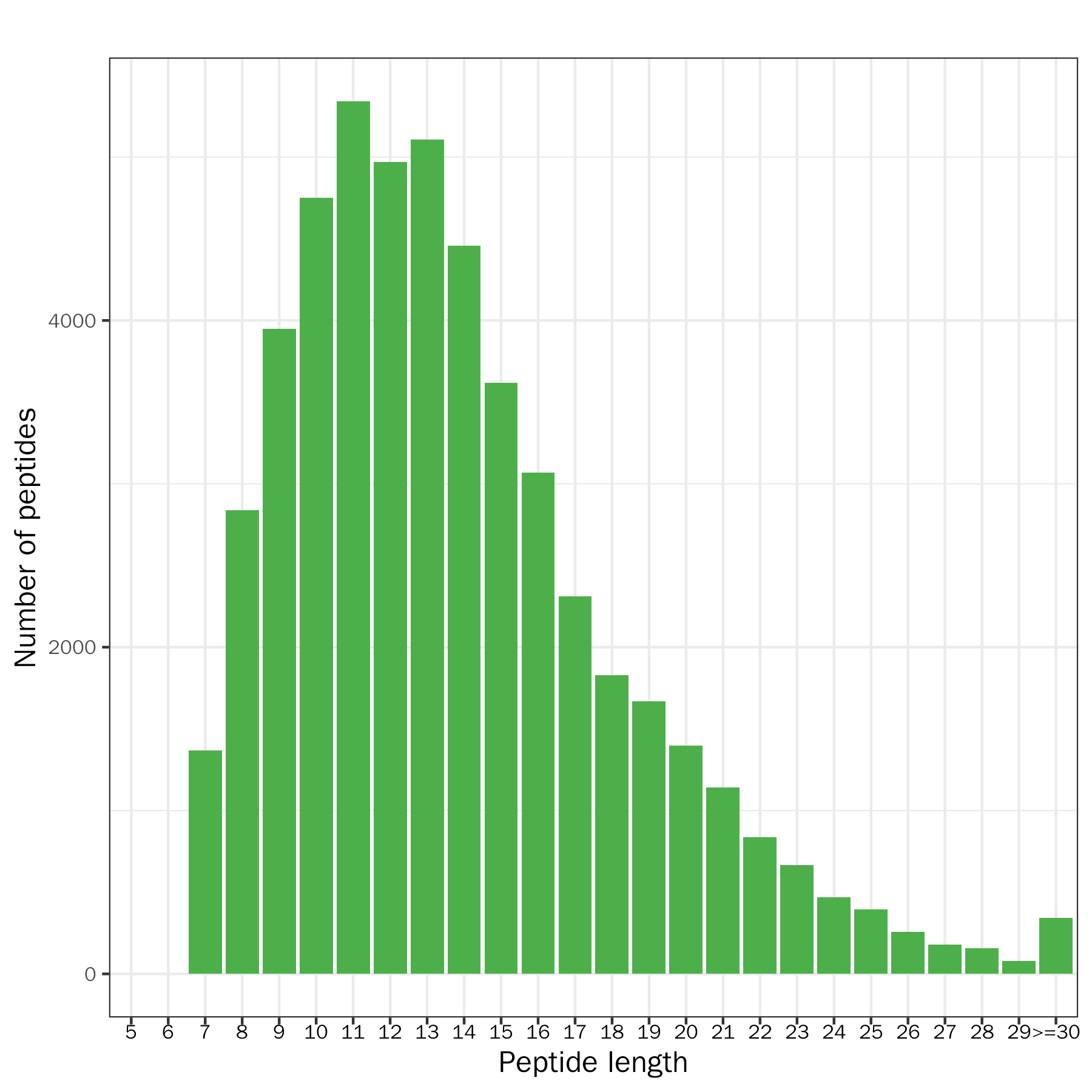
Peptide Length Distribution
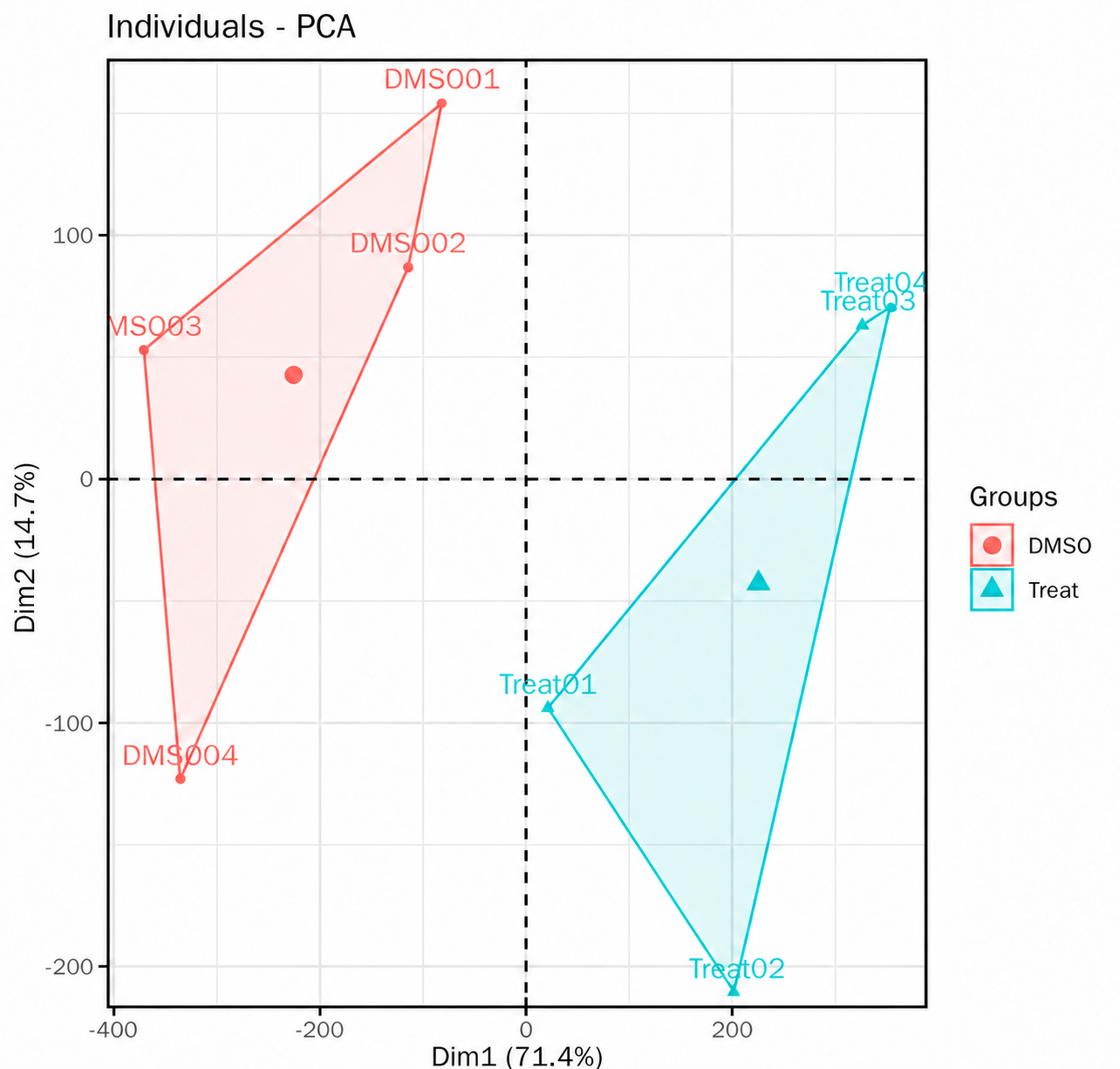
PCA Plot of Sample Grouping
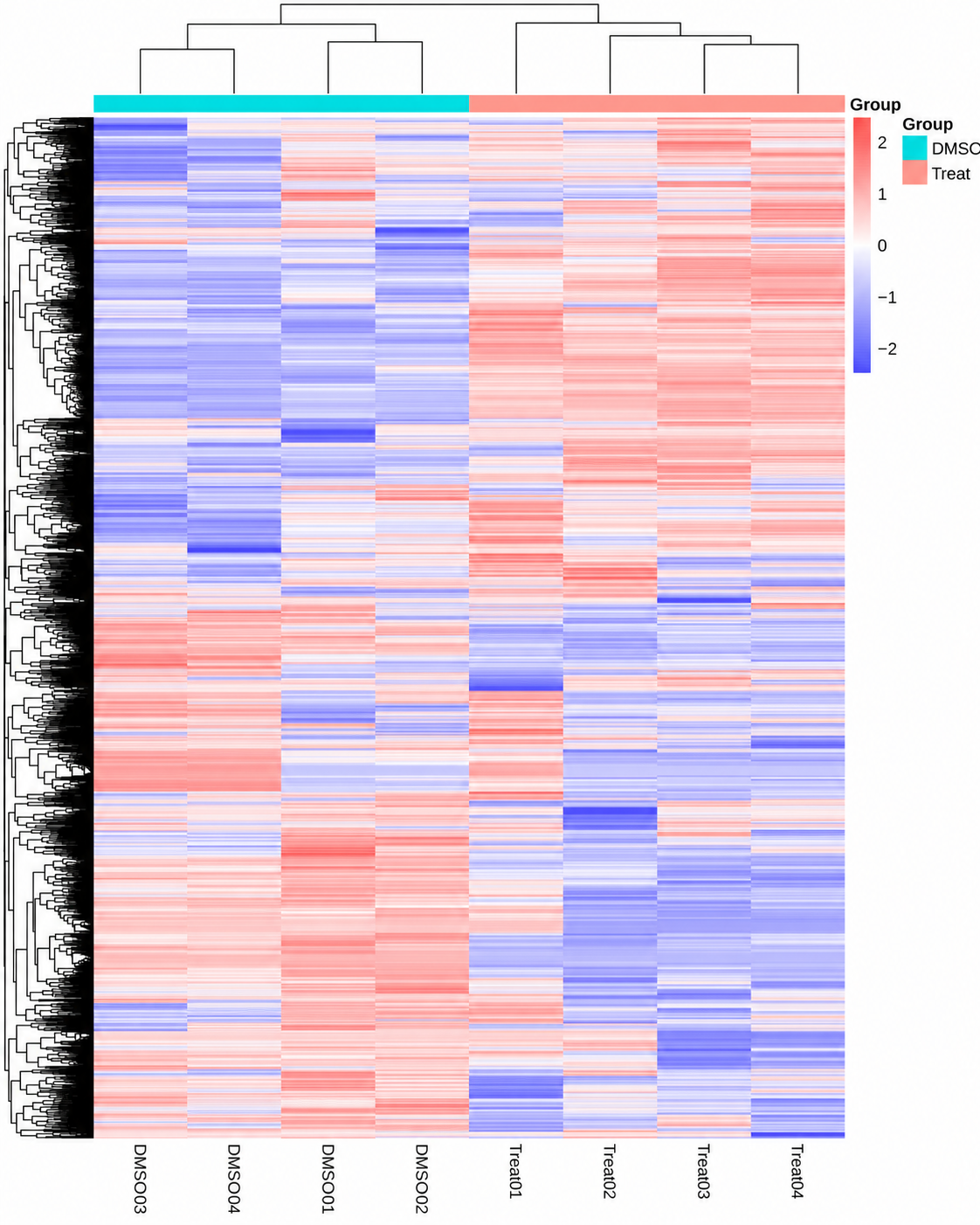
Hierarchical Clustering of Protein Abundance