






Monosaccharide Metabolism Analysis Service
MtoZ Biolabs provides comprehensive Monosaccharide Metabolism Analysis Services for both animal and plant samples, leveraging advanced LC-MS, GC-MS, and HPAE-PAD platforms. Our service enables precise identification, quantification, and metabolic pathway analysis of key monosaccharides and their intermediates. Designed to support research in energy metabolism, physiological regulation, and environmental adaptation, our solutions deliver high-accuracy and reproducible data for academic and industrial applications.
What Is Monosaccharide Metabolism?
Monosaccharide metabolism encompasses the absorption, conversion, and utilization of simple sugars such as glucose, fructose, galactose, and mannose in living organisms. These sugars serve as vital energy sources and metabolic intermediates that fuel numerous cellular processes.
In animals, monosaccharide metabolism plays a central role in maintaining energy balance through glycolysis, gluconeogenesis, and the pentose phosphate pathway. Abnormalities in these pathways are closely related to metabolic disorders such as diabetes, obesity, and fatty liver disease.
In plants, monosaccharides act as signaling molecules and structural precursors, influencing photosynthesis, growth, and stress responses. Monitoring sugar metabolism helps elucidate carbon partitioning, source–sink dynamics, and environmental adaptation mechanisms.
By analyzing monosaccharide metabolism, researchers can gain a detailed understanding of energy flow, carbon cycling, and physiological regulation across multiple biological systems.
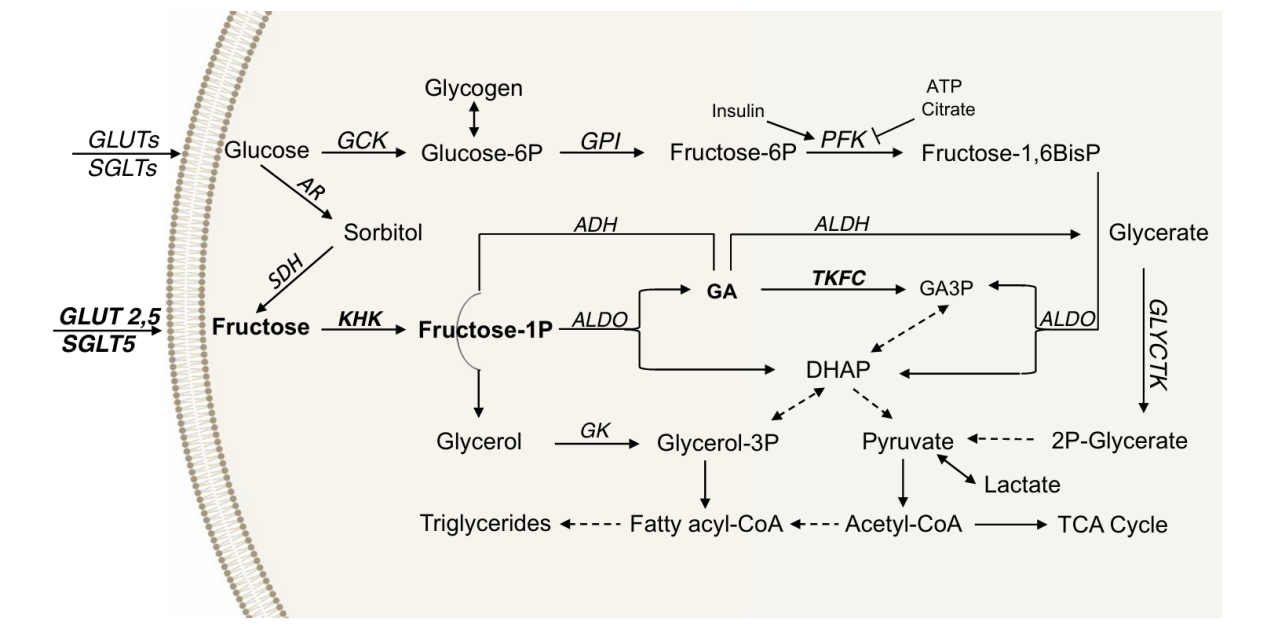
Helsley, R. N. et al. Curr Diab Rep. 2020.
Figure 1. Pathways of Fructose and Glucose Metabolism
Principle of Monosaccharide Metabolism Analysis
MtoZ Biolabs applies multiple complementary analytical platforms to provide accurate and comprehensive monosaccharide profiling:
1. Liquid Chromatography–Mass Spectrometry (LC-MS)
- Enables sensitive and specific detection of monosaccharides and related metabolites.
- Ideal for complex biological matrices such as serum, tissue extracts, and plant sap.
2. Gas Chromatography–Mass Spectrometry (GC-MS)
- Provides high-resolution separation and identification of volatile or derivatized monosaccharides.
- Facilitates structural elucidation based on fragmentation patterns.
3. High-Performance Anion-Exchange Chromatography with Pulsed Amperometric Detection (HPAE-PAD)
- Utilizes alkaline conditions to separate anionic monosaccharides without derivatization.
- Allows direct electrochemical detection with excellent precision and reproducibility.
Monosaccharide Metabolism Analysis Service at MtoZ Biolabs
💠Qualitative and Quantitative Profiling
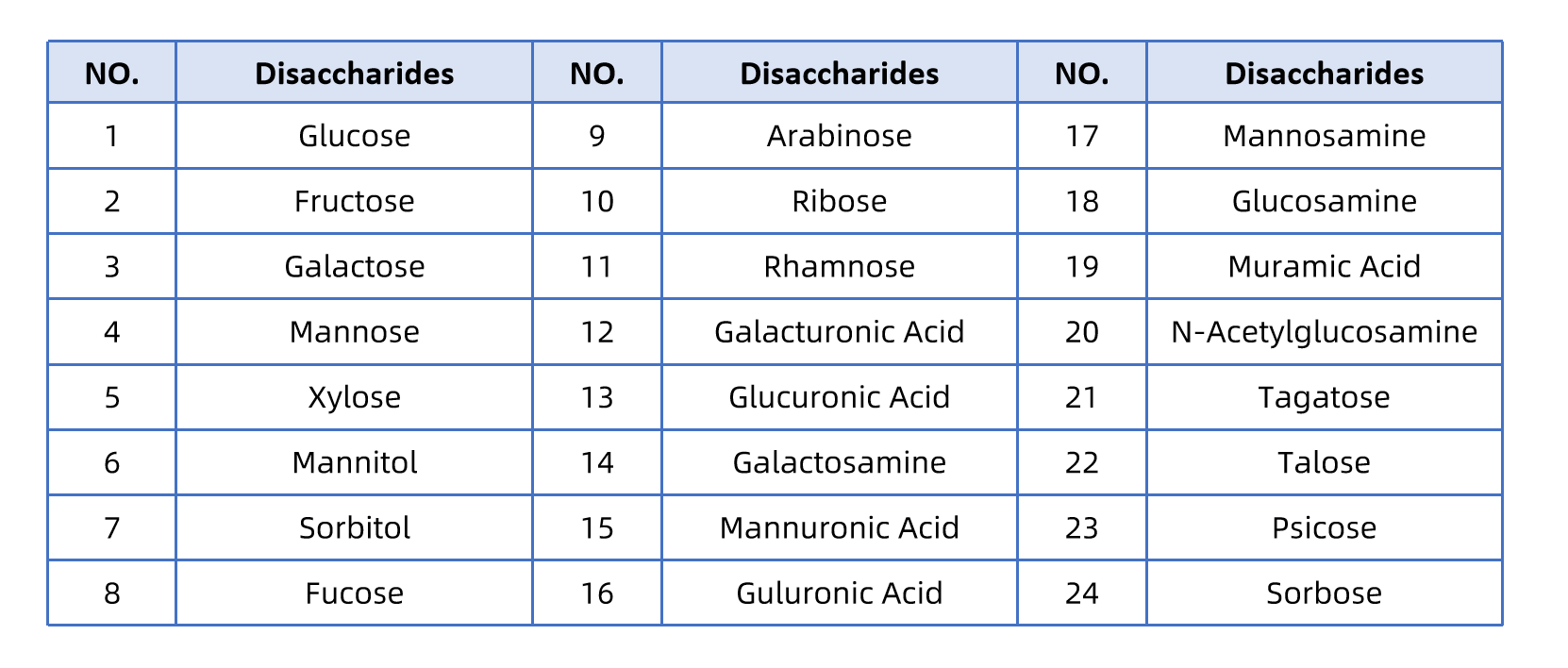
Accurate identification and quantification of glucose, fructose, galactose, mannose, xylose, arabinose, and other monosaccharides. Our service covers a wide range of monosaccharides, including but not limited to:
💠Central Metabolism Analysis
Monitoring of intermediates involved in glycolysis, the pentose phosphate pathway, and the TCA cycle to map energy and carbon flow.
💠Custom Metabolic Research Solutions
Tailored analysis of specific metabolic pathways or isotopic tracing studies to meet unique research objectives.
Workflow of Monosaccharide Metabolism Analysis Service

Why Choose MtoZ Biolabs
✔️Applicable to Diverse Biological Systems including animal, plant, and microbial samples.
✔️High Sensitivity and Specificity ensuring reliable detection of trace-level monosaccharides.
✔️Customizable Analytical Solutions designed to meet specific project and sample requirements.
✔️Expert Data Interpretation provided by a multidisciplinary team of biochemists and metabolomics specialists.
✔️Consistent and Reproducible Results achieved through standardized protocols and quality control.
Applications of Monosaccharide Metabolism Analysis Service
1. Animal Physiology and Medicine: Study of monosaccharide metabolism in energy regulation, stress response, and metabolic disorders.
2. Plant Physiology and Agriculture: Analysis of carbon partitioning, photosynthetic sugar production, and sugar-mediated stress signaling.
3. Food and Nutrition Science: Evaluation of sugar composition, digestibility, and nutritional quality in food products.
4. Fermentation and Industrial Biotechnology: Optimization of microbial sugar utilization for enhanced yield and efficiency.
5. Environmental and Microbial Ecology: Monitoring carbon cycling and energy transfer in soil and aquatic ecosystems.
Sample Submission Guidelines
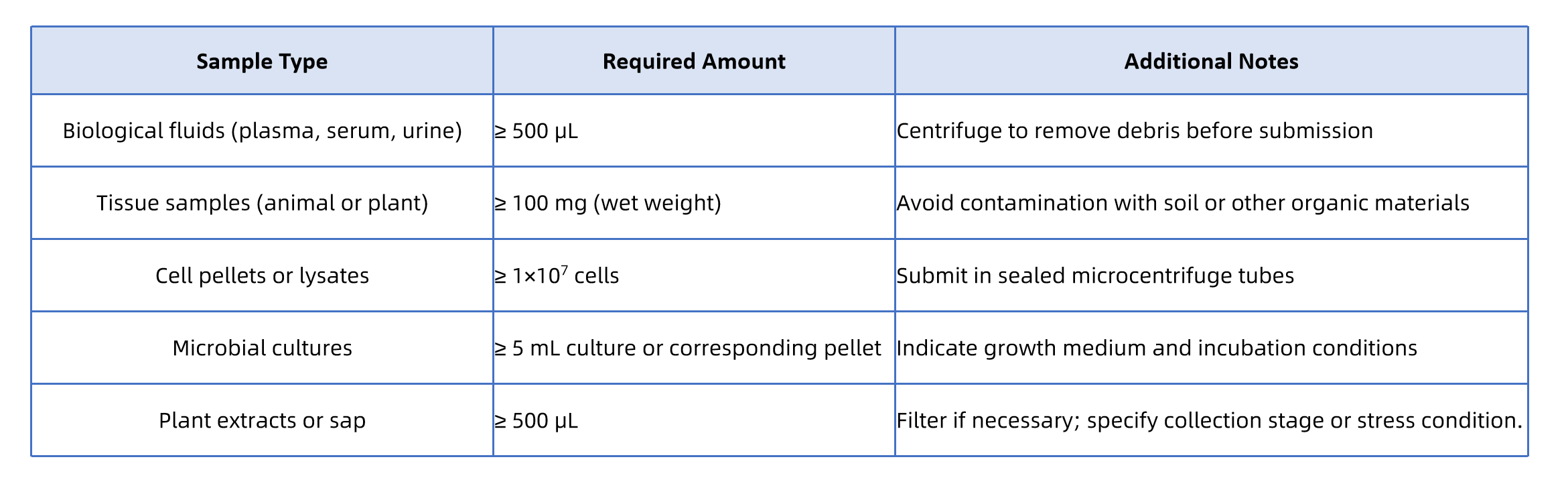
We recommend six or more biological replicates to ensure statistical reliability.
For other samples with limited availability or specific handling requirements, please contact MtoZ Biolabs for customized preparation instructions.
FAQ
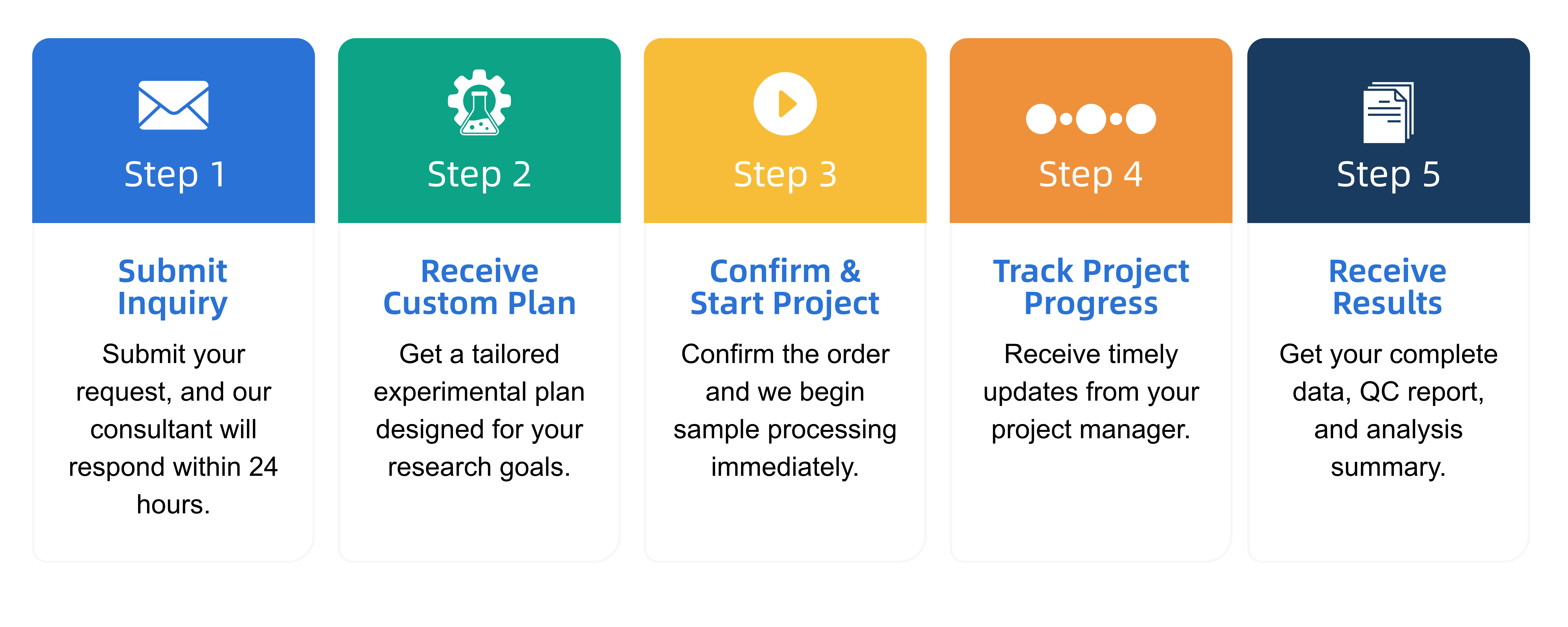
Q1: What Is the Service General Workflow?
Q2: What Data Formats Are Provided?
A2: MtoZ Biolabs provides results in multiple standard formats to ensure compatibility with various analysis and visualization tools. Deliverables typically include:
1. Raw data files from LC-MS, GC-MS, or HPAE-PAD platforms
2. Processed data tables (CSV or Excel format) containing identified and quantified monosaccharides and metabolites
3. Summary reports in PDF format, including analytical methods, quality control results, and key findings
4. Figures and chromatograms in high-resolution image formats (TIFF or PNG)
Additional file formats or data structures can be provided upon request to meet specific research or publication requirements.
Q3: How Should I Prepare My Samples?
A3: To ensure accurate and reproducible results for Monosaccharide Metabolism Analysis Service, MtoZ Biolabs recommends preparing your samples according to the following guidelines:
1. Sample Type: We accept a wide range of biological samples, including plant extracts, cell lysates, serum, plasma, tissue, and purified standards.
2. Sample Purity: Samples should be free of particulates and high concentrations of salts, detergents, or organic solvents that could interfere with chromatographic separation or ionization in MS detection.
3. Volume Requirement: Please provide at least 500 μL of liquid sample or 100 mg of solid material. Additional volume may be required for replicate analyses.
4. Storage and Shipping: Store biological samples at −80°C. Ship samples on dry ice in leak-proof containers to maintain sample integrity.
5. Documentation: Include detailed information such as sample origin, preparation method, buffer composition, and desired analysis type.
For more information, please refer to Sample Submission Guidelines for Proteomics and Sample Submission Guidelines for Metabolomics
Start Your Project with MtoZ Biolabs
Contact us to discuss your experimental design or request a quote. Our technical specialists are available to provide a free business assessment.
How to order?




