






Metabolite Identification and Profiling Service
- Liver microsomes (human or animal)
- Cryopreserved hepatocytes
- S9 fractions
- Plasma or serum
- Tissue homogenates
- Recombinant enzyme incubations
- Plasma and serum collected after dosing
- Urine and bile samples for excreted metabolites
- Fecal samples for gastrointestinal metabolism
- Tissue extracts from liver, kidney, or target organs
MtoZ Biolabs provides a Metabolite Identification and Profiling Service using UPLC-MS technologies and validated in vitro and in vivo systems to characterize the metabolic products formed from peptide-based therapeutics. Our Metabolite Identification and Profiling Service delivers detailed structural, kinetic, and mechanistic insights that support peptide optimization, safety evaluation, and preclinical development.
Background
Peptide therapeutics continue to transform modern drug development due to their high target selectivity, adaptable structures, and favorable safety characteristics. Despite these advantages, peptides undergo extensive metabolic processing in biological systems through enzymatic cleavage, chemical modification, or transformation by tissue-specific enzymes. These metabolic reactions generate a wide range of peptide fragments or altered forms, collectively referred to as metabolites.
Understanding these metabolites is essential for several reasons. Metabolites may contribute to the overall pharmacological activity, influence exposure and clearance, or demonstrate safety liabilities that differ from the parent peptide. Some metabolites may remain active, while others may be inactive, toxic, or immunogenic. Regulatory agencies require metabolic profiling to ensure that metabolites are identified, structurally characterized, and evaluated when necessary for safety.
Metabolite identification and profiling involve detecting, cataloging, and structurally annotating all metabolic products formed during in vitro or in vivo processing. For peptide drugs, this process is especially critical because metabolism often proceeds through multiple pathways, creating diverse fragments with distinct properties. Accurately identifying these products helps researchers understand degradation routes, determine metabolic soft spots, and predict in vivo pharmacokinetic behavior.
Metabolite Identification and Profiling Service at MtoZ Biolabs
💠In Vitro Metabolite Identification
We analyze peptide metabolism using liver microsomes, cryopreserved hepatocytes, S9 fractions, recombinant enzymes, and plasma or tissue matrices. These systems help reveal early-stage and enzyme-specific metabolic products.
💠In Vivo Metabolite Identification
We perform metabolite profiling using biological samples collected from preclinical species, including plasma, serum, urine, bile, feces, and tissue homogenates. This captures physiologically relevant metabolic pathways.
💠UPLC-MS Metabolite Characterization
Our advanced UPLC-MS instruments allow high-fidelity detection and structural annotation of metabolites, including small fragments, modified peptides, and low-abundance products. Fragmentation spectra support confident structural assignment.
💠Metabolic Pathway Reconstruction
We map primary and secondary degradation routes, showing how peptides break down, which fragments appear first, and how downstream metabolites evolve.
💠Identification of Metabolic Soft Spots
We highlight structural regions most prone to enzymatic cleavage or chemical modification, directly guiding peptide optimization strategies.
💠Quantitative Metabolite Assessment
We determine relative abundance and formation rates of metabolites to assess their significance in the overall metabolic profile.
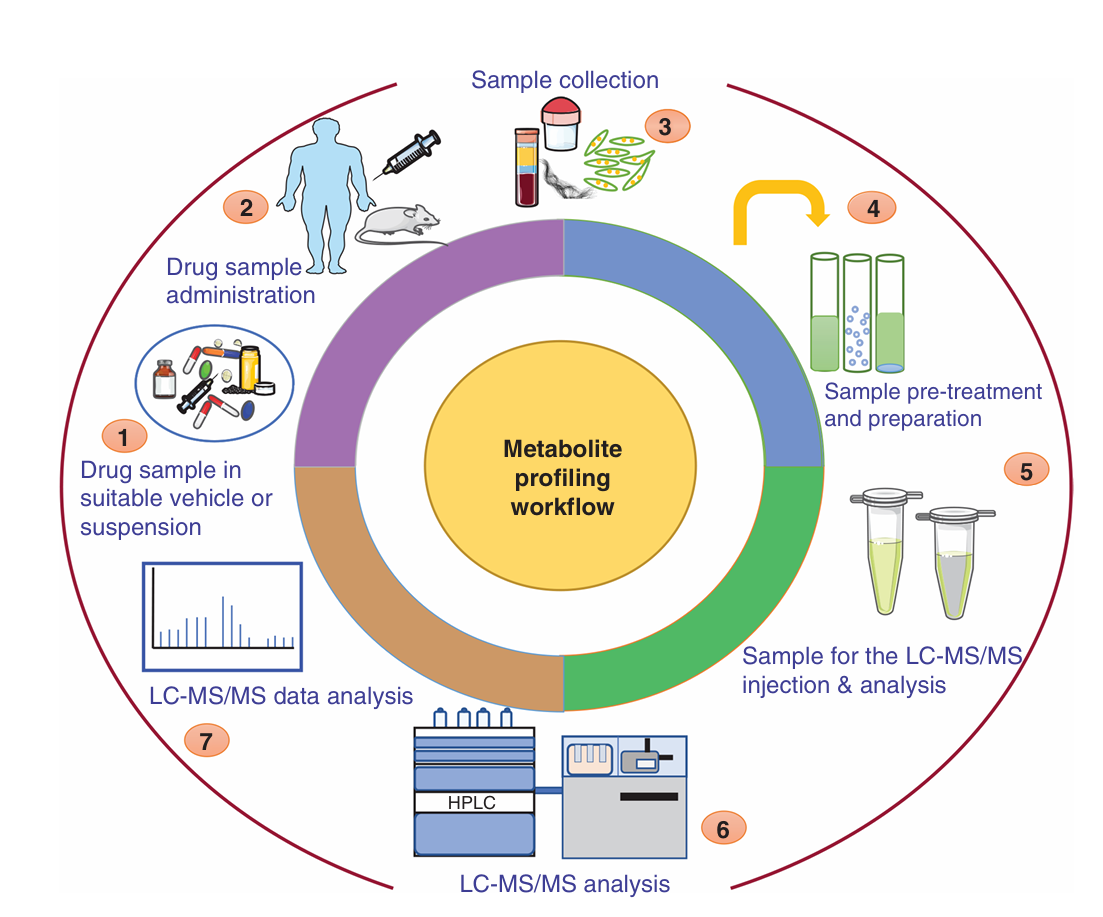
Figure 1. In Vivo Profiling of Drug Metabolites with LC-MS/MS
Why Choose MtoZ Biolabs
✔️Extensive Experience
Our scientific team has extensive experience characterizing metabolite profiles unique to peptide therapeutics.
✔️Advanced UPLC-MS Platforms
We employ advanced UPLC-MS systems optimized for high sensitivity, accurate mass detection, and detailed MS/MS fragmentation, ensuring reliable identification of both major and low-abundance metabolites.
✔️Comprehensive Analysis
Our workflows integrate microsomes, hepatocytes, plasma, tissue matrices, and preclinical biological samples, providing full coverage of metabolic pathways across multiple biological environments.
✔️Customizable Study Designs
Every project is tailored to the specific chemical features, metabolic challenges, and development stage of the peptide, ensuring that results are directly actionable.
✔️Excellent Customer Service
Our team works closely with clients to refine study objectives, interpret results, and coordinate follow-up studies, ensuring an efficient and collaborative workflow from start to finish.
Applications of Metabolite Identification and Profiling Service
1. Lead Optimization
Identify metabolic weak points to guide sequence refinement and chemical modification.
2. Pharmacokinetic Prediction
Clarify primary and secondary metabolic pathways to support clearance modeling and dose planning.
3. Safety Assessment
Detect metabolites of potential concern and evaluate structural alerts early in development.
4. Regulatory Support
Provide metabolite structures and profiles needed for preclinical documentation and regulatory submissions.
5. Formulation Evaluation
Assess how different delivery or formulation strategies influence metabolic stability.
6. Mechanistic Understanding
Reveal degradation mechanisms that shape peptide behavior in biological systems.
FAQ
Q1: What types of samples are suitable?
We accept both in vitro and in vivo samples to support comprehensive metabolite identification and profiling:
1. In vitro samples
2. In vivo samples
Q2: How should I prepare my samples?
1. Ensure samples are freshly prepared or snap-frozen.
2. Avoid detergents, salts, and reducing agents that may interfere with LC-MS/MS analysis.
3. Store samples at –80 °C before shipment.
4. Transport samples on dry ice to maintain stability during delivery.
For more information, please refer to Sample Submission Guidelines for Proteomics and Sample Submission Guidelines for Metabolomics.
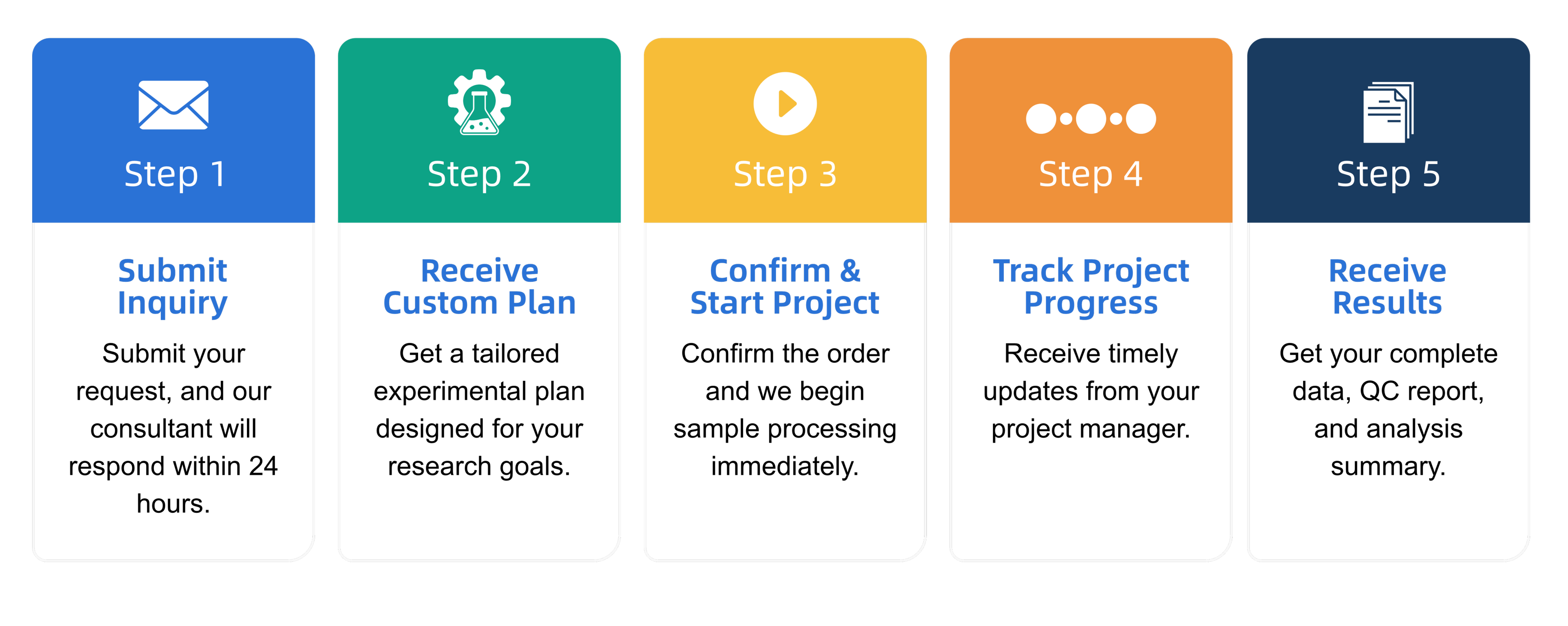
Q3: What is the service general workflow?
Q4: What data formats are provided?
We supply a complete data package in standard scientific formats:
1. PDF report summarizing methods, metabolite findings, and pathway interpretation
2. Excel or CSV files containing processed quantitative or semi-quantitative metabolite data
3. Raw LC-MS files including chromatograms and MS/MS spectra
4. High-resolution PNG or TIFF figures for metabolic maps and fragmentation profiles
5. Additional formats are available on request for regulatory or publication needs.
Start Your Project with MtoZ Biolabs
Contact us to discuss your experimental design or request a quote. Our technical specialists are available to provide a free business assessment.
How to order?




