






Hybridoma Sequencing When Recovery Fails: A Practical Troubleshooting Guide
Introduction
A PCR-based recovery project can fail quietly. The culture may still grow, the antibody may still bind in ELISA, yet RNA extraction yields poor material, PCR amplification produces weak bands, or the assembled VH and VL sequences look incomplete or ambiguous. For teams preparing recombinant expression, patent documentation, or hybridoma rescue, this outcome creates immediate delay.
Recovery from hybridoma cells usually fails for practical reasons rather than because the method itself is unsuitable. Low cell viability, degraded RNA, mixed clones, incorrect species or isotype assumptions, and loss of productivity can all reduce sequence confidence before assembly begins. Repeating the same submission without reviewing cell status or RNA quality often produces the same failed result.
When hybridoma recovery stalls, the priority is to determine whether the problem lies in the cells, the nucleic acid material, the amplification design, or the original project assumptions. If your team is troubleshooting a failed recovery attempt or preparing a low-passage culture for the first time, MtoZ Biolabs can Assess hybridoma readiness and recommend next steps before material is resubmitted.
Common Pain Points After Failed Hybridoma Recovery
Researchers often seek help after encountering one or more of the following issues:
-
RNA extraction yields low concentration or poor integrity
-
PCR amplification of VH or VL regions fails or produces weak products
-
only partial variable region sequence is recovered
-
assembled sequences suggest more than one clone
-
hybridoma productivity has declined but sequencing was still attempted
-
species, isotype, or primer design assumptions do not match the sample
-
the project deadline requires VH/VL recovery before recombinant expression can begin
These problems are common in legacy hybridoma lines, shared lab stocks with incomplete records, and cultures that have undergone repeated freeze-thaw cycles. The issue is often not whether cell-based recovery is possible in principle. It is whether the current cell material can support reliable VH and VL recovery.
Why Hybridoma Sequencing May Fail
Before resubmitting cells or switching methods after a failed hybridoma sequencing run, review the most common failure points.
1. Low Cell Viability or Poor Culture Condition
Overgrown, stressed, or repeatedly passaged hybridoma cultures may not yield usable RNA even if antibody secretion continues at reduced levels.
2. Degraded or Insufficient RNA
RNA quality is central to PCR-based recovery. Degraded material, low yield, or delayed processing after harvest can all reduce amplification success.
3. Mixed or Unstable Clones
Hybridoma cultures that are not truly monoclonal can produce overlapping VH or VL evidence and complicate assembly.
4. Incorrect Species, Isotype, or Primer Assumptions
Primer design depends on accurate metadata. Wrong assumptions can eliminate valid amplicons or amplify unrelated products.
5. Loss of Productivity Without Sequence Backup
A hybridoma may still exist in storage while secreting little antibody, but poor cell health can still compromise sequencing success.
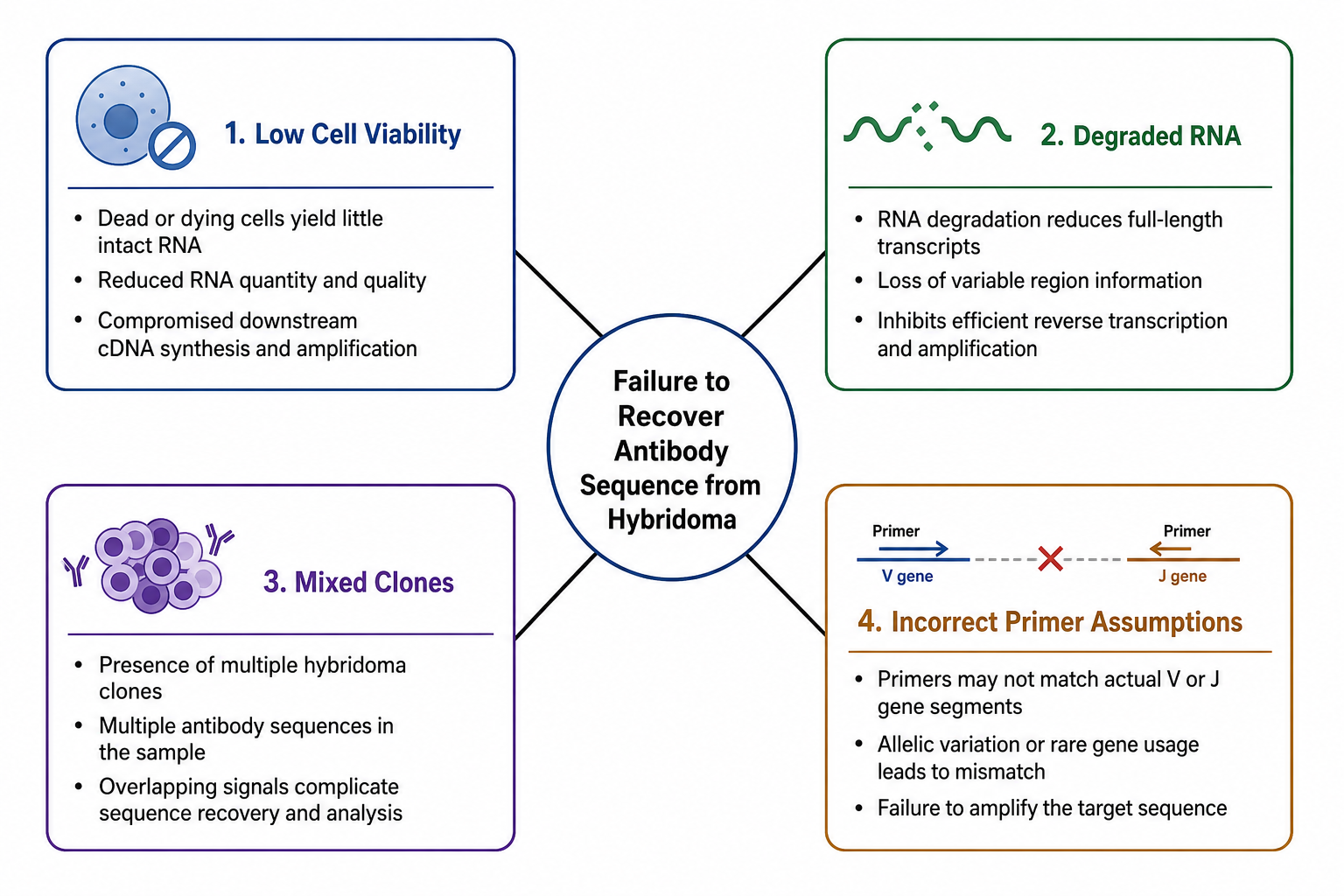
Figure 1. Failed hybridoma recovery often reflects cell health, RNA quality, or clone stability rather
Related Services
| Customer Need | Recommended Service Direction |
| Need sequence recovery from hybridoma cells | Hybridoma Antibody Sequencing Service |
| Need PCR-based antibody sequence from cells or cDNA | PCR Based Antibody Sequencing Service |
| Need sequence recovery from purified antibody only | De Novo Antibody Sequencing Service |
| Need full antibody sequencing support | Antibody Sequencing Service |
| Need protein-level confirmation | Peptide Mapping Service |
Step-by-Step Recovery Guide
When recovery fails, use a structured review rather than repeating the same workflow.
Step 1: Confirm Cell Viability and Monoclonality
Check culture health, passage number, and growth behavior. If possible, confirm monoclonality before re-sequencing. Mixed cultures are a frequent source of ambiguous VH/VL assembly.
Step 2: Assess RNA Quality and Yield
Review RNA concentration and integrity. If material was stored improperly or processed slowly after harvest, repeat extraction from a healthier culture when possible.
Step 3: Verify Species, Isotype, and Primer Strategy
Confirm that the hybridoma species and antibody isotype match the amplification design. Legacy records are sometimes incomplete or incorrect.
Step 4: Repeat Amplification or Use Backup Material
If RNA quality was borderline, a fresh harvest from an earlier passage or frozen stock may succeed where the first attempt failed. Backup cell stocks should be used when available.
Step 5: Plan Validation or an Alternative Route
If viable hybridoma material cannot be recovered, evaluate whether purified antibody remains available for De Novo Antibody Sequencing Service or protein-level confirmation.
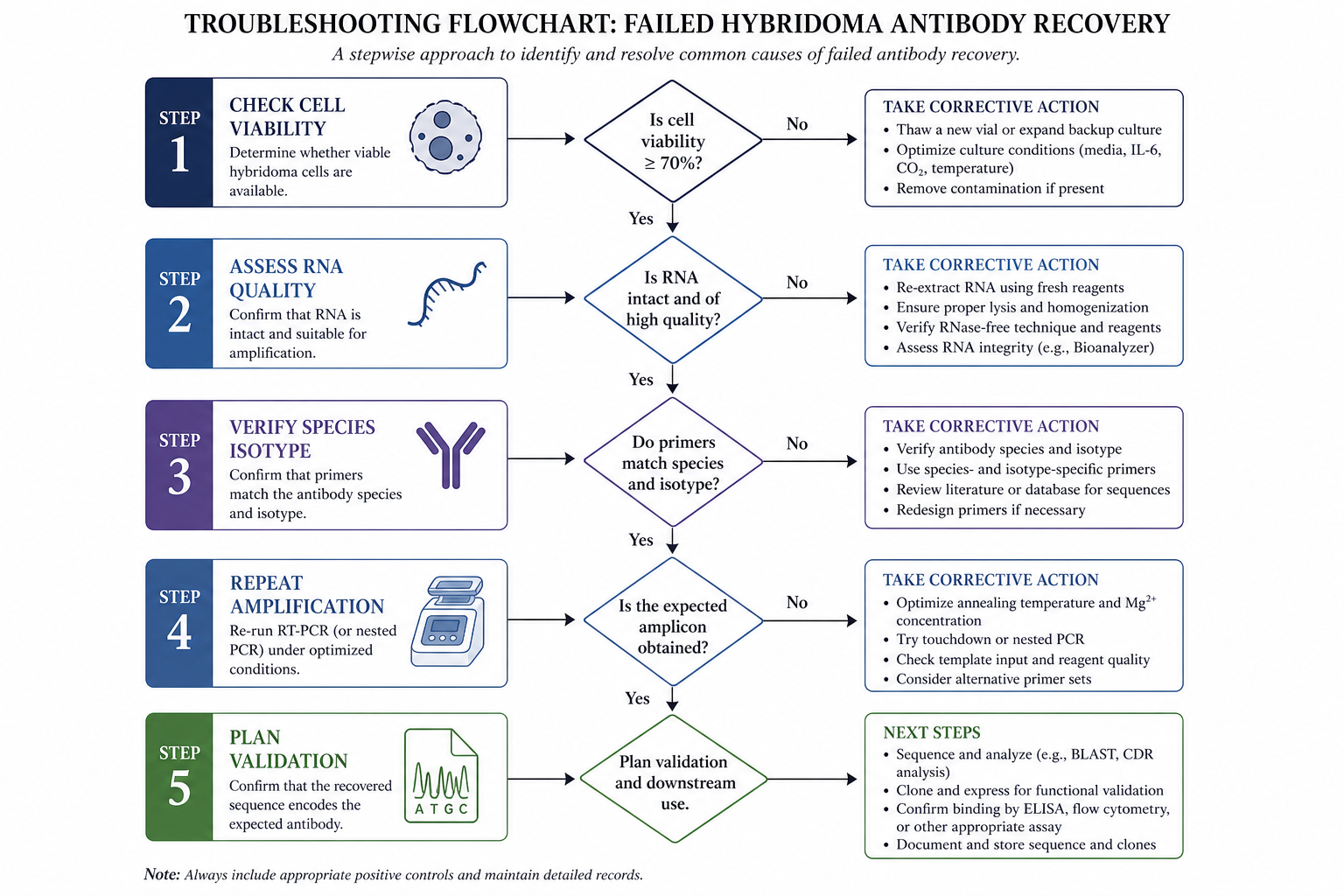
Figure 2. A structured troubleshooting path reduces unnecessary resubmissions and shortens recovery time.
Hybridoma Sample Requirements
Sample quality is often the highest-leverage factor in successful VH/VL recovery.
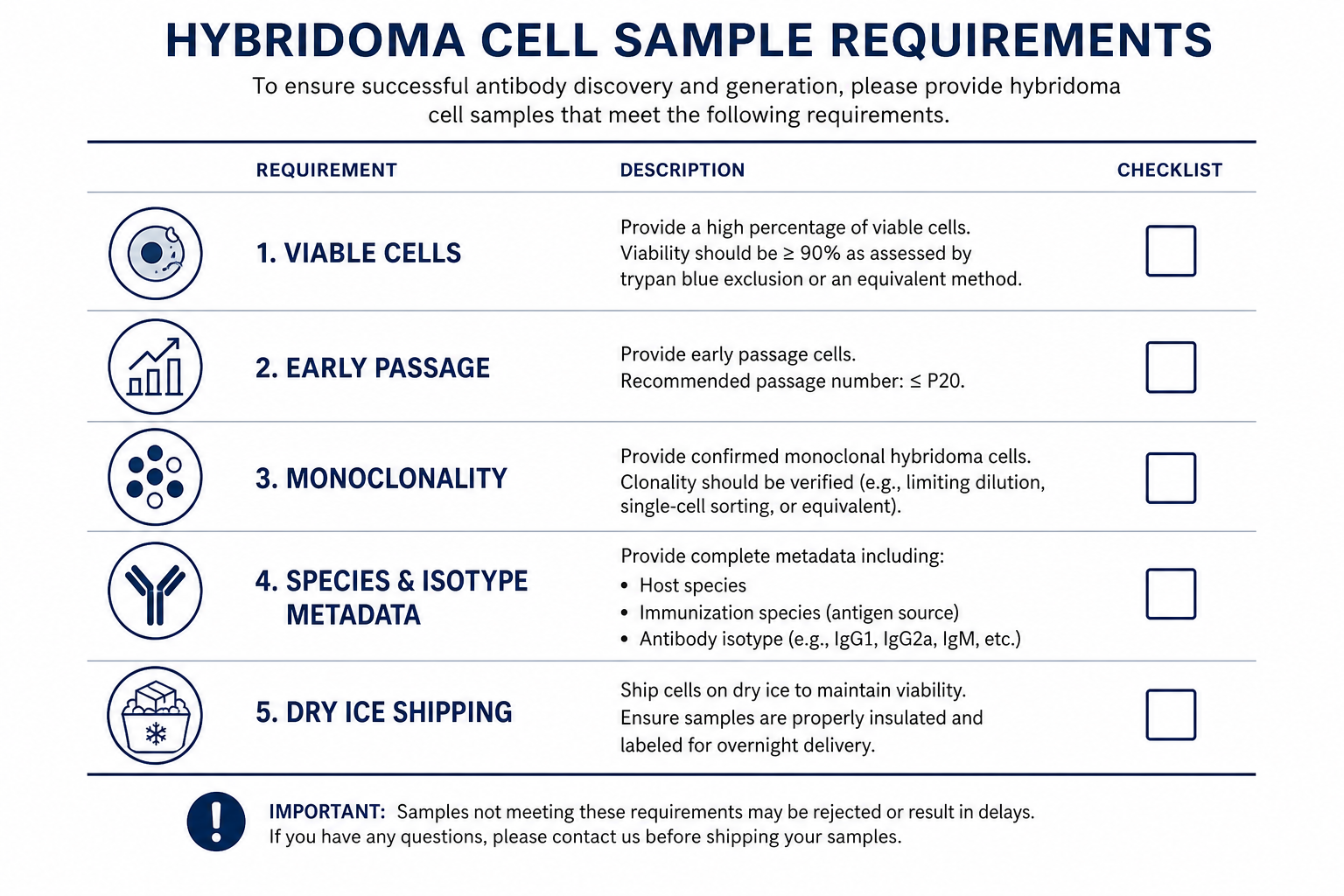
Figure 3. Feasibility review before shipment improves RNA quality and PCR success rates.
For shipping, follow the provider's guidance on viable cell submission, dry ice transport, and metadata requirements. Include species, isotype, passage history, and any known clone background when available.
Early-passage cultures generally yield better RNA than overgrown or repeatedly passaged stocks. If multiple frozen vials exist, prioritize the vial with the lowest passage number and the most recent viability check. When antibody productivity has declined, sequencing may still succeed if cell growth remains robust and RNA integrity is acceptable upon extraction.
Document any prior sequencing attempts, including primer sets used and partial sequence files. This information helps the service team avoid repeating the same failure mode and may support a revised amplification strategy.
When to Escalate to Protein-Level Recovery
If two structured recovery attempts fail and hybridoma viability continues to decline, consider whether purified antibody remains in storage. Legacy supernatants, affinity-purified IgG, or archived ELISA-positive material may support De Novo Antibody Sequencing Service even when cell-based routes are no longer viable.
Protein-level recovery is typically slower and more resource-intensive, but it can preserve project momentum when cell stocks are exhausted. Teams should weigh remaining antibody amount, purity, and documentation requirements before switching routes.
Expected Results and Validation Methods
A successful hybridoma recovery project should deliver more than a partial sequence file. Expected outputs may include:
-
annotated VH and VL sequences
-
CDR and framework annotation
-
raw sequencing reads or electropherograms
-
notes on RNA QC and assembly confidence
-
recommendations for expression validation if needed
Validation options depend on project goal:
-
Recombinant expression and binding assay when the sequence will be used for production
-
Peptide mapping or protein-level sequencing when orthogonal confirmation is required
-
Repeat culture testing when clone stability remains a concern
Key Cautions
Do not assume that antibody binding activity guarantees sequencing success. A hybridoma can produce detectable antibody while cell health or RNA quality is too poor for reliable recovery.
Do not treat ambiguous VH/VL assembly as a clean monoclonal result. Mixed clone evidence should be resolved before expression design.
Do not skip metadata. Species, isotype, and passage history help the sequencing team choose the right amplification strategy.
When resubmitting material, request a brief feasibility note before shipment. A short review of passage number, thaw history, and prior PCR results can prevent another failed cycle and reduce total project cost.
Frequently Asked Questions
1. What are the most common reasons hybridoma sequencing fails?
Low cell viability, degraded RNA, mixed clones, and incorrect species or isotype assumptions account for most failed recovery attempts.
2. Should I resequence the same culture without changes?
Only after reviewing viability, RNA quality, and monoclonality. Repeating the same workflow on poor material rarely improves the outcome.
3. Can a low-productivity hybridoma still be sequenced?
Sometimes, if cell viability and RNA integrity remain acceptable. Feasibility review is recommended.
4. What if only VH or VL is recovered?
Partial recovery may still be useful, but expression design usually requires both chains. Targeted follow-up or alternative material may be needed.
5. Can I switch to protein-level sequencing if cells are unavailable?
Yes. If purified antibody remains available, De Novo Antibody Sequencing Service may be the better route.
6. How can I reduce resubmission delays?
Submit early-passage cells when possible, provide complete metadata, and request feasibility review before shipping.
Conclusion
Failed hybridoma sequencing is often a signal that cell health, RNA quality, or clone stability needs attention before sequence recovery can succeed. By reviewing culture status, RNA integrity, and project metadata before resubmitting material, teams can avoid repeated delays and obtain VH/VL evidence that supports the next experimental decision.
When hybridoma recovery fails or cell material is limited, MtoZ Biolabs can Plan a recovery workflow using Hybridoma Antibody Sequencing Service, PCR Based Antibody Sequencing Service, or protein-level alternatives based on sample availability. Contact the technical team to review culture status and the fastest path to usable antibody sequence data.
How to order?




