






How to Evaluate De Novo Protein Sequencing Services: Cost, Timeline, and Deliverables
Introduction
Once a research team decides that protein-level sequence recovery is necessary, the next challenge is often commercial rather than technical. How much should a de novo protein sequencing project cost? What deliverables justify the expense? Which provider can produce data strong enough for publication, cloning, or QC release? These questions matter because protein-level assembly is typically more resource-intensive than routine database-assisted identification or standard peptide mapping.
Project cost is shaped by more than sample count. A straightforward purified protein with good coverage potential and a difficult unknown protein with low abundance, mixed contamination, or incomplete metadata require very different levels of preparation, LC-MS/MS time, assembly effort, and expert review. The same service name can describe very different scopes of work.
For procurement managers, principal investigators, and quality leaders, the goal is not simply the lowest quote. It is predictable delivery of protein sequence evidence that supports the next decision. If your team is preparing a budget request or vendor comparison, MtoZ Biolabs can provide a scoped quote based on sample type, coverage target, and reporting requirements.
The Core Selection Question
Before comparing prices, define what the project must prove.
-
Is full-length protein sequence recovery required, or is high-confidence partial coverage acceptable?
-
Will the data support publication, internal QC, cloning design, or vendor qualification?
-
Is raw spectral data required for audit or manuscript review?
-
Are modifications, truncations, or sequence variants part of the question?
-
What turnaround time is required for the next project milestone?
A protein sequencing quote without scope clarity is difficult to compare. Two proposals may differ because one includes only basic sequence reporting, while another includes multi-enzyme digestion, repeat LC-MS/MS, expert assembly, coverage mapping, and publication-ready documentation.
Related Services
| Customer Need | Recommended Service Direction |
|---|---|
| Want to confirm purified protein identity | |
| Want to confirm if the N-terminal or C-terminal is correct | / |
| Want to verify recombinant protein sequence coverage | |
| No reliable database sequence | |
| Want to analyze truncation, modification, or processing events |
Cost Structure Breakdown
De novo protein sequencing project cost usually reflects four components: sample handling, analytical method, data interpretation, and delivery format.
1. Sample-Related Costs
Sample complexity often drives the first cost layer. Purified protein with good integrity and sufficient amount is usually the most straightforward case. Gel bands, low-abundance material, mixed samples, or buffers with interfering components may require additional cleanup, repeat preparation, or feasibility testing.
Factors that commonly increase sample-related cost:
-
low protein amount
-
poor purity or visible contamination
-
difficult buffer composition
-
need for additional purification before digestion
-
limited sample volume that prevents repeat analysis
2. Method and Instrument Time
Protein-level sequence recovery typically requires LC-MS/MS analysis with enough depth to generate overlapping peptide evidence across the protein. Multi-enzyme digestion, repeat runs, fractionation, or extended instrument time can increase cost when the protein is large, modified, or low in abundance.
Method-related cost drivers include:
-
protein length and sequence complexity
-
number of protease digests
-
required LC-MS/MS depth and repeat analysis
-
need for additional confirmation experiments
3. Analysis and Expert Review
Unlike routine database searching or reference-based peptide mapping, protein-level de novo assembly often requires manual review of ambiguous spectra, sequence overlap curation, and confidence annotation. This expert time is one of the main reasons de novo protein sequencing is priced differently from standard protein identification.
Analysis-related cost drivers include:
-
assembly complexity across long or repetitive regions
-
ambiguous or low-confidence peptide assignments
-
PTM or variant annotation needs
-
requirement for senior scientist review and sign-off
4. Deliverable and Reporting Requirements
Reporting format can also affect project cost. A basic sequence summary is not equivalent to a publication-ready or QC-ready report with coverage maps, annotated spectra, method description, and raw data delivery.
Delivery-related cost drivers include:
-
report template customization
-
raw spectral file delivery
-
regulatory or QC documentation needs
-
rush turnaround or dedicated project management
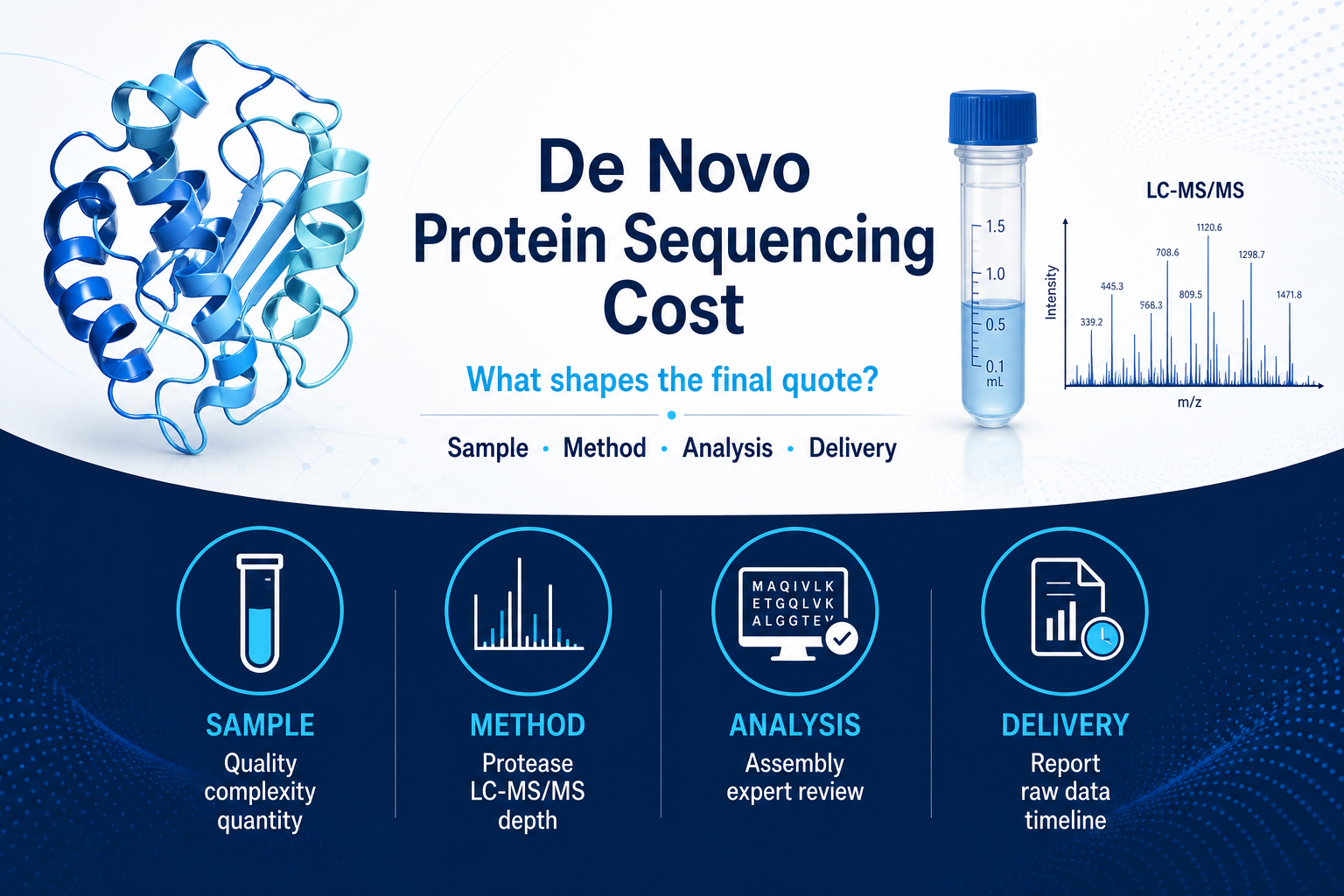
Figure 1. Request an itemized quote that separates sample, method, analysis, and reporting components.
Value Checklist: What a Strong Service Should Include
Price alone is a weak selection criterion. A useful protein sequencing provider should offer clear value across six areas:
-
Feasibility review before sample shipment
-
Transparent sample requirements and QC checkpoints
-
High-resolution LC-MS/MS capability with documented workflow
-
Expert protein-level assembly and confidence annotation
-
Deliverables matched to publication, QC, or development use
-
Responsive project communication and milestone updates
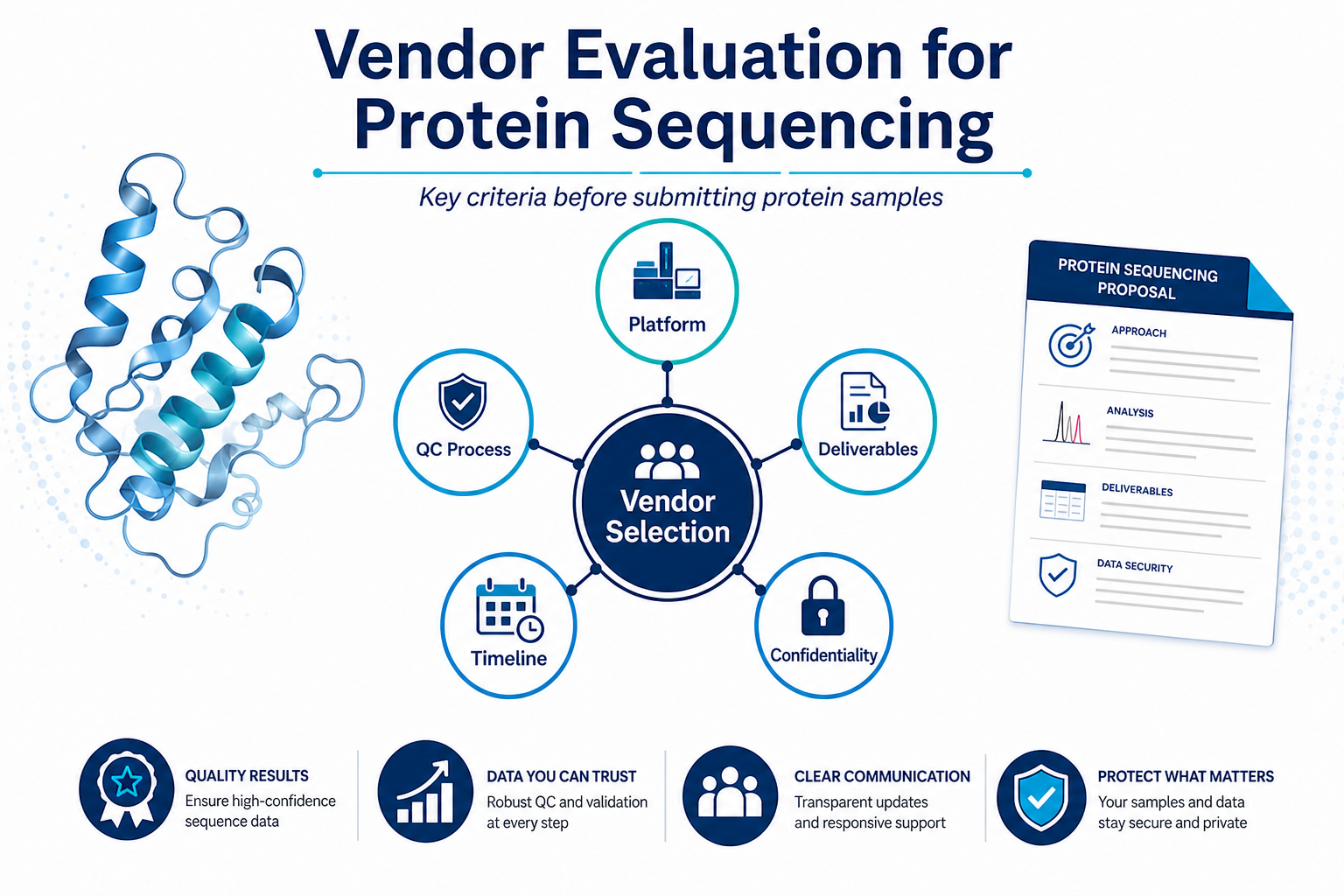
Figure 2. Vendor selection should balance platform capability, QC transparency, and deliverable quality.
Typical Timeline and Budget Planning
Turnaround depends on sample quality, protein size, digestion strategy, and reporting requirements. A straightforward purified protein may move faster than a difficult unknown protein with low sample amount or ambiguous regions.
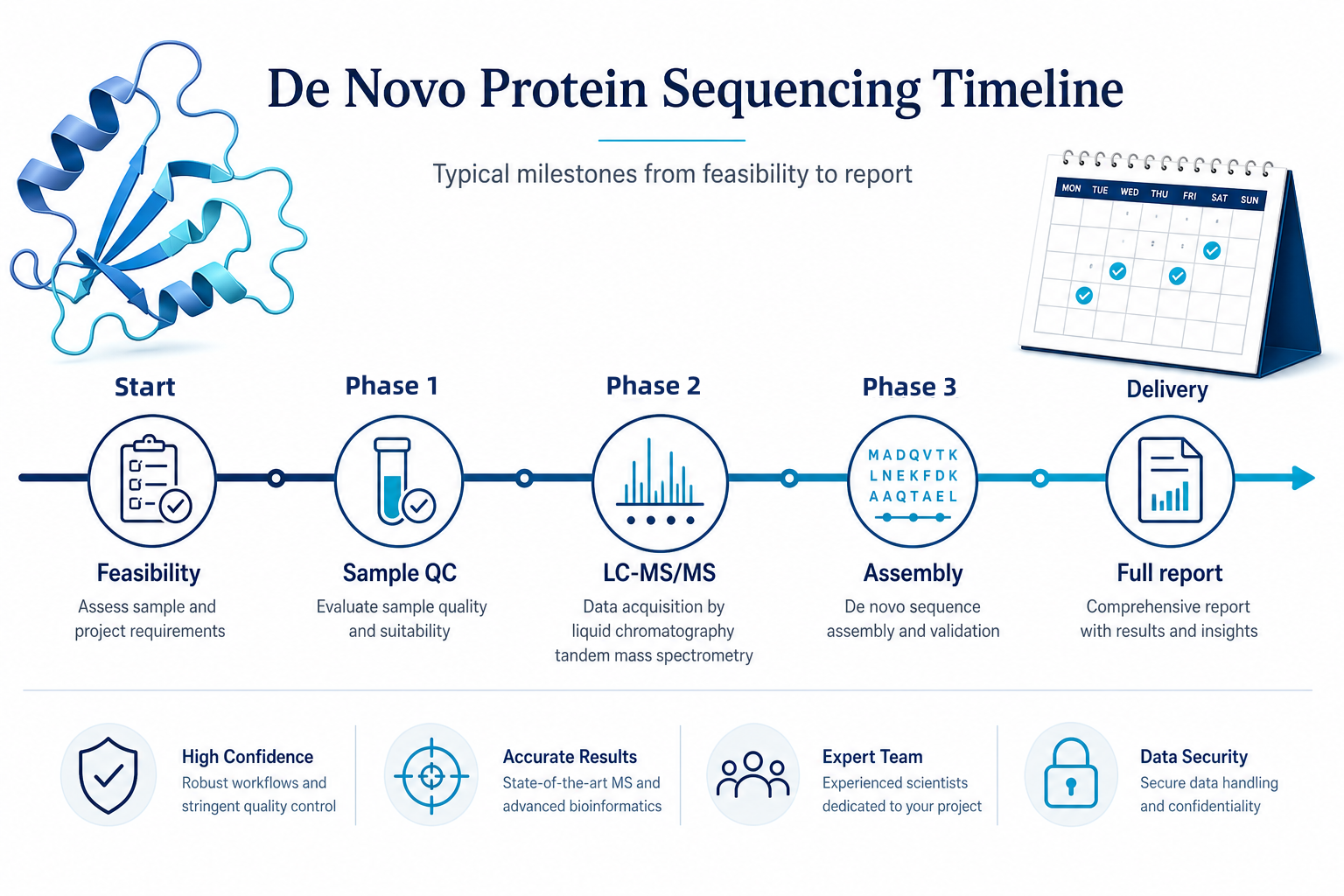
Figure 3. Confirm milestones and delivery expectations before sample shipment to avoid timeline surprises.
Rush services, additional validation, and custom reporting can shorten or extend this schedule. Teams planning around manuscript submission, tech transfer, or batch release should confirm dates before internal deadlines are fixed.
Red Flags to Avoid
When evaluating protein sequencing providers, watch for these warning signs:
-
no feasibility review before sample submission
-
unclear sample requirements or missing QC criteria
-
quotes that do not explain what is included
-
no mention of raw data delivery or coverage evidence
-
promise of "100% full sequence" without sample review
-
no path for follow-up validation or partial coverage reporting
-
poor responsiveness during scoping discussions
Protein-level de novo sequencing is a specialized service. Vague proposals often lead to repeated analysis, missed deadlines, or reports that cannot support the intended use.
When to Add Validation or Related Services
Some projects require more than initial protein sequence recovery. Budget planning should include follow-up work when the decision standard is high.
Consider adding:
1. or for boundary confirmation
once a reference sequence becomes available
3. for biopharmaceutical or QC documentation
when the sample is immunoglobulin rather than a general protein
Validation should be planned during scoping, not treated as an unexpected add-on after the first report.
Frequently Asked Questions
1. Why is de novo protein sequencing more expensive than routine protein identification?
The method requires deeper LC-MS/MS analysis and more expert interpretation because the workflow must assemble protein sequence evidence without relying on a pre-existing database match.
2. Can I reduce cost by submitting less protein?
Not safely in most cases. Insufficient sample can prevent repeat analysis and reduce coverage, which may ultimately increase total cost through rework.
3. Should I ask for raw spectral data?
Yes, if the data will support publication, internal audit, or long-term record keeping. Confirm raw data delivery before project approval.
4. Is the lowest quote the best choice?
Not necessarily. A low quote that excludes QC review, expert assembly, or usable deliverables may cost more when the project must be repeated.
5. Can one provider handle de novo protein sequencing and follow-up confirmation?
Yes. A provider with broader capability can often support protein-level recovery, terminal confirmation, and peptide mapping within one project plan.
Conclusion
Evaluating de novo protein sequencing services requires more than comparing headline prices. Sample complexity, LC-MS/MS depth, expert assembly, deliverable format, and timeline all influence both cost and success. The best provider is the one that can define scope clearly, review feasibility before sample intake, and deliver protein sequence evidence that matches the project's decision standard.
For unknown proteins, recombinant QC, and proprietary sequence work, MtoZ Biolabs provides scoped proposals with milestone planning, QC documentation, and publication-friendly reporting options. Contact the technical team to request a project assessment and receive a quote aligned with sample type, coverage target, and delivery requirements.
How to order?




