






How Much Does Hybridoma Sequencing Cost? Key Factors in Antibody Gene Recovery
Introduction
Researchers evaluating hybridoma sequencing often ask for a single price before hybridoma status, reporting scope, and deliverable needs are clear. That question is understandable. Grant budgets, vendor comparisons, and rescue timelines all depend on cost predictability. However, hybridoma sequencing is rarely a one-size-fits-all service. The final quote depends on cell viability, RNA quality, species and isotype metadata, VH/VL coverage goal, PCR success risk, CDR annotation depth, and the reporting standard required for antibody gene recovery.
A straightforward VH/VL recovery project from a healthy early-passage hybridoma is a different workload from a legacy clone rescue with poor viability, incomplete records, repeat PCR needs, and expression-ready documentation. Treating these projects as equivalent leads to under- budgeting, repeat submissions, or a sequence report that does not support recombinant planning. The better question is not only how much hybridoma sequencing costs, but which workflow factors determine the price and what level of antibody gene recovery evidence the project actually needs.
Related Services
| Service Area | Recommended Service |
| Hybridoma sequencing | Hybridoma Antibody Sequencing Service |
| PCR-based antibody sequencing | PCR Based Antibody Sequencing Service |
| De novo antibody sequencing | De Novo Antibody Sequencing Service |
| Full antibody sequencing | Antibody Sequencing Service |
| IgG sequencing | IgG Antibody Sequencing Service |
| Protein-level confirmation | Peptide Mapping Service |
For projects where hybridoma status, reporting depth, or deliverable format is still undefined, MtoZ Biolabs can review project requirements and provide a project-based quote before sample submission.
Why Quotes Vary Between Projects
Unlike routine PCR sequencing, hybridoma antibody gene recovery often includes feasibility review, RNA quality assessment, species-aware primer strategy, VH/VL assembly, CDR annotation, and report formatting suited to expression or documentation use. These steps add scientific value, but they also make pricing project-specific.
Two hybridoma samples that appear similar in productivity can differ sharply in cost. One may need basic VH/VL recovery from a healthy culture with complete metadata. The other may need repeat RNA extraction, primer optimization, ambiguous region review, germline assignment, raw read delivery, and a report formatted for patent or expression support. Quotes also vary because deliverables differ. Some projects need annotated variable-region sequences only. Others need QC notes, trace files, and a documented validation path for downstream cloning.
A lower-cost option that excludes annotation or feasibility review may be appropriate for exploratory archiving. A higher-cost option with expert review is often necessary for recombinant expression design, hybridoma rescue, or documentation with a higher evidence standard.
Core Cost Components in Antibody Gene Recovery
A useful quote comparison should break the workflow into visible components rather than treating the service as a single line item. Each stage below contributes differently to the final quote, so comparing vendors requires matching not only hybridoma type but also which workflow steps are included.
| Workflow Stage | What It Covers | Why It Affects Cost |
| Feasibility review | Cell status, metadata, monoclonality, and reporting goal | Prevents mismatched scope before work begins |
| Cell handling and RNA prep | Culture recovery, extraction, and RNA QC | Low viability or limited material may need repeat processing |
| PCR and sequencing reads | VH/VL amplification and Sanger or NGS read generation | Primer optimization or repeat runs increase effort |
| Assembly and annotation | VH/VL contig building, CDR assignment, germline review | Expert annotation is a major value driver |
| Validation support | Repeat amplification, orthogonal planning, ambiguity review | Higher confidence reporting increases scope |
| Report delivery | Annotated files, raw reads, QC notes, expression-ready formatting | Documentation use needs more deliverable depth |
These components explain why two vendors may quote very different prices for what appears to be the same hybridoma sequencing request.
Key Factors That Shape the Workflow and Price
Five variables account for most quote differences in hybridoma sequencing projects. Cell status and RNA quality usually set the preparation burden. Coverage scope and annotation depth define the scientific deliverable. Reporting level and turnaround determine how much review, formatting, and project management are included in the final quote.
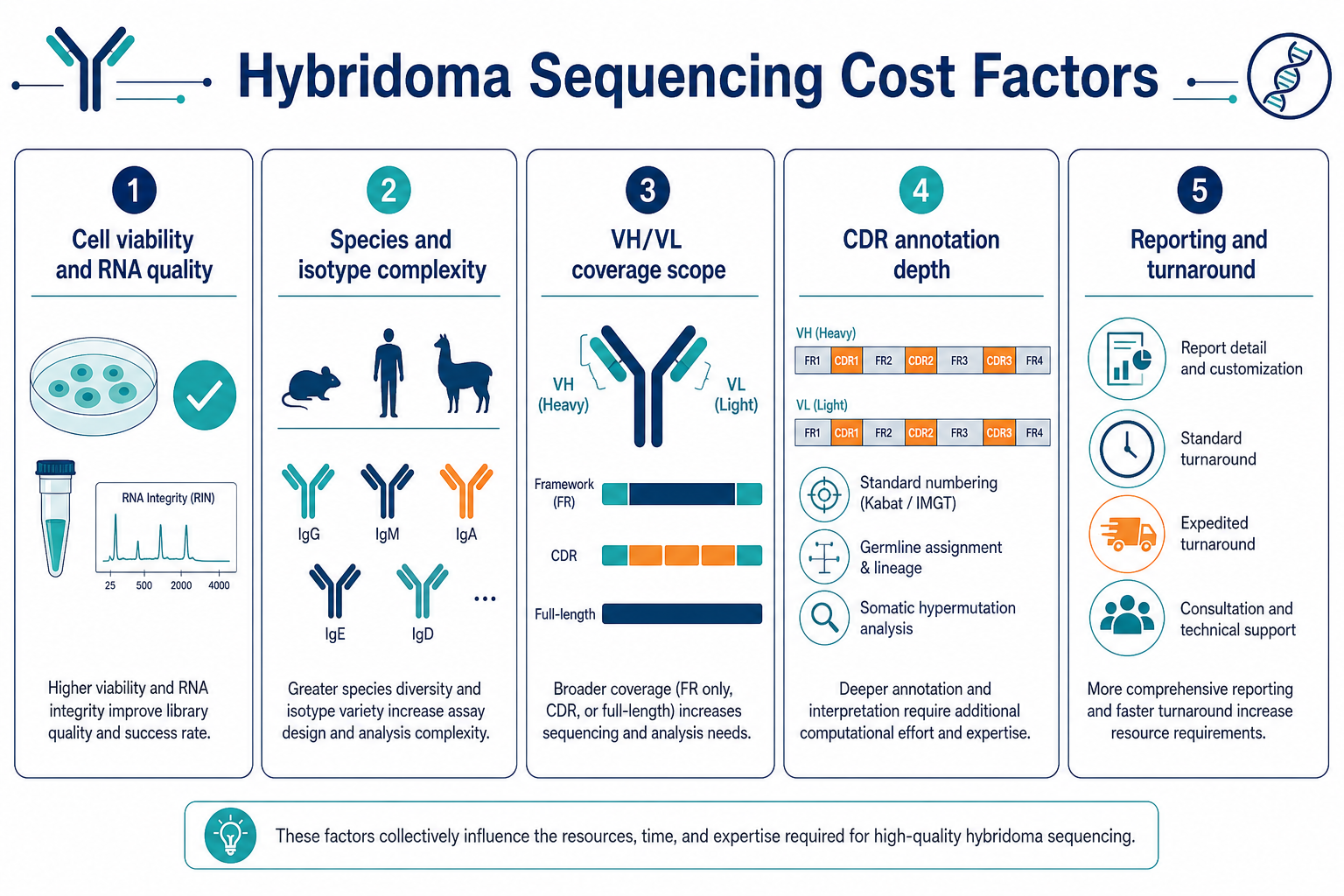
Figure 1. Hybridoma sequencing cost is shaped by cell viability, metadata quality, VH/VL scope, CDR annotation depth, and reporting requirements.
1. Cell Viability and Hybridoma Condition
Healthy low-passage hybridoma cultures are usually the most straightforward case. Overgrown, repeatedly passaged, or poorly recovered cultures may require expansion, repeat extraction, or additional feasibility testing before reliable VH/VL recovery is possible.
2. RNA Quality and Sample Input
RNA integrity strongly affects amplification success. Degraded RNA, delayed processing, limited cell number, or difficult shipping conditions can increase rework risk and total project effort.
3. Species, Isotype, and Metadata Completeness
Primer design and interpretation depend on accurate species and isotype information. Incomplete legacy records can lead to primer optimization, repeat PCR, or extra review time.
4. VH/VL Coverage Scope
Many projects require variable-region recovery only. Others need broader chain coverage, additional formatting, or more detailed reporting. Scope expansion usually increases both analysis and documentation effort.
5. CDR Annotation and Reporting Depth
Basic sequence output is not equivalent to annotated VH/VL files with CDR boundaries, germline assignment, QC notes, and raw read delivery. Higher reporting standards typically increase project scope.
6. Turnaround and Rework Risk
Rush requests, repeat submissions, and rescuing poorly planned experiments can increase total expense more than an appropriately scoped first attempt. Upfront feasibility review often reduces rework cost.
How Project Scope Changes the Budget
Project scope is the practical bridge between scientific need and price. A narrow scope can keep costs controlled. A broader scope may be necessary, but it should be chosen deliberately.
| Project Tier | Typical Deliverable | Relative Cost Drivers |
| Basic VH/VL recovery | Variable-region sequences with essential QC notes | Lower prep and annotation burden when cells are healthy |
| Annotated CDR reporting | VH/VL sequences with CDR and framework annotation | Moderate assembly, review, and reporting effort |
| Expression-ready documentation package | Annotated sequences, raw reads, QC summary, and formatting for cloning or filing use | Higher review, deliverable formatting, and project management |
Researchers should define scope before comparing vendor quotes. A quote based on basic VH/VL recovery is not comparable to a quote based on a full documentation package with raw read delivery and expression support.
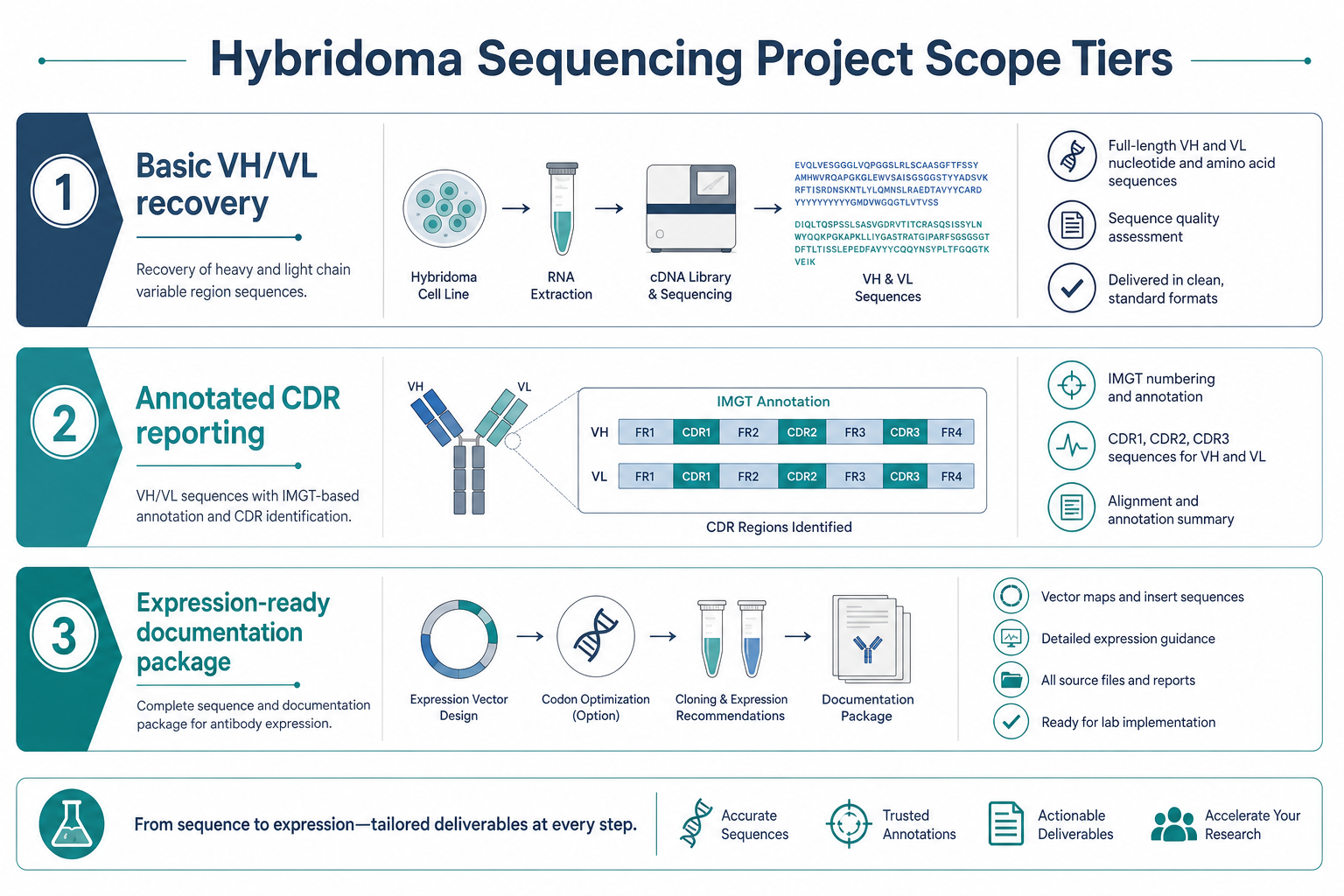
Figure 2. Project tier selection should match the downstream use of the recovered antibody gene sequence.
What You Are Paying For in a Quality Service
Price should be evaluated together with deliverable quality. A lower quote may exclude steps that matter for the final decision. A higher quote may reflect real value if it includes hybridoma feasibility review, optimized PCR recovery, expert VH/VL assembly, CDR annotation, and a report that can be used downstream.
A strong hybridoma sequencing service typically provides:
-
project scoping before sample submission
-
hybridoma status and metadata review
-
documented RNA and PCR workflow
-
expert VH/VL assembly and CDR annotation
-
clear reporting of ambiguous or unsupported regions
-
practical recommendations for validation or fallback routes
These elements reduce the risk of paying twice because the first recovery attempt did not produce usable antibody gene sequence evidence.
Hidden Cost Risks to Avoid
Common hidden cost risks include:
-
submitting stressed or low-viability cultures without feasibility review
-
providing incomplete species, isotype, or clone background information
-
requesting expression-ready reporting after scoping only basic VH/VL recovery
-
skipping backup planning when hybridoma material is limited
-
comparing quotes without matching deliverable scope
-
delaying validation planning until ambiguous CDR regions appear
-
choosing the lowest quote when annotation and QC review are excluded
Planning the reporting goal and fallback route before sample submission often saves both money and calendar time.
How to Request a Useful Quote
Use the following questions to prepare a quote request that leads to an accurate project estimate:
1. What exact VH/VL deliverable must be provided?
2. Are viable hybridoma cells, RNA, or cDNA being submitted?
3. What is the cell passage history, viability, and monoclonality status?
4. Are species, isotype, and clone metadata complete?
5. Is CDR annotation, germline assignment, or raw read delivery required?
6. Will the result support clone backup, expression design, publication, or patent documentation?
7. Is a protein-level fallback route needed if cell recovery fails?
A quote based on these answers is far more reliable than a generic per-sample price.
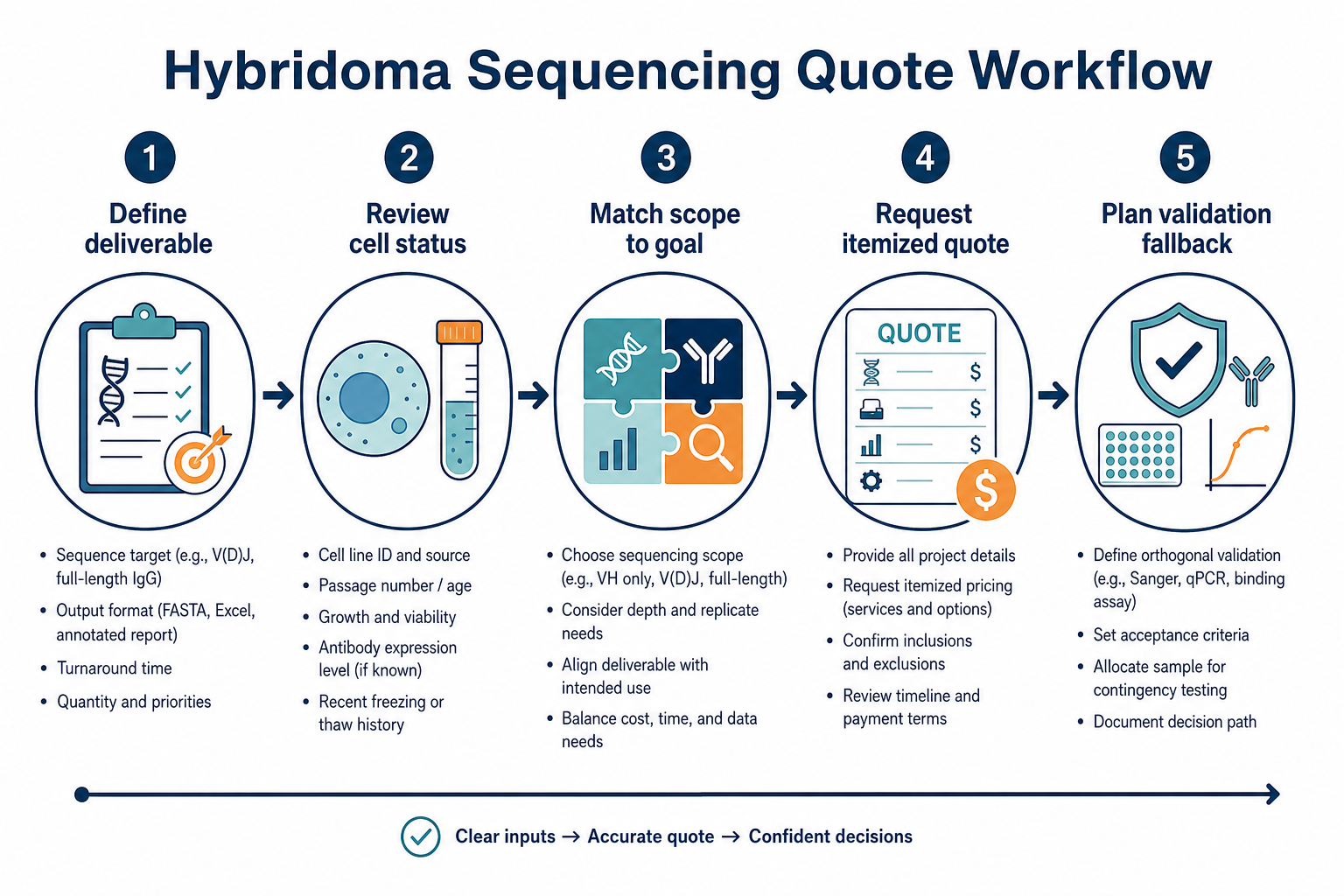
Figure 3. A useful quote request begins with deliverable definition, cell status review, and scope alignment before vendor comparison.
Decision Guide by Project Goal
Matching scope to project goal prevents both underfunding and unnecessary overspending.
| Project Goal | Recommended Scope | Cost Control Tip |
| Early clone archiving | Basic VH/VL recovery with essential QC notes | Use healthy low-passage material and complete metadata |
| Hybridoma rescue | Annotated VH/VL with CDR boundaries | Request feasibility review before shipment |
| Recombinant expression planning | Expression-ready annotated sequences | Define formatting needs during scoping |
| Patent or publication support | Higher reporting depth with raw read delivery | Scope documentation requirements upfront |
| Legacy clone with poor records | Feasibility-first recovery plan | Budget for repeat PCR or fallback review |
If hybridoma cells are uncertain but purified antibody remains available, budget discussions should also include whether antibody protein sequencing may become the fallback route.
Frequently Asked Questions
1. Is there a standard price for hybridoma sequencing?
No. Pricing is usually project-based because cell status, RNA quality, annotation depth, and reporting requirements vary widely.
2. What usually increases hybridoma sequencing cost the most?
Cell condition, rework risk, and reporting depth are common drivers. Legacy clones with poor viability or projects requiring expression-ready documentation typically cost more than straightforward VH/VL recovery from healthy cultures.
3. Can I reduce cost by submitting fewer cells?
Not safely in most cases. Insufficient material can prevent repeat extraction or amplification and increase total cost through rework.
4. Why do vendor quotes differ so much?
Quotes may reflect different deliverables. One proposal may include only basic sequence output, while another includes feasibility review, CDR annotation, raw read delivery, and validation planning.
5. How can researchers reduce rework cost?
Submit feasibility-ready material, define the deliverable early, provide complete metadata, and choose reporting depth matched to the decision the project must support.
Conclusion
Hybridoma sequencing cost is shaped by cell viability, RNA quality, species and isotype complexity, VH/VL coverage scope, CDR annotation depth, and reporting requirements. Projects that need only basic variable-region recovery are usually less complex than legacy clone rescue with expression-ready documentation and raw read delivery. The most reliable way to control budget is to define the scientific deliverable before comparing quotes and to match the workflow to the antibody gene recovery decision the project must support. Researchers planning hybridoma sequencing for clone backup, rescue, or recombinant redevelopment can contact MtoZ Biolabs to review hybridoma status, scope the workflow, and request a project-based quote aligned with the required level of VH/VL evidence.
How to order?




