






How Much Does Edman Sequencing Cost? Factors That Influence Cycle Number and Sample Preparation
Introduction
Researchers evaluating Edman sequencing often ask for a single price before cycle count, sample format, and reporting needs are defined. That question is understandable. Grant budgets, vendor comparisons, and QC timelines all depend on cost predictability. However, Edman sequencing is rarely a one-size-fits-all service. The final quote depends on requested cycle number, sample purity, presentation format, N-terminal accessibility, pretreatment needs, and the reporting standard required for the project.
A three-cycle confirmation on clean synthetic peptide is a different workload from a fifteen-cycle read on legacy recombinant protein with suspected N-terminal modification and documentation- grade reporting. Treating these projects as equivalent leads to under-budgeting, repeat runs, or a report that does not support the intended QC decision. The better question is not only how much Edman sequencing costs, but how cycle number and sample preparation shape the workflow and the quote.
Related Services
| Service Area | Recommended Service |
| Edman degradation sequencing | Protein Sequencing Service by Edman Degradation |
| N-terminal sequencing | N-Terminal Sequencing Service |
| Edman-based N-terminal analysis | Edman Degradation for N-Terminal Sequence Analysis Service |
| Blocked N-terminus handling | N-Terminal Sequencing (N-Terminal Unblocked) Service |
| MS-based N-terminal confirmation | MS-Based Protein N-Terminal Sequence Analysis Service |
| Biopharmaceutical N-terminal QC | Biopharmaceutical N-Terminal Sequencing Service |
For projects where cycle count, sample preparation, or reporting depth is still undefined, MtoZ Biolabs can review project requirements and provide a project-based quote before sample submission.
Why Quotes Vary Between Projects
Unlike a generic per-sample label, Edman sequencing often includes feasibility review, sample handling, cycle-by-cycle chemistry, PTH identification, signal review, and report formatting suited to QC or documentation use. These steps add scientific value, but they also make pricing project- specific.
Two N-terminal projects that appear similar can differ sharply in cost. One may need three cycles on a clean liquid peptide with a free N-terminus. The other may need additional purification, PVDF transfer optimization, pretreatment for a blocked terminus, ten or more cycles, and a formal report with chromatogram summaries and reference comparison. Quotes also vary because deliverables differ. Some projects need a short residue list. Others need full cycle data, confidence notes, and documentation support for release or filing review.
A lower-cost option that excludes feasibility review may be appropriate for exploratory checks. A higher-cost option with pretreatment, repeat analysis, or formal reporting is often necessary for biopharmaceutical QC or regulated documentation.
Core Cost Components in Edman Sequencing
A useful quote comparison should break the workflow into visible components rather than treating the service as a single line item.
| Workflow Stage | What It Covers | Why It Affects Cost |
| Feasibility review | Sample format, purity, blocking risk, and cycle target | Prevents mismatched scope before work begins |
| Sample preparation | Purification, buffer cleanup, PVDF transfer, or fraction handling | Complex or low-purity samples need more prep effort |
| Pretreatment if needed | Blocked N-terminus handling before standard cycles | Adds chemistry and review beyond routine Edman |
| Edman cycles | Number of degradation and PTH identification cycles | More cycles increase chemistry and analysis time |
| Data review | Residue assignment and weak-cycle assessment | Longer reads and ambiguous cycles need more review |
| Validation support | Repeat run, reference comparison, or orthogonal planning | Higher-confidence reporting increases scope |
| Report delivery | Sequence output, cycle data, and QC notes | Documentation use needs more deliverable depth |
These components explain why two vendors may quote very different prices for what appears to be the same Edman sequencing request.
The Two Main Cost Drivers Named in the Title
Most Edman quote differences can be grouped into cycle number and sample preparation.
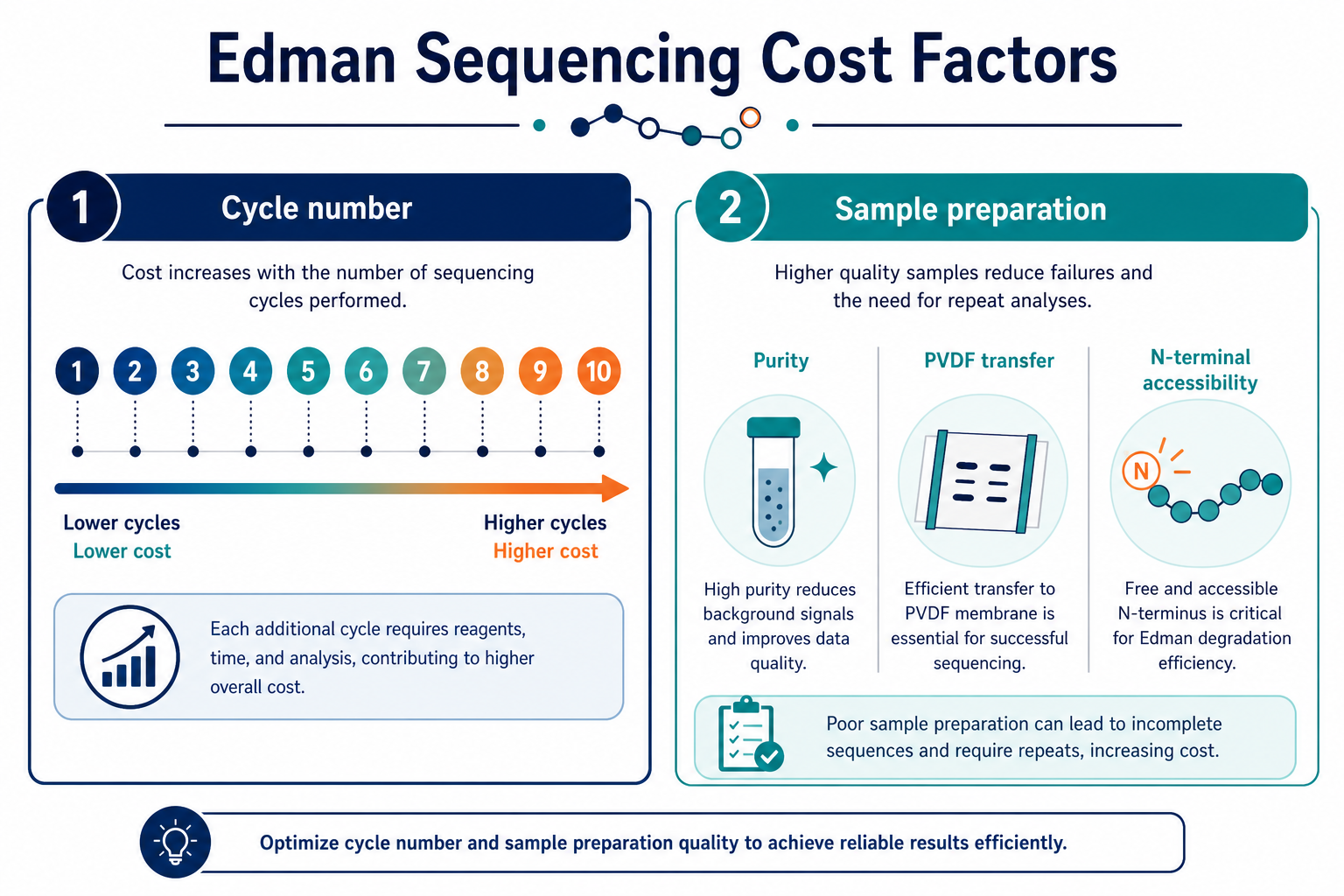
Figure 1. Edman sequencing cost is shaped mainly by requested cycle number and the quality of sample preparation.
1. How Cycle Number Influences Cost
Cycle count is often the most visible pricing variable because each Edman cycle adds chemistry, instrument time, and data review. A one- to two-cycle residue check is a different scope from a ten- to fifteen-cycle extended N-terminal read.
Factors that affect how many cycles are realistic include:
-
the number of residues required for the QC decision
-
early-cycle signal strength
-
normal signal fade in later cycles
-
whether the project can accept partial readout with documented fade
-
whether repeat sequencing must be budgeted because sample load was borderline
Requesting more cycles does not automatically produce more useful information if the sample cannot support a longer read. Cost control begins by matching cycle number to the actual decision need.
2. How Sample Preparation Influences Cost
Sample preparation often determines whether the requested cycles can succeed at all. Clean, well-loaded material with a free N-terminus usually supports the most efficient Edman run. Poor preparation can force repeat submissions, pretreatment, or method switching.
Preparation-related cost drivers include:
-
protein or peptide purity
-
sample amount and load on PVDF or sequencer support
-
buffer compatibility and cleanup needs
-
PVDF transfer quality for gel-based samples
-
N-terminal blocking risk from acetylation, pyroglutamate, or other modifications
-
need for additional purification before sequencing
Strong preparation reduces rework cost more effectively than simply increasing cycle count on a weak sample.
How Cycle Count Maps to Project Scope
Cycle number should be defined by the N-terminal question, not by habit.
| Project Need | Typical Cycle Range | Relative Cost Driver |
| Confirm first residue only | 1 to 2 cycles | Lowest chemistry and review burden |
| Short QC confirmation | 3 to 5 cycles | Common for peptide release or start- site checks |
| Extended N-terminal read | 6 to 15 cycles | Higher cycle burden and stronger prep requirement |
| Documentation-heavy biopharm package | Defined by SOP | May include reference comparison and repeat review |
Researchers should define the minimum read length required for the decision. A project priced for three cycles should not be expected to deliver the same evidence standard as a long-read documentation package without a scope change.
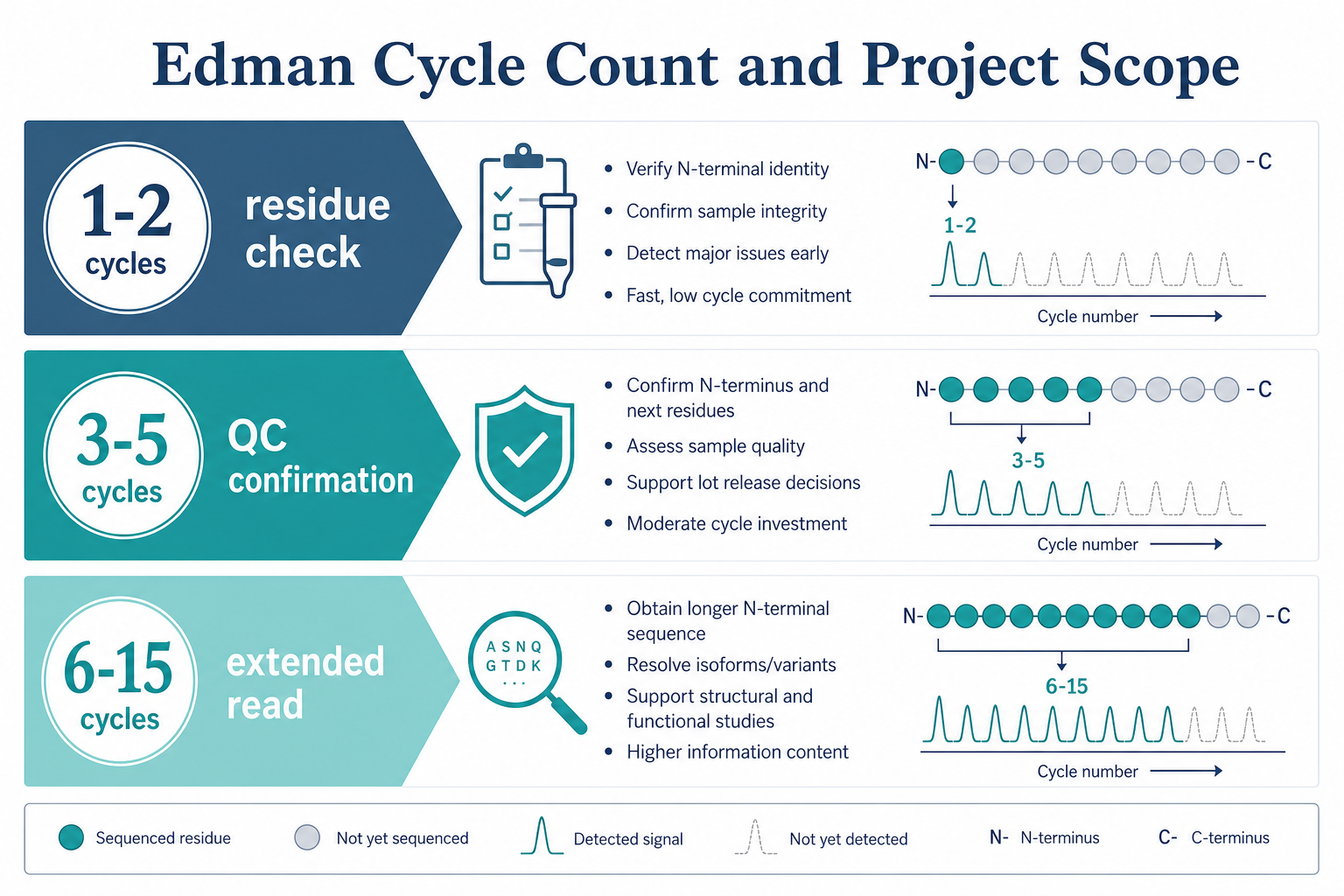
Figure 2. Cycle count should match the N-terminal decision, not exceed what sample chemistry can support.
How Sample Type Affects Preparation Effort
The table below links common sample types to preparation considerations that influence total project scope.
| Sample Type | Typical Preparation Focus | Common Cost Risk |
| Synthetic peptide | Purity and free N-terminus | Low if peptide quality is high |
| Liquid purified recombinant protein | Buffer cleanup and amount | Moderate if salts or low load are issues |
| HPLC fraction | Fraction purity and timely handling | Moderate if overlapping peaks remain |
| PVDF band from gel | Band excision and transfer quality | Higher if transfer or washing is poor |
| Legacy biologic material | Cleanup and blocking assessment | Higher due to prep and review needs |
This table supports budgeting discussions but does not replace sample-specific feasibility review.
What You Are Paying For in a Quality Service
Price should be evaluated together with deliverable quality. A lower quote may exclude steps that matter for the final decision. A higher quote may reflect real value if it includes feasibility review, optimized sample handling, realistic cycle planning, signal review, and a report usable for QC or documentation.
A strong Edman sequencing service typically provides:
-
project scoping before sample submission
-
feedback on purity, format, and cycle feasibility
-
realistic cycle planning based on sample chemistry
-
manual review of weak or ambiguous cycles
-
clear reporting of unsupported or low-confidence residues
-
practical recommendations for repeat analysis or MS-based follow-up
These elements reduce the risk of paying twice because the first run did not produce usable N- terminal evidence.
Hidden Cost Risks to Avoid
Common hidden cost risks include:
-
requesting many cycles without enough sample load
-
submitting impure material while expecting a long clean read
-
choosing Edman chemistry when the N-terminus is likely blocked
-
comparing quotes without matching cycle count and report depth
-
skipping feasibility review to save time upfront
-
using the only sample aliquot before preparation is optimized
-
treating a failed cycle-one result as a cycle-count problem rather than a prep or blocking issue
Planning cycle number and sample preparation together often saves both money and calendar time.
How to Request a Useful Quote
Use the following questions to prepare a quote request that leads to an accurate project estimate:
1. How many N-terminal residues must be confirmed for the decision?
2. What is the sample type and presentation format?
3. What is the estimated purity and available amount?
4. Is the N-terminus expected to be free or blocked?
5. Has prior Edman or MS analysis already been attempted?
6. What reporting depth is required for the final use?
7. Is repeat analysis or orthogonal confirmation likely to be needed?
A quote based on these answers is far more reliable than a generic per-sample price.
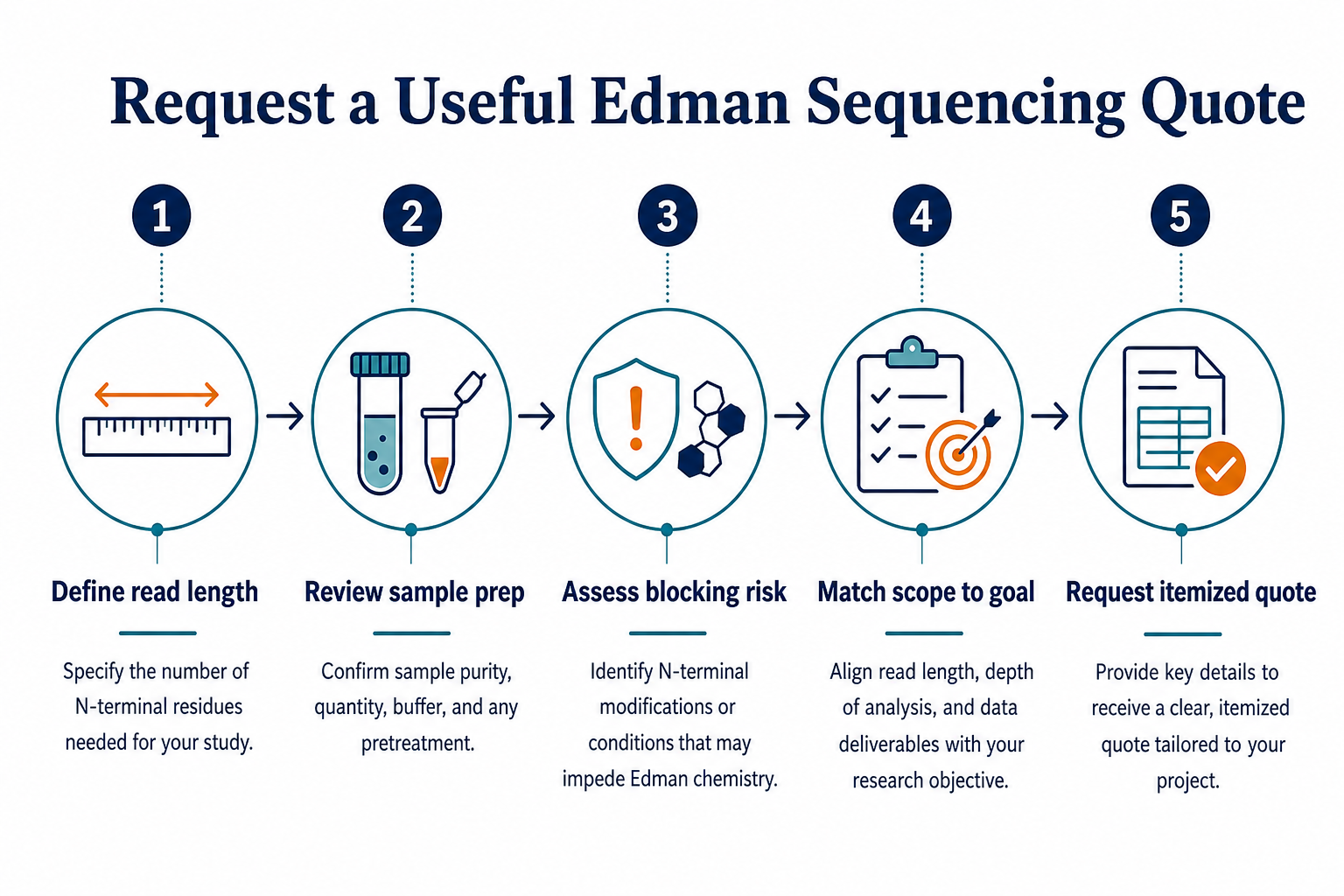
Figure 3. A useful quote request begins with read-length definition, sample preparation review, and scope alignment before vendor comparison.
Decision Guide by Project Goal
Matching scope to project goal prevents both underfunding and unnecessary overspending.
| Project Goal | Recommended Cycle Emphasis | Preparation Tip |
| Peptide release check | 3 to 5 cycles | Submit high-purity peptide with free N-terminus |
| Recombinant start- site QC | 3 to 7 cycles | Confirm mature N-terminus accessibility before shipment |
| Internal feasibility read | Short cycle target | Use cleanest available fraction |
| Biopharmaceutical documentation | SOP-defined cycle count | Budget for formal reporting and possible repeat review |
| Rescue after failed prior run | Reassess prep before adding cycles | Fix purity, load, or blocking issue first |
If preparation quality cannot support the requested cycle number, the project may need cleanup, pretreatment, or an alternative N-terminal workflow rather than more cycles alone.
Frequently Asked Questions
1. Is there a standard price for Edman sequencing?
No. Pricing is usually project-based because cycle number, sample preparation, pretreatment needs, and reporting requirements vary widely.
2. What usually increases Edman sequencing cost the most?
Requested cycle number and sample preparation burden are common drivers. Long reads on difficult or low-purity material typically cost more than short reads on clean accessible samples.
3. Does requesting more cycles always increase value?
Not necessarily. Additional cycles only add value when early-cycle signal supports a longer read. Weak preparation or a blocked N-terminus may make extra cycles uninformative.
4. Why do vendor quotes differ so much?
Quotes may reflect different deliverables. One proposal may include only a short residue list, while another includes feasibility review, pretreatment, extended cycles, and formal QC reporting.
5. How can researchers reduce rework cost?
Define the minimum required read length, improve sample purity and load, assess N-terminal accessibility early, and request feasibility review before the final run.
Conclusion
Edman sequencing cost is shaped by cycle number, sample preparation, N-terminal accessibility, pretreatment needs, and reporting requirements. Short reads on clean accessible material are usually less complex than long reads on legacy or low-purity samples with documentation-grade reporting needs. The most reliable way to control budget is to define the N-terminal decision first, prepare the sample deliberately, and match cycle count to what the material can realistically support. Researchers planning Edman sequencing for peptide release, recombinant QC, or biopharmaceutical documentation can contact MtoZ Biolabs to review sample readiness, scope cycle number, and request a project-based quote aligned with the required N-terminal evidence.
How to order?




