






Exosome Proteomics Sample Preparation and LC-MS/MS Compatibility
Exosome proteomics sample preparation should begin with the material that is actually available at the start of the project. The main questions are whether exosome isolation is still required, whether sufficient usable material will remain for the planned analysis, whether the current preparation is compatible with protein extraction and LC-MS/MS, and whether samples intended for comparison have been handled consistently. These preparation decisions connect directly with the broader choices in quantitative strategy, data interpretation, and study planning described in Exosome Proteomics: A Practical Guide for Protein Analysis Studies.
Start with the Actual Sample State
Exosome proteomics projects do not all enter the analytical workflow at the same point. Some start with plasma, serum, urine, cerebrospinal fluid, or cell culture-conditioned medium and still require exosome isolation or enrichment. Others begin with pre-isolated exosome-enriched preparations, extracted proteins, or prepared peptides. What needs to happen before LC-MS/MS depends on which preparation steps have already been completed.
|
Starting Material |
Main Preparation Question |
|
Plasma or serum |
Does EV separation or enrichment still need to be performed, and how should the protein-rich background be considered? |
|
Urine |
Is sufficient starting material available, and has sample handling preserved material suitable for EV preparation? |
|
Cerebrospinal fluid |
Is the limited available input sufficient for the planned preparation and proteomic workflow? |
|
Cell culture-conditioned medium |
How were cells, debris, medium components, and other background materials handled before EV preparation? |
|
Pre-isolated EV or exosome preparation |
How was the material obtained, what condition is it currently in, and can it proceed to protein extraction? |
|
Protein lysate or prepared peptides |
Are the protein or peptide amount, concentration, and chemical composition compatible with downstream LC-MS/MS? |
The sample label alone does not define its analytical state. Two preparations both described as “exosome samples” may differ in biological source, separation history, storage, buffer composition, and the amount of material available for downstream processing. Defining the current state first helps determine whether isolation is still required, whether protein-level processing can begin, or whether additional information about the preparation is needed.
How Much Starting Material Is Needed?
Starting-material requirements depend on sample source and on what needs to be completed before proteomic analysis. The amount required for quantitative proteomics alone may differ from the amount required when the same project also includes particle characterization, morphology assessment, or marker analysis.
For current MtoZ Biolabs projects, the following sample amounts are used as planning references:
|
Sample Type |
Quantitative Proteomics |
EV Characterization Package |
|
Cell culture-conditioned medium |
50 mL |
50–100 mL |
|
Plasma or serum |
1 mL |
3 mL |
|
Urine |
50 mL |
50–100 mL |
|
Cerebrospinal fluid |
2 mL |
5 mL |
|
Pre-isolated EVs or exosome preparations |
Project-specific evaluation |
Project-specific evaluation |
For pre-isolated material, feasibility cannot be judged from original sample volume alone. The available preparation needs to be considered together with protein yield, preparation quality, buffer composition, sample number, and the intended analytical workflow.
Sample demand also follows the analytical scope. Material that is adequate for quantitative proteomics alone may become limiting if the same preparation must also support particle, morphology, or marker characterization. Starting amount is therefore best treated as a planning variable linked to the intended measurements rather than as a stand-alone measure of sample readiness.
Assess Pre-Isolated Preparations by Their Processing History
A pre-isolated preparation may be able to proceed to proteomics, but isolation status alone does not establish LC-MS/MS readiness. The biological source, isolation or enrichment method, purification or concentration steps, current buffer, storage conditions, remaining material, and available characterization information determine what downstream preparation is still required.
Processing history also provides context for later interpretation. A preparation generated through one isolation route should not automatically be treated as analytically equivalent to material produced through a substantially different route. Knowing how the sample was generated helps determine whether additional cleanup or protein processing is needed and whether submitted preparations can reasonably be treated as comparable.
For samples submitted as isolated exosome preparations, routine enrichment alone does not establish the origin of every component in the preparation. When exosome-specific evidence is limited, proteomic findings are more appropriately interpreted in the context of the analyzed preparation rather than assuming that every subsequently detected protein is exclusively exosome-derived.
If isolation history raises questions about protein recovery, co-isolated background, or differences in the measured proteome, the effects of these upstream procedures are discussed in How Exosome Isolation and Purification Affect Proteomics Results.
Protein Extraction and LC-MS/MS Compatibility
Exosome isolation and proteomic sample preparation are separate stages. Isolation or enrichment produces a vesicle-containing preparation from the original biological matrix, whereas LC-MS/MS requires proteins from that preparation to be converted into analyzable peptides. For a pre-isolated exosome preparation, additional isolation or enrichment may no longer be needed, but protein extraction, cleanup, reduction and alkylation where appropriate, proteolytic digestion, and peptide preparation may still be required. If proteins or peptides have already been prepared, the decision shifts from isolation status to chemical and analytical compatibility.
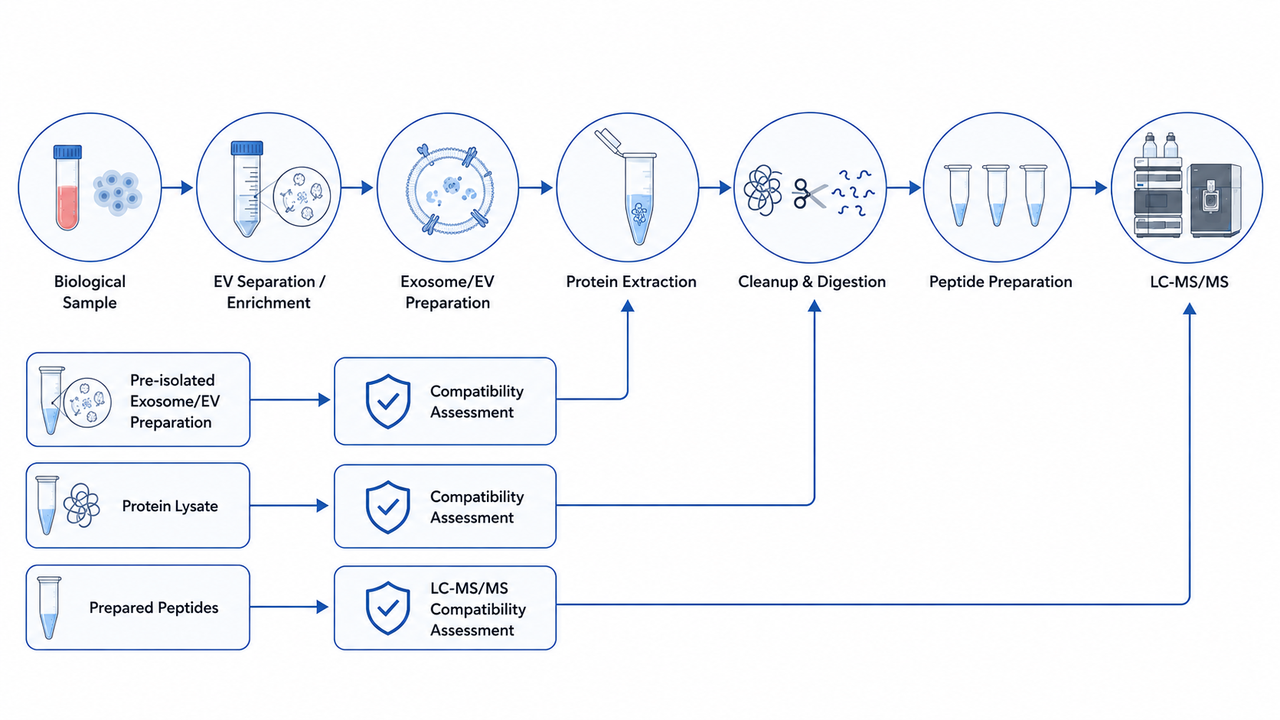
Figure 1. Sample Preparation Stages From Exosome Isolation or Enrichment to LC-MS/MS Analysis
Protein extraction influences both the amount of recovered material and which proteins become represented in the downstream peptide mixture. The objective is not simply to maximize total protein yield, but to recover protein material in a form that remains compatible with digestion and LC-MS/MS while preserving a useful representation of the preparation being analyzed.
Chemical composition is part of the same assessment. Salts, detergents or surfactants, preservatives, polymers, and other components introduced during isolation, storage, lysis, or extraction can interfere with proteolytic digestion, chromatographic separation, ionization, or peptide detection. Their presence does not automatically exclude a sample, but it can change whether cleanup, buffer exchange, or another preparation step is required.
Two samples with similar protein amounts can therefore require different downstream handling if their chemical composition differs. Compatibility should be judged from the composition and processing state of the submitted material together with the planned proteomic workflow, rather than from protein amount alone.
Use Characterization Data as Context for Proteomics
Characterization data can make the preparation entering LC-MS/MS easier to interpret. Particle concentration and size measurements describe physical properties, electron microscopy contributes morphological information, and marker assays provide selected protein-level evidence. When available, these measurements can help identify unexpected preparation differences and provide context for the protein background observed by proteomics.
This information is particularly useful for pre-isolated material whose preparation history is incomplete or when one sample behaves differently from the rest of a study set. Particle, morphology, and marker results can provide additional evidence about the state of the preparation and help determine whether an unexpected proteomic profile should be interpreted only as a biological difference or also examined in relation to sample preparation.
Characterization does not assign every protein subsequently detected by LC-MS/MS specifically to exosomes, but it provides preparation-level context that strengthens interpretation of the material entering the proteomic workflow.
When the next question is how particle size, morphology, and marker evidence should be evaluated together before proteomics, these measurements are addressed in more detail in Exosome Characterization Before Proteomics.
Keep Storage and Sample Preparation Consistent Across Groups
For quantitative studies, sample readiness is not only an individual-sample question. Samples that can each be analyzed successfully may still be poor candidates for direct comparison if collection, storage, exosome preparation, protein extraction, cleanup, or processing differ systematically between groups. Current project requirements recommend storage at −80°C and transport on dry ice, while hemolysis, contamination, and repeated freeze-thaw cycles should be avoided. More broadly, samples intended for the same comparison should follow matched pre-analytical procedures whenever possible.
The main concern is confounding between preparation history and the biological comparison. If all control samples undergo exosome preparation in one batch and all treated samples in another, an observed protein difference may reflect either the experimental condition or the preparation batch. The same issue can arise when one group requires additional cleanup because of a different buffer or storage history. In both cases, the final dataset contains a systematic technical difference that cannot be separated cleanly from the intended biological contrast.
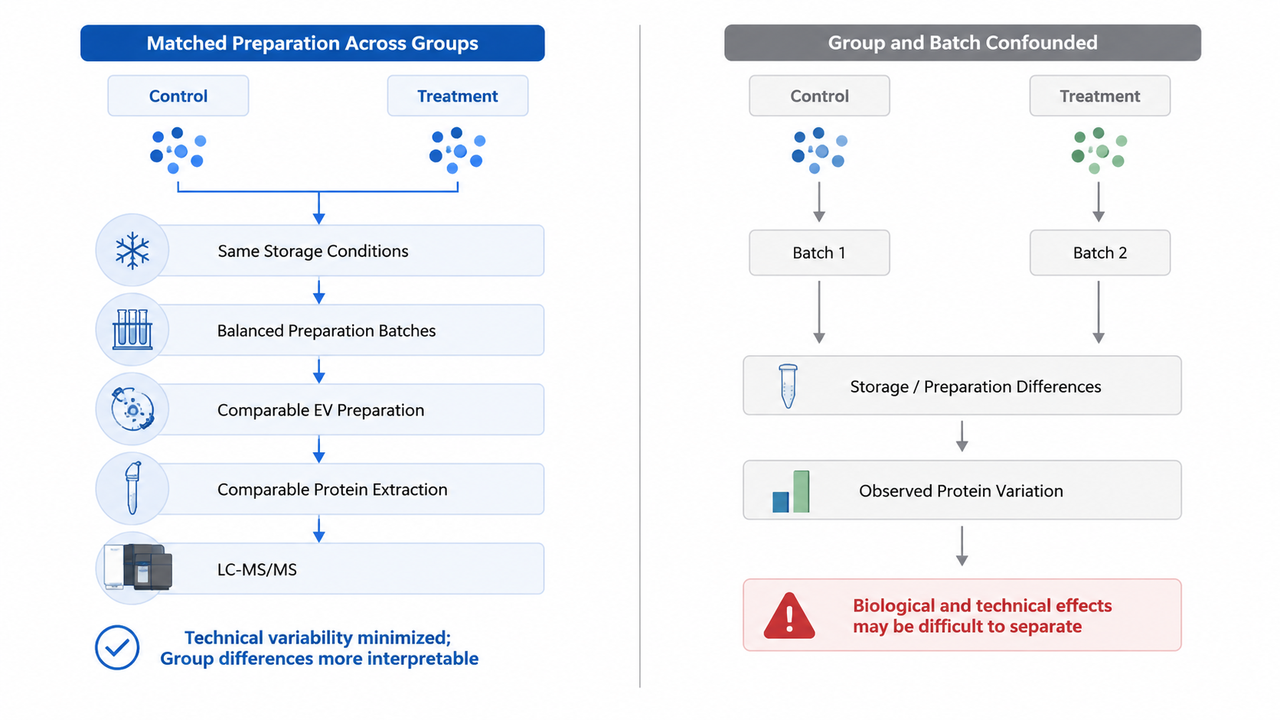
Figure 2. Consistent sample preparation helps reduce technical confounding across comparison groups.
Biological replicates help estimate variation among independent samples, but they do not automatically remove a technical effect applied consistently to one group. Unavoidable preparation differences should therefore be documented before LC-MS/MS and considered when judging whether direct quantitative comparison is still appropriate. Once preparation-level comparability has been established, decisions involving Label-free or TMT/iTRAQ quantification and DDA or DIA acquisition can then be addressed in How to Choose a Quantitative Strategy for Exosome Proteomics.
What Should Be Reviewed Before Exosome Proteomics?
Before proceeding to protein extraction and LC-MS/MS, sample readiness can be reviewed through six connected questions:
1. What material is currently available?
Is the project starting from an original biological sample, a pre-isolated exosome preparation, a protein lysate, or prepared peptides?
2. Has exosome separation already been completed?
If so, how was the preparation isolated, purified, concentrated, stored, and handled?
3. Is enough usable material available for the intended analytical scope?
Consider both the planned proteomic analysis and any characterization that must be performed from the same material.
4. Is the current preparation compatible with downstream protein processing?
Review buffer composition, additives, extraction status, and whether cleanup or buffer exchange may be required before digestion and LC-MS/MS.
5. What characterization information is already available?
Particle, morphology, and marker data can provide useful preparation-level context for the material entering proteomics.
6. Are samples intended for comparison sufficiently matched?
Collection, storage, isolation, extraction, cleanup, and processing history should be reviewed across groups rather than sample by sample.
These checks lead to a practical readiness decision. Samples with a clearly defined preparation history, sufficient usable material, compatible downstream conditions, and comparable handling across study groups can proceed to proteomics planning. Other projects may need additional isolation, extraction, cleanup, or compatibility assessment first. If substantial preparation differences are systematically aligned with the biological groups, the proposed quantitative comparison should be reviewed before analysis proceeds.
Conclusion
Researchers who have defined their sample source, isolation status, available material, preparation history, and intended comparison can review the Exosome Protein Analysis Service for project-specific sample feasibility and proteomic analysis planning.
How to order?




