






Exosome Proteomics: A Practical Guide for Protein Analysis Studies
Exosome proteomics uses mass spectrometry to characterize proteins detected in exosome preparations. Depending on the study design, it can be used to profile detectable proteins, compare relative protein abundance across experimental groups, identify proteins associated with biological changes, and prioritize candidates for further investigation. The information obtained can support studies of disease-related changes, treatment responses, intercellular communication, and discovery-stage biomarker research.
Exosome proteomics commonly analyzes exosome-enriched preparations, which may also contain other extracellular vesicles or co-isolated non-vesicular material. Protein results should therefore be interpreted in the context of the analyzed preparation.
This guide explains how exosome proteomics studies are planned from sample preparation through LC-MS/MS analysis and data interpretation. It covers what exosome proteomics can reveal, how isolation and characterization affect protein results, how quantitative strategies can be matched to different study designs, how differential proteins and candidate proteins are prioritized, and how sample preparation and quantitative consistency affect result interpretability. Researchers who already have defined samples, comparison groups, or a specific project objective can also review the MtoZ Biolabs Exosome Protein Analysis Service for project-specific feasibility and analysis planning.
What Is Exosome Proteomics?
Exosome proteomics is a mass spectrometry-based approach for analyzing the protein composition of an exosome preparation. It is used to determine which proteins can be detected in the sample and, when quantitative analysis is included, how protein abundance varies across samples or experimental groups.
LC-MS/MS does not analyze exosomes as intact particles. Proteins are extracted and digested into peptides, and the mass spectrometer measures those peptides. The peptide data are then used to identify and quantify the corresponding proteins.
The final result is therefore a protein profile of the analyzed exosome preparation. A detected protein has supporting mass spectrometry evidence in that preparation, while a protein that is not detected should not automatically be considered absent. The result reflects what was measurable under the specific sample preparation and analytical conditions.
What Can Exosome Proteomics Reveal?
Exosome proteomics can be used either to profile proteins detectable in an exosome preparation or to compare protein abundance across defined biological conditions. The study design should therefore follow whether the objective is protein profiling, quantitative comparison, or candidate discovery from those comparisons.
The key question is whether the study needs protein-level evidence from the exosome preparation.
|
Research Goal |
Is Exosome Proteomics Suitable? |
What It Can Answer |
|
Profile proteins detectable in an exosome preparation |
Yes |
Which proteins have supporting mass spectrometry evidence in the analyzed preparation |
|
Compare exosome proteins between experimental groups |
Yes |
Which proteins differ in relative abundance between groups |
|
Identify proteins associated with treatment or disease-related changes |
Yes |
Which proteins show consistent condition-associated changes |
|
Explore biological processes related to those protein changes |
Yes, for hypothesis generation |
Whether changing proteins are concentrated in related biological functions or pathways |
|
Find proteins for further validation |
Yes |
Which proteins have sufficient quantitative and biological evidence to prioritize |
|
Measure total cellular protein changes |
Usually no |
Whole-cell proteomics is more directly matched to this question |
|
Prove that a specific exosome protein causes a biological effect |
Not alone |
Functional experiments are required |
|
Establish a diagnostic or prognostic biomarker |
Not alone |
Independent validation and performance assessment are required |
Exosome proteomics is therefore most directly matched to studies that require protein-level profiling or quantitative comparison of exosome preparations. The intended research output should be defined before the study design is selected, because profiling, comparative discovery, and candidate follow-up require different analytical designs.
For studies focused primarily on protein profiling, LC-MS/MS-Based Exosome Protein Profiling provides a more detailed explanation of the mass spectrometry evidence supporting protein identification and the factors that influence profiling depth and coverage.
Samples and Preparation for Exosome Proteomics
Exosome proteomics can begin with biological source material that still requires exosome isolation or with a pre-isolated exosome preparation. Before LC-MS/MS analysis, the main question is whether the current sample state can be processed consistently across all study groups and provide suitable material for protein analysis.
1. Start with the Current Sample State
Different starting materials require different preparation decisions. Researchers should first identify what material is available and what processing is still required before proteomics.
|
Current Sample |
Main Question Before Proteomics |
|
Plasma or serum |
Is exosome isolation still required, and were all samples collected and handled consistently? |
|
Urine |
Are collection, storage, and concentration conditions comparable across samples before isolation? |
|
Cerebrospinal fluid |
Is enough comparable material available for exosome preparation and downstream protein analysis? |
|
Cell culture-conditioned medium |
Were culture conditions, collection procedures, and sample handling kept consistent across groups? |
|
Pre-isolated exosome preparation |
How was the preparation isolated, stored, and characterized, and is it suitable for downstream protein analysis? |
Having a pre-isolated sample does not automatically mean that it is ready for LC-MS/MS. The isolation method, storage history, buffer composition, available material, and existing characterization information should still be reviewed before protein analysis.
2. Check Whether the Samples Can Support the Planned Comparison
For comparative proteomics, sample consistency is as important as sample availability. The following factors should be checked before deciding whether the samples are ready to proceed.
|
Factor |
What to Check |
Why It Matters |
|
Isolation status |
Whether isolation is still required and whether the same preparation approach was used across groups |
Different preparation histories can change the protein material entering LC-MS/MS |
|
Sample handling |
Collection, storage, and processing conditions across groups |
Systematic handling differences can be confused with biological differences |
|
Preparation quality |
Available characterization information and known background concerns |
Provides context for interpreting the measured protein profile |
|
Available material |
Whether comparable material is available for all samples |
Uneven or insufficient material can limit protein recovery and group comparison |
|
LC-MS/MS compatibility |
Buffer composition and whether further protein extraction or cleanup is required |
Incompatible preparation conditions may require additional processing before analysis |
Samples are ready to proceed with exosome proteomics when the starting material is clearly defined, preparation history is known, comparison groups have been handled consistently, and sufficient comparable material is available for protein analysis. If groups were isolated, stored, or processed under substantially different conditions, or if the status of a pre-isolated preparation is unclear, these issues should be resolved before proteomics analysis.
Researchers who need to determine whether exosome isolation is still required, how to evaluate a pre-isolated preparation, which characterization results should be reviewed, or whether the sample is compatible with downstream LC-MS/MS can refer to Exosome Proteomics Sample Preparation and LC-MS/MS Compatibility for more detailed guidance.
How Exosome Proteomics Works
Exosome proteomics converts proteins recovered from an exosome preparation into peptide-level mass spectrometry evidence and then into protein identifications or quantitative protein measurements. The analytical workflow differs depending on whether the study requires protein profiling alone or comparison across samples.
1. Exosome Protein Extraction and Peptide Preparation
Proteins are extracted from the exosome preparation, cleaned up as needed, and digested into peptides before LC-MS/MS analysis. Protein recovery and peptide generation influence which components of the preparation can ultimately be represented in the mass spectrometry dataset.
2. Peptide Evidence and Protein Identification
LC-MS/MS records peptide precursor and fragment-ion signals that are used to assign peptide sequences and support protein identification. Protein identifications therefore depend on the peptide evidence recovered from the sample rather than representing a complete list of every protein originally present.
3. Quantitative Measurement Across Samples
When the study includes group comparisons, peptide signals must also support relative protein quantification across samples. This additional quantitative layer makes it possible to evaluate whether individual proteins show consistent abundance differences between treatments, biological states, genotypes, or time points.
4. Group-Level Protein Comparison
Comparative results are evaluated across biological replicates and predefined groups rather than from protein identification counts alone. The number of identified proteins describes profiling depth, whereas group-associated protein changes depend on the consistency and magnitude of quantitative differences across samples.
If quantitative comparison is required, the next step is to select an analytical strategy that fits the sample number, group structure, and comparison design.
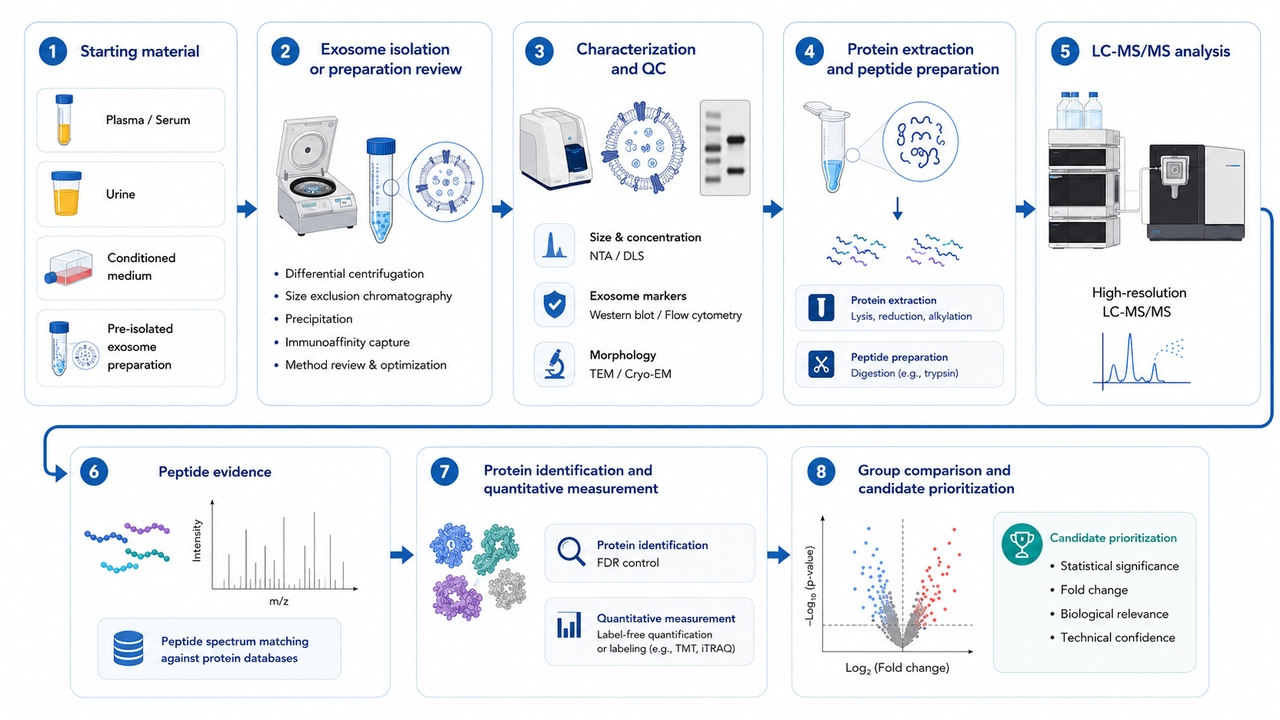
Figure 1. Workflow of LC-MS/MS-Based Exosome Proteomics
Choosing a Quantitative Strategy for Exosome Proteomics
Label-free, TMT/iTRAQ, DDA, DIA, and PRM/MRM describe different parts of a proteomics workflow rather than equivalent methods competing for the same role. Label-free and TMT/iTRAQ determine how quantitative comparisons are organized, DDA and DIA determine how mass spectrometry data are acquired, and PRM/MRM become relevant when the analysis narrows to predefined protein targets.
1. Quantification Format Across Samples
-
Label-free workflows measure samples separately and offer greater flexibility in how samples are arranged.
-
TMT/iTRAQ workflows place multiple labeled samples within the same multiplexed quantitative comparison.
The choice mainly depends on whether the project benefits more from analyzing samples independently or from comparing a predefined set of samples within a shared labeling design.
2. DDA or DIA for Data Acquisition
-
DDA is commonly used for discovery-oriented proteome analysis.
-
DIA may be preferred when consistent peptide measurement across a comparative dataset is a major priority.
DDA and DIA describe how mass spectrometry data are acquired rather than how samples are quantitatively organized. A label-free workflow can therefore use either DDA or DIA, depending on the analytical objective.
3. Targeted Follow-Up After Discovery
-
Discovery-scale proteomics remains relevant when the study still needs to identify and compare a broad range of proteins.
-
PRM/MRM becomes more relevant once specific candidate proteins have been defined and the analytical focus shifts to targeted measurement.
Targeted analysis is therefore usually a follow-up stage rather than a substitute for discovery proteomics when candidate proteins have not yet been established.
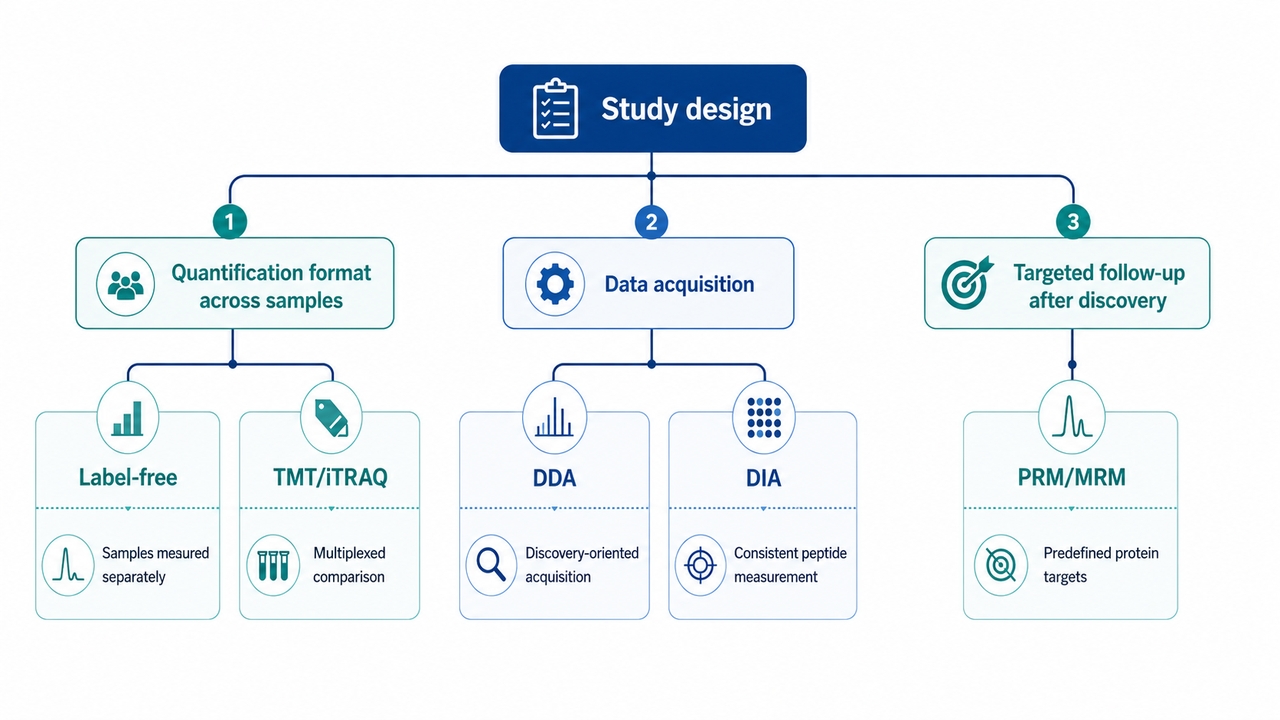
Figure 2. Study Design and Analytical Strategy Selection in Exosome Proteomics
Data Analysis and Candidate Prioritization
Quantitative exosome proteomics analysis focuses on whether protein abundance differences between predefined groups are sufficiently consistent to support biological interpretation. Replicate consistency, quantitative data quality, and the relationship between within-group and between-group variation all affect how confidently protein changes can be interpreted.
1. From Quantitative Differences to Candidate Proteins
Differential proteins are not selected from fold change or statistical significance alone. Protein changes are considered together with replicate consistency, quantitative evidence, and their relevance to the original research question. Functional and pathway analysis can then help place these changes in biological context and support candidate prioritization.
Researchers who need a more detailed framework for judging differential protein changes can refer to How Differential Exosomal Proteins Are Identified and Interpreted, including how quantitative change, statistical evidence, replicate consistency, and data completeness contribute to interpretation.
2. What Candidate Prioritization Can Support
The main outcome is a focused set of proteins with sufficient quantitative and biological support to warrant follow-up investigation. The appropriate next step depends on the research objective and may involve targeted measurement, functional experiments, or evaluation in an additional sample set.
Research Applications of Exosome Proteomics
The same type of quantitative exosome proteomics dataset can support different research objectives depending on how the comparison groups are defined and what biological question is being tested. In practice, the main applications differ less in the mass spectrometry workflow than in how condition-associated protein changes are interpreted and followed up.
1. Disease-Associated Protein Changes
Comparisons between disease and control groups can identify reproducible differences in the exosome-associated proteome and determine which proteins contribute most consistently to those patterns. The resulting protein set can be prioritized for further disease-focused investigation or validation in additional samples.
2. Treatment and Perturbation Responses
Treatment, genotype, stimulation, or time-course experiments can be examined for changes in exosome-associated protein abundance. This is particularly useful for determining whether an experimental intervention produces a reproducible proteomic response and for defining proteins that track with that response.
3. Intercellular Communication and Biological Processes
When changing proteins converge on related functions or pathways, the dataset can identify biological processes associated with the experimental comparison. These patterns can be used to narrow the proteins and pathways selected for subsequent mechanistic investigation.
4. Candidate Biomarker Discovery
Proteins that show reproducible differences between predefined groups can be narrowed to a smaller candidate set for biomarker-oriented follow-up. Quantitative consistency, biological relevance, and suitability for subsequent measurement can be used to determine which candidates should move forward for independent evaluation.
How to Obtain More Reliable Exosome Proteomics Results
The interpretability of an exosome proteomics dataset depends on whether sample preparation, characterization, and quantitative comparison are aligned with the biological question. Results are easier to interpret when technical variation is controlled across groups and the protein changes of interest are supported consistently across the relevant samples.
1. Keep Sample Preparation Comparable Across Groups
For comparative exosome proteomics, samples within the same study should follow comparable collection, storage, isolation, purification, and processing conditions whenever possible. Consistent preparation reduces the chance that systematic technical differences will be interpreted as biological changes and makes group-level protein comparisons easier to evaluate. When isolation strategy, recovery, or co-isolated material may influence the comparison, researchers can refer to How Exosome Isolation and Purification Affect Proteomics Results for a more detailed explanation of how preparation choices shape the measured proteome.
2. Use Characterization to Define the Preparation Context
Particle concentration and size, morphology, and protein-marker measurements provide useful context for understanding the preparation entering proteomic analysis and can help identify substantial differences between study groups before protein changes are interpreted. Characterization provides preparation-level context rather than protein-by-protein evidence of origin. Researchers who need to determine which characterization results are most useful before LC-MS/MS and how they should be interpreted can refer to Exosome Characterization Before Proteomics.
3. Evaluate Quantitative Consistency Before Interpreting Protein Changes
Protein changes are more interpretable when the relevant proteins are quantified consistently across the samples required for comparison and when the observed differences are reproducible across biological replicates. Interpretation should therefore consider quantitative completeness, replicate consistency, and the relationship between within-group variation and between-group differences rather than relying on identification counts alone. A protein that is not detected in an individual sample or group should not automatically be interpreted as biologically absent.
When sample preparation is comparable across groups, characterization provides appropriate context, and quantitative changes are supported across biological replicates, exosome proteomics can provide an interpretable basis for protein profiling, group comparison, and candidate prioritization. These considerations should be incorporated into the study design before the analytical workflow is finalized.
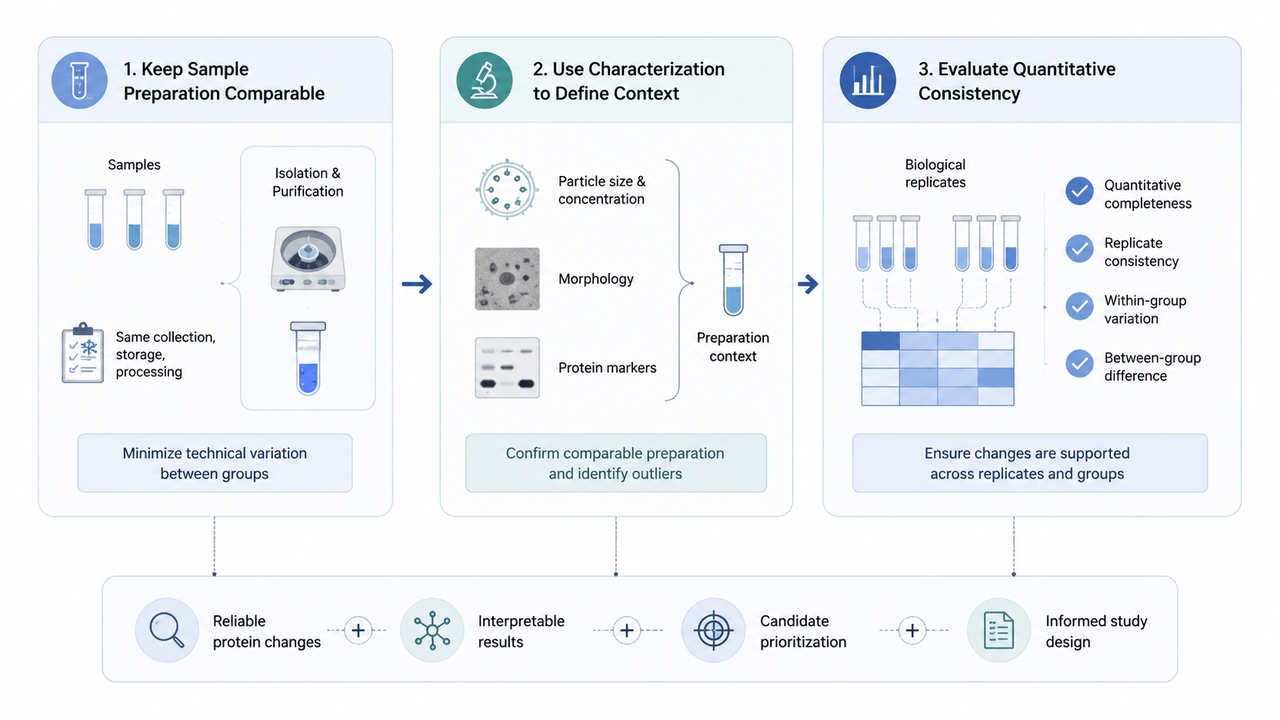
Figure 3. Key factors that improve the interpretability of exosome proteomics results
Planning an Exosome Proteomics Project
Exosome proteomics project planning should move from the biological question to the protein-level output required to answer that question. Research goal determines the sample and comparison requirements, comparison design determines the quantitative framework, and the intended output determines whether discovery-scale or targeted analysis is needed.
1. Define the Research Goal
Project design starts by defining whether the study needs protein profiling, quantitative comparison between biological groups, or focused measurement of predefined candidates. Protein profiling addresses which proteins can be detected in an exosome preparation, quantitative proteomics evaluates reproducible abundance differences between defined conditions, and targeted analysis measures proteins or peptides that have already been selected. Clarifying the research goal establishes what type of evidence the project needs to generate.
2. Evaluate the Current Sample State
Sample evaluation determines what preparation is required before LC-MS/MS. Biological source materials may still require exosome isolation and protein preparation, whereas pre-isolated preparations require review of isolation history, storage conditions, characterization information, available material, and LC-MS/MS compatibility. All samples included in the same study should be capable of entering the analytical workflow under sufficiently comparable conditions.
3. Build the Comparison Design
Quantitative studies require predefined groups, biological replicates, experimental conditions, time points, and relevant batch structure before quantitative analysis is organized. Sample collection, preparation, and handling also need sufficient consistency across comparison groups so that technical differences do not dominate the intended biological contrast. A valid comparison design provides the basis for selecting the quantitative and acquisition strategy.
4. Match the Analytical Strategy to the Study Design
Quantification format and mass spectrometry acquisition should be selected according to the comparison design. Label-free and TMT/iTRAQ differ in how samples are organized for quantitative comparison, while DDA and DIA determine how peptide data are acquired. PRM/MRM becomes relevant when the project has moved from broad discovery to focused measurement of predefined candidates. Analytical strategy therefore follows the required comparison rather than being selected as an isolated technical choice.
5. Define the Expected Output
The expected output should match the original research goal. A profiling project produces a protein identification profile supported by peptide-level mass spectrometry evidence; a quantitative comparison produces relative protein measurements and group-associated protein differences; comparative discovery can further support functional interpretation and candidate prioritization; targeted follow-up produces focused quantitative measurements for selected proteins or peptides. Defining the required output in advance helps confirm whether the available samples and analytical design can support the intended research endpoint.
Conclusion
Once the biological question has been translated into a defined sample workflow, comparison structure, analytical strategy, and expected protein-level output, the project can be evaluated as an integrated exosome proteomics study. Researchers can review the MtoZ Biolabs Exosome Protein Analysis Service for project-specific sample evaluation, feasibility assessment, and workflow planning.
How to order?




