






Does IP Validation Mean an Antibody Is Suitable for IP-MS?
No. IP validation supports immunoprecipitation performance under stated conditions, but it does not automatically mean an antibody is suitable for IP-MS. A reagent can recover bait well enough for IP western or classical Co-IP yet still produce weak bait peptides, high nonspecific background, or uninterpretable partner lists after LC-MS/MS.
The gap matters at purchase review. Many antibody products list IP or immunoprecipitation among applications without showing that the enrichment workflow was tested for mass spectrometry readout. Before ordering for discovery-oriented Co-IP-MS, ask whether the evidence supports MS-compatible bait recovery and background control—not only whether a band appeared in an IP eluate. Share target protein, planned readout, and current product claims with MtoZ Biolabs while comparing reagents.
What IP Validation Usually Proves
IP validation, or an IP-capable label, generally indicates that the antibody can immunoprecipitate the intended target under documented conditions. The readout is often western blot of the input and immunoprecipitate, showing bait enrichment relative to lysate.
IP validation can support confidence that:
- The antibody binds the target in native or native-like lysate
- Bait can be captured on beads with the stated host, isotype, and coupling format
- Immunoprecipitation works under the washes and incubation conditions shown
- The reagent may be usable for bait qualification, condition testing, or targeted Co-IP with predefined partners
IP validation does not, by itself, prove that:
- Bait peptides will be recovered efficiently after digestion for LC-MS/MS
- Background co-enrichment will remain low enough for partner discovery
- Unknown interactors can be ranked with interpretable specificity after control subtraction
- Performance will transfer to your cell line, treatment state, or modified bait isoform
For research planning, treat IP validation as evidence about capture—not as proof of MS discovery suitability.
What IP-MS Suitability Adds Beyond IP Validation
IP-MS suitability depends on enrichment quality after immunoprecipitation, not only on bait visibility by western blot. LC-MS/MS is highly sensitive. Proteins that co-purify nonspecifically, antibody-chain peptides, bead-matrix binders, and abundant lysate carryover all become searchable once the eluate enters MS.
An antibody validated for IP-MS, or described as an IP-MS validated antibody or antibody validated by IP-MS, should therefore be evaluated on MS-relevant outcomes:
- Bait identification in the immunoprecipitate by MS or a clearly documented IP-to-MS path
- Background low enough for partner ranking after matched controls
- Compatibility with the bead chemistry and scale planned for replicate Co-IP-MS
- Evidence generated under conditions closer to discovery readout than membrane detection alone
IP validation can be a useful stepping stone. IP-MS validation is the relevant purchase standard when LC-MS/MS will define the candidate partner set.
|
Validation level |
Typical readout |
What it supports |
Typical IP-MS fit |
|---|---|---|---|
|
Western blot |
Membrane band |
Target detection after denaturation |
Not sufficient alone |
|
IP with western |
Bait in IP eluate |
Capture and bait qualification |
May support pilot only |
|
IP-capable / validated for IP |
Documented immunoprecipitation |
Classical Co-IP with known partners |
Conditional for MS discovery |
|
IP-MS validated |
IP plus MS-compatible enrichment evidence |
Co-IP-MS partner discovery |
Preferred for discovery readout |
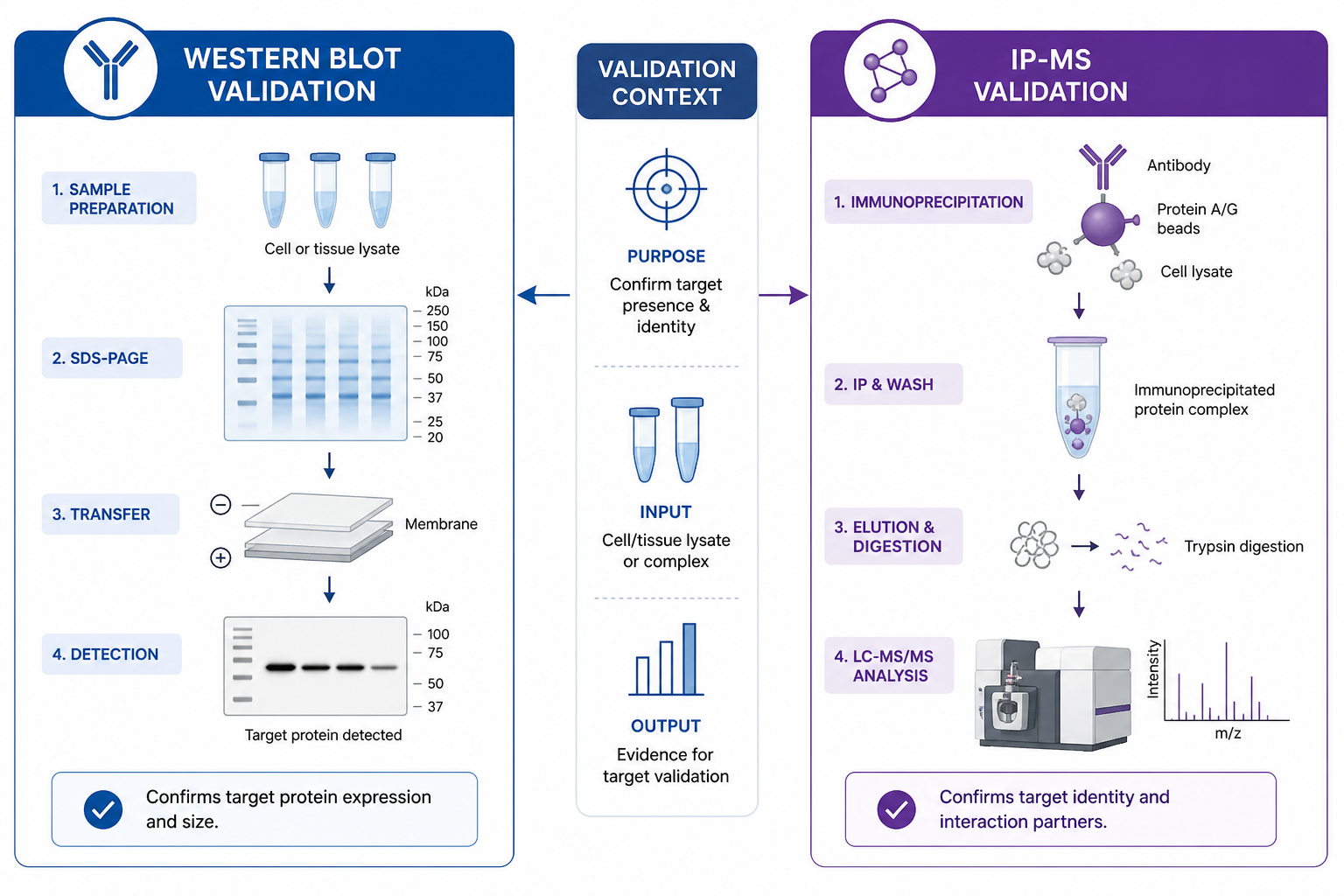
Figure 1. IP validation addresses capture; IP-MS validation addresses capture plus MS-compatible enrichment quality.
When IP Validation May Be Enough
IP validation can be sufficient when the project does not depend on LC-MS/MS to define the partner list.
Examples include:
- Confirming bait recovery before scaling a larger interaction study
- Testing lysis, antibody input, or wash conditions in a pilot IP
- Classical Co-IP with western detection of a small number of predefined partners
- Feasibility work where MS expansion is not yet committed
In those cases, moving immediately to an IP-MS validated product tier may add cost without adding necessary discovery power. An IP-capable antibody with documented bait recovery may be enough if MS readout is not the current decision point.
Even then, document control design and matrix fit. IP validation in one cell system does not guarantee identical performance in another.
When IP Validation Is Not Enough for IP-MS
IP validation alone is a weak purchase basis when the experimental claim requires LC-MS/MS discovery.
Consider IP-MS validation—or careful pilot testing with MS readout—when:
- Unknown interactors must be identified from endogenous bait capture
- Partner ranking will rely on enrichment over isotype or bead controls
- Background suppression is essential because sticky proteins dominate preliminary lists
- The team plans replicate Co-IP-MS rather than targeted western confirmation
- Publication or downstream validation depends on MS-derived candidate selection
A bait band on IP western does not rule out these projects, but it does not certify them either. Many failed IP-MS runs begin with reagents that looked acceptable in IP western yet underperformed after digestion and LC-MS/MS.
|
Project goal |
Is IP validation enough? |
Better standard |
|---|---|---|
|
Bait qualification only |
Often yes |
IP-capable with documented recovery |
|
Known partner Co-IP by western |
Often yes |
IP-capable; IP-MS optional |
|
Open partner discovery by LC-MS/MS |
Usually no |
IP-MS validated or pilot IP-MS evidence |
|
Low-abundance endogenous bait |
Usually no |
IP-MS validated with matrix-relevant evidence |
|
Background-heavy preliminary IP |
No |
IP-MS validated alternative or workflow change |
Use the row that matches the readout you intend to report, not the readout you hope to add later without changing reagents.
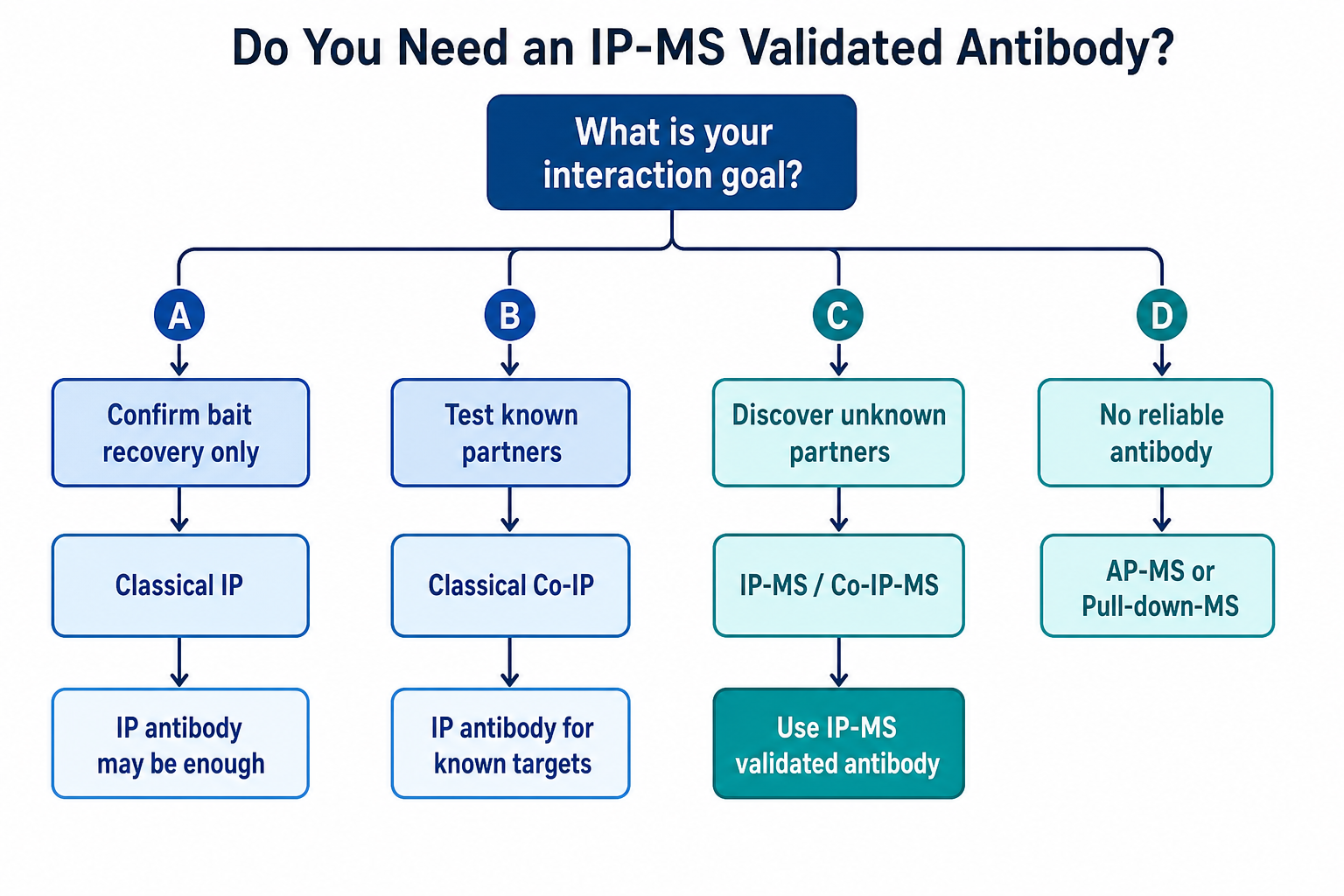
Figure 2. Match validation level to the planned readout before purchase.
What to Do When Only IP Validation Is Available
When no IP-MS validated antibody exists for the target, three paths remain.
Pilot IP with MS readout. Run a small immunoprecipitation with matched isotype or nonspecific IgG control and analyze the eluate by LC-MS/MS. This tests transfer from IP validation to your matrix more directly than assuming suitability from a western blot alone.
Compare the closest validated alternatives. Review Target Protein Antibodies and category listings for related targets, isoforms, or bead-ready formats with stronger MS evidence.
Change workflow if tagging or recombinant bait is acceptable. AP-MS or pull-down-MS may reduce dependence on a weak endogenous antibody when the scientific question allows a different capture chemistry.
Pilot work is reasonable when matrix differences are modest and controls are planned deliberately. It is risky when discovery scale is committed without any MS-compatible enrichment evidence.
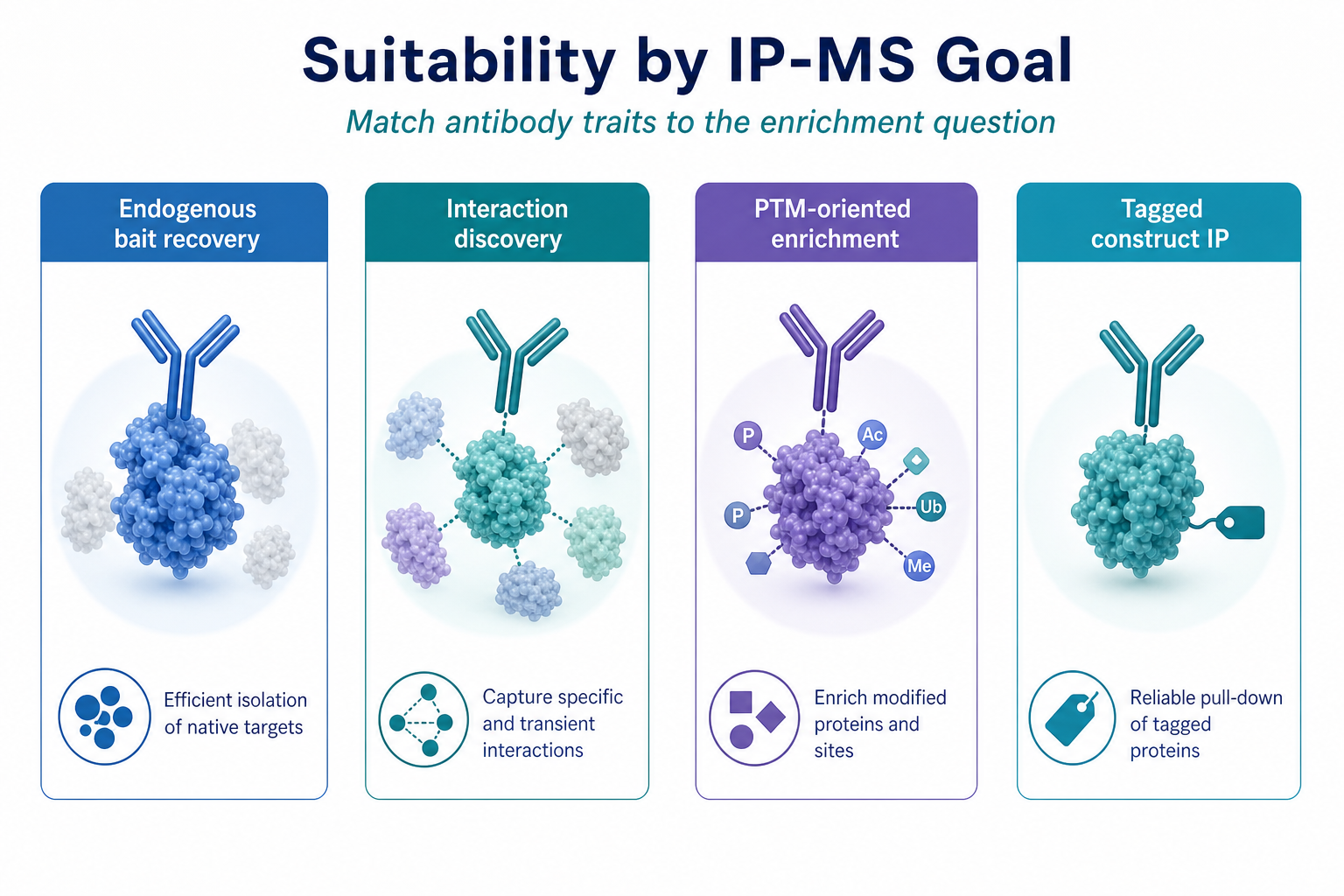
Figure 3. The same antibody can fit IP western workflows yet fall short of IP-MS discovery requirements.
Related Products
Co-Immunoprecipitation (Co-IP) Kit
Related Services
IP-MS Protein Interactomics Analysis Service
Co Immunoprecipitation (Co-IP) Service
Protein-Protein Interaction Analysis Service
Frequently Asked Questions
1. Does IP validation mean an antibody is suitable for IP-MS?
No. IP validation supports immunoprecipitation capture. IP-MS suitability also requires MS-compatible bait recovery and interpretable background under discovery readout conditions.
2. Can I use an IP-validated antibody for Co-IP-MS?
You can pilot it, but discovery projects should prefer an antibody validated for IP-MS when available. IP western success alone is not sufficient evidence.
3. Is IP-capable the same as IP-MS validated?
No. IP-capable indicates immunoprecipitation use under stated conditions. IP-MS validated should indicate enrichment evidence relevant to LC-MS/MS workflows.
4. When is IP validation enough?
When the readout stays targeted—bait qualification, condition testing, or classical Co-IP with predefined partners detected by western blot.
5. What evidence upgrades IP validation to IP-MS confidence?
Bait identification by MS, stated IP conditions, control or background context, and matrix-relevant enrichment performance.
6. What if my target has IP data but no IP-MS validated SKU?
Run a controlled pilot IP with MS readout, review the closest validated alternatives, or consider AP-MS or pull-down-MS if the workflow allows.
Conclusion
IP validation answers whether an antibody can immunoprecipitate bait under stated conditions. IP-MS suitability asks whether that capture produces enrichment quality that remains interpretable after digestion and LC-MS/MS. The first does not automatically prove the second.
For discovery-oriented Co-IP-MS, prefer an IP-MS validated antibody or antibody validated by IP-MS when evidence matches the target, species, and planned matrix. When only IP validation exists, treat MS discovery as a pilot until control-matched MS output supports the purchase decision. Contact MtoZ Biolabs to compare validation levels, product shortlists, and IP-MS or Co-IP-MS service fit for your interaction question.
How to order?




