DIA MS (Data-Independent Acquisition Mass Spectrometry)-Based Quantitative Service
MtoZ Biolabs provides DIA MS (Data-Independent Acquisition Mass Spectrometry)-based quantitative analysis services for broad protein identification and consistent relative quantification across complex biological samples, supporting reliable comparisons in multi-sample proteomics studies.
By integrating optimized sample preparation, high-resolution LC-MS/MS acquisition, DIA-NN data processing, and downstream bioinformatics analysis, this service generates protein-level quantitative data for group comparisons, cohort studies, longitudinal studies, and candidate protein discovery.
- Consistent relative quantification across multiple samples
- Reduced missing values compared with stochastic DDA sampling
- Conventional DIA and ion mobility-enhanced DIA options
- DIA-NN data processing and comprehensive bioinformatics analysis
Technical Principles of DIA MS-Based Quantitative Analysis
DIA divides a predefined precursor m/z range into a series of consecutive isolation windows and systematically isolates and fragments precursor ions within each window during each acquisition cycle.
Unlike DDA, which dynamically selects a subset of precursor ions for MS/MS analysis based on criteria such as signal intensity, DIA systematically acquires fragment-ion information across the predefined m/z range. This approach can improve the likelihood of repeatedly measuring the same peptides across multiple samples.
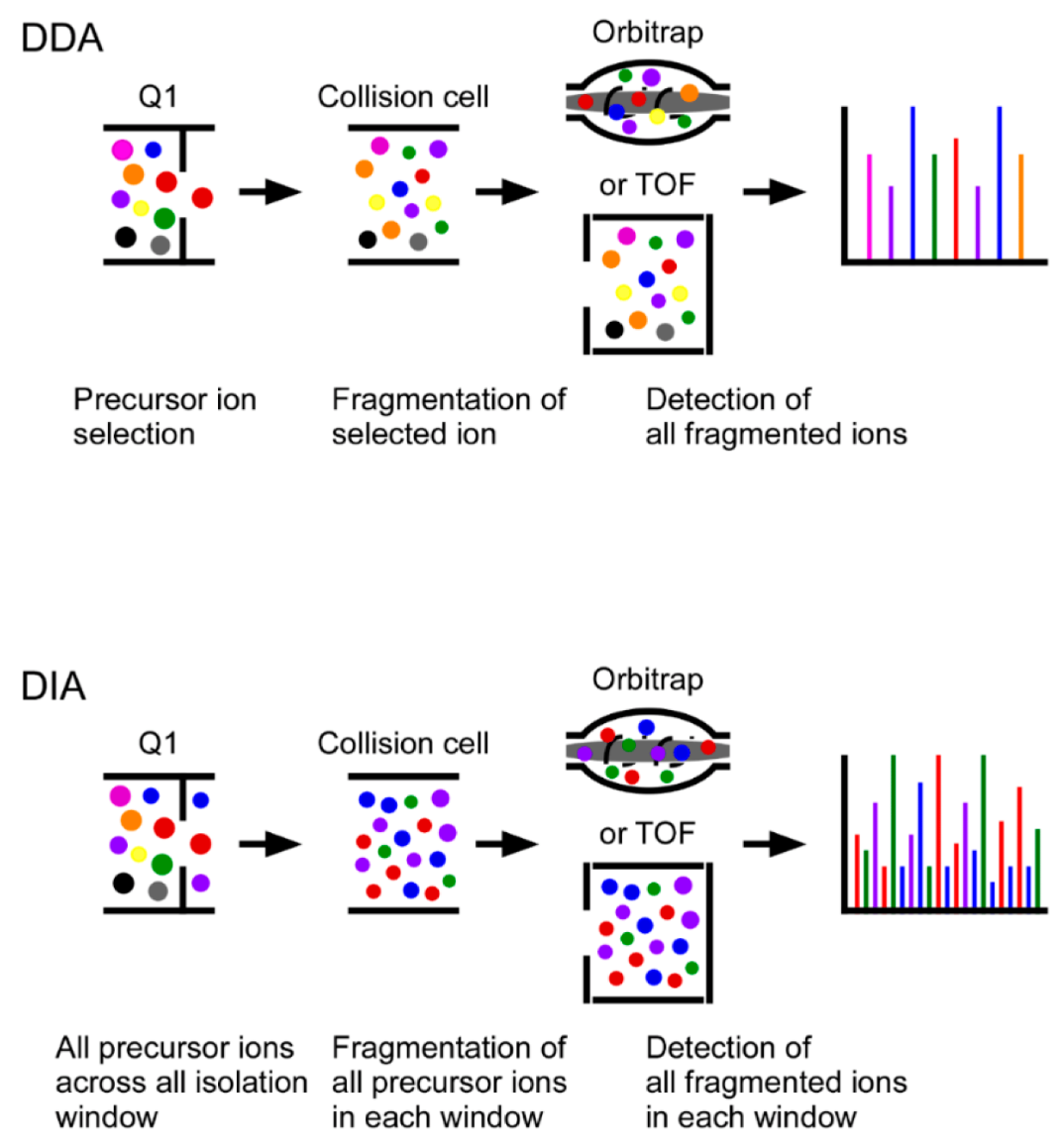
Figure 1. Principles of DDA and DIA
Because multiple precursor ions may be present within a single DIA isolation window, the resulting MS/MS data are typically complex. Specialized data-processing tools such as DIA-NN integrate precursor and fragment-ion information, retention time, chromatographic peak shape, co-elution behavior, and signal intensity to resolve peptide signals from complex spectra.
MtoZ Biolabs uses DIA-NN and related computational workflows for peptide and protein identification, quantitative signal extraction, relative quantification, data normalization, and quality assessment, providing a robust basis for protein abundance comparisons across multiple samples.
When Is DIA MS-Based Quantitative Analysis a Good Fit?
DIA quantitative proteomics is particularly suitable for studies that require broad proteome coverage together with consistent quantitative comparison and improved data completeness across multiple samples.
|
Research Scenario |
How DIA Quantitative Proteomics Helps |
|
Multi-sample or multi-group comparison |
Systematic precursor-window acquisition helps improve repeated measurement of the same peptides across samples |
|
Studies affected by missing quantitative values |
DIA can reduce missing values associated with stochastic precursor selection in DDA workflows |
|
Large cohort or longitudinal studies |
Standardized acquisition, quality control, and data processing help improve comparability across samples and analytical batches |
|
Discovery studies requiring follow-up validation |
Candidate proteins identified by DIA can be further evaluated using targeted PRM or MRM quantification |
DIA is not limited to large cohort studies. Smaller studies can also benefit when quantitative reproducibility, data completeness, or consistency across biological replicates is particularly important.
Analysis Workflow
1. Sample Preparation
Proteins are extracted, quantified, and purified as needed using workflows optimized for different sample types, helping reduce interference from salts, detergents, lipids, and other matrix components.
2. Protein Digestion
Proteins are enzymatically digested into peptides suitable for LC-MS/MS analysis, followed by desalting and cleanup as needed.
3. DIA LC-MS/MS Acquisition
Peptides are separated by liquid chromatography and analyzed by high-resolution LC-MS/MS using systematic DIA acquisition.
4. DIA Data Processing
Raw data are processed using DIA-NN or related workflows for peptide and protein identification and extraction of quantitative peptide signals.
5. Relative Quantification
Peptide signals are normalized and summarized at the protein level to generate relative protein abundance data for comparisons across samples or experimental groups.
6. Bioinformatics Analysis
Depending on project requirements, downstream analysis may include differential protein analysis, PCA, clustering, GO, KEGG, and PPI analysis.
Experimental Instruments
DIA performance is influenced by acquisition speed, mass resolution, sensitivity, chromatographic stability, and isolation-window design.
MtoZ Biolabs provides high-resolution LC-MS/MS platforms suitable for DIA quantitative proteomics, including Orbitrap-based platforms for conventional DIA workflows.
For highly complex samples that may benefit from an additional gas-phase separation dimension, ion mobility-enhanced DIA workflows based on the timsTOF platform can also be evaluated. These workflows are commonly referred to as 4D-DIA, in which ion mobility adds an additional separation dimension to improve resolution of complex peptide ions.
Platform selection is based on sample type, proteome complexity, sample number, throughput requirements, and desired analytical depth rather than applying a single acquisition strategy to every project.
Why Choose MtoZ Biolabs?
1. Experience with Complex Biological Samples
MtoZ Biolabs supports animal tissues, plant tissues, cultured cells, and other complex matrices, with sample preparation adjusted to reduce interfering components and improve LC-MS/MS compatibility.
2. Quality Control Across the Workflow
Protein quality is assessed before MS analysis, with quality monitoring continued through peptide preparation, LC-MS/MS acquisition, and quantitative data processing.
3. Integrated DIA Data Analysis
DIA-NN and related workflows support protein identification, relative quantification, normalization, quality assessment, and downstream statistical and bioinformatics analysis.
Sample Submission Requirements
Sample requirements vary depending on biological matrix and study design. For pre-extracted protein samples, the following specifications can be used as general guidelines:
|
Sample Requirement |
Recommendation |
|
Total protein |
>20 μg/sample; ≥50 μg/sample recommended |
|
Protein concentration |
>0.5 μg/μL |
|
Sample integrity |
Avoid severe degradation |
|
Freeze-thaw cycles |
Minimize repeated freeze-thawing |
|
Buffer composition |
Avoid excessive salt and high concentrations of MS-incompatible detergents |
|
Shipping |
Frozen samples should generally be shipped on dry ice |
|
Species information |
A suitable reference protein sequence database is recommended |
Requirements for tissues, cells, plasma, serum, and other biological matrices may vary depending on sample type and study design.
For low-input, precious, or non-standard samples, sample amount and buffer compatibility should be reviewed before project initiation.
For comparative studies, sample collection, storage, and preparation conditions should be kept as consistent as possible across experimental groups to minimize technical variation introduced during the pre-analytical stage.
Deliverables
1. Raw Mass Spectrometry Data
2. Protein Identification and Quantification Results
3. Differential Comparison Analysis
4. PDF Analysis Report
FAQs
Q1. Is there a minimum sample number for DIA quantitative proteomics?
No fixed minimum is required. Sample number should be determined by the study design and research objective.
Q2. Does DIA analysis require a spectral library?
Not necessarily. Both library-based and library-free DIA workflows are available.
Q3. What is the difference between DIA and 4D-DIA?
4D-DIA adds ion mobility separation to conventional DIA, providing an additional dimension for peptide separation.
Q4. Does this DIA service provide absolute protein quantification?
No. This service provides relative protein quantification and does not report absolute protein concentrations.
Start Your Quantitative Proteomics Project with MtoZ Biolabs
Planning a DIA MS quantitative proteomics study? Send us your species, sample type, sample number, group design, available sample amount, and primary research objective.
MtoZ Biolabs can review sample compatibility and study requirements and help determine whether conventional DIA, 4D-DIA, or a targeted follow-up strategy is better aligned with your research goals.
MtoZ Biolabs, an integrated chromatography and mass spectrometry (MS) services provider.
Related Services
Quantitative Proteomics Service
DIA Quantitative Proteomics Analysis Service
Demo for DIA Proteomics Analysis
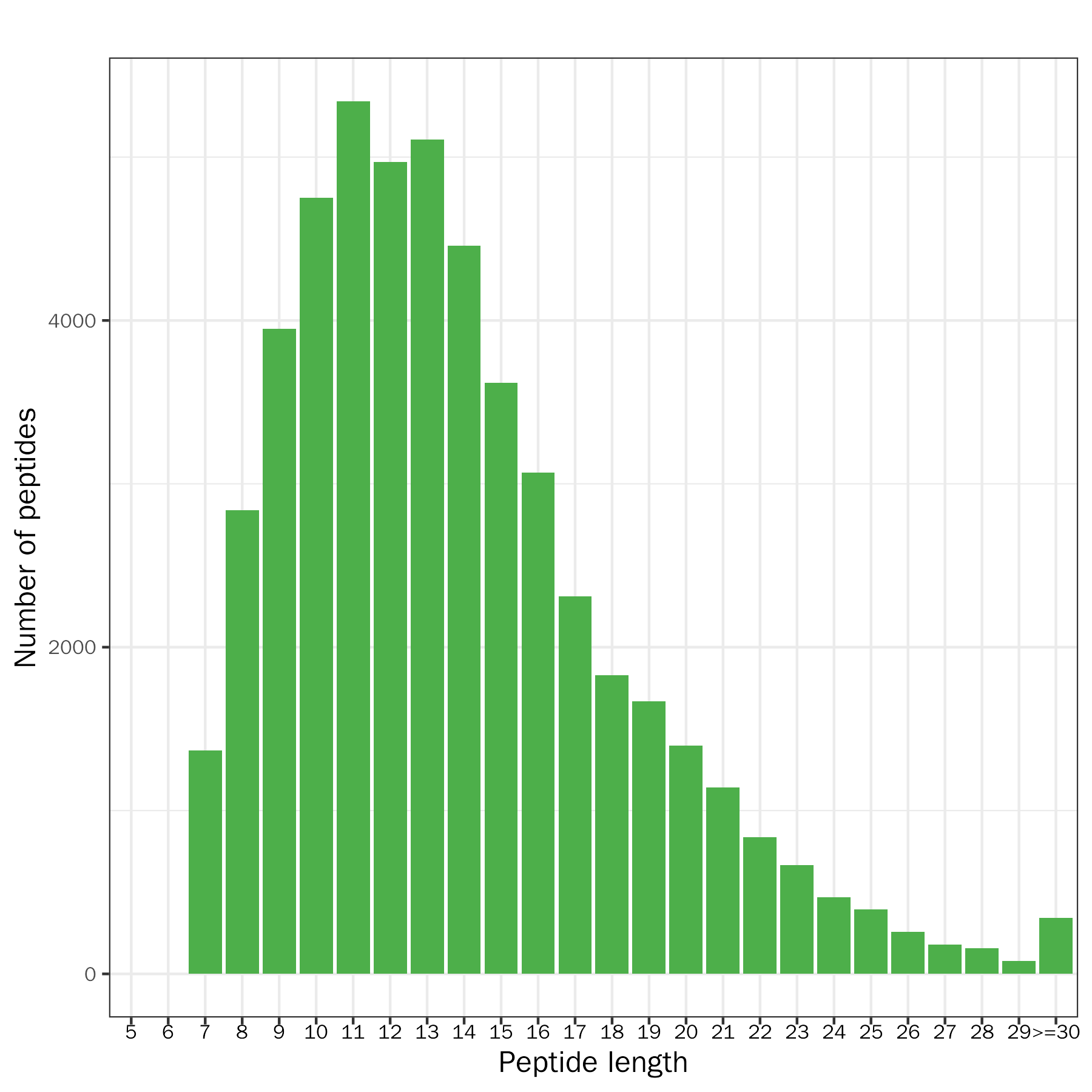
Peptide Length Distribution
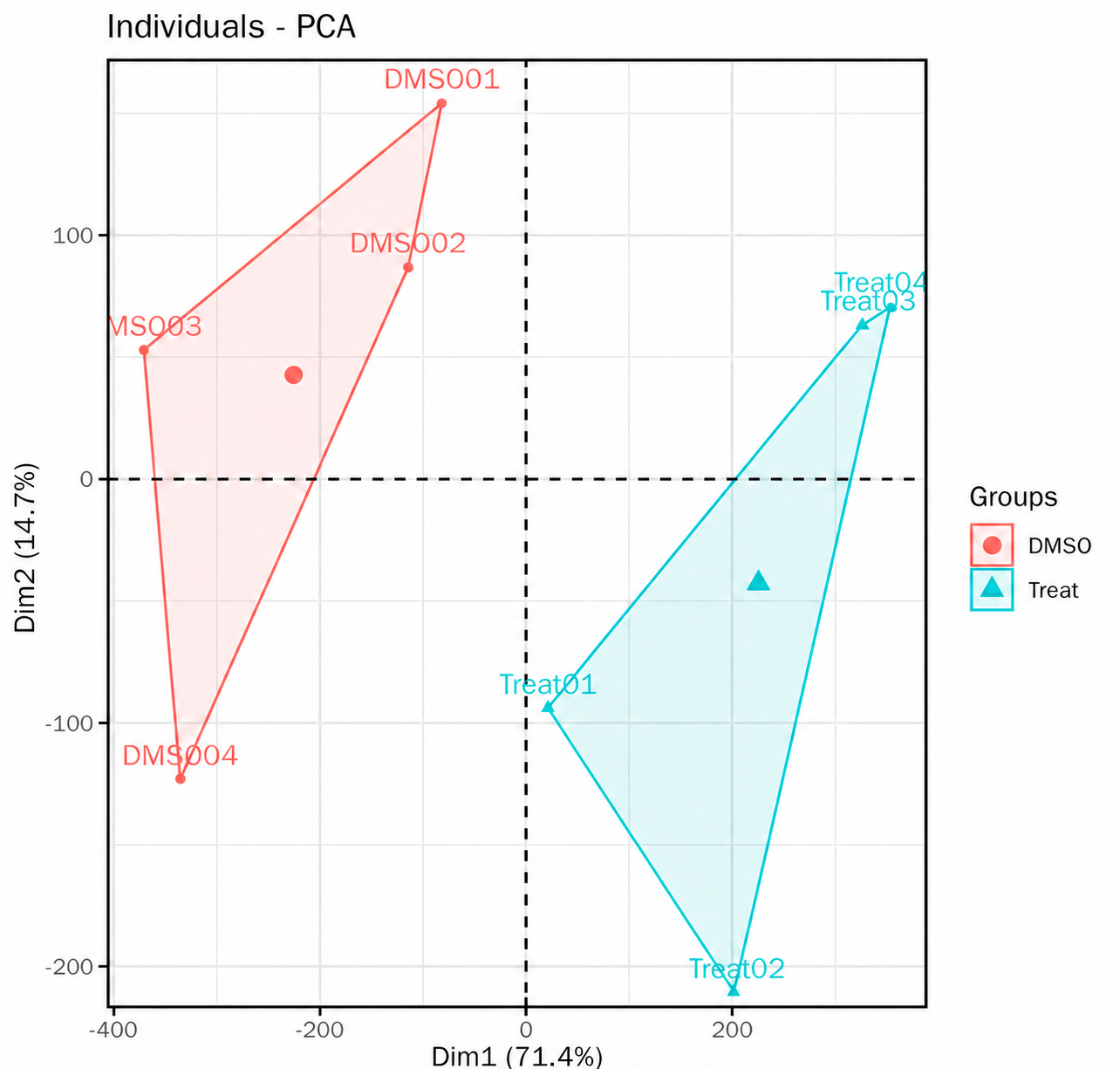
PCA Plot of Sample Grouping
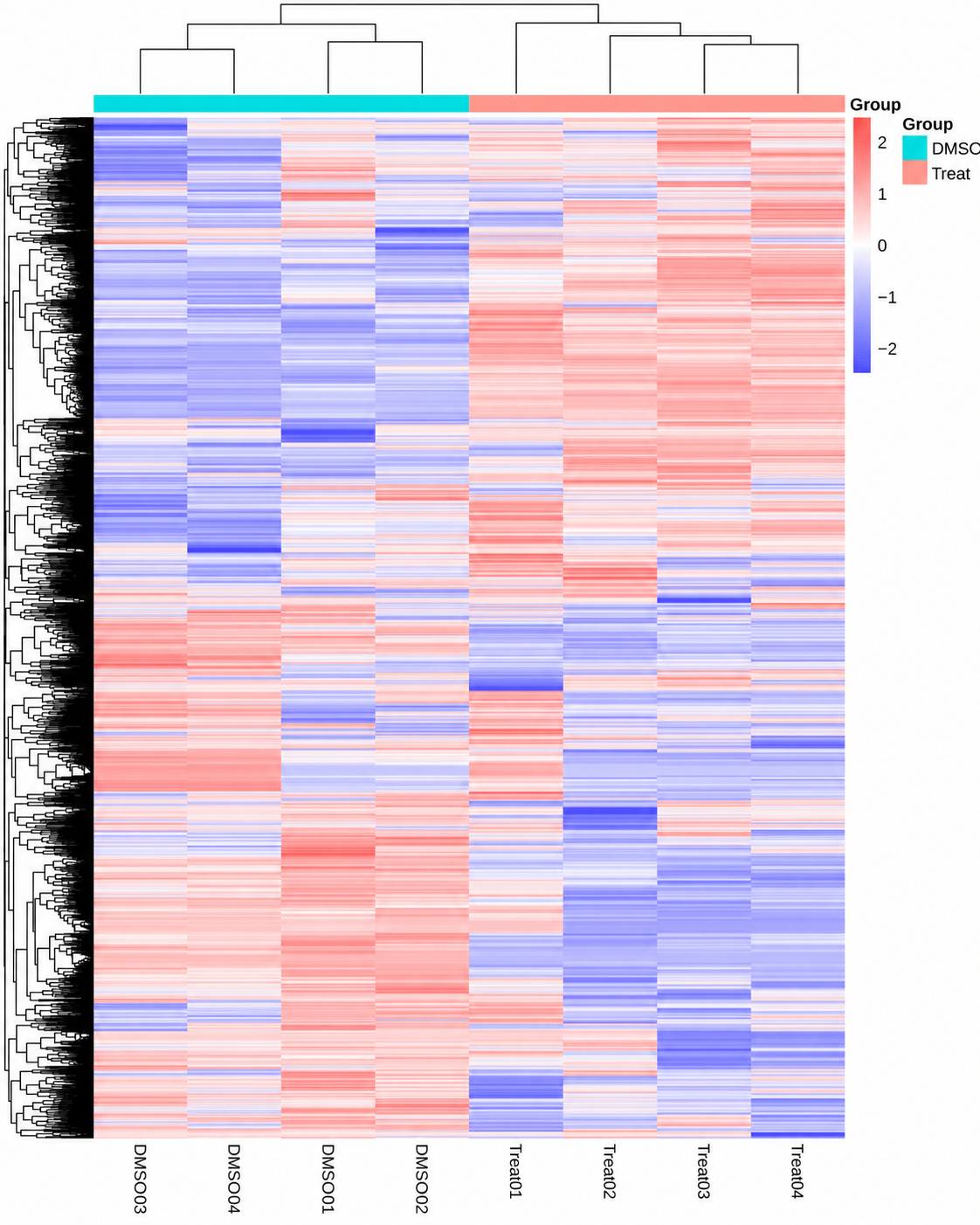
Hierarchical Clustering of Protein Abundance