






Blocked or Weak Edman Signals? Troubleshooting N-Terminal Sequencing Sample Prep and PTM Interference
Introduction
An Edman sequencing run can finish without delivering the N-terminal answer the project needs. The sequencer may complete multiple cycles, yet the first residues are weak, ambiguous, or absent entirely. For teams preparing recombinant lot release, peptide verification, or biopharmaceutical documentation, a failed N-terminal read creates immediate delay even when other QC data look acceptable.
Weak or blocked Edman signals usually reflect sample chemistry or preparation limits rather than instrument failure alone. N-terminal blocking modifications, co-purifying proteins, insufficient sample load, poor blot transfer, or prior mishandling can all reduce cycle yield before meaningful sequence assignment begins. Repeating the same submission without reviewing blocking status or purity often produces the same poor result.
If your team is troubleshooting a failed N-terminal read or preparing a sample with suspected N-terminal modification, MtoZ Biolabs can assess Edman sample readiness and recommend the most efficient recovery path before material is resubmitted.
Related Services
Common Signs of a Failed or Weak N-Terminal Read
Researchers often seek help after observing one or more of the following patterns:
-
no confident residue is assigned in early cycles
-
the first one or two cycles are weak while later background rises
-
observed sequence does not match the expected N-terminus
-
sequencing stops after only one or two residues despite sufficient planned cycles
-
multiple candidate residues appear in the same cycle
-
PVDF transfer looked acceptable, but sequencer response remains poor
-
the project requires ten or more residues, but signal fades almost immediately
These outcomes are common with N-terminally acetylated proteins, pyroglutamate-blocked peptides, highly impure preparations, and samples stored or handled under conditions that promote modification or loss.
Understanding the pattern matters for recovery planning. Cycle-one failure with no residue assignment usually points to blocking. Weak early cycles followed by background rise often suggest impurity or low load. A short successful read that fades quickly may reflect normal cycle loss rather than a fundamental sample problem.
Common Blocking Modifications That Stop Edman Sequencing
Several N-terminal modifications prevent PITC coupling and are worth reviewing before resubmission.
1. N-Terminal Acetylation
Common in eukaryotic expression systems and some native proteins. The acetylated alpha-amino group cannot react with PITC under standard Edman conditions.
2. Pyroglutamate Formation
Glutamine or glutamic acid at the N-terminus can cyclize to pyroglutamate, blocking the free amino group required for cycle one.
3. Other Blocking Groups
Formylation, carbamylation, or chemical modifications introduced during synthesis, storage, or handling can also reduce Edman coupling efficiency.
When any of these modifications is suspected, standard edman sequencing may not proceed without pretreatment. Share expression host, synthesis method, and storage history with the provider so blocking risk can be assessed before another run is scheduled.
Why Edman Sequencing May Fail
Before resubmitting material or switching methods, review the most frequent causes.
1. Blocked N-Terminus
N-acetylation, pyroglutamate cyclization, or other N-terminal modifications prevent PITC coupling and stop sequencing at cycle one.
2. Sample Impurity
Co-migrating proteins on a gel blot or HPLC fraction can dominate sequencer response and obscure the target N-terminus.
3. Insufficient Sample Load
Too little material reduces PTH signal below reliable identification thresholds.
4. Poor Transfer or Preparation
Incomplete PVDF transfer, inadequate washing, or incompatible buffer salts can reduce sequencer performance.
5. Early Cycle Loss
Highly hydrophobic or difficult sequences may show rapid signal decay even when the N-terminus is technically accessible.
6. Incorrect Project Assumptions
A sample expected to be unblocked may actually require pretreatment or an alternative analytical route.
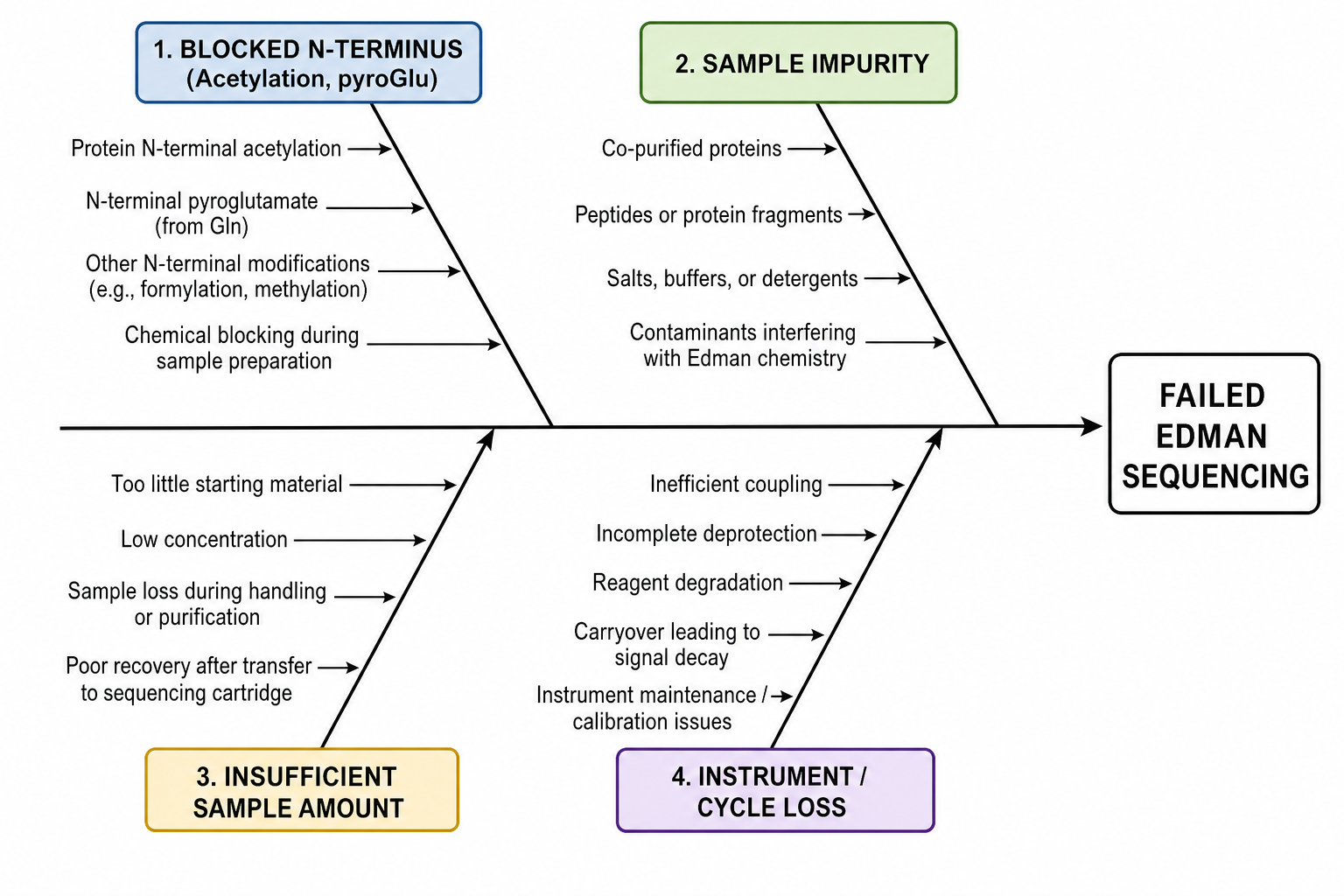
Figure 1. Failed N-terminal reads often reflect blocking modifications, purity, or cycle yield rather than sequencer malfunction alone.
Step-by-Step Recovery Guide
When N-terminal Edman analysis fails, use a structured review rather than repeating the same run.
Step 1: Confirm Whether the N-Terminus Is Blocked
Review expression system, processing history, and any known modifications. Pyroglutamate, acetylation, and other N-terminal PTMs are frequent causes of cycle-one failure. If blocking is likely, discuss pretreatment or before another standard run.
Step 2: Reassess Sample Purity
Inspect gel purity, HPLC trace, or prior QC data. Additional purification or a cleaner blot band may be required before the target N-terminus can be read confidently.
Step 3: Review Sample Amount and Loading Method
Verify that enough material was submitted for the requested cycle count. PVDF loading, liquid sample presentation, and blot staining quality all affect yield.
Step 4: Evaluate Early-Cycle Data Quality
Inspect whether weak signal reflects blocking, impurity, or normal fade after a short successful read. This distinction determines whether pretreatment, reprep, or scope reduction is the best next step.
Step 5: Plan an Alternative Route if Needed
If Edman degradation cannot proceed, consider or when a reference sequence exists and confirmation is the goal.
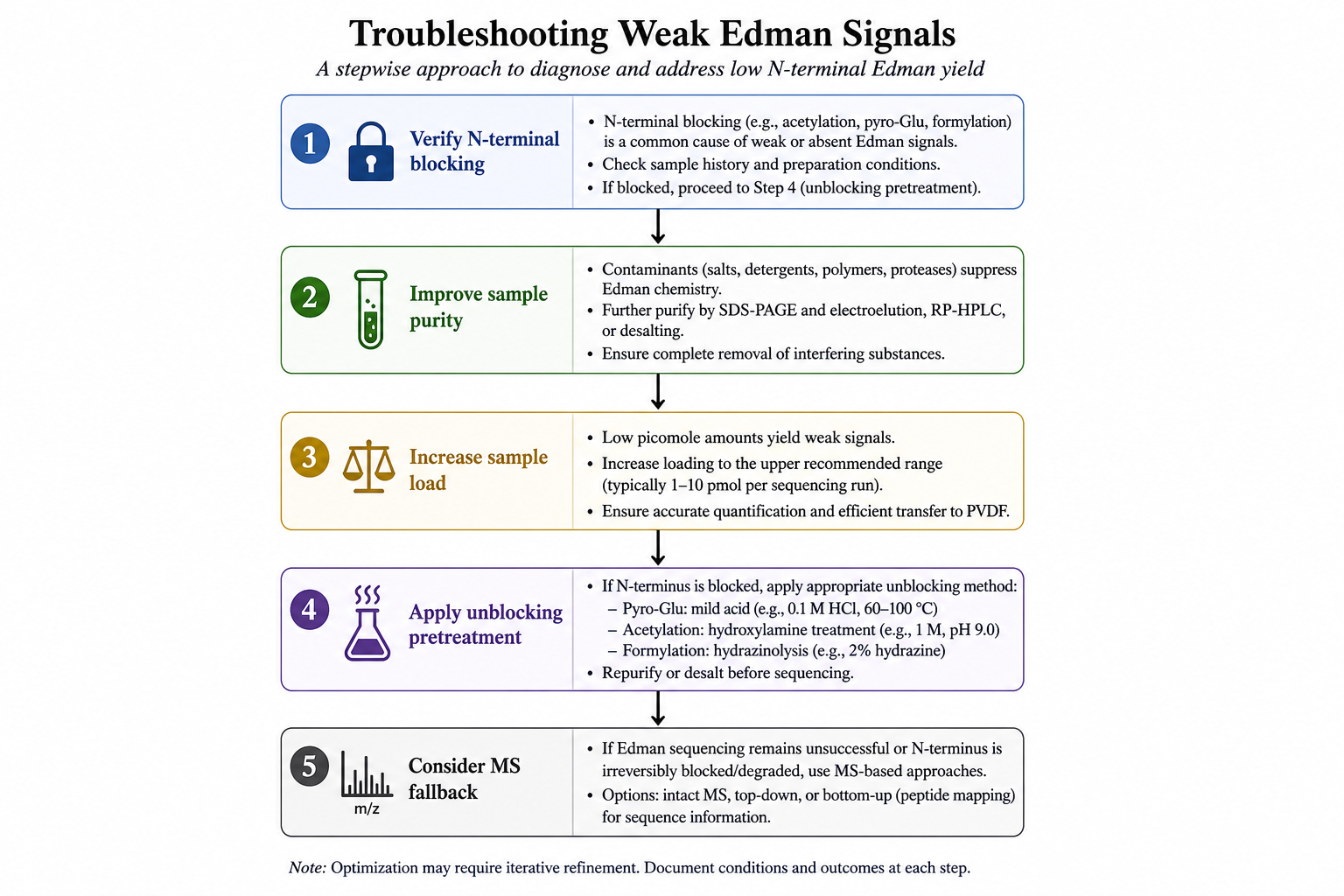
Figure 2. Blocking review, purity improvement, and load optimization are the highest-leverage fixes for weak N-terminal Edman data.
Sample Requirements That Most Affect Success
Sample quality is often the highest-leverage factor in N-terminal read success.
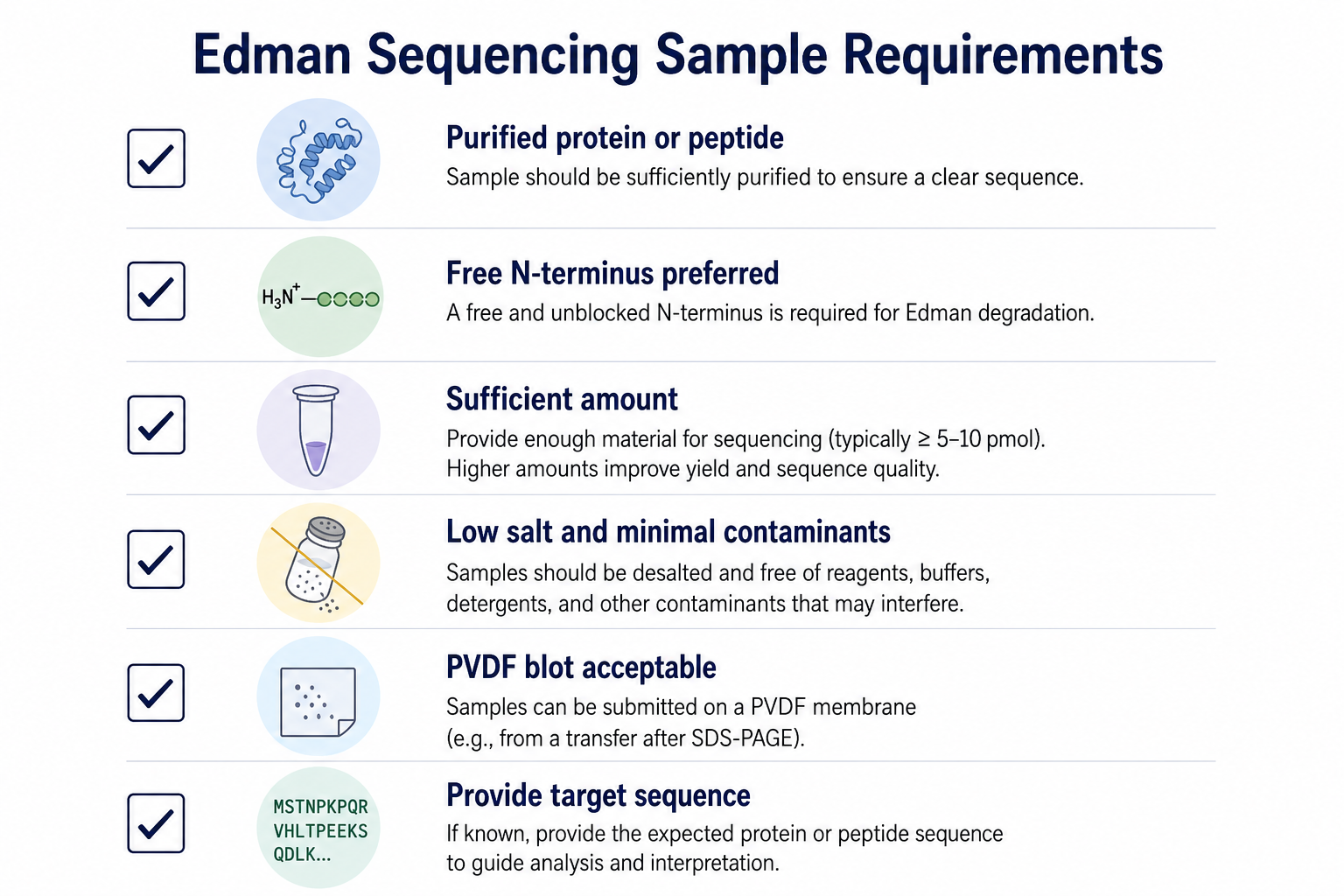
Figure 3. Feasibility review before shipment reduces failed cycles and shortens time to a usable N-terminal report.
For shipping, follow provider guidance on liquid versus PVDF submission, cold-chain requirements, and target sequence information. Include expression host, known modifications, purification method, and any prior failed run data when available.
Liquid samples should be free of detergents, high salt, or solvents that interfere with sequencer chemistry. PVDF bands should be well separated on the gel, transferred cleanly, and stained without excessive background. Overloading a blot can increase background in early cycles just as underloading can produce weak PTH signals.
If a previous run produced only one or two residues, share those cycle results with the provider. Partial data often indicate whether blocking or purity is the primary issue. Chromatogram excerpts from the failed run are especially useful because they show whether any PTH derivative was detected at all in cycle one.
Expected Results After a Successful Recovery
A successful N-terminal project should deliver more than a tentative residue call. Expected outputs may include:
-
assigned N-terminal sequence by cycle
-
PTH-amino acid identification notes or chromatogram summaries
-
comments on signal strength and cycle dropout
-
comparison against target sequence for verification projects
-
recommendations for orthogonal confirmation if needed
Validation options depend on project goal:
-
Repeat Edman run after unblocking pretreatment when modification was the likely barrier
-
Orthogonal MS N-terminal analysis when Edman remains blocked or ambiguous
-
Peptide mapping when a reference sequence exists and broader confirmation is sufficient
Key Cautions
Do not assume intact mass alone confirms N-terminal identity. Mass data may not reveal blocking modifications or processing differences at the terminus.
Do not treat one weak cycle as proof of sequence mismatch. Signal quality and purity must be reviewed before drawing conclusions.
Do not skip metadata on expression system and known PTMs. Blocking status is often predictable from sample history.
Do not request long read lengths when sample amount or purity supports only a short QC confirmation.
Frequently Asked Questions
1. Should I rerun Edman sequencing on the same sample without changes?
Only after reviewing blocking status, purity, and prior cycle data. Repeating the same run on blocked or impure material rarely helps.
2. Can a blocked N-terminus be sequenced?
Sometimes, after appropriate pretreatment. Feasibility review is essential before resubmission.
3. What if only the first residue is recovered?
That may still confirm a critical N-terminal amino acid, but longer verification usually requires improved sample conditions or an alternative method.
4. Can LC-MS/MS replace Edman for N-terminal QC?
In some cases, yes. MS can be preferable for blocked termini or when larger contextual confirmation is needed.
5. How can I reduce resubmission delays?
Submit the purest available material, provide target sequence and modification history, and request feasibility review before shipping.
Conclusion
Blocked or weak Edman signals are often a solvable sample chemistry or preparation problem rather than a reason to abandon N-terminal testing. By reviewing modification status, purity, load, and early-cycle data before resubmitting material, teams can often obtain the N-terminal evidence required for QC, verification, or documentation.
When standard Edman degradation cannot proceed, MtoZ Biolabs can plan an N-terminal recovery workflow using , , or MS-based alternatives based on sample status. Contact the technical team to review blocking risk and the fastest path to usable N-terminal data.
How to order?




