






Antibody Sequencing Sample Problems and How to Avoid Failed Results
Introduction
Many sequencing failures begin before the instrument run. The sample may contain more than one antibody. The hybridoma may be unstable. RNA may be degraded. The antibody concentration may be lower than expected. Buffer additives may interfere with digestion, amplification, or downstream analysis. These issues do not always make sequencing impossible, but they can reduce coverage, increase ambiguity, and delay interpretation.
Researchers often notice the problem only after receiving incomplete sequence output. A report may show weak peptide evidence, unresolved CDR regions, or conflicting heavy-chain and light-chain calls. At that stage, the team may need to resubmit material, repeat purification, or redesign the sequencing strategy.
The workflow works best when the sample, method, and decision goal are aligned early. If you are unsure whether a purified antibody, hybridoma supernatant, cell pellet, or RNA sample is suitable, a pre-submission review can prevent avoidable failure and help choose the correct sequencing route.
Related Services
| Customer Need | Recommended Service Direction |
| Need protein-level sequence recovery | De Novo Antibody Sequencing Service |
| Need cell- or cDNA-based recovery | PCR Based Antibody Sequencing Service |
| Need help preparing difficult samples | Sample Preparation Service |
| Need protein identity confirmation | Protein Identification Service |
| Need sequence assembly and data interpretation | Proteomics Bioinformatic Analysis Service |
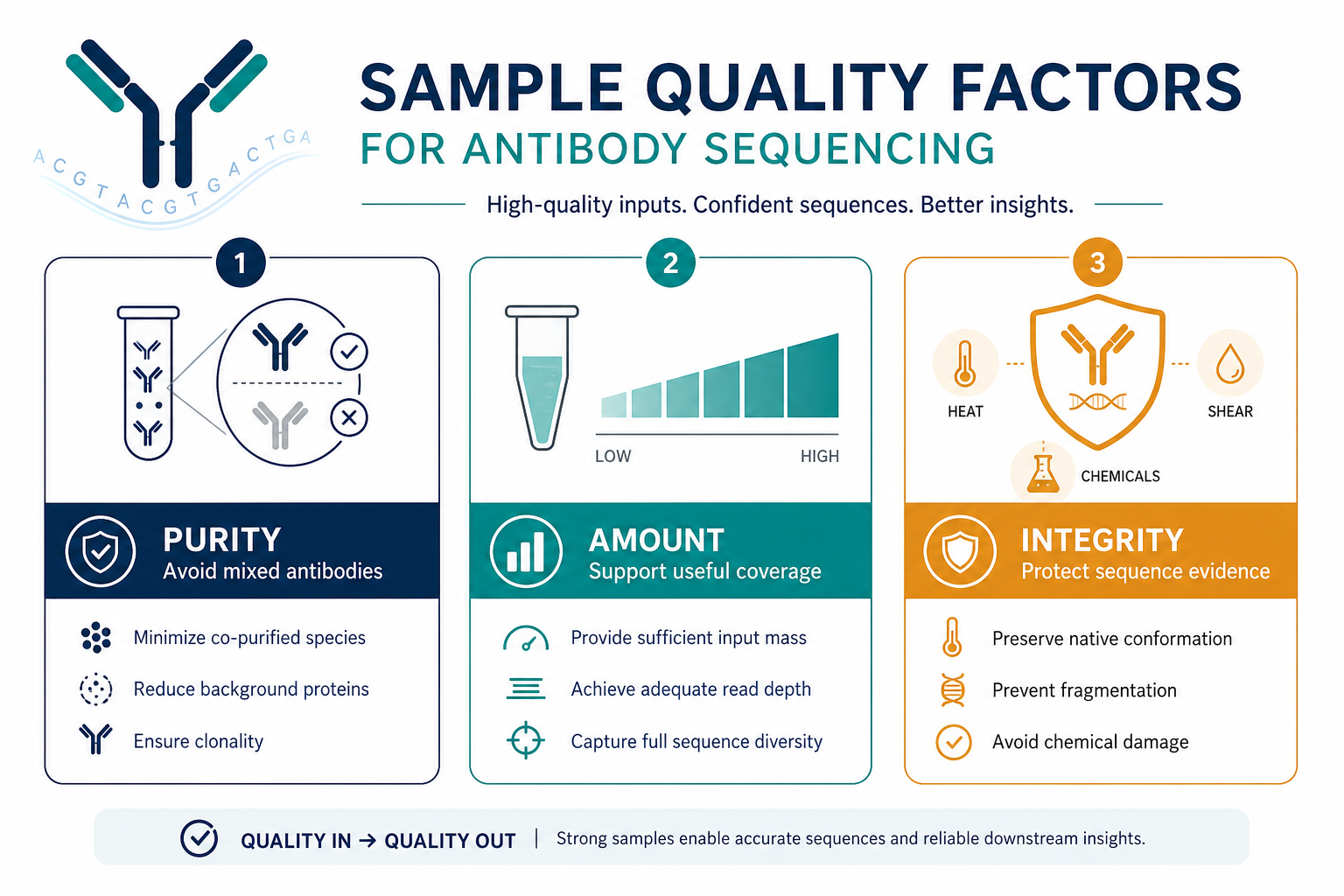
Figure 1. Sample quality controls reduce ambiguity before analysis begins.
Problem 1: The Sample Contains More Than One Antibody
Mixed antibodies are one of the most common causes of confusing results. A polyclonal sample, contaminated monoclonal preparation, mixed hybridoma culture, or poorly purified antibody can produce overlapping peptide or transcript signals. This can lead to chimeric assemblies or uncertainty about which heavy chain belongs with which light chain.
The solution is to clarify clonality and purity before sequencing. For protein-based sequencing, purification and purity checks are important. For cell-based sequencing, single-clone confirmation, cell viability, and transcript quality matter. If the sample is expected to contain multiple antibodies, the project should be designed as a mixture analysis rather than a standard monoclonal recovery.
At this stage, MtoZ Biolabs can Check readiness using the sample history, purification method, and available QC data before rare material is committed.
Problem 2: The Antibody Amount Is Too Low
Low input can reduce peptide coverage in LC-MS/MS-based sequencing or lead to weak amplification in PCR-based workflows. The issue is not only concentration. Total amount, purity, matrix effects, and recovery after preparation all affect the useful signal.
When possible, provide a measured concentration, total volume, buffer composition, and storage history. If sample amount is limited, the sequencing plan may need low-input preparation, careful prioritization, or a staged approach. For rare antibodies, it is often safer to run a feasibility assessment before using the entire sample.
Problem 3: Degradation Changes the Evidence
Degradation can affect both protein and nucleic acid workflows. Fragmented antibody protein may reduce peptide mapping continuity. Degraded RNA may cause biased or incomplete variable-region recovery. Repeated freeze-thaw cycles, improper storage, protease contamination, or long handling times can all contribute.
Researchers should store antibodies under recommended conditions, avoid unnecessary freeze-thaw cycles, and document handling history. For cell or RNA-based projects, cold-chain control and fast processing are important. A sequencing provider should also explain how degradation risk is assessed and how ambiguous evidence is reported.
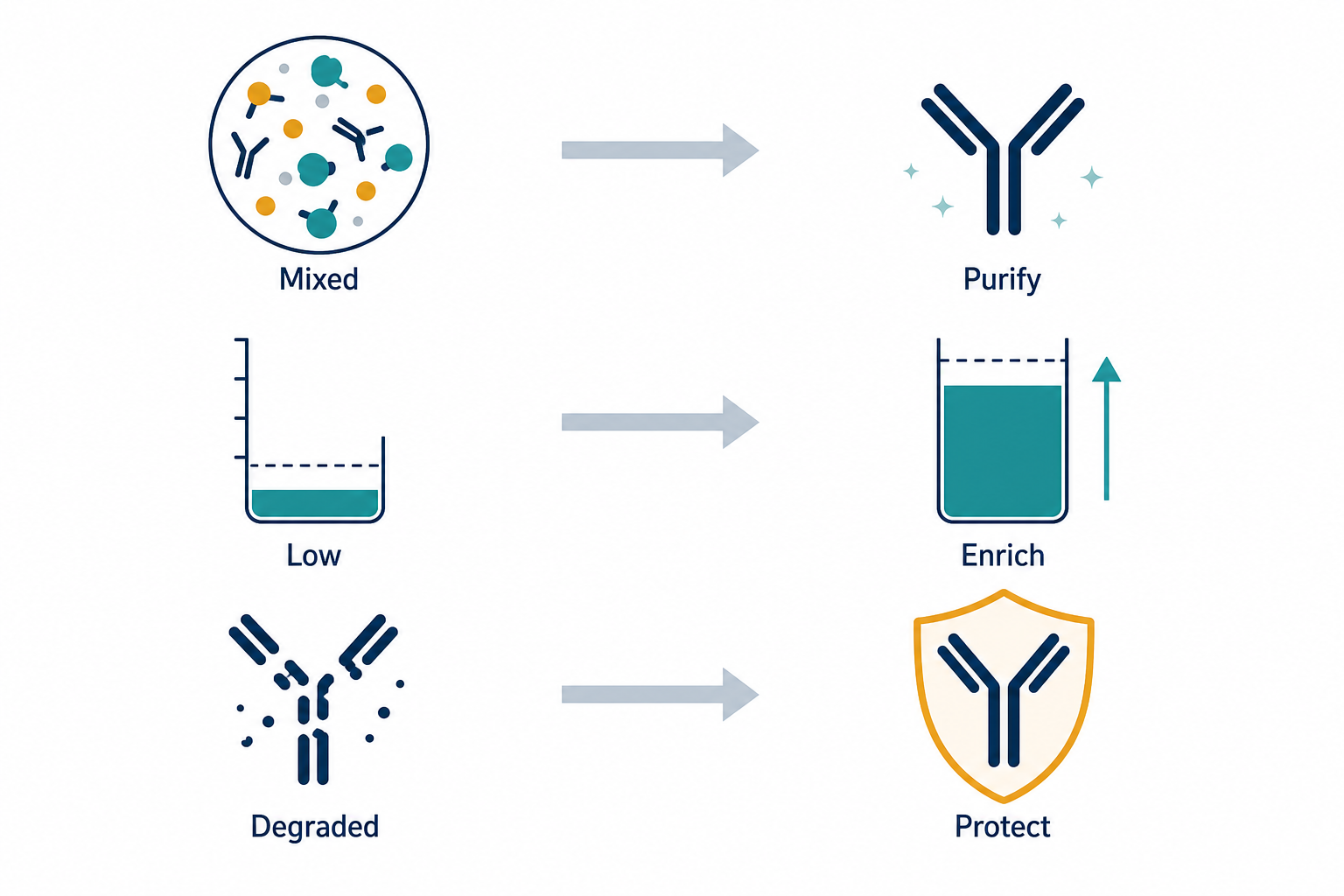
Figure 2. Each common failure mode should be paired with a practical QC control.
Problem 4: Buffer or Matrix Interference
Antibody samples may contain stabilizers, detergents, carrier proteins, salts, preservatives, glycerol, serum proteins, or culture media components. Some additives are compatible with sequencing after cleanup. Others can interfere with digestion, enrichment, MS sensitivity, RNA recovery, or amplification.
Before submission, researchers should share the buffer formulation if known. If the antibody comes from a commercial reagent, include the datasheet. If the formulation is unknown, additional cleanup or buffer exchange may be needed. The goal is not to make every sample “perfect,” but to avoid hidden chemistry that reduces useful sequence evidence.
Problem 5: The Method Does Not Match the Sample
A common mistake is choosing a method because it sounds more advanced, not because it fits the material. PCR-based recovery requires suitable cellular or nucleic acid material. LC-MS/MS-based de novo sequencing requires enough antibody protein and strong peptide evidence. Peptide mapping is useful for confirmation, but it may not solve a fully unknown sequence alone.
The decision should start with three questions. What material is available? Is the sequence known, partially known, or completely unknown? What level of evidence is needed for the next step? The answers determine whether PCR, LC-MS/MS, peptide mapping, or a combined strategy is appropriate.
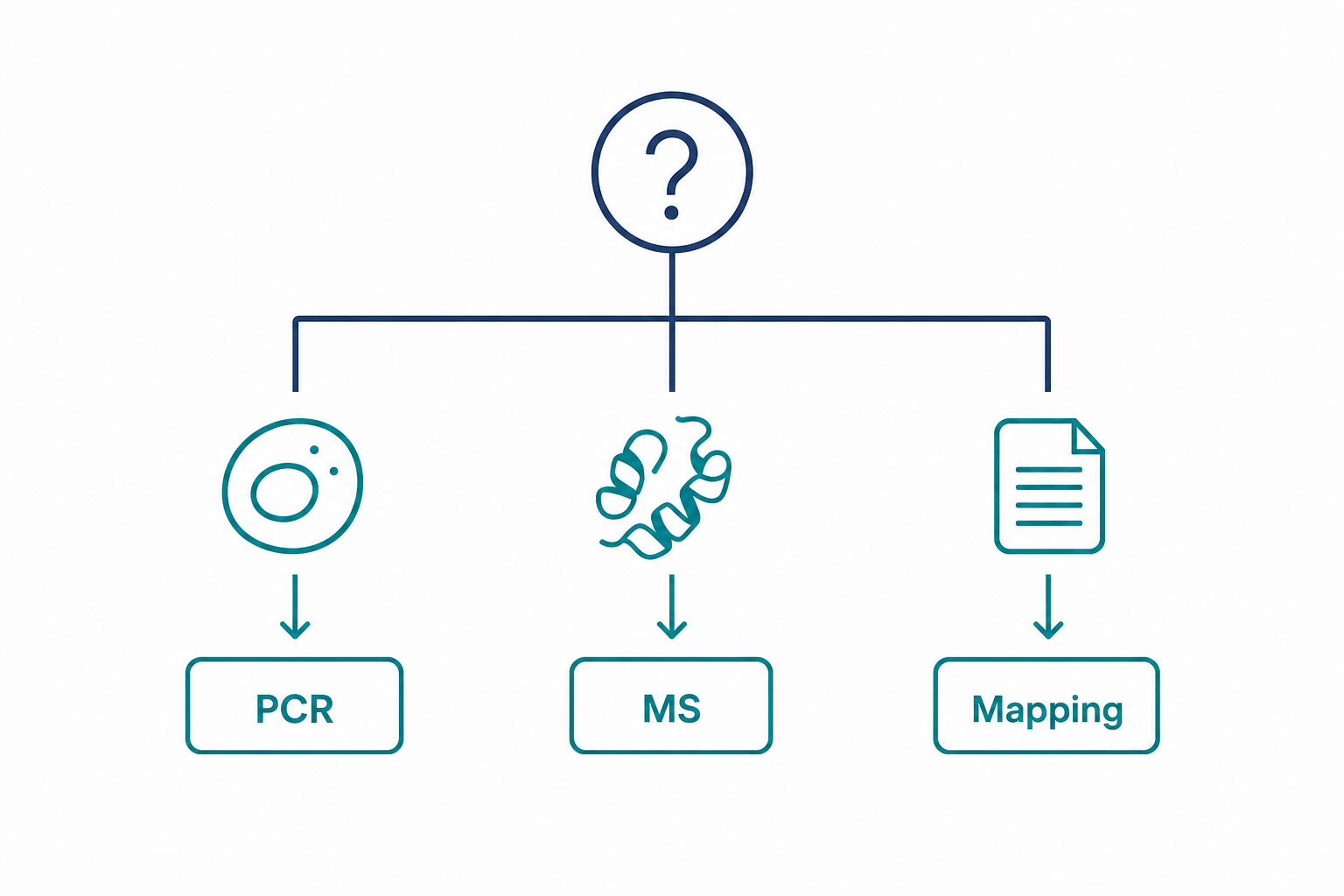
Figure 3. Method selection should follow sample availability and the decision the data must support.
Problem 6: Missing Project Metadata
Sequencing teams need context. Species, isotype, source material, purification method, target antigen, known partial sequence, storage conditions, and previous assay data can all improve interpretation. Without metadata, the analysis may still proceed, but the risk of unresolved calls increases.
A practical submission package should include sample ID, antibody type, source, concentration, buffer, volume, storage condition, purity information, expected species, and downstream purpose. If the project supports recombinant expression, include expression goals. If it supports comparison, include reference sequence or comparator information.
How to Build a Safer Submission Checklist
Before starting a sequence recovery project, review four areas. First, confirm sample identity and purity. Second, check whether the amount and format match the method. Third, document handling and storage. Fourth, define the required output: variable regions, full-length sequence, CDR annotation, sequence confirmation, or report-ready evidence.
This simple checklist helps avoid a common failure pattern: submitting a valuable sample with unclear history and expecting the sequencing workflow to resolve every unknown. Strong preparation makes the data more useful and the timeline more predictable.
Frequently Asked Questions
1. Can antibody sequencing be done from hybridoma supernatant?
It may be possible, but supernatant composition and antibody abundance matter. In many cases, purified antibody, cell material, or RNA/cDNA provides a more reliable route.
2. What if my antibody sample is mixed?
Mixed samples require special planning. Standard monoclonal sequencing may not confidently assign heavy and light chains if multiple antibodies are present.
3. Is a small amount of antibody enough?
Sometimes, but success depends on total amount, purity, method, and expected complexity. Low-input projects should be reviewed before submission.
4. Do I need to provide the target antigen?
The target antigen is not always required for sequence recovery, but it helps interpretation and downstream validation planning.
Conclusion
Most sequence recovery problems are preventable. Purity, amount, degradation, buffer composition, method fit, and metadata all influence sequence confidence. A careful pre-submission review helps researchers protect rare samples and avoid repeated runs. For projects where the antibody is valuable, limited, or poorly documented, MtoZ Biolabs can Align samples with the sequencing strategy and expected deliverables before analysis begins.
How to order?




