






Antibody Sequencing Methods Compared: MS, PCR, and Edman
Introduction
Choosing a sequence recovery method is rarely a purely technical preference. It depends on the material available, the sequence information already known, and the decision the data must support. A hybridoma recovery project, a purified antibody rescue project, and a biosimilar characterization project can all involve sequencing, but they do not need the same workflow.
Researchers often compare LC-MS/MS-based de novo sequencing, PCR-based recovery, Edman degradation, and peptide mapping. Each method has strengths. Each also has limitations that can become expensive if discovered too late. The best choice is the method that produces enough reliable evidence for the next decision, without adding unnecessary cost or uncertainty.
If your team is balancing speed, confidence, sample constraints, and downstream use, method selection should happen before sample submission. For uncertain projects, MtoZ Biolabs can Compare methods before the team chooses PCR, protein-level evidence, confirmation mapping, or a combined strategy.
Related Services
| Customer Need | Recommended Service Direction |
| Need sequence recovery from protein material | De Novo Antibody Sequencing Service |
| Need sequence recovery from cells or cDNA | PCR Based Antibody Sequencing Service |
| Need terminal sequence confirmation | N-Terminal Sequencing Service |
| Need C-terminal sequence information | C-Terminal Sequencing Service |
| Need broader primary-structure evidence | Primary Structure Analysis Service |
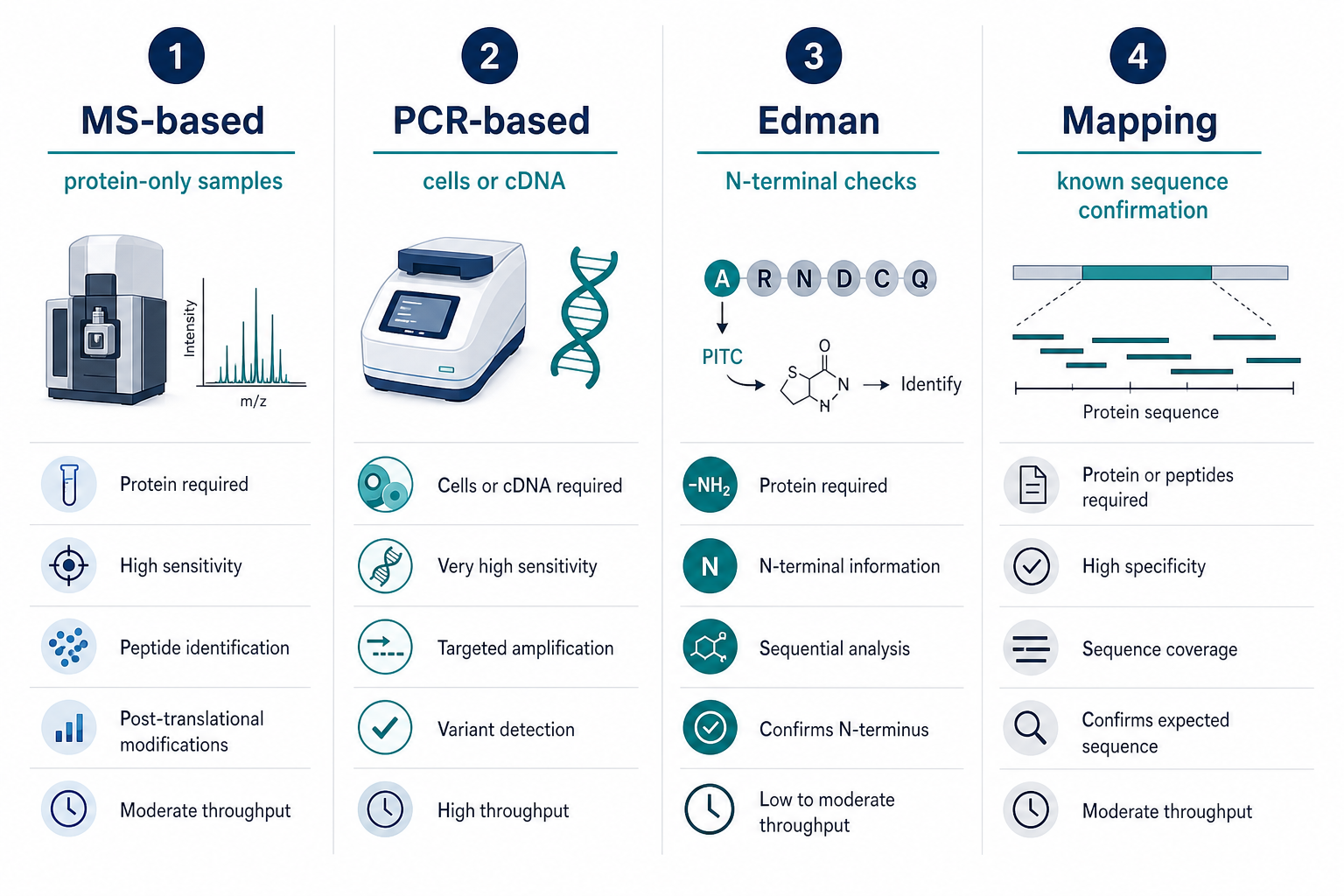
Figure 1. Methods should be compared by sample fit, evidence type, strength, and limitation.
LC-MS/MS-Based De Novo Antibody Sequencing
LC-MS/MS-based de novo sequencing is often used when the antibody protein is available but the genetic source is missing or unreliable. The workflow digests the antibody into peptides, measures fragments by high-resolution mass spectrometry, and reconstructs sequences through overlapping peptide evidence.
Its main advantage is that it can work from protein material. This is useful for legacy antibodies, commercial antibodies, archived purified material, or antibodies whose producing cells are no longer available. It can also provide protein-level evidence that supports sequence confirmation.
The limitation is complexity. Full sequence recovery depends on peptide coverage, fragmentation quality, database support, digestion strategy, and expert interpretation. Very similar framework regions, glycosylation, modifications, and incomplete coverage can create ambiguity. For critical uses, follow-up expression and binding validation are recommended.
PCR-Based Sequence Recovery
PCR-based antibody sequencing is often preferred when viable hybridoma cells, B cells, RNA, or cDNA are available. It reads antibody sequences at the nucleic acid level by amplifying immunoglobulin variable regions and assembling heavy-chain and light-chain information.
The method can be efficient and cost-effective when the material is suitable. It is especially useful for hybridoma sequence recovery, recombinant antibody production, and projects where the antibody-producing cell source is available.
However, PCR-based sequencing depends on nucleic acid quality, primer coverage, and correct pairing of chains. It may miss unusual variants if primers do not bind well. It also reads transcripts, not the purified protein itself. If protein-level confirmation is important, peptide mapping or LC-MS/MS may be added.
Edman Degradation
Edman degradation can determine N-terminal amino acid sequences from purified proteins or peptides. It is a classic and well-standardized technique. In antibody work, it may help confirm an accessible N-terminus or support specific sequence checks.
Its limitation is length and scope. Edman sequencing usually reads only a limited number of residues from a free N-terminus. It is not a full antibody sequencing solution for complex heavy-chain and light-chain recovery. Blocked N-termini, mixtures, low amount, or internal sequence needs reduce its value.
Peptide Mapping and Sequence Confirmation
Peptide mapping is not always the same as de novo antibody sequencing. It is often used when a reference sequence exists and the goal is confirmation. LC-MS/MS peptide mapping can verify coverage, detect expected peptides, identify variants, and support primary structure characterization.
For biosimilar, antibody drug, or quality-focused projects, peptide mapping may be more appropriate than full de novo recovery. It answers whether the observed protein matches the expected sequence and where differences may exist.
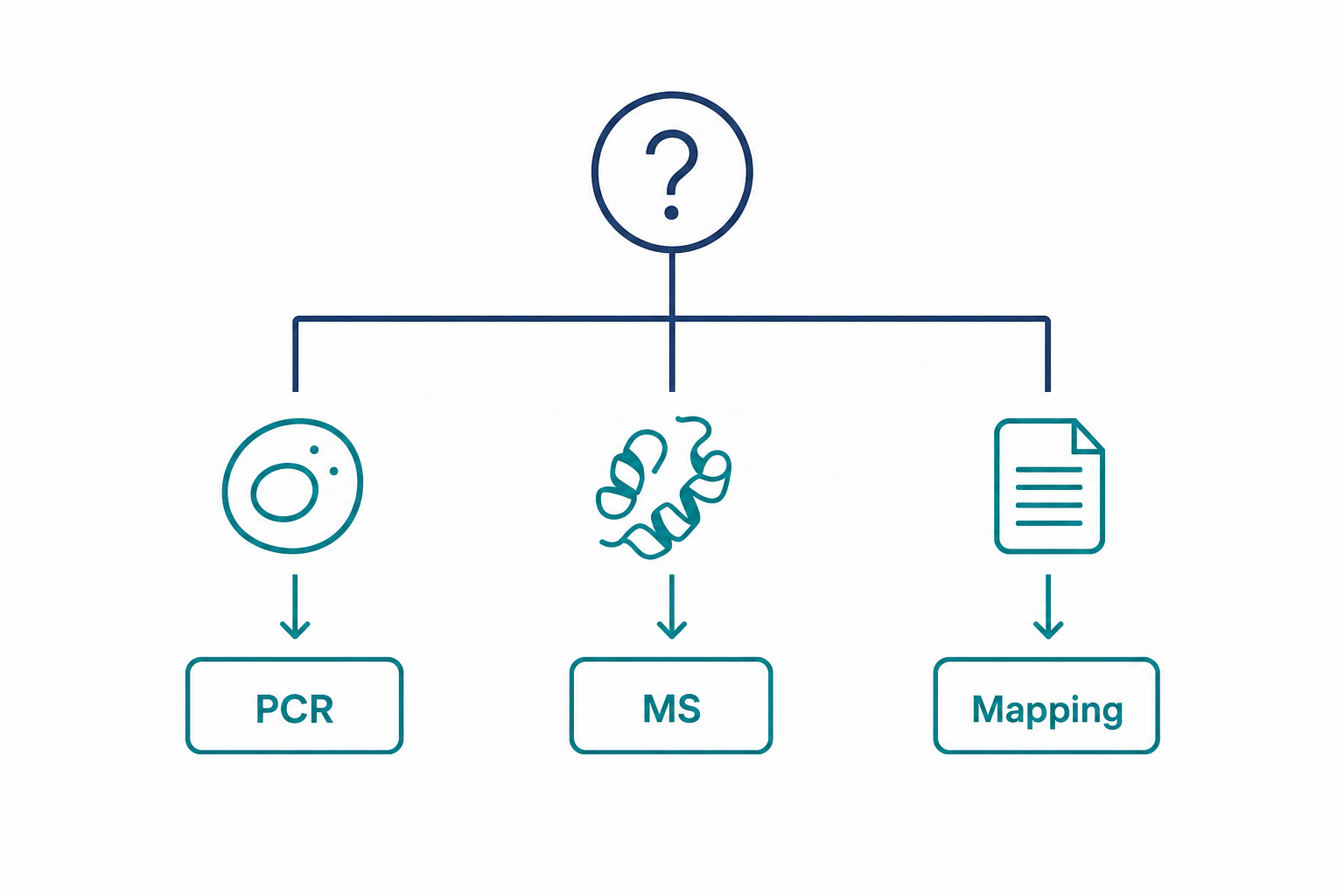
Figure 2. The correct method depends on whether source cells, purified protein, and prior sequence information are available.
In-House vs Outsourced Sequencing Support
Some teams consider building internal sequencing capacity. This can make sense for organizations with large, continuous antibody pipelines and existing mass spectrometry or sequencing infrastructure. However, antibody sequencing requires more than instrument access. It requires sample preparation experience, method development, bioinformatics, annotation, QC review, and interpretation.
Outsourcing can reduce capital investment and shorten method setup time. It can also provide access to specialized workflows for difficult samples. The tradeoff is vendor dependence, so teams should evaluate transparency, deliverables, communication, and data ownership.
For many academic labs and biotech teams, outsourced antibody sequencing is most useful when the project is occasional, urgent, sample-limited, or documentation-sensitive. For organizations with repeated programs, a hybrid model can work: routine internal screening paired with external expert sequencing for critical candidates.
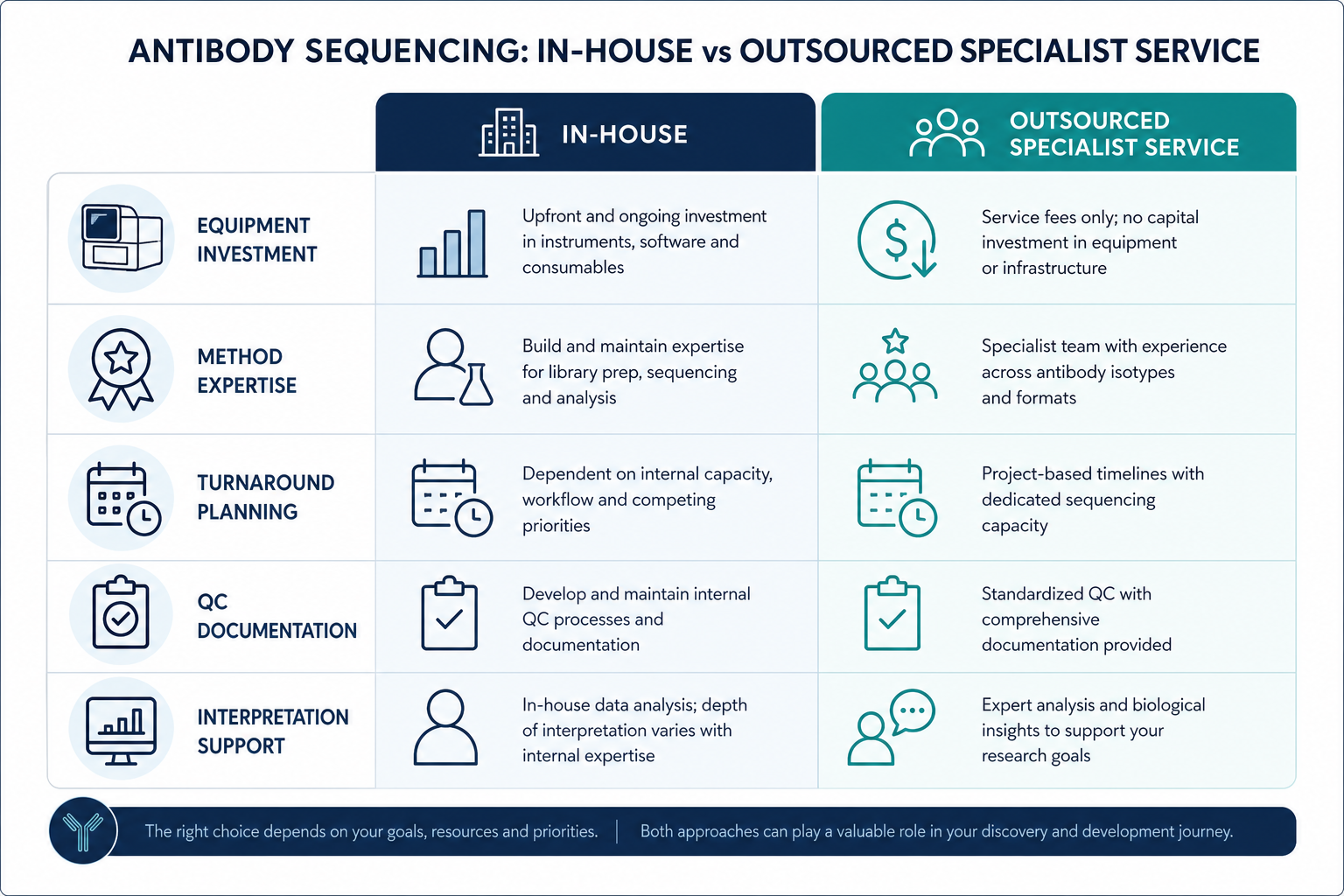
Figure 3. Outsourcing is often valuable when specialized expertise, documentation, and turnaround planning matter.
Practical Decision Rules
Use PCR-based sequencing when suitable cellular or nucleic acid material is available and the goal is efficient recovery of antibody variable regions. Use LC-MS/MS-based de novo sequencing when only purified protein is available or when protein-level evidence is essential. Use peptide mapping when a reference sequence exists and the goal is confirmation. Use Edman degradation for limited N-terminal questions, not full antibody recovery.
For high-value antibodies, do not force a single method if combined evidence would reduce risk. A PCR result can be supported by peptide confirmation. A de novo protein sequence can be tested through recombinant expression. A peptide map can be paired with orthogonal assays when quality or regulatory confidence matters.
Frequently Asked Questions
1. Which antibody sequencing method is fastest?
PCR-based sequencing can be fast when high-quality cell or nucleic acid material is available. Protein-level de novo sequencing may take longer because peptide evidence and assembly require more interpretation.
2. Can LC-MS/MS sequence an antibody without DNA?
Yes. LC-MS/MS-based de novo sequencing can recover antibody sequence information from purified protein, although sample quality and coverage affect confidence.
3. Is Edman degradation still useful?
Yes, but mainly for N-terminal sequence questions. It is not usually sufficient for full antibody heavy-chain and light-chain recovery.
4. Should I use more than one method?
For valuable or decision-critical antibodies, combined evidence can be useful. PCR, LC-MS/MS, peptide mapping, and expression validation can answer different parts of the question.
Conclusion
Method selection should start with the available material and the downstream decision. PCR-based sequencing fits cell or nucleic acid material. LC-MS/MS-based de novo sequencing helps when purified antibody protein is the main resource. Peptide mapping supports confirmation. Edman degradation answers limited terminal questions. MtoZ Biolabs can Match method to the sample, evidence standard, and project goal before sequencing begins.
How to order?




