






Antibody Sequencing Cost Guide: What Drives Price and Turnaround
Introduction
Project cost is shaped by more than the number of samples. A simple hybridoma sequence recovery project and a difficult de novo sequencing project from limited purified protein require different levels of preparation, instrumentation, assembly, and review. The same keyword can describe very different scopes of work.
For researchers and project managers, the practical question is not “What is the lowest price?” It is “What evidence do we need, and what work is required to generate it reliably?” A low quote may become expensive if it excludes sample cleanup, repeat runs, raw data, CDR annotation, QC review, or technical interpretation.
A useful cost discussion should cover sample type, method choice, desired sequence depth, report format, turnaround needs, and downstream use. If the antibody will support recombinant production, IP documentation, biosimilar comparison, or publication, the deliverables should be clear before the project starts.
Related Services
| Customer Need | Recommended Service Direction |
|
Need de novo recovery for unknown antibodies
|
|
|
Need PCR-based recovery from cells or cDNA
|
|
|
Need antibody drug characterization support
|
|
|
Need primary-structure evidence
|
|
|
Need broader biopharmaceutical analysis
|
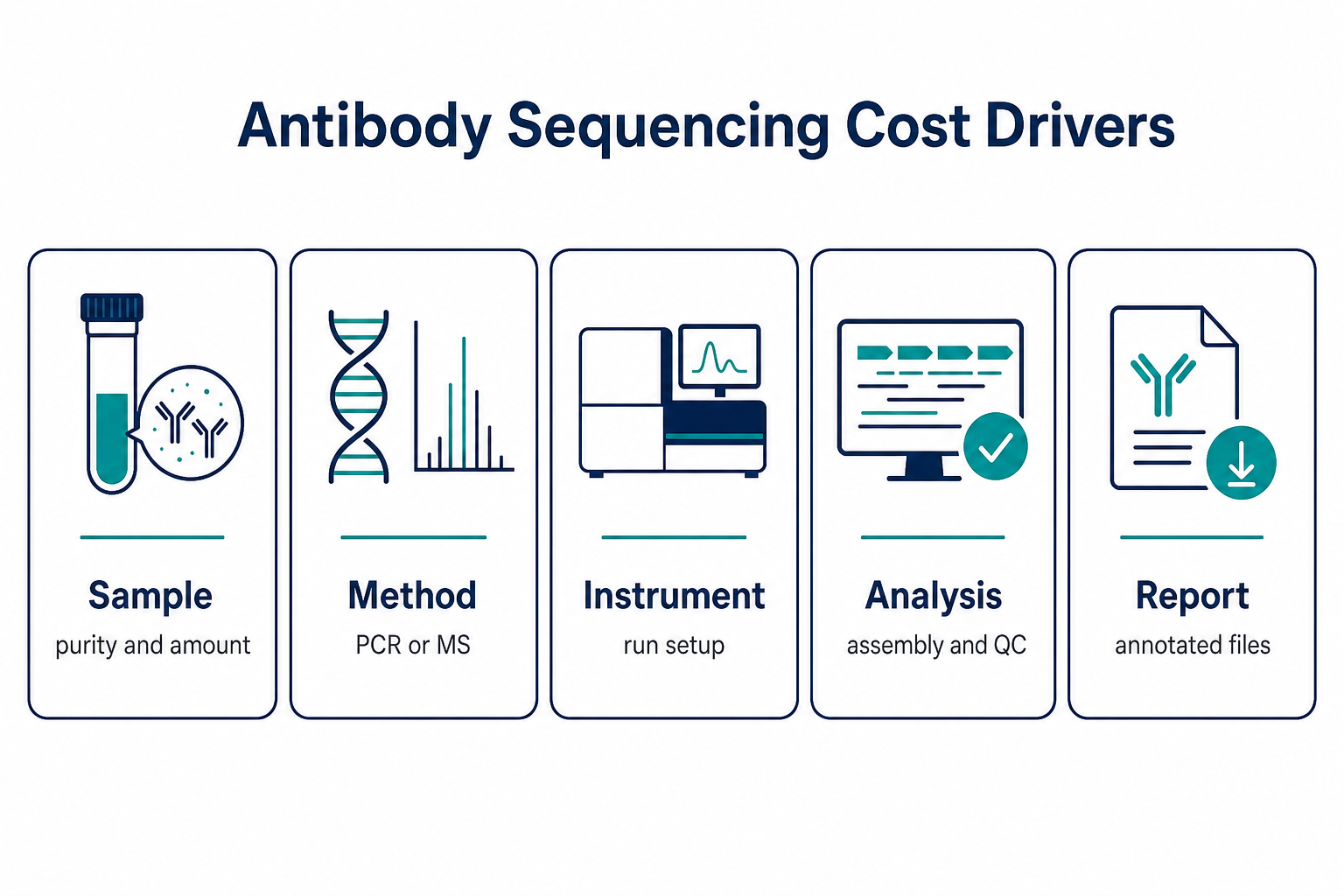
Figure 1. Cost reflects preparation, analytical work, assembly, validation, and reporting.
Main Cost Drivers
The first cost driver is sample condition. A clean, well-documented hybridoma or purified antibody sample is easier to process than a low-volume, degraded, mixed, or poorly characterized sample. Additional cleanup, enrichment, repeat preparation, or feasibility testing can increase cost.
The second driver is method selection. PCR-based antibody sequencing may be efficient when suitable cells or nucleic acid are available. LC-MS/MS-based de novo sequencing often requires more instrument time, digestion strategy, peptide coverage, and expert assembly. Confirmation mapping, PTM analysis, or primary structure characterization can add another layer.
The third driver is deliverable depth. A basic sequence output is different from an evidence-backed report with CDR annotation, raw data, QC summaries, confidence notes, method details, and technical consultation. For research or development decisions, the evidence package may matter more than the sequence string.
Turnaround Time: What Affects the Schedule?
Turnaround time depends on sample receipt, feasibility review, preparation, instrument scheduling, sequencing run time, data processing, manual review, and reporting. A project may move quickly if the sample is straightforward and documentation is complete. It may slow down if the sample requires cleanup, method adjustment, repeat analysis, or additional confirmation.
Urgent timelines should be discussed early. Some steps can be accelerated, but biology and data quality impose limits. A rushed workflow that sacrifices QC may create more delays later if the sequence needs correction or validation.
MtoZ Biolabs can Scope timeline after reviewing sample type, available material, method fit, and reporting expectations. This is especially helpful when the sequence is needed for expression, manuscript submission, patent work, or a development milestone.
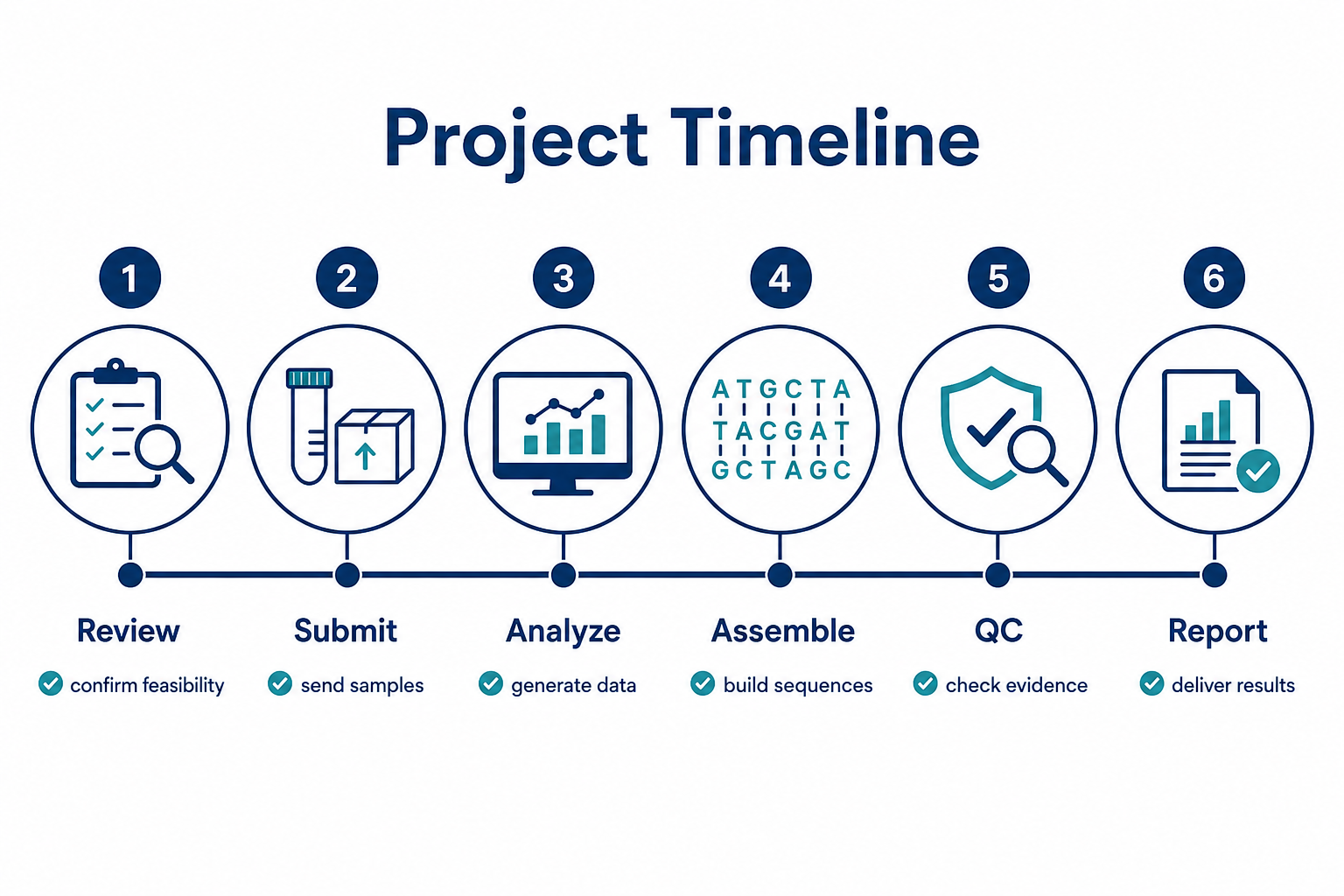
Figure 2. A predictable project timeline depends on sample readiness, analytical complexity, and QC review.
What Should Be Included in a Quote?
A useful quote should specify the sample requirements, method, number of samples, expected deliverables, estimated timeline, data handover format, and assumptions. It should also explain what happens if the sample fails QC or produces incomplete evidence.
Researchers should ask whether the provider includes raw spectra or reads, annotated sequences, CDR numbering, confidence assessment, method notes, and technical interpretation. They should also ask whether additional validation, peptide mapping, repeat preparation, or expedited processing is included or billed separately.
For procurement teams, transparency is important. A quote that appears simple may hide extra charges for sample cleanup, bioinformatics, report customization, or consultation. A detailed quote helps compare vendors fairly.
Evaluating a Vendor
Cost is only one part of vendor selection. A strong sequence recovery provider should explain sample requirements clearly, recommend an appropriate method, provide transparent deliverables, and report uncertainty honestly. Overpromising full recovery from poor or mixed material is a warning sign.
The vendor should also understand how the sequence will be used. Recombinant expression, antibody engineering, biosimilar comparison, QC documentation, and publication support have different evidence needs. Technical support matters because sequencing output often requires interpretation.
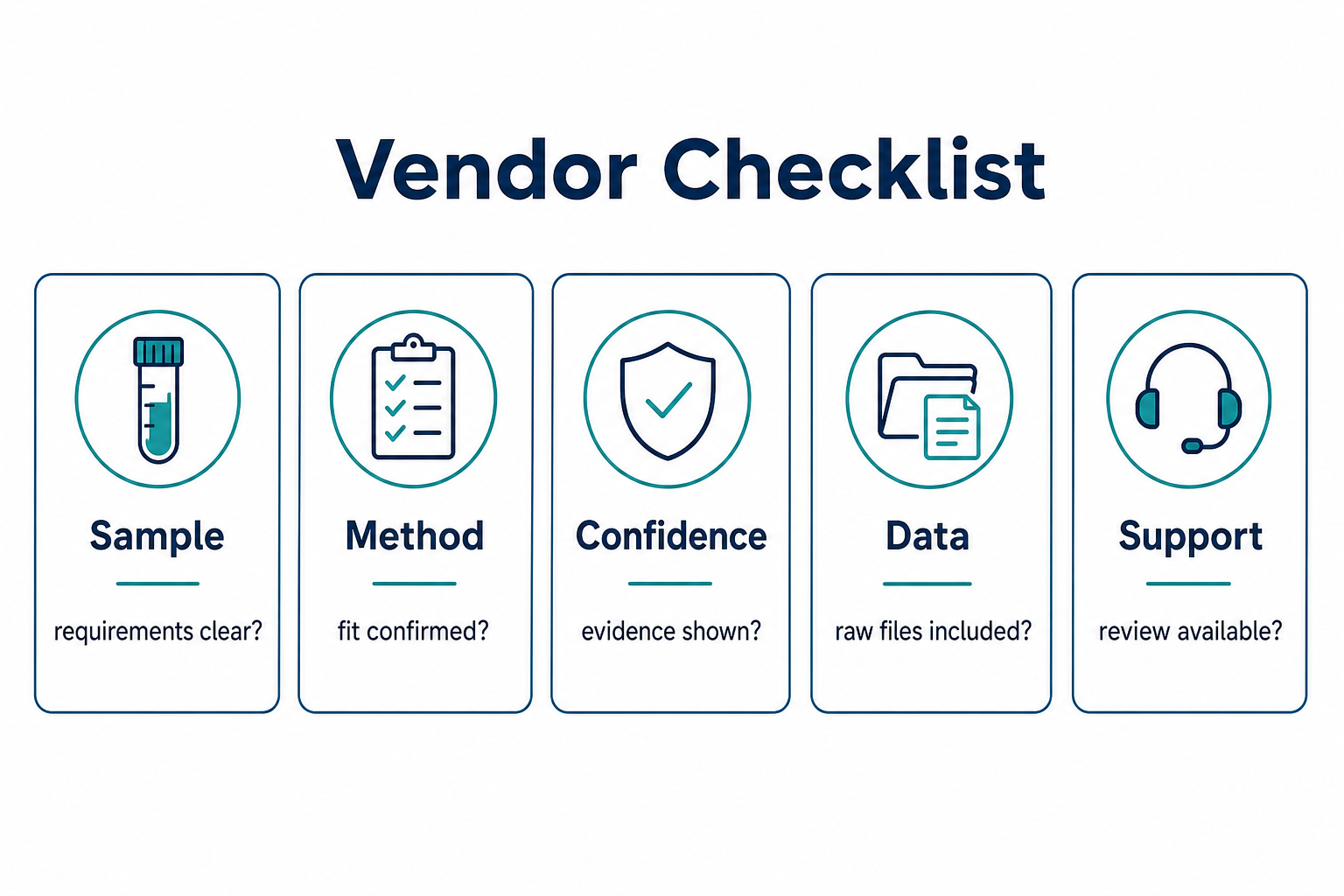
Figure 3. Vendor evaluation should focus on method fit, evidence transparency, QC, and support.
What Deliverables Create Real Value?
The most valuable deliverables are those that make the next decision easier. For recombinant expression, that may mean VH and VL sequences with CDR annotation and confidence notes. For protein confirmation, it may mean peptide coverage and raw spectra. For quality or comparison work, it may mean a structured report with method details and traceable evidence.
A final report should be clear enough for scientists, project managers, and downstream partners. It should not hide uncertainty. If a region is unresolved or requires validation, the report should say so. This protects the project from false confidence.
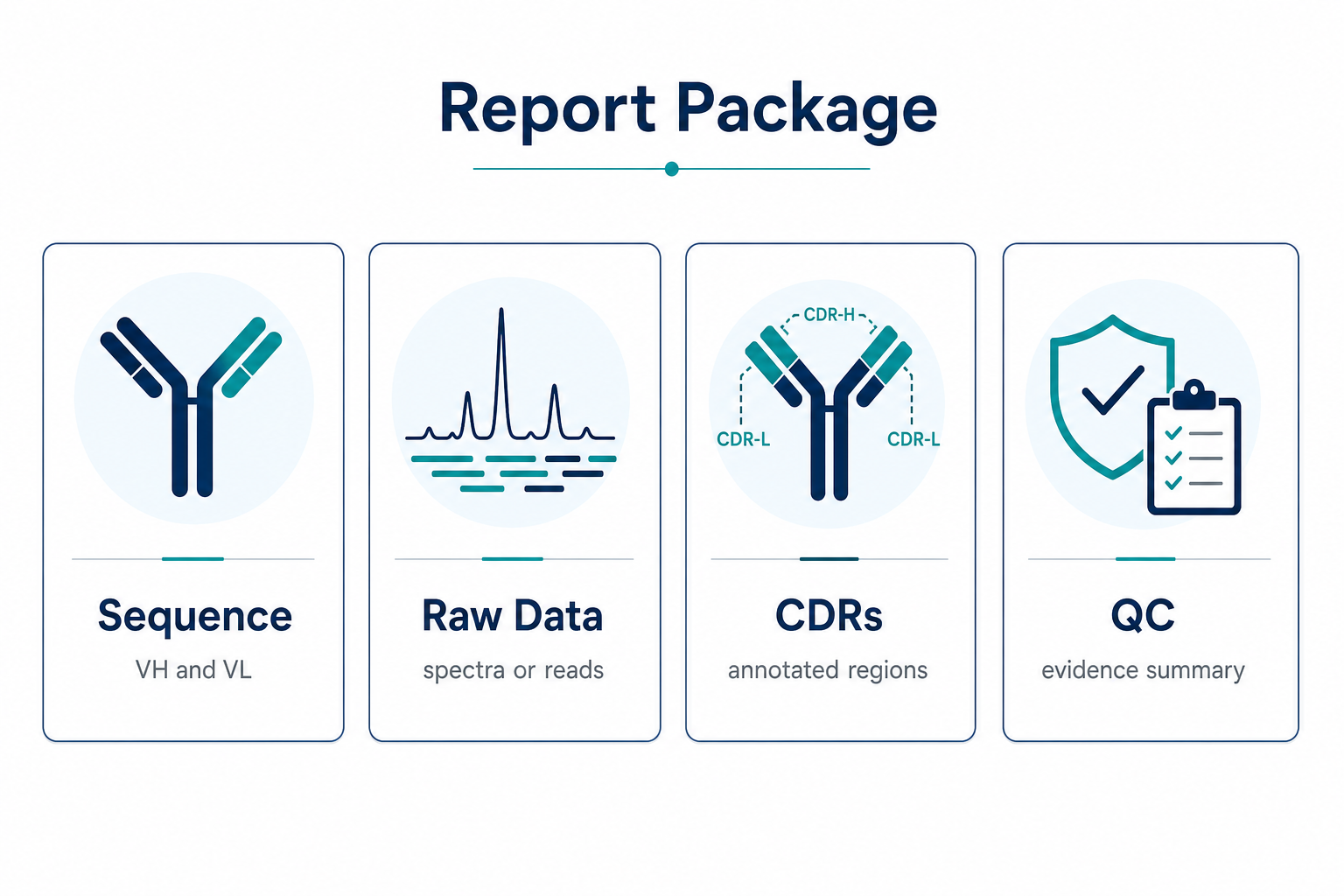
Figure 4. A complete evidence package makes antibody sequencing data easier to reuse, validate, and document.
How to Request a More Accurate Quote
To receive a useful quote, prepare a short project brief. Include sample type, species, isotype if known, source material, concentration, volume, buffer, storage history, number of samples, known sequence information, and intended use. If you have SDS-PAGE, purity data, prior binding data, or partial sequence information, include it.
Also define your required output. Do you need variable regions, full-length sequence, CDR annotation, raw data, peptide coverage, recombinant expression support, or a report for internal documentation? The clearer the output, the more accurate the scope.
Frequently Asked Questions
1. How much does antibody sequencing cost?
Cost depends on sample type, method, number of samples, quality requirements, and deliverables. A project-specific quote is more reliable than a generic price.
2. Why is de novo antibody sequencing more expensive?
Protein-level de novo sequencing often requires more sample preparation, LC-MS/MS instrument time, peptide coverage, assembly, and expert review.
3. Can I reduce cost by submitting better samples?
Yes. Clean, sufficient, well-documented samples reduce troubleshooting and repeat work. Good metadata also improves interpretation.
4. What should I ask before choosing a provider?
Ask about sample requirements, method selection, raw data delivery, QC reporting, sequence confidence, limitations, timeline, and technical support.
Conclusion
Project cost should be evaluated through scope, evidence quality, and downstream value. The cheapest quote may not be the best option if it lacks QC, interpretation, or usable deliverables. A strong project starts with sample review, method fit, transparent reporting, and realistic timelines.
MtoZ Biolabs can Quote scope based on your sample type, intended use, and required evidence package.
How to order?




