






Antibody Selection for Low-Abundance Protein IP-MS
Low-abundance protein IP-MS succeeds when the capture reagent recovers enough bait under native lysate conditions for LC-MS/MS to read partners above background—not when a western blot antibody merely detects the target after denaturation. For scarce baits, antibody class, enrichment support, and workflow choice matter as much as instrument depth.
An IP-MS validated antibody, or an antibody validated by IP-MS for the target, should show bait recovery with MS-compatible background in an immunoprecipitation workflow. When endogenous abundance is low, modified isoforms are unstable, or transient complexes are the claim, product selection should also consider bead-ready formats, low-abundance enrichment support, and whether Co-IP-MS, AP-MS, or pull-down-MS is the better route. Teams planning low-abundance interaction work can share target identity, sample matrix, and readout goals with MtoZ Biolabs before ordering reagents or locking a service path.
Which Antibody Class Fits Low-Abundance IP-MS Goals
Low-abundance projects fail when the wrong capture logic is applied. Use the table below to shortlist antibody or workflow type before selecting individual SKUs.
|
Research goal |
Capture logic |
Antibody or product class to review first |
Typical workflow fit |
|---|---|---|---|
|
Endogenous low-abundance node interactome |
Named bait protein in native lysate |
IP-MS validated antibody for that target |
Co-IP-MS / IP-MS |
|
Scarce bait with weak IP recovery |
Same bait, higher capture efficiency needed |
Bead-conjugated IP-MS validated antibody; review enrichment support |
Co-IP-MS with enrichment prep |
|
Modified or PTM-sensitive low-abundance bait |
Native bait with modification context |
Target Protein Antibody with IP-MS evidence; preserve PTM handling |
Co-IP-MS across conditions |
|
Tagged bait when endogenous IP is impractical |
Affinity tag on expressed bait |
Tag AP workflow rather than node antibody |
AP-MS |
|
Recombinant domain or direct binding test |
Controlled bait capture |
Not always antibody-first |
Pull-down-MS |
|
Broad low-abundance proteome shift before node focus |
Enrichment before targeted IP |
Low-abundance enrichment support reagents |
Pilot enrichment then IP-MS |
Read the table as an application guide. A western blot–validated catalog entry does not replace IP-MS validation when LC-MS/MS will define the partner list.
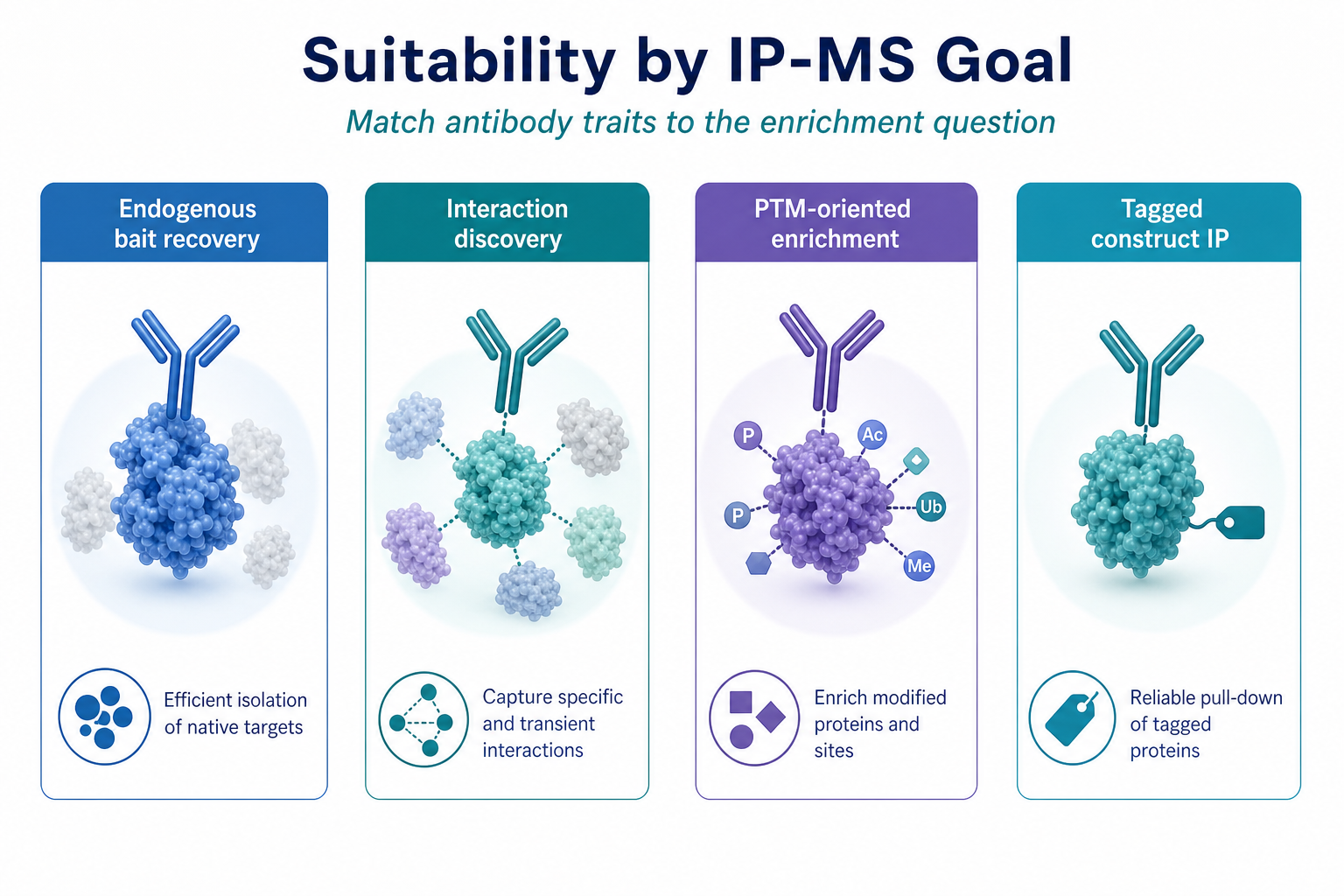
Figure 1. Match antibody class and workflow to whether the question is endogenous node capture, tagged AP-MS, or pull-down-MS.
Selection Criteria That Matter for Low-Abundance Targets
Low-abundance baits leave less margin for weak capture, harsh washes, or noisy background. Review the criteria below before purchase.
IP-MS validation evidence. Prefer antibodies labeled as IP-MS validated, antibody validated by IP-MS, or antibody validated for IP-MS when the readout is LC-MS/MS partner identification. IP-only claims may still need pilot confirmation that bait peptides are recovered after enrichment.
Epitope coverage and clonality. Polyclonal antibodies can sometimes improve capture of low-abundance or partially modified targets through multiple epitopes, but lot variation and background risk can be higher. Monoclonal antibodies often favor replicate consistency. Choose based on whether epitope breadth or lot stability is the limiting factor.
Native binding context. Confirm species, isoform, and immunogen fit. An antibody that recognizes denatured protein on a membrane may still fail to recover scarce native bait from lysate.
Bead format and workflow efficiency. Bead-conjugated or magnetic formats can reduce handling loss for low-input IPs when the SKU matches the sample matrix and validation context.
Enrichment and lysis support. Low-Abundance Protein Enrichment Kit and native-preserving extraction reagents may be relevant when the bait is scarce before IP begins. Co-Immunoprecipitation (Co-IP) Kit and rProtein A Beads 4FF support routine IP setup but do not replace antibody fit.
Control design. Plan negative controls appropriate to the workflow—such as IgG IP, bead-only controls, or empty-tag lines for AP-MS—not a single control type in isolation. Controls should match host, bead chemistry, and lysis conditions across arms.
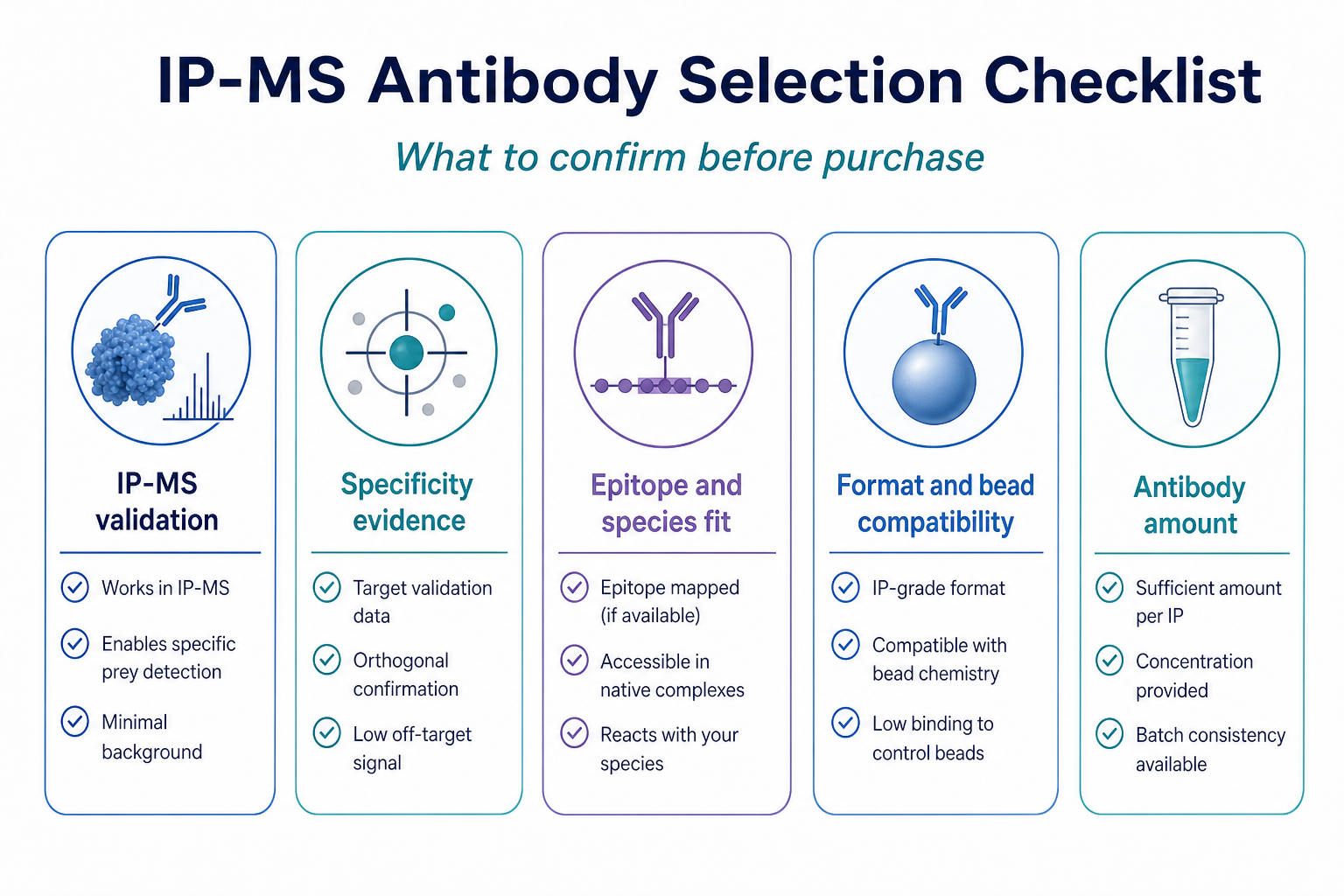
Figure 2. Confirm IP-MS validation, epitope fit, format, enrichment need, and control design before ordering.
When to Stay With IP-MS Antibodies vs Switch Workflow
Not every low-abundance interaction question should stay on an antibody-centered Co-IP-MS path.
Stay with an IP-MS validated antibody when endogenous context is required, a suitable validated reagent exists or can be pilot-tested, and the partner list is incomplete enough to justify MS discovery.
Consider AP-MS when tagging is acceptable, expression can be controlled, and endogenous antibody recovery is uncertain for a scarce bait.
Consider pull-down-MS when the question is direct or reconstituted binding with a recombinant bait domain rather than endogenous complex architecture.
Consider enrichment-first planning when the bait is below reliable IP input before any antibody is tested. Enrichment support can improve detectability but changes interpretation and should be planned with the primary contrast in mind.
Service scope should match the chosen route. Co-IP-MS and IP-MS discovery are commonly supported through IP-MS Protein Interactomics Analysis Service. Tagged interactome work maps to Affinity Purification-Mass Spectrometry Service. Recombinant bait binding tests map to Pull Down based Protein Analysis Service with Mass Spectrometry. Broader interaction planning can still be reviewed under Protein Interaction Analysis Service during project scoping even when the final route is narrowed to one of these paths.
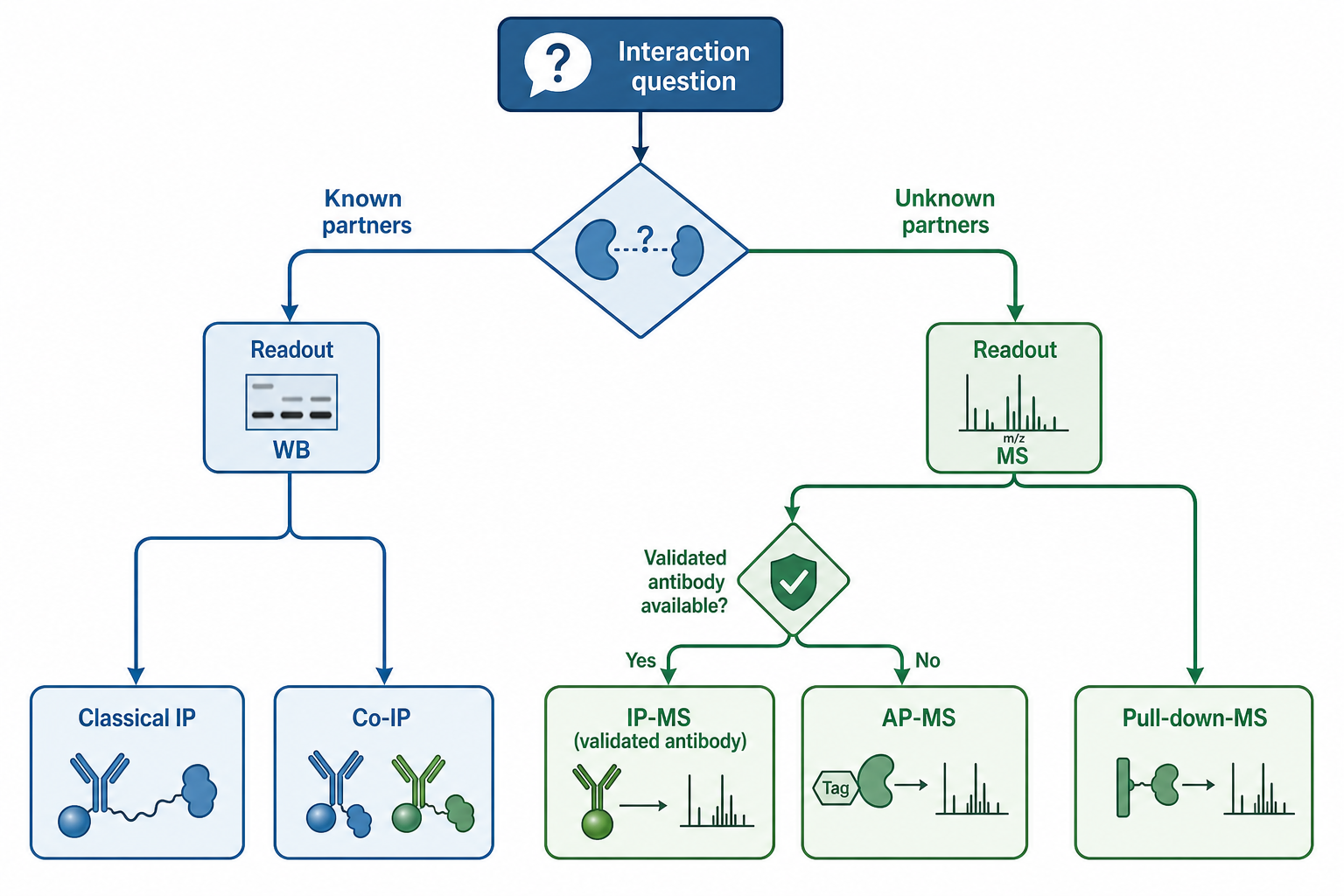
Figure 3. Low-abundance targets often require workflow choice—not only catalog browsing—before reagent purchase.
Common Selection Mistakes
Review these issues before ordering antibodies for low-abundance IP-MS:
- Choosing a western blot antibody because the band looked clean on membrane
- Assuming IP-compatible labeling equals antibody validated for IP-MS
- Using harsh wash conditions that remove transient partners without documenting the tradeoff
- Skipping pilot bait recovery before full replicate Co-IP-MS
- Under-ordering antibody amount for replicate IPs on a scarce target
- Treating IgG control as the only possible negative control design
- Ignoring lysis, inhibitor, and extraction choices that affect low-abundance bait stability
A practical sequence is to write the interaction question, shortlist antibody class, confirm IP-MS validation evidence, plan controls and enrichment needs, then align Co-IP-MS, AP-MS, or pull-down-MS scope with the readout.
MtoZ Biolabs can review target context, low-abundance constraints, and reagent or service fit before the enrichment workflow is committed.
Related Products
Low-Abundance Protein Enrichment Kit
Related Services
IP-MS Protein Interactomics Analysis Service
Affinity Purification-Mass Spectrometry Service
Pull Down based Protein Analysis Service with Mass Spectrometry
Frequently Asked Questions
1. Do low-abundance proteins always need a special IP-MS validated antibody?
They need a reagent with evidence of IP recovery suitable for MS, not merely western blot detection. Bead-ready formats or enrichment support may also be required when bait input is scarce.
2. Is a polyclonal or monoclonal antibody better for low-abundance IP-MS?
Either can work. Polyclonals may improve epitope coverage for some scarce or modified baits. Monoclonals often favor lot consistency. Choose based on validation evidence in your matrix.
3. Can I use a western blot antibody if no IP-MS validated SKU exists?
Pilot IP with MS readout is possible, but expect higher risk. AP-MS or pull-down-MS may be more productive when tagging or recombinant bait options exist.
4. When should I add low-abundance enrichment before IP-MS?
When scarce bait is hard to detect in input material and the primary question still depends on endogenous capture. Confirm how enrichment affects interpretation before full-scale MS.
5. Is IgG control enough for low-abundance Co-IP-MS?
IgG IP is one common negative control, not the only option. Bead-only, empty-tag, or matrix-matched controls may also be needed depending on the workflow.
6. What should I share before selecting antibodies or services?
Target name, species, abundance context, sample type, interaction question, planned readout, and whether endogenous, tagged, or recombinant capture is acceptable.
Conclusion
Antibody selection for low-abundance protein IP-MS is an application decision driven by capture recovery, not by general catalog popularity. Prioritize IP-MS validated or antibody validated by IP-MS evidence, match clonality and format to bait scarcity, plan enrichment and controls deliberately, and switch to AP-MS or pull-down-MS when endogenous antibody capture is not realistic.
Contact MtoZ Biolabs to review target context, product shortlists, and Co-IP-MS, AP-MS, or pull-down-MS fit before committing to a low-abundance interaction workflow.
How to order?




