






What Drives Cost in a Peptide Mapping Service?
Introduction
Researchers evaluating a peptide mapping service often ask for a single price before product type, reporting scope, and deliverable needs are clear. That question is understandable. Grant budgets, vendor comparisons, and CMC milestones all depend on cost predictability. However, peptide mapping is rarely a one-size-fits-all service. The final quote depends on product complexity, digestion strategy, sample number, PTM review depth, comparability requirements, and the reporting standard required for biologics characterization.
A standard tryptic mapping project for a well-characterized mAb is a different workload from a multi-enzyme LC-MS/MS package for a fusion protein with PTM localization, comparability review, and documentation-grade reporting. Treating these projects as equivalent leads to under-budgeting, repeat digestion, or a peptide map that does not support the intended QC or regulatory decision. The more useful question is not only what a peptide mapping service costs, but which workflow factors determine the price and what level of primary structure evidence the project actually needs.
Why Quotes Vary Between Projects
Unlike routine HPLC peptide profiling, a full peptide mapping service often includes feasibility review, digestion design, LC-MS/MS acquisition, database searching, coverage mapping, PTM review, expert interpretation, and report formatting suited to biopharmaceutical use. These steps add scientific value, but they also make pricing project-specific.
Two peptide mapping requests that appear similar on a sample list can differ sharply in cost. One may need single-enzyme identity confirmation for one purified mAb lot with a defined reference sequence. The other may need multi-enzyme mapping for a fusion protein, comparability between reference and test materials, modified-peptide enrichment, annotated spectral delivery, and a report formatted for internal QC or filing support. Quotes also vary because deliverables differ. Some projects need a coverage summary only. Others need searchable peptide tables, PSM-supported assignments, comparability commentary, and QC notes on unsupported regions.
A lower-cost option that excludes feasibility review or expert interpretation may be appropriate for early exploratory confirmation. A higher-cost option with broader digestion and formal reporting is often necessary for release support, biosimilar assessment, or documentation with a higher evidence standard.
Core Cost Components in Peptide Mapping
A useful quote comparison should break the workflow into visible components rather than treating the service as a single line item. Each stage below contributes differently to the final quote, so comparing vendors requires matching not only sample number but also which workflow steps are included.
|
Workflow Stage |
What It Covers |
Why It Affects Cost |
|---|---|---|
|
Feasibility review |
Product type, reference sequence, matrix, and reporting goal |
Prevents mismatched scope before digestion begins |
|
Digestion design |
Enzyme choice, reduction/alkylation, multi-enzyme strategy |
Complex products often need broader digestion planning |
|
Sample preparation |
Cleanup, enrichment, and repeat handling if matrix is difficult |
Buffer additives and low purity can increase prep effort |
|
LC-MS/MS acquisition |
Chromatography time and MS/MS depth |
More samples, longer gradients, and enriched workflows add instrument time |
|
Database search and coverage mapping |
PSM assignment and sequence coverage calculation |
Larger products and multi-chain formats increase review load |
|
PTM and variant review |
Modified peptide assignment and ambiguity resolution |
PTM localization adds interpretation time beyond basic identity |
|
Report delivery |
Coverage maps, peptide tables, spectra, comparability notes |
Documentation-grade reporting increases formatting and review effort |
These components explain why two vendors may quote very different prices for what appears to be the same peptide mapping service request.
Key Factors That Shape the Workflow and Price
Six variables account for most quote differences in peptide mapping projects. Product complexity and digestion strategy usually set the method burden. Sample number and PTM scope define acquisition and review depth. Reporting level and rework risk determine how much interpretation, formatting, and project management are included in the final quote.
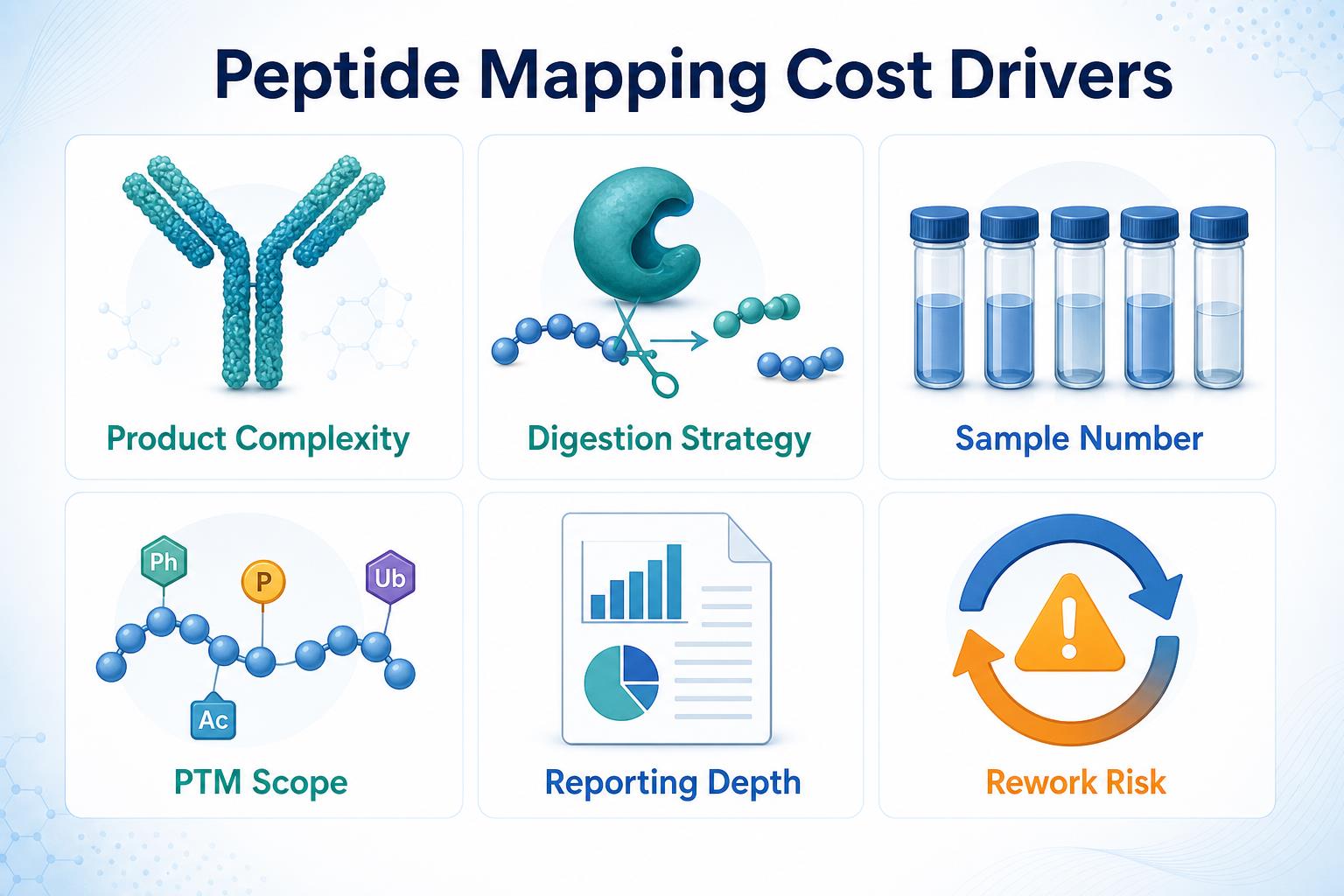
Figure 1. Peptide mapping service cost is shaped by product complexity, digestion strategy, sample number, PTM scope, reporting depth, and rework risk.
Product complexity and chain architecture
A standard mAb with a known reference sequence is usually more predictable than a fusion protein, ADC, bispecific format, or product with repetitive or difficult-to-cover regions. Chain architecture affects digestion design, search complexity, and the likelihood that gap-closure work will be needed.
Digestion and coverage strategy
Single-enzyme tryptic mapping is often the starting point for identity confirmation. Multi-enzyme mapping, enriched modified-peptide workflows, or repeat digestion to close coverage gaps increases method design and data review effort.
Sample number and comparability design
One purified research sample is a different project from a paired reference-and-test comparability package or a multi-lot stability set. Each additional sample adds digestion handling, LC-MS/MS acquisition time, and reporting comparison work.
PTM and variant review scope
Identity confirmation alone is usually less complex than a project that requires oxidation, deamidation, glycosylation, conjugation, or sequence variant localization with confidence notes. PTM review increases both search complexity and expert interpretation time.
Reporting depth and deliverable format
A basic peptide list is not equivalent to a QC-ready package with coverage maps, annotated spectra, comparability summaries, method notes, and QC commentary on unsupported regions. Higher reporting standards typically increase project scope.
Rework risk and project readiness
Undefined reporting goals, incomplete reference sequences, incompatible formulation buffers, and insufficient sample amount often lead to repeat analysis. Upfront feasibility review frequently reduces total expense by preventing rescoping after the first digestion run.
Related Services
Teams scoping peptide mapping budget often compare service tiers at the same time. Relevant options include:
Comprehensive Peptide Mapping Service
Biopharmaceutical Peptide Mapping Analysis Service
Peptide Mapping Analysis Service
HPLC-Based Peptide Mapping Assays Service
Primary Structure Analysis Service
Researchers with undefined reporting scope or sample complexity can consult MtoZ Biolabs to review project requirements and receive a project-based quote before sample submission.
How Project Scope Changes the Budget
Scope is usually the largest scientific driver of peptide mapping service cost. The table below links common scope levels to typical workload differences. It supports budgeting conversations but does not replace sample-specific feasibility review.
|
Scope Level |
Typical Project Profile |
Main Cost Drivers |
|---|---|---|
|
Standard tryptic mapping |
Single mAb lot, identity confirmation, one digestion route |
Feasibility review, LC-MS/MS acquisition, basic coverage report |
|
LC-MS/MS peptide mapping with PTM review |
mAb or fusion protein with modification localization in scope |
Enriched search review, annotated reporting, expert interpretation |
|
Multi-enzyme comprehensive mapping |
Low-coverage product, complex format, or gap-closure need |
Additional digestions, longer review, broader deliverable package |
|
Comparability package |
Reference and test lots with peptide-level comparison |
Paired sample handling, cross-sample reporting, QC commentary |
|
HPLC peptide profiling only |
Chromatographic map without full PSM documentation |
Lower sequence depth, useful for routine profile comparison |
Project phase also matters. Early development may need only enough evidence for an internal go/no-go decision. A later characterization phase may require broader coverage, formal method notes, and documentation suited to QC review. Matching service depth to project phase often controls cost more effectively than choosing the lowest quoted package.
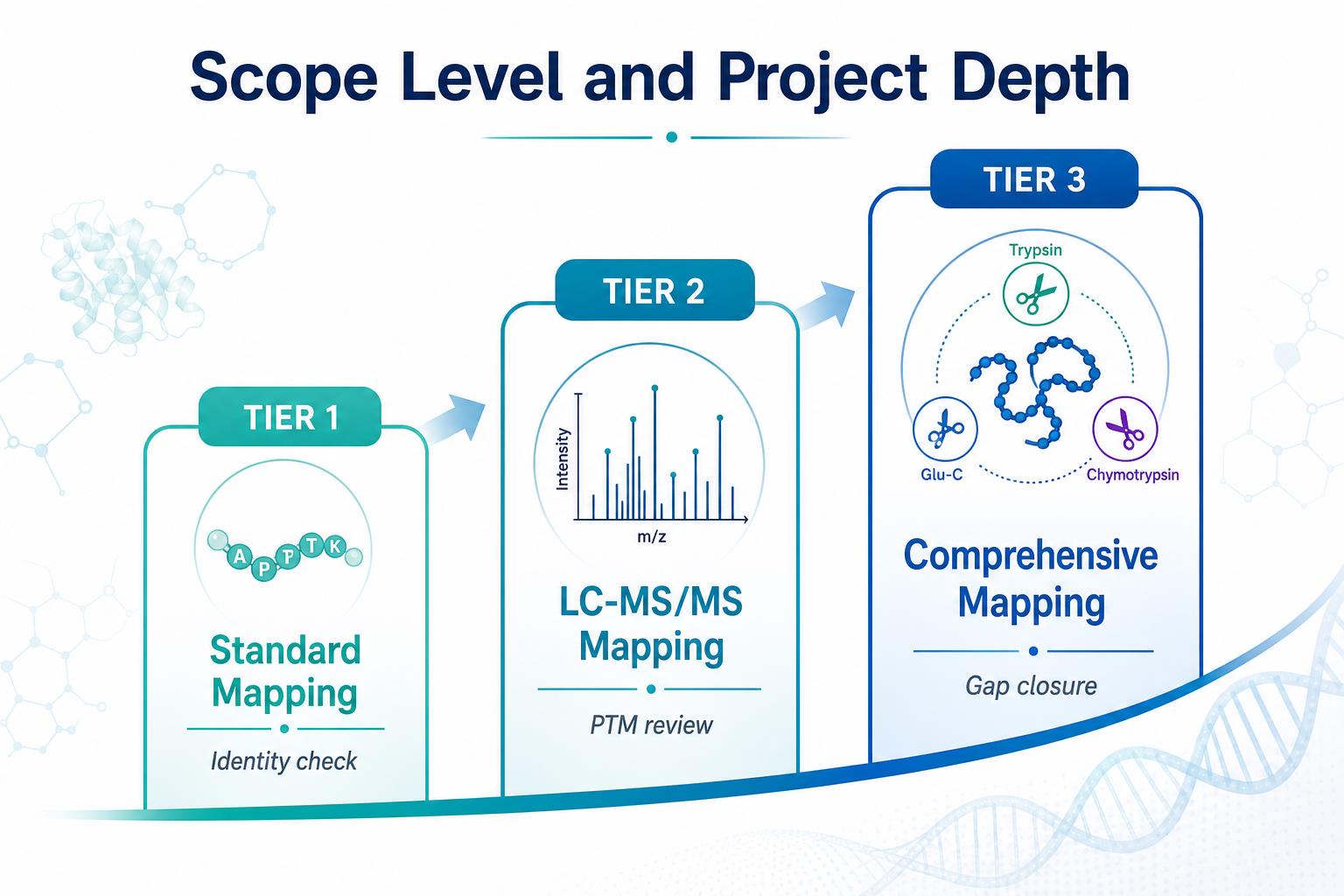
Figure 2. Service scope level is the main scientific driver of peptide mapping project cost.
How to Scope Smartly and Reduce Rework Cost
Several planning steps can improve cost predictability without lowering the evidence standard required for the project.
Define the reporting goal before requesting a quote.
Identity confirmation, PTM localization, comparability, and release-support documentation require different digestion and reporting depth.
Provide a complete reference sequence early.
Accurate chain sequences reduce search ambiguity and lower the risk of repeat analysis caused by incorrect database setup.
Disclose buffer and formulation details.
Salts, detergents, and excipients can affect digestion and LC-MS/MS performance. Feasibility review is cheaper than repeat sample submission.
Match service tier to the decision point.
Routine monitoring may not need comprehensive mapping at every time point. Milestone characterization may justify broader coverage and formal reporting.
Reserve enough sample for confirmatory work.
Low input amount can eliminate the option to rerun an alternative digestion strategy without requesting new material.
Ask for feasibility review when scope is uncertain.
A short pre-submission discussion often prevents expensive rescoping after the first report is delivered.
Teams comparing multiple quote options should evaluate included workflow stages, not only the total price on the proposal line.
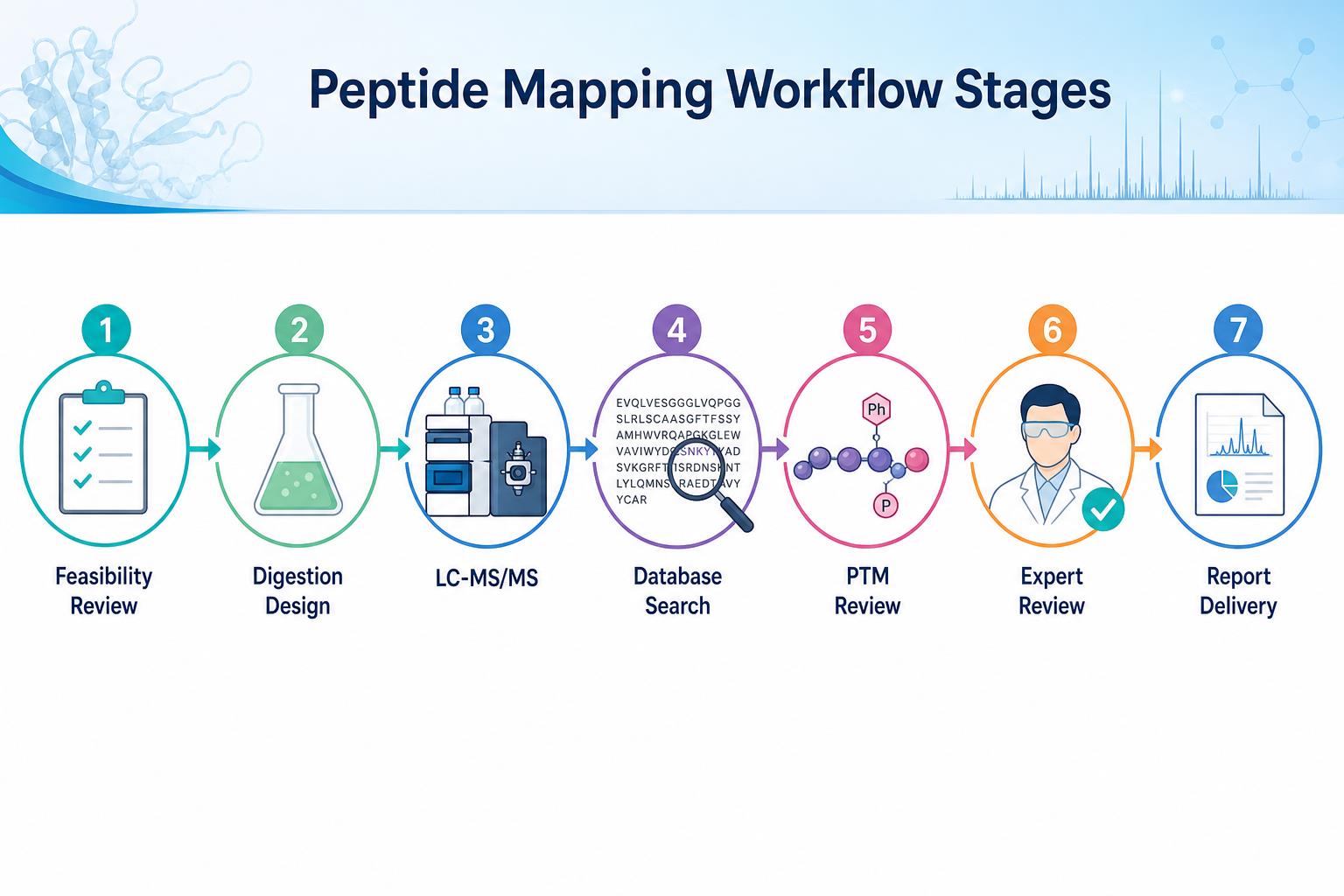
Figure 3. Visible workflow components help teams compare peptide mapping service quotes on equal terms.
Next Steps for a Reliable Quote
A reliable peptide mapping quote should be built from five inputs: product type and reference sequence, reporting goal and required deliverable format, sample number and comparability design, PTM or variant review needs, and project phase and documentation standard.
If any of these inputs are missing, the quote should be treated as provisional. Feasibility review on one representative sample is often the most efficient way to convert an estimated range into a firm project scope.
Researchers ready to move from budget planning to project scoping can contact MtoZ Biolabs to review sample type, digestion strategy, and the reporting depth required for the next biologics characterization milestone.
Frequently Asked Questions
1. Why do peptide mapping service quotes vary so much?
Quotes vary because product complexity, digestion strategy, sample number, PTM scope, and reporting depth change the amount of method design, LC-MS/MS time, and expert review required.
2. Is comprehensive peptide mapping always necessary?
No. Comprehensive mapping is most valuable when standard coverage is unlikely to satisfy critical regions, when complex PTMs must be localized, or when formal documentation requires broader evidence.
3. Does sample number have a large effect on cost?
Yes. Each additional sample adds digestion handling, acquisition time, and reporting work. Comparability packages with paired reference and test materials usually cost more than a single-lot identity project.
4. Can feasibility review reduce total project cost?
Often yes. Feasibility review helps match digestion strategy and reporting scope to the sample and goal before work begins, which can prevent repeat analysis and rescoping.
5. What information is most important for an accurate quote?
Product type, complete reference sequence, reporting goal, sample number, buffer composition, and PTM review needs are the most important inputs for an accurate peptide mapping service quote.
Conclusion
Peptide mapping service cost is driven by visible workflow components rather than a single flat assay fee. Product complexity, digestion strategy, sample number, PTM scope, reporting depth, and rework risk account for most quote differences between projects. Standard tryptic mapping for one well-defined mAb lot is a different budget conversation from a comprehensive multi-enzyme comparability package with documentation-grade reporting. The most predictable outcomes come from defining the reporting goal early, providing complete sample and sequence information, matching service tier to project phase, and comparing vendor quotes on included workflow stages rather than headline price alone. Researchers planning peptide mapping for biologics characterization can contact MtoZ Biolabs to review project scope, sample readiness, and the reporting format required before requesting a project-based quote.
How to order?




