






Targeted Quantitative Proteomics: Principles, Strategies, and Applications
Targeted quantitative proteomics is a hypothesis-driven mass spectrometry approach that selectively measures predefined proteins or peptides across biological samples. Unlike discovery proteomics, which broadly surveys protein expression patterns to identify potential candidates, targeted proteomics focuses on known molecular targets with established biological relevance. It is commonly applied for candidate verification, biomarker assessment, pathway-focused studies, and quantitative analysis of specific proteins across experimental conditions or sample cohorts.
Within the broader field of quantitative proteomics, targeted approaches provide a focused strategy for measuring predefined targets when researchers already have specific proteins of interest. This page explains what targeted quantitative proteomics is, when to use it, how it is performed, and how it fits into your research strategy. Researchers who already have a shortlist and a focused measurement objective can also review the MtoZ Biolabs Targeted Proteomics Service for project-specific feasibility and analysis planning.
What Is Targeted Quantitative Proteomics?
Targeted quantitative proteomics is a mass spectrometry-based approach that selectively measures predefined proteins or peptides based on a specific research hypothesis. The core concept of targeted proteomics is that researchers define the targets before data acquisition. Instead of searching broadly across thousands of proteins, the workflow is designed around a selected group of proteins or peptides that are expected to answer a specific biological question.
In LC-MS/MS-based proteomics, proteins are commonly enzymatically digested into peptides before measurement. Because mass spectrometry directly detects peptide ions rather than intact proteins in most bottom-up workflows, targeted proteomics typically focuses on measuring representative peptides that serve as analytical surrogates for their corresponding proteins.
For an overview of how targeted approaches fit within the broader quantitative proteomics landscape, including discovery workflows, labeling strategies, and acquisition modes, refer to Quantitative Proteomics: Methods, Strategies, Workflow, and Applications.
Targeted vs Discovery Proteomics
The primary difference between targeted and discovery proteomics lies in their measurement scope and research objectives.
Discovery proteomics is designed to profile a broad range of proteins without requiring researchers to define targets in advance. It is commonly used during exploratory studies to identify proteins associated with biological conditions, treatments, phenotypes, or other experimental variables.
Targeted quantitative proteomics begins from predefined proteins or peptides. These targets may originate from previous discovery studies, published literature, biological pathways, known mechanisms, or existing experimental evidence. The goal is not to discover unknown proteins but to quantitatively evaluate selected targets with a focused analytical strategy.
Discovery and targeted proteomics are not competing approaches but are often used sequentially. Discovery workflows can generate candidate proteins, while targeted approaches can subsequently evaluate selected candidates across additional samples or validation cohorts.
For a detailed discussion of when researchers should select discovery or targeted strategies, see Discovery vs Targeted Proteomics: When Should You Use Each?
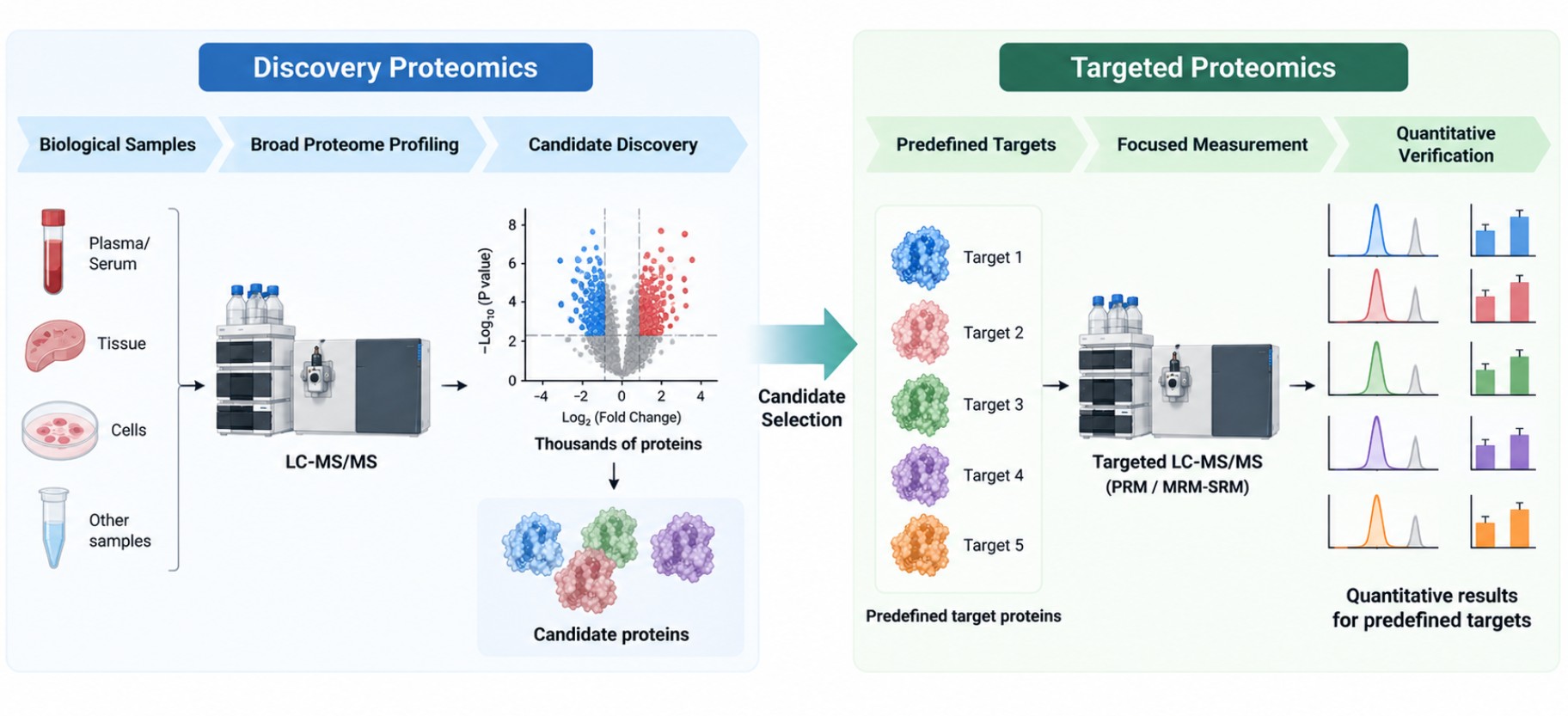
Figure 1. Discovery Proteomics for Candidate Identification Followed by Targeted Proteomics for Quantitative Verification
What Can Targeted Quantitative Proteomics Quantify?
From Target Proteins to Measurable Peptides
In targeted quantitative proteomics, the measured signal usually comes from selected peptides rather than directly from intact proteins. After protein extraction and enzymatic digestion, peptides derived from target proteins are analyzed by LC-MS/MS. Peptides with suitable analytical characteristics are used as representatives of their corresponding proteins, allowing researchers to monitor changes in target protein abundance.
However, peptide signal intensity is not directly equivalent to protein concentration. Differences in protein digestion efficiency, peptide ionization behavior, chromatographic properties, and measurement characteristics can influence the observed peptide signal. Therefore, targeted quantitative proteomics interpretation requires understanding the relationship between peptide-level measurement and protein-level biological information.
The quantitative process generally involves:
- Selecting proteins of biological interest;
- Measuring representative peptides associated with those proteins;
- Comparing peptide signals across samples or conditions;
- Interpreting quantitative changes at the protein level.
The specific quantitative output depends on the experimental design and whether the study aims to compare relative changes or determine calibrated protein amounts.
Relative and Absolute Quantitative Proteomics
Targeted quantitative proteomics can support both relative and absolute quantification, depending on the quantitative design.
In relative quantification, researchers compare the abundance changes of predefined proteins or peptides between samples or experimental groups. The quantitative result reflects the relative difference between conditions rather than the actual protein concentration. Depending on the study design, relative targeted quantification may use external references or internal controls to improve comparison consistency.
In absolute quantification proteomics, the goal is to determine the actual amount or concentration of a target protein. This typically requires the addition of isotope-labeled peptide standards as internal standards. Because the labeled peptides have similar physicochemical properties to the endogenous target peptides but can be distinguished by mass spectrometry, they enable calculation of the absolute amount of the target protein (Gerber et al., 2003).
Therefore, targeted quantitative proteomics is not equivalent to absolute quantification. A targeted workflow can be designed for relative comparison, while adding appropriate isotope-labeled peptide standards can extend the workflow toward absolute measurement.
For detailed strategies involving isotope-labeled standards, calibration, and absolute protein measurement, see Absolute Quantification in Targeted Proteomics.
When Is Targeted Quantitative Proteomics Used?
Targeted quantitative proteomics is typically used when researchers have predefined protein targets and need focused quantitative measurement rather than broad proteome profiling. Common applications include:
Verifying Candidate Proteins and Biomarkers
Targeted proteomics is commonly used to verify selected candidates identified from discovery-based studies. It enables focused measurement of predefined proteins across additional samples or validation cohorts.
Hypothesis-Driven Measurement of Known Targets
When specific proteins or pathways are already of interest, targeted quantitative proteomics provides a focused approach for evaluating predefined targets under different biological conditions. Examples include measuring specific pathway components, proteins involved in known molecular mechanisms, treatment-associated protein changes, or functional responses following biological perturbation.
Quantifying Defined Targets Across Sample Groups
Targeted workflows are suitable for comparing selected proteins across experimental groups, cohorts, or conditions where consistent measurement of known targets is required.
What Should Be Considered Before a Targeted Proteomics Study?
Before starting a targeted proteomics study, researchers need to consider whether the selected targets and experimental design are suitable for the intended purpose.
Target Definition and Measurability
A successful targeted study requires both biologically meaningful targets and measurable analytical signals. Factors such as target abundance, peptide characteristics, and analytical detectability can influence whether a protein can be effectively quantified. Therefore, target selection should consider not only biological importance but also whether the target can be reliably measured.
Sample and Biological Design
The biological design should match the intended quantitative objective.
Important considerations include:
- Sample type and biological matrix;
- Expected target abundance;
- Experimental comparison groups;
- Availability of samples;
- Whether the goal is relative comparison or absolute measurement.
A well-defined study design helps ensure that measured quantitative differences can be interpreted according to the original biological question. For a deeper discussion of target and peptide feasibility, biological design, and quantification strategy planning, refer to Targeted Proteomics Experimental Design.
Quantification Objective
The intended quantitative output influences the overall study strategy. For studies focused on comparing changes between conditions, relative quantification may be sufficient. For studies requiring estimated protein amounts or concentrations, additional quantitative designs are needed.
Defining the expected output before analysis helps determine the appropriate targeted strategy and prevents mismatch between analytical results and research objectives.
How Does Targeted Quantitative Proteomics Work?
Targeted quantitative proteomics follows a focused workflow from predefined protein targets to quantitative results. A typical workflow includes the following steps:
1. Target Definition
Proteins of interest are predefined based on the research question, previous discovery results, published evidence, or biological hypotheses.
2. Representative Peptide Selection
Suitable peptides are selected to represent the target proteins for mass spectrometry measurement. Their measurability and specificity are considered during assay planning.
3. Targeted LC-MS/MS Acquisition
The selected peptides are specifically measured using targeted mass spectrometry rather than broad proteome-wide acquisition. Common approaches include MRM/SRM which monitors predefined precursor-to-product ion transitions (Lange et al., 2008), and PRM which measures product ions from selected precursors using high-resolution, accurate-mass detection (Peterson et al., 2012).
For method-specific differences and selection considerations, refer to PRM vs MRM/SRM: How to Choose a Targeted Proteomics Strategy.
4. Quantitative Data Processing
Signals from the selected peptides are processed to generate quantitative information for the predefined targets. Depending on the study design, the output may represent relative abundance changes or absolute amounts.
5. Biological Interpretation
Quantitative results are compared across samples, groups, or experimental conditions to evaluate the predefined proteins in the context of the research question.
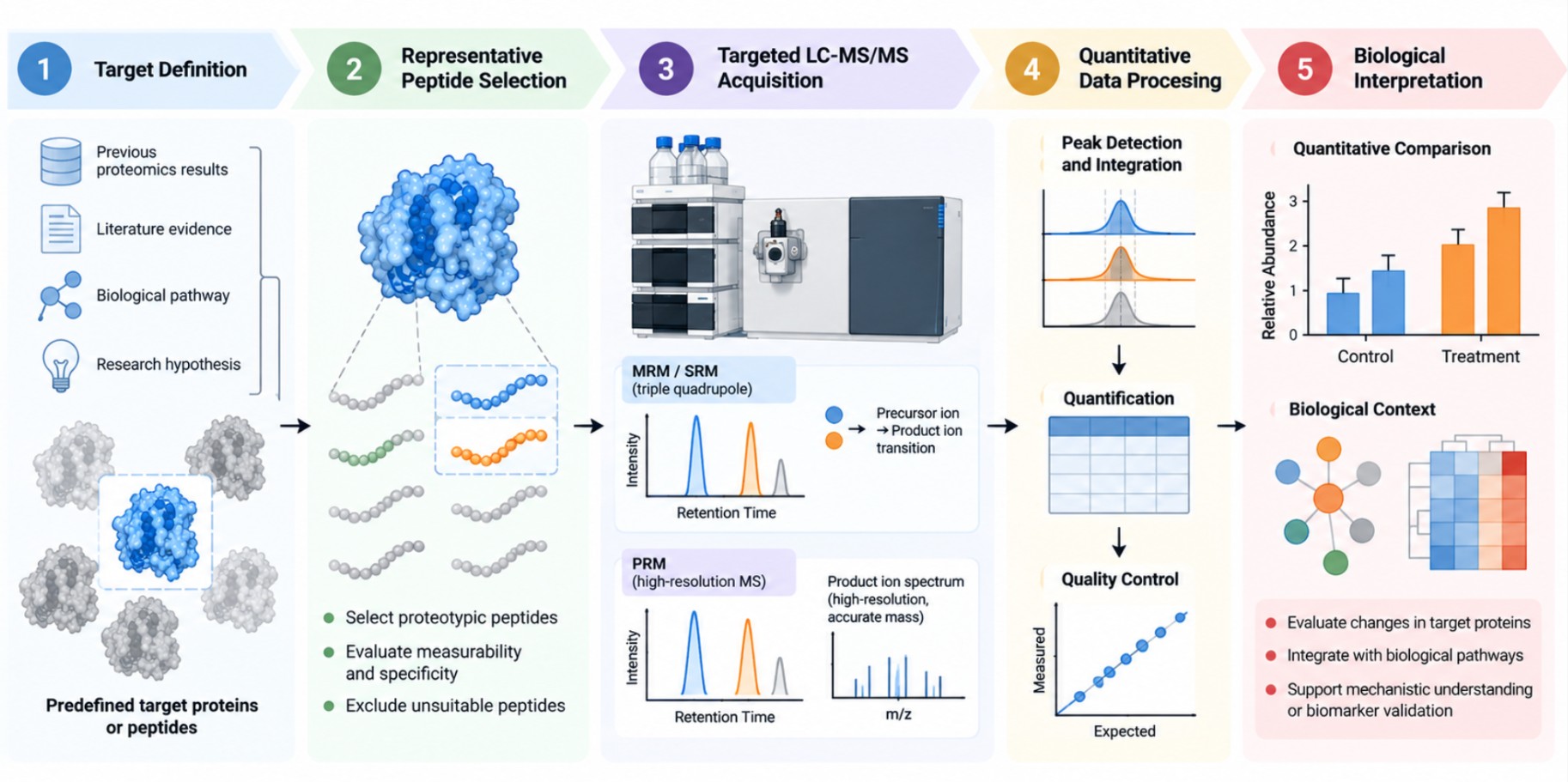
Figure 2. Targeted Quantitative Proteomics Workflow
What Data Can Targeted Quantitative Proteomics Provide?
Targeted quantitative proteomics provides quantitative information for predefined proteins or peptides rather than broad proteome-wide profiling. Depending on the study design, results may include target abundance across individual samples, relative changes between experimental groups or conditions, and fold changes for selected proteins.
When an absolute quantification strategy is used, the analysis can further provide the amount or concentration of selected targets. Quantitative results are typically accompanied by measurement and quality information that helps assess the reliability and consistency of target detection.
For detailed guidance on quantitative data processing, quality assessment, and interpretation, refer to Targeted Proteomics Data Analysis and Interpretation.
How Does Targeted Quantitative Proteomics Fit Your Research Strategy?
Depending on where you are in your research, one of the following paths will be most relevant to you.
| Your Current Need | Next Step |
|---|---|
| No defined targets | Discovery Proteomics |
| Defined targets for focused verification or quantification | Targeted Quantitative Proteomics |
| Targeted method already selected | PRM or MRM/SRM Service |
| Need actual amount or concentration | Absolute Quantification |
If you do not yet have defined protein targets, discovery proteomics is generally the appropriate starting point for identifying candidates. Once specific proteins or peptides have been selected, targeted quantitative proteomics can be used for focused verification or quantification.
If you already know which targeted method is required, you can proceed directly to a PRM or MRM/SRM service. If the targets are defined but the appropriate targeted method is still unclear, PRM vs MRM/SRM: How to Choose a Targeted Proteomics Strategy provides further guidance. When the primary objective is to determine the actual amount or concentration of selected targets, an absolute quantification strategy should be considered.
Conclusion
Targeted quantitative proteomics provides a focused approach when the proteins or peptides of interest are already defined and the research goal has moved from broad discovery to selective verification or quantification. The appropriate strategy depends on target feasibility, sample characteristics, and whether the study requires relative comparison or absolute measurement.
MtoZ Biolabs supports targeted quantitative proteomics projects using PRM and MRM/SRM strategies. If you have a list of candidate proteins or peptides but are unsure which quantitative approach best fits your study, contact us to discuss target feasibility and project design.
References
1. Lange V, Picotti P, Domon B, Aebersold R. Selected Reaction Monitoring for Quantitative Proteomics: A Tutorial. Molecular Systems Biology. 2008;4:222. doi:10.1038/msb.2008.61.
2. Peterson AC, Russell JD, Bailey DJ, Westphall MS, Coon JJ. Parallel Reaction Monitoring for High Resolution and High Mass Accuracy Quantitative, Targeted Proteomics. Molecular & Cellular Proteomics. 2012;11(11):1475–1488. doi:10.1074/mcp.O112.020131.
3. Gerber SA, Rush J, Stemman O, Kirschner MW, Gygi SP. Absolute Quantification of Proteins and Phosphoproteins from Cell Lysates by Tandem MS. Proceedings of the National Academy of Sciences of the United States of America. 2003;100(12):6940–6945. doi:10.1073/pnas.0832254100.
How to order?




