






Targeted Proteomics Experimental Design
A targeted proteomics study starts with a defined biological question and a set of proteins of interest, but a target list alone is not yet an experimental design. Each target must be evaluated for peptide-level measurability, while the biological comparison, sample matrix, assay scope, and quantitative objective all need to support the intended conclusion.
A practical design therefore moves from defined proteins to measurable peptides, an appropriate sample comparison, a focused assay panel, and a clearly defined quantitative endpoint.
Researchers who already have defined protein targets and sample information can also review the MtoZ Biolabs Targeted Proteomics Service for project-specific feasibility assessment and workflow planning. For a broader overview of targeted proteomics principles, quantitative strategies, and research applications, see Targeted Quantitative Proteomics: Principles, Strategies, and Applications.
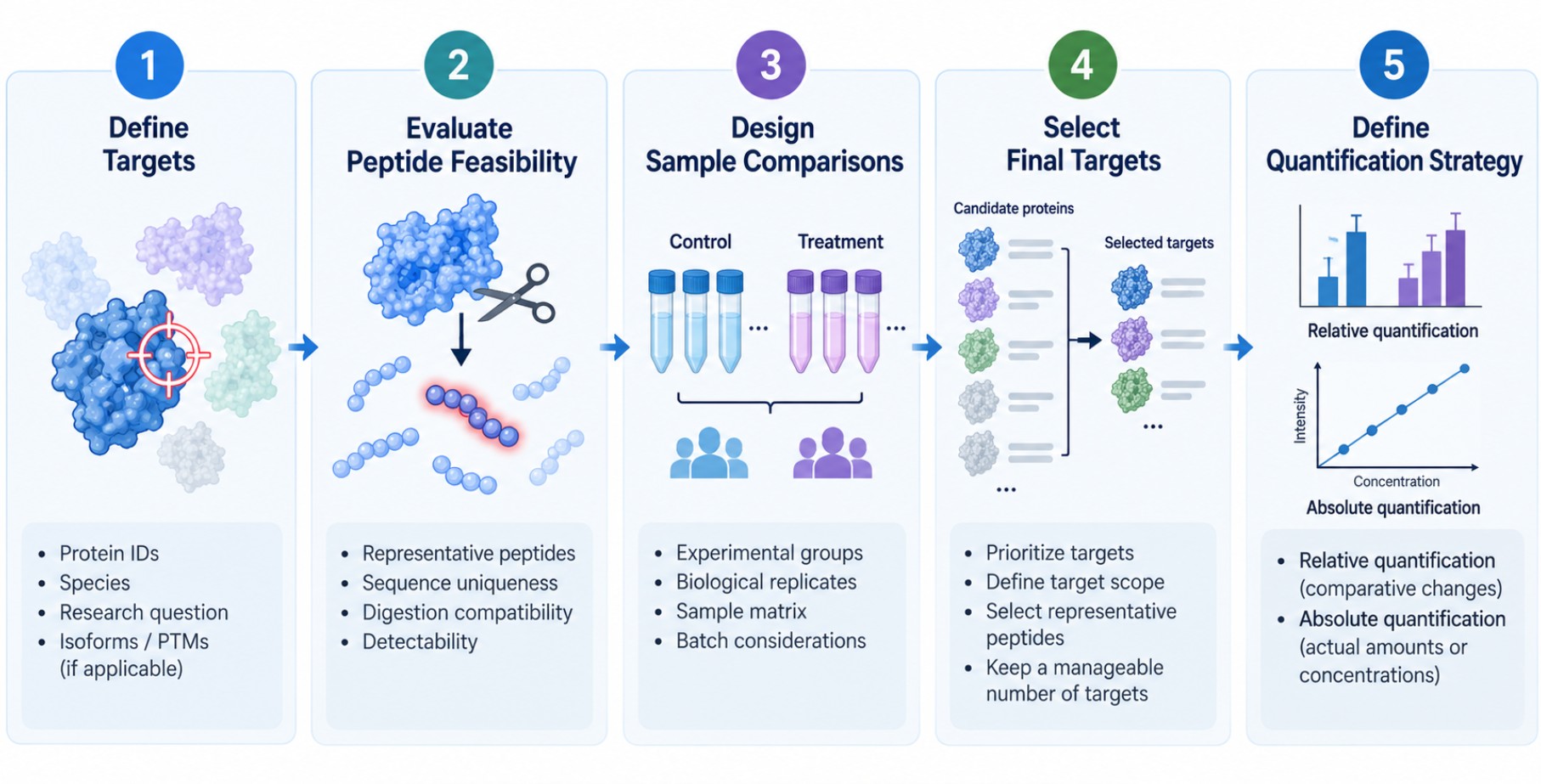
Figure 1. Targeted Proteomics Experimental Design Workflow.
How to Define Targets for a Targeted Proteomics Study?
Target selection should begin with the biological question rather than with the analytical platform. The purpose is to identify the smallest set of proteins that can adequately address the hypothesis or verification objective.
Target Protein Selection
Targets may come from previous discovery proteomics, transcriptomic studies, pathway analysis, published evidence, or an established biological hypothesis. Regardless of their source, proteins should be clearly identified before targeted assay development begins. A useful target list should therefore include unambiguous protein identities and the relevant species. When isoforms, protein variants, or specific modification states are important to the study, these distinctions should also be defined because they may determine whether a sufficiently specific peptide can be selected. Including additional proteins simply because they are available is not always useful. Each target should contribute to the biological question the assay is intended to answer.
Representative Peptide Selection
In LC-MS/MS-based targeted proteomics, proteins are generally quantified through representative peptides generated after enzymatic digestion. Experimental design must therefore translate each selected protein into peptide-level measurement targets. A suitable peptide should represent the protein of interest with sufficient specificity and be compatible with the planned digestion strategy. Peptides shared among homologous proteins or isoforms may not distinguish the intended target, while sequence characteristics can also affect whether a peptide can be measured reliably. The transition from a protein list to a peptide list is therefore an essential design step rather than a routine consequence of having identified candidate proteins.
How to Evaluate Target and Peptide Feasibility?
A biologically important protein is not automatically an analytically suitable target. Feasibility depends on whether the protein is expected to be present at a measurable level and whether suitable peptides can represent it in the relevant sample.
Target Abundance and Sequence Availability
Expected target abundance should be considered before assay development. Very low-abundance proteins can remain difficult to measure even when the analysis is focused on predefined targets, particularly in complex matrices with a large dynamic range.
Reliable sequence information is also required to evaluate candidate peptides. This becomes especially important for less-characterized species, protein isoforms, sequence variants, or studies requiring discrimination between closely related proteins.
Peptide Specificity and Detectability
Candidate peptides should be evaluated for both biological specificity and analytical detectability. Important considerations include peptide uniqueness, digestion compatibility, sequence properties, expected ionization behavior, and previous evidence of MS detection.
Prior LC-MS/MS observations or spectral evidence can strengthen peptide selection, but absence of previous detection does not by itself establish that a peptide is impossible to measure. Feasibility needs to be considered together with target abundance and sample matrix.
Isoform-specific proteins and modified peptides require particular attention because the peptide must distinguish the molecular form relevant to the research question.
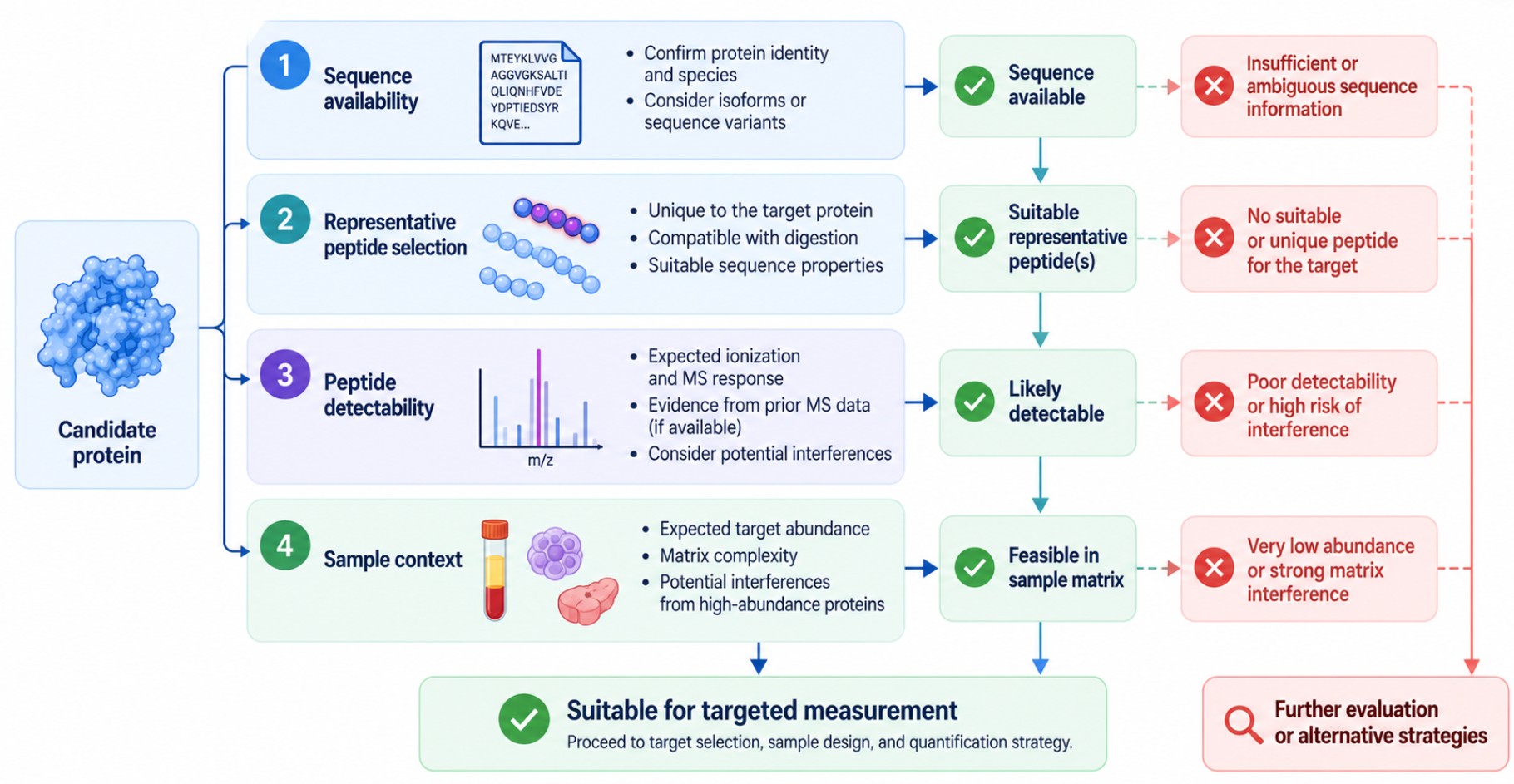
Figure 2. Target and Peptide Feasibility Assessment for Targeted Proteomics.
How to Define the Targets for Measurement?
After target and peptide feasibility has been evaluated, the next step is to decide which proteins and peptides should be included in the final targeted analysis. The goal is not to include every possible candidate, but to keep the measurement focused on the research question.
Select the Final Targets
Prioritize proteins based on their relevance to the study objective, supporting biological evidence, and peptide feasibility. For example, if discovery proteomics identifies dozens of differential proteins, targeted analysis may focus only on the candidates most relevant to the pathway, phenotype, or hypothesis being investigated.
Keep the Target List Manageable
As the number of proteins and peptides increases, the targeted analysis becomes more complex. Large candidate lists should therefore be prioritized or divided into smaller groups when necessary. The final number of targets should reflect both the research objective and measurement feasibility.
How to Design Samples and Biological Comparisons?
Experimental Groups and Biological Replicates
The biological contrast should be defined before the assay is finalized. Depending on the study, this may involve treatment versus control, disease versus reference groups, multiple time points, dose groups, or measurement of the same target panel across a larger cohort.
Biological replicates address biological variability, whereas technical replicates evaluate analytical variability. The appropriate number of samples therefore depends on the research question, expected biological variation, effect size, and the strength of the conclusion the study is expected to support.
For verification-oriented studies, the group structure and primary comparisons should be determined before extensive assay development begins.
Sample Matrix and Batch Considerations
Sample matrix can substantially affect targeted measurement. Plasma, serum, tissue, cultured cells, biofluids, and other biological materials differ in protein abundance distribution, matrix complexity, and potential analytical interference.
Highly abundant background proteins may make low-abundance targets more difficult to detect, while sample preparation history, degradation, detergents, salts, or other matrix components can influence peptide recovery and measurement.
Batch structure should also be considered when samples will be collected or analyzed at different times. Shared controls, reference samples, or other strategies may be needed to support comparison across batches. These considerations should be incorporated into the experimental design rather than addressed only after data acquisition.
How to Define the Quantification Strategy?
Relative Quantification
Relative targeted quantification is appropriate when the objective is to determine how predefined proteins or peptides differ between samples or experimental groups.
Typical questions include:
- Does the target increase or decrease after treatment?
- Is the target more abundant in one biological group than another?
The resulting analysis focuses on quantitative differences across the defined comparison rather than determining the absolute amount of the target in the sample.
Absolute Quantification
Absolute quantification is appropriate when the research question requires an amount or concentration rather than only a relative difference. This type of measurement requires additional quantitative planning, typically involving stable isotope-labeled internal standards and an appropriate calibration strategy. These requirements should be defined before assay development because they affect both experimental preparation and quantitative interpretation. Detailed absolute quantification strategies are discussed in Absolute Quantification in Targeted Proteomics.
Targeted Proteomics Experimental Design Checklist
Before moving into targeted assay development, the main design elements should be aligned with the intended biological conclusion.
|
Design Element |
Key Question |
|
Research objective |
What biological question should the targeted study answer? |
|
Target definition |
Are the proteins and relevant species clearly defined? |
|
Peptide feasibility |
Can the targets be represented by specific, measurable peptides? |
|
Biological comparison |
Which groups, conditions, time points, or cohorts need to be compared? |
|
Sample matrix |
Could matrix complexity affect target detectability or peptide recovery? |
|
Batch structure |
Will samples be generated or analyzed across different batches? |
|
Assay scope |
Does every protein in the proposed panel contribute to the research question? |
|
Quantification objective |
Is relative comparison sufficient, or is absolute measurement required? |
If several of these questions remain unresolved, further design work may be more useful than immediately proceeding to targeted measurement.
Frequently Asked Questions
1. Is a cell pellet acceptable, or must the sample be a gel band, and how much protein is typical?
Both formats can be evaluated when the protein IDs are known. Planning amounts are commonly more than about 40 ug to 50 ug total protein in solution, with concentration more than 0.5 ug/uL. Gel pieces are judged by whether enough protein is visible and recoverable, not by a second hidden cutoff. Share buffer and detergent details before assuming either format will work.
2. How many biological replicates are needed before a targeted panel is worth building?
There is no universal replicate number for targeted proteomics. Replicate planning should reflect biological variability, the experimental comparison, expected effect size, and the strength of the intended conclusion. Verification-oriented studies generally require a predefined group design. Contact MtoZ Biolabs for a free consultation on replicate planning and study design.
3. The proteins were eluted in SDS or an IP buffer. Does that block a targeted assay?
High detergent and some IP additives interfere with digestion and chromatography, so they need to be declared and often removed. They do not automatically kill the project. They do change sample-prep review. List the buffer before sending the only remaining aliquot.
4. After RNA-seq nominated about twenty candidates, should every name go into the first targeted panel?
Not by default. Start with the proteins that actually carry the claim, then add others only if the run can still sample each peptide well. A long first panel is a common reason signals are sampled too thinly or the assay has to be split. Rank the list before treating twenty names as one run.
5. Western blot already showed one isoform. Can targeted MS confirm the other isoforms in the same sample?
Only if isoform-specific digest peptides exist and can be scheduled. A blot that recognizes one form does not automatically give unique peptides for the others. Share the isoform sequences before treating the Western result as a finished targeted panel.
Conclusion
A well-designed targeted proteomics study begins before instrument acquisition. The target proteins must be translated into measurable peptides, the biological comparison and sample context must support the intended analysis, and the assay scope should remain focused on the research question. The required quantitative endpoint, relative change or absolute amount, should also be defined before assay development.
If you already have a candidate protein list but are unsure whether the targets are measurable or how the study should be structured, contact MtoZ Biolabs to discuss your targets, samples, and research objectives. Our team can help develop a suitable targeted proteomics strategy for your project. You can also review the MtoZ Biolabs Targeted Proteomics Service for project-specific sample evaluation, feasibility assessment, and workflow planning.
How to order?




