






Targeted Phosphorylation Analysis Service
MtoZ Biolabs offers specialized Targeted Phosphorylation Analysis Service dedicated to characterizing phosphorylation events on defined protein targets such as kinases, receptors, transcription factors, and regulatory proteins, with precise mapping and quantitative profiling of modification sites. Leveraging high-resolution LC-MS/MS systems, including Thermo Fisher Orbitrap Fusion Lumos and Q Exactive HF, MtoZ Biolabs delivers accurate, reproducible detection of phosphorylation at the amino acid level. By combining optimized phosphopeptide enrichment and quantitative workflows, we enable in-depth understanding of phosphorylation states that regulate protein activity, signaling behavior, and therapeutic potential.
What is Phosphorylation?
Phosphorylation is a reversible post-translational modification in which phosphate groups are covalently attached to serine, threonine, or tyrosine residues. It acts as a molecular switch that controls protein function, subcellular localization, and interaction networks.
Analyzing phosphorylation on specific proteins provides direct insights into cellular signaling and functional regulation. For example, phosphorylation of receptor tyrosine kinases modulates downstream pathway activation, while site-specific phosphorylation of enzymes or transcription factors alters their catalytic or regulatory properties. Understanding these modifications is essential for elucidating molecular mechanisms, validating therapeutic targets, and optimizing biopharmaceutical products.
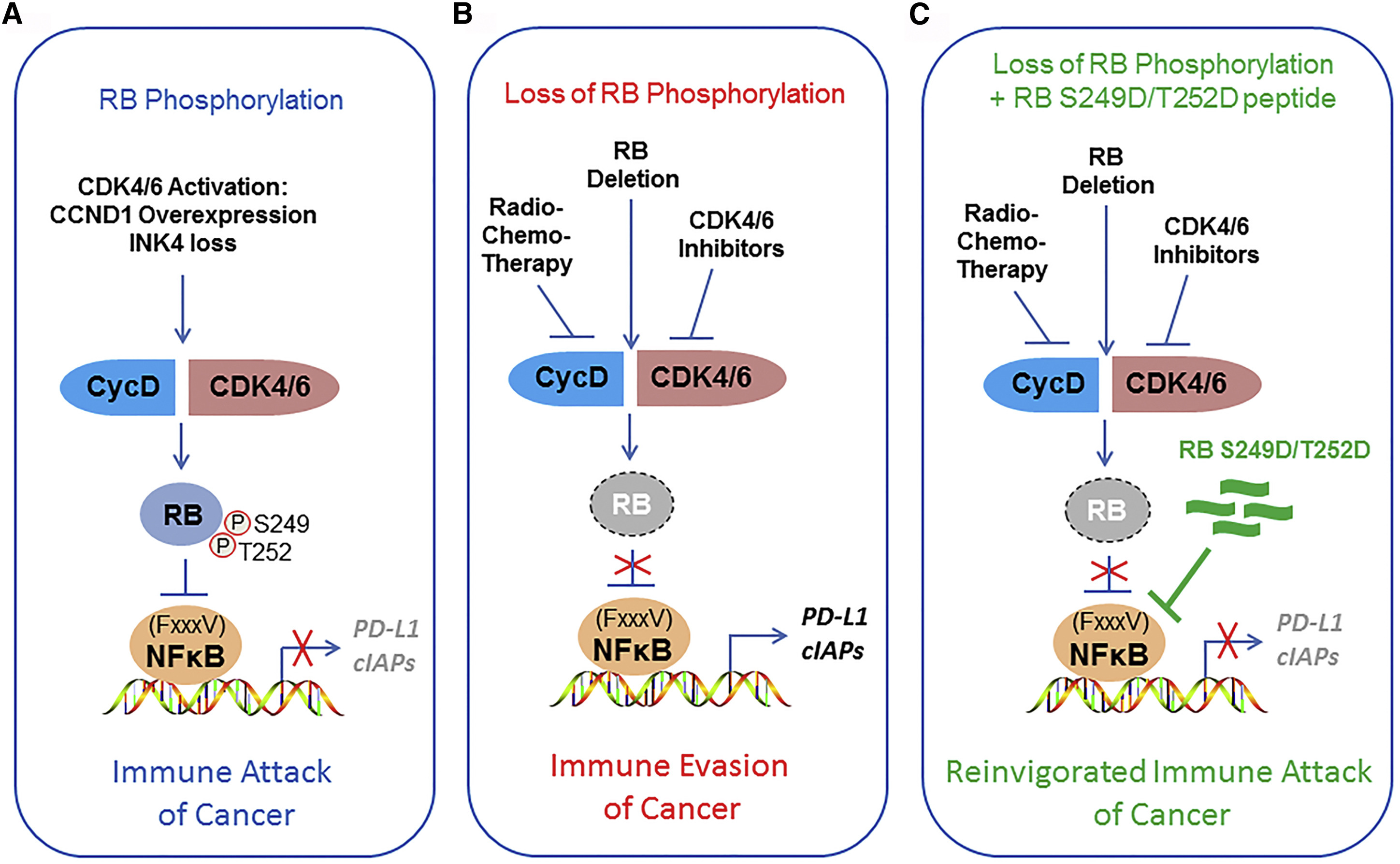
Jin, X. et al. MOL CELL. 2019.
Figure 1. RB S249/T252 phosphorylation regulates NF-κB activity and PD-L1 expression
Targeted Phosphorylation Analysis Service at MtoZ Biolabs
MtoZ Biolabs offers comprehensive experimental workflows dedicated to the targeted analysis of phosphorylation on specific proteins. Depending on sample type and research objectives, our services include:
✅ Phosphopeptide enrichment using IMAC (immobilized metal affinity chromatography), TiO₂ (titanium dioxide), or MOAC (metal oxide affinity chromatography) to selectively capture phosphorylated peptides with high specificity and recovery.
✅ Site-specific phosphorylation identification through high-resolution LC-MS/MS, providing precise localization of phosphorylated residues.
✅ Quantitative phosphorylation analysis using label-free, SILAC, or isotopic labeling approaches to evaluate relative phosphorylation levels.
✅ Verification of phosphorylation site occupancy using targeted MS methods such as MRM (multiple reaction monitoring) or PRM (parallel reaction monitoring) for confirmation and validation.
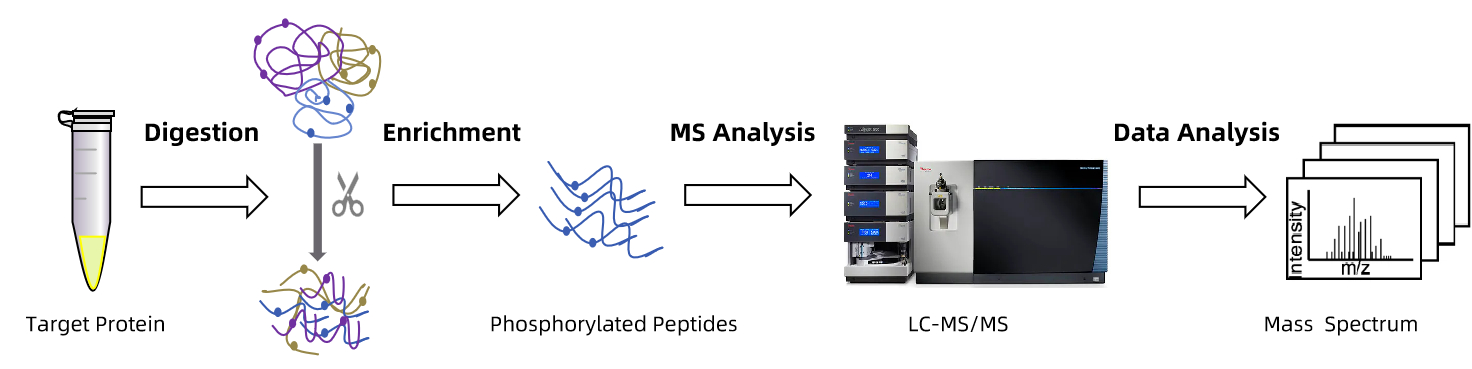
Figure 2. Workflow of Targeted Phosphorylation Analysis using LC-MS/MS
Each workflow is optimized for sensitivity, reproducibility, and quantitative reliability, ensuring confident site-level interpretation.
Sample Submission Guidelines
|
Sample Type |
Recommended Amount |
|
Purified Proteins |
≥ 50 µg |
|
Recombinant Proteins |
≥ 50 µg |
|
Glycoprotein Mixtures |
≥ 100 µg |
|
Serum or Plasma |
≥ 100 µL |
|
Cell Lysates |
≥ 500 µg |
· Store samples at −80 °C and ship on dry ice in sealed containers.
· Avoid buffers containing detergents, salts, or denaturants that may inhibit enzymatic digestion.
· For low-abundance proteins, lectin affinity (e.g., Jacalin, VVA) or immunoprecipitation is recommended before LC-MS/MS.
· Provide the protein name, molecular weight, and any known or predicted O-glycosylation regions when available.
For more information, please refer to Sample Submission Guidelines for Proteomics.
Applications of Targeted Phosphorylation Analysis Service
· Identification of phosphorylation sites on a specific target protein (e.g., PD-1, STAT3, AKT, ERK)
· Quantitative evaluation of phosphorylation dynamics under different experimental conditions
· Verification of phosphorylation-mediated activation or inhibition in signaling pathways
· Functional assessment of phosphorylation sites in protein engineering or therapeutic design
· Consistency and quality evaluation of recombinant phosphorylated proteins
Why Choose MtoZ Biolabs?
1. Advanced Analytical Platforms
Our laboratory is equipped with Thermo Fisher Orbitrap Fusion Lumos and Q Exactive HF systems, offering high mass accuracy and sensitivity for precise detection of phosphopeptides from specific target proteins.
2. Optimized Enrichment Strategies
We employ IMAC, TiO₂, and MOAC-based enrichment workflows to selectively isolate phosphorylated peptides with high recovery and minimal background interference, ensuring confident identification even from limited material.
3. Comprehensive Analytical Coverage
Our integrated workflow supports the analysis of serine, threonine, and tyrosine phosphorylation, combining site-specific mapping, quantification, and targeted validation for complete modification profiling.
4. Experienced Scientific Team
MtoZ Biolabs’ scientists possess extensive experience in phosphoproteomics and protein chemistry, ensuring each project is executed with methodological rigor and consistent quality control.
5. Customizable Project Design
Every project is tailored to the characteristics of the client’s target protein, experimental design, and research objectives, providing flexible analytical solutions from discovery to validation.
6. Transparent One-Time Pricing
All service fees are clearly defined before project initiation. We follow a one-time charge model without hidden costs, ensuring transparency and reliability in every collaboration.
Start Your Project with MtoZ Biolabs
Contact us to discuss your project or request a quotation. Whether you are studying the phosphorylation status of a signaling protein, validating modification sites in a therapeutic candidate, or evaluating functional changes after treatment, MtoZ Biolabs delivers precise, reproducible, and comprehensive analytical solutions to accelerate your research and development.
FAQ
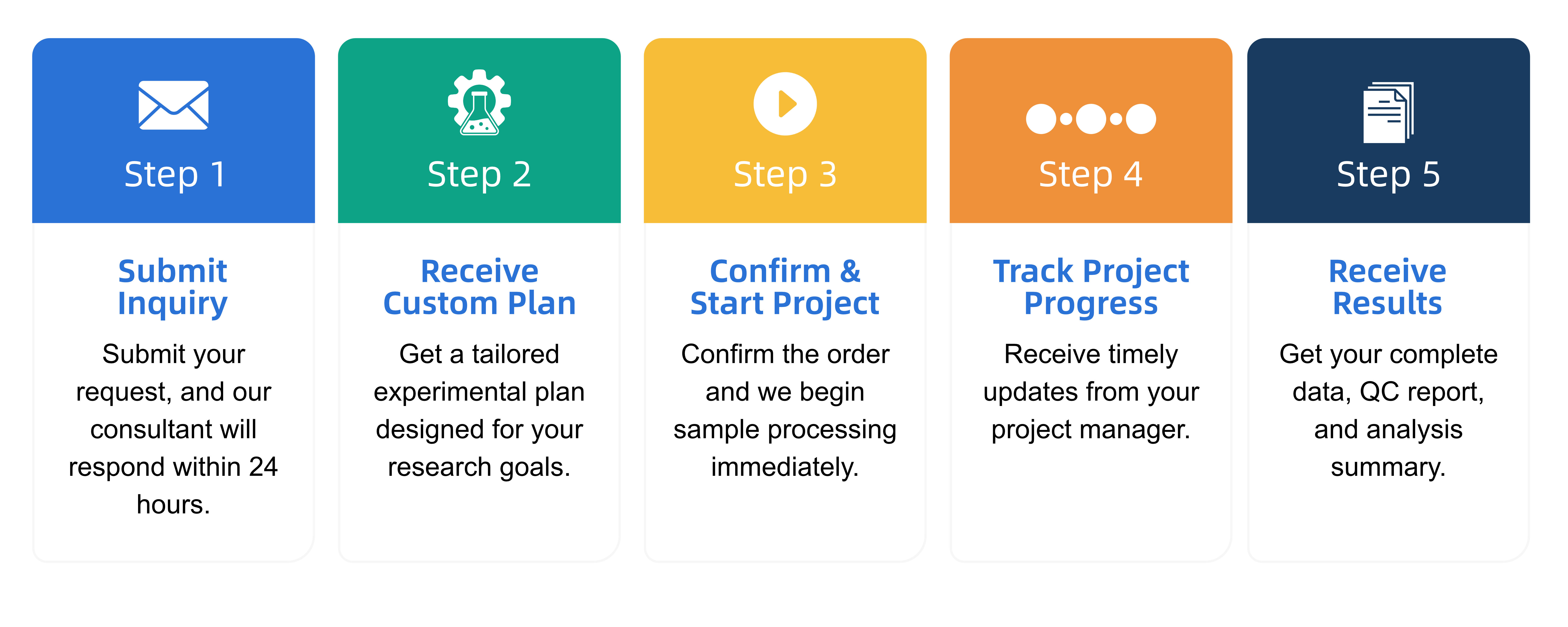
Q1: What is the service general workflow?
Q2: What data formats are provided?
Clients receive a complete analytical package that includes raw LC-MS/MS data, identified phosphorylation sites, quantification tables, and annotated spectra. Reports are provided in standard formats such as Excel and PDF, along with optional visual summaries for publication or internal review.
Related Services
How to order?




