






- Biological Products Analysis Service Primary Structure Analysis Service Therapeutics Characterization Service | Advanced Structural Charge Heterogeneity Analysis Service Biopharmaceutical Impurities Analysis Service
- Preclinical Drug Development Active Ingredients Identification and Screening Service Drug Target Analysis Service Biopharmaceuticals Characterization Service Targeted Drug Delivery Service | Precise and Efficacious Customized Drug Development and Optimize Service
- Thematic Analysis Service High-Throughout Gene Knockout Services Biopharmaceutical Stability Analysis Service PROTAC Drug Off-Target Protein Assessment Service Biosimilar Assessment Service Generic Peptide Pharmaceuticals Assessment Service Research on Media Development and Optimization Vaccine Quality Research and Testing Solutions Antibody Drug Analysis Service mRNA Drug Analysis Service Medical Device Analysis Service
- Proteomics Analysis Service Sample Preparation Service Protein Analysis Service Quantitative Proteomics Service Post-Translational Modifications Proteomics Service Proteomics Service of Different Sample Types Targeted Proteomics Service Peptidomics Analysis Service Proteomics Bioinformatic Analysis Service High-Throughout Proteomics Analysis Service for Gene Knockout Chemical Proteomics Analysis Service
- Metabolomics Analysis Service Untargeted Metabolomics Service Targeted Metabolomics Analysis Service High-Throughput Metabolomics Service After Gene Knockout Metabolomics Bioinformatic Analysis Service More Services
- Lipidomics Analysis Service Untargeted Lipidomics Analysis Service Targeted Lipidomics Analysis Service Exosome Lipidomics Service Lipidomics MALDI Imaging Service Oxylipidomics Service
- Multi-Omics Analysis Service Integrative Lipidomics-Proteomics Analysis Service Integrative Transcriptomics-Metabolomics Analysis Service Integrative Transcriptomics-Proteomics Analysis Service Integrative Transcriptomics-Lipidomics Analysis Service Integrative Metabolomics-16S rDNA Sequencing Analysis Service Integrative Proteomics-Metabolomics Analysis Service Integrative PTM-Metabolomics Analysis Transcriptome Sequencing (RNA-sequencing) Service Metatranscriptomics Sequencing Service Full-Length 16S/18S/ITS Sequencing Service Prokaryotic Transcriptomics Sequencing Service Eukaryotic Non-Ginseng Transcriptome Sequencing Service Eukaryotic Transcriptome Sequencing Service 16S/18S/ITS Amplicon Sequencing Service Exosomal Sequencing Service
- Single Cell Analysis Service Single Cell Sequencing Service Single Cell Mass Cytometry Analysis
- Bioinformatics
SDS-PAGE Based Protein Separation Service
Published: May 9, 2024
Sodium dodecyl sulfate-polyacrylamide gel electrophoresis (SDS-PAGE) is frequently employed in protein expression analysis and other scientific research endeavors. It facilitates obtaining electrophoretic profiles of protein samples, which, when combined with mass spectrometry-based protein identification services, allows for analysis or purification of samples, particularly for proteomic analysis of complex biological samples.
MtoZ Biolabs offers protein separation services based on either 1D SDS-PAGE or 2D SDS-PAGE according to your requirements. For 1D SDS-PAGE protein separation, we follow our optimized standard operating procedure using the Bio-Rad Mini-PROTEAN® Tetra gel system. Protein samples (5-20 µg) are diluted to a certain concentration with sample buffer and heated (5 min in boiling water bath). The appropriate concentration gel is selected based on the analysis purpose, and the sample is loaded onto the gel wells. Electrophoresis buffer is added, and separation is performed under a constant voltage of 80 V for 15 min followed by 120 V for 60 min. After separation, the gel is removed from the cassette and stained with coomassie brilliant blue or silver stain.
2D SDS-PAGE protein separation involves 1D isoelectric focusing using IPG (pH 3-10) gel, followed by 2D SDS-PAGE for molecular weight separation. Samples are initially purified using ultrafiltration, and the solution system is replaced with 2D lysis buffer (30 mM Tris-HCl, pH 8.8, containing 7 M urea, 2 M thiourea, and 4% CHAPS) for isoelectric focusing. After focusing, the gel strip is placed gel-side up on dry filter paper to remove excess moisture, mineral oil, and residual samples. It is then swelled in equilibration buffer for 15 min and further equilibrated in equilibrium buffer for another 15 min. The gel strip is then placed on a glass plate of the gel and sealed with low-melting agarose. The gel is transferred to the electrophoresis chamber, starting with low voltage, increasing as the sample migrates out of the IPG strip, and stopped when the bromophenol blue indicator reaches the bottom edge. After removing the gel cassette, staining is performed using coomassie brilliant blue, silver stain, or fluorescent stain. Gel images are scanned using Typhoon TRIO (GE Healthcare) and analyzed using Image Quant software (version 6.0, GE Healthcare) and DeCyder 5.0 (GE Healthcare).
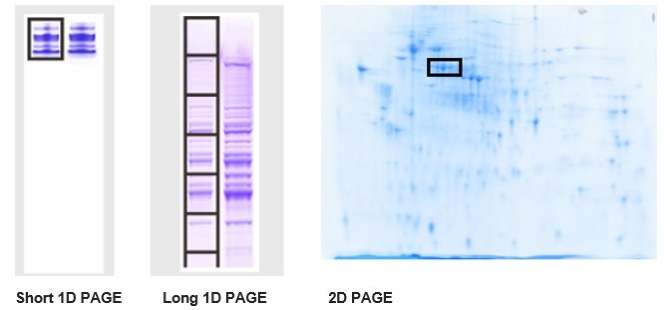
Figure 1. MtoZ Biolabs 2D SDS-PAGE Example
Sample Submission Requirements
1. Liquid or Solid Samples are Acceptable
2. For 1D SDS-PAGE, Generally 2-30 µg of Protein is Required, for 2D SDS-PAGE, Generally 50-1000 µg of Protein is Required
3. Proteins Stained with Coomassie Brilliant Blue, Silver Stain, or Fluorescent Stain are Acceptable
MtoZ Biolabs, an integrated chromatography and mass spectrometry (MS) services provider.
Related Services
How to order?




