






Scoping a Peptide Mapping Analysis Project: Enzyme Strategy, Coverage Targets, and Validation Deliverables
Introduction
Peptide mapping analysis projects move faster when scope is defined before samples are digested. Teams often request maximum coverage without confirming sample purity, reference sequence accuracy, or whether one protease can observe the regions that matter most for QC review. Unclear scope leads to repeat digests, extended analysis phases, and reports that do not match the documentation standard the team actually needs for release, comparability, or publication.
A well-scoped peptide mapping analysis project begins with three questions: which protein sequence must be confirmed, which regions or PTMs are decision-critical, and what report format is required. Enzyme strategy, sample amount, search parameters, and validation depth all influence feasibility, cost, and project phase planning. Teams preparing recombinant protein, biosimilar, or research samples for primary structure confirmation can define scope before material leaves the lab. MtoZ Biolabs can Scope a peptide mapping analysis project during feasibility review.
Related Services
- Peptide Mapping Analysis Service
- Peptide Mapping Service
- Comprehensive Peptide Mapping Service
- Biopharmaceutical Peptide Mapping Analysis Service
- Peptide Coverage/Peptide Spectrum Match (PSM) Analysis Service
- HPLC-Based Peptide Mapping Assays Service
- Primary Structure Analysis Service
What to Define Before Requesting a Quote
Most project delays come from missing information rather than instrument capacity. Before requesting peptide mapping analysis support, define the following:
1. Reference Sequence
Provide the exact protein sequence, signal peptide status if relevant, and known variants or fusion tags.
2. Sample Type and Purity
Note whether the sample is purified protein, gel band, or complex mixture.
3. Coverage Goal
Specify overall coverage expectation and any decision-critical regions.
4. PTM Review Needs
List expected phosphorylation, glycosylation, oxidation, disulfide, or processing events.
5. Enzyme Preference or Constraints
Indicate whether standard trypsin mapping, multi-enzyme mapping, or method recommendation is preferred.
6. Reporting Needs
Confirm whether PSM tables, coverage maps, comparability summaries, or regulatory-style documentation are required.
Clear scoping reduces the risk of selecting a digestion strategy that cannot support the coverage or documentation originally planned.
Design Factors That Drive Feasibility
Peptide mapping analysis performance depends heavily on upfront design choices.
|
Design Factor |
Planning Question |
|---|---|
|
Reference accuracy |
Does the supplied sequence match the actual construct and processing state? |
|
Sample purity |
Will contaminating proteins interfere with mapping confidence? |
|
Enzyme strategy |
Can one protease cover critical regions, or is multi-enzyme mapping needed? |
|
PTM search scope |
Are expected modifications included in the analysis plan? |
|
Protein size and complexity |
Do hydrophobic, disulfide-rich, or repetitive regions require special prep? |
|
Reporting depth |
Is research-level confirmation or formal QC documentation required? |
When sample complexity or PTM state is uncertain, request feasibility review before final sample shipment.
How Enzyme Strategy and Coverage Targets Affect Scope
Enzyme choice and coverage expectations are not interchangeable with project success.
|
Project Need |
Typical Enzyme Strategy |
Coverage Notes |
|---|---|---|
|
Standard recombinant QC |
Trypsin digest |
High coverage often achievable on soluble proteins |
|
Difficult hydrophobic protein |
Multi-enzyme or optimized denaturation |
Targeted gap closure may be required |
|
PTM-focused review |
Enzyme choice matched to modification sites |
Modified peptides may need dedicated search settings |
|
Biosimilar comparability |
Matched digestion across samples |
Side-by-side coverage and PTM comparison required |
|
Antibody or disulfide-rich protein |
Digestion conditions reviewed for disulfide handling |
Specialized mapping may be needed |
Cost and effort usually scale with enzyme number, sample complexity, PTM review depth, and documentation requirements. Request only the mapping depth required for the decision at hand.
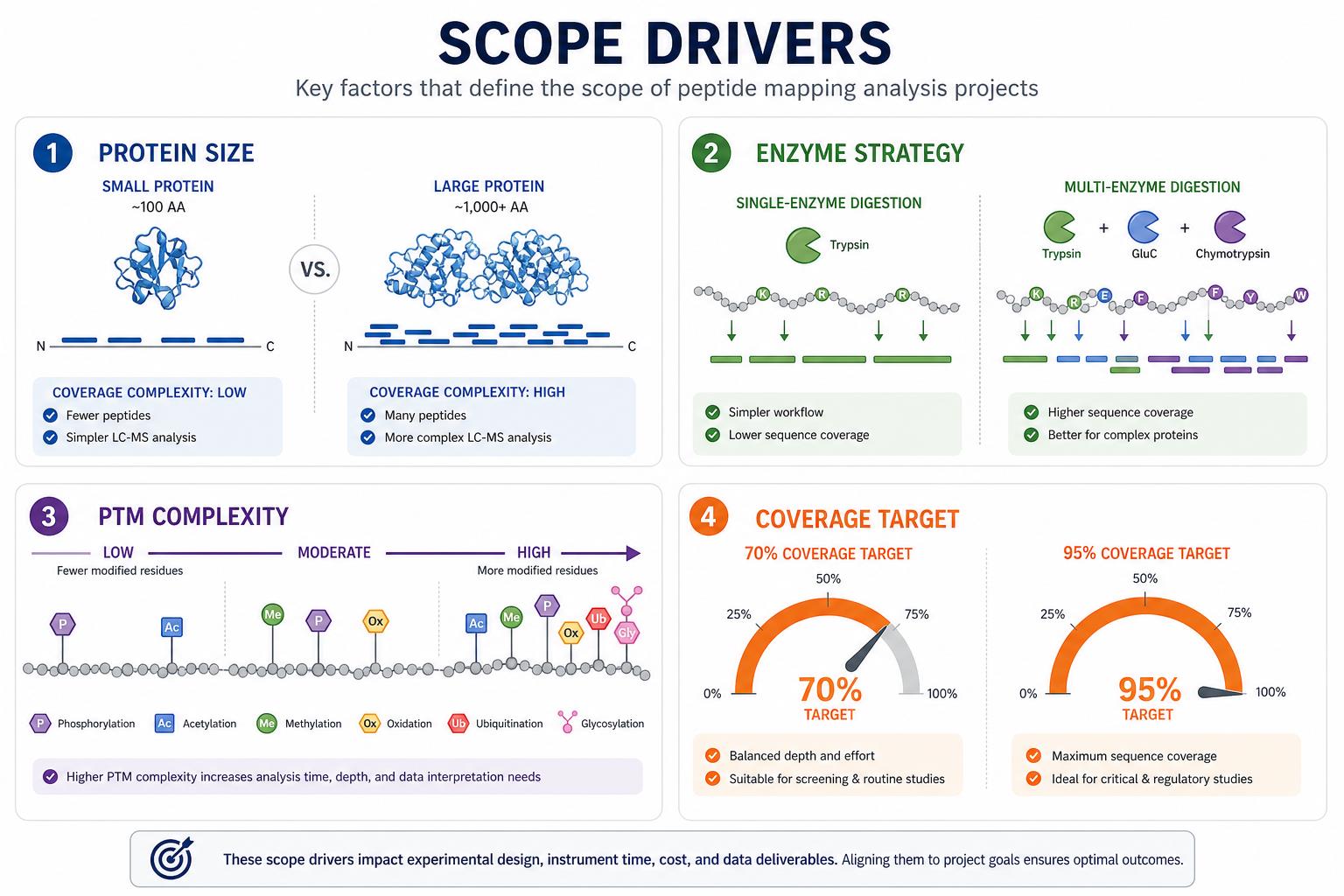
Figure 1. Enzyme strategy, PTM complexity, protein size, and coverage target are the main drivers of peptide mapping analysis scope.
Typical Project Phases
Peptide mapping analysis projects usually progress through defined phases rather than a single fixed schedule. Simple purified proteins with standard trypsin mapping can move quickly once the reference sequence is confirmed. Complex biologics with PTMs or comparability requirements usually require a longer analysis and review phase. Planning terminal or intact mass support separately from full mapping reduces rework when only one type of evidence is ultimately required.
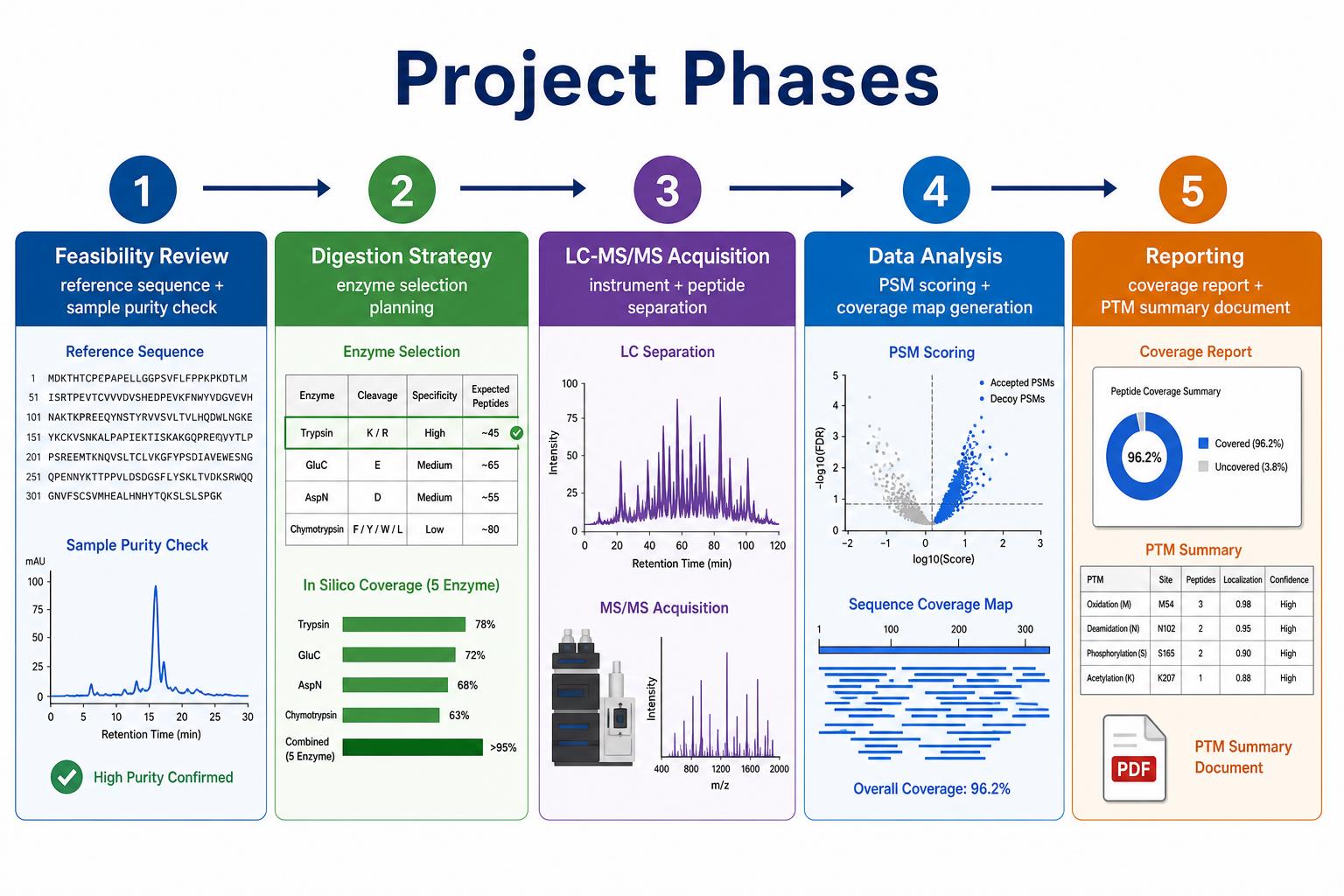
Figure 2. Feasibility review and enzyme strategy selection before full LC-MS/MS analysis support a smoother reporting phase.
Report Deliverables to Request Up Front
Different stakeholders need different outputs. Define deliverables during quoting rather than after data analysis is complete.
Minimum useful deliverables often include:
- PSM table with peptide sequences and scores
- sequence coverage map aligned to the reference protein
- summary of observed PTMs or variants
- comments on unobserved or low-confidence regions
Additional deliverables may include:
- multi-enzyme coverage comparison
- biosimilar side-by-side peptide profile summary
- method description suitable for QC documentation
- annotated spectra for selected critical peptides
For programs requiring formal documentation, confirm whether Peptide Mapping Analysis Service includes the reporting depth your quality system expects.
Vendor Evaluation Criteria
When comparing peptide mapping analysis providers, look beyond price per sample.
1. Enzyme and Coverage Strategy Experience
Can the vendor recommend multi-enzyme approaches when trypsin alone is insufficient?
2. PTM Assignment Capability
Can expected modifications be reviewed with appropriate search and interpretation depth?
3. Reporting Clarity
Are coverage maps, PSM tables, and gap commentary documented clearly?
4. Biopharmaceutical Familiarity
Can the provider support comparability or QC-style deliverables when required?
5. Complementary Method Access
Can terminal, intact mass, or de novo routes be integrated if mapping alone is insufficient?
6. Phased Delivery
Can feasibility, mapping, and follow-up gap closure be scoped as separate decision gates?
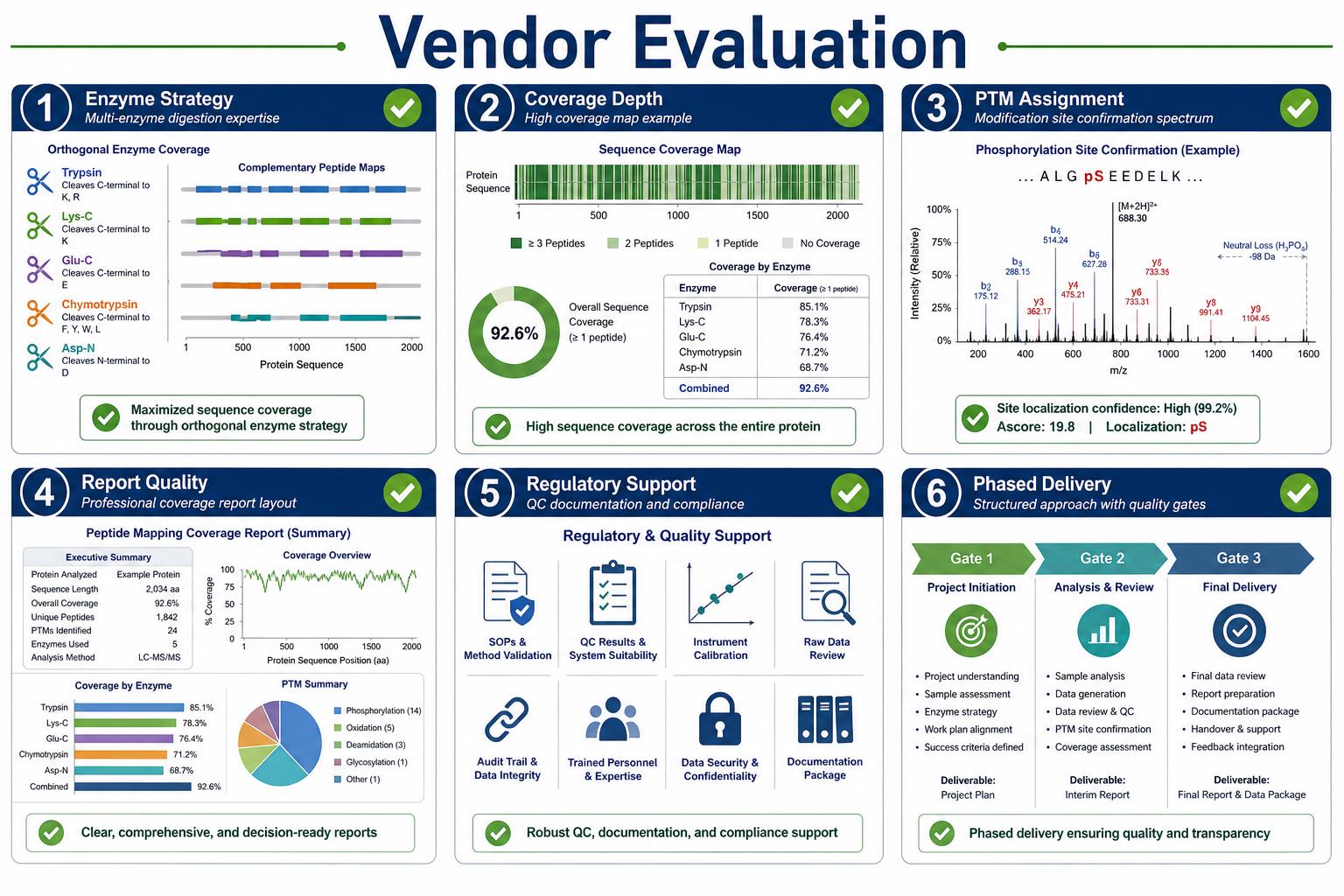
Figure 3. Enzyme strategy, coverage depth, PTM review, and report quality matter more than per-sample price alone.
Budget Planning Tips
To keep peptide mapping analysis projects within budget:
- confirm reference sequence and sample purity before digestion
- define decision-critical regions rather than requesting unnecessary repeat mapping
- use single-enzyme mapping first when feasibility supports it
- reserve multi-enzyme or specialized mapping for confirmed gap regions
- share prior SDS-PAGE, intact mass, or partial mapping data during scoping
Avoid requesting maximum coverage documentation on the first pass when a staged mapping plan would identify gaps more efficiently.
Include region priority in the quote request. Tier-one sequence segments tied to identity, PTM review, or regulatory acceptance should drive the first mapping design. Tier-two exploratory regions can be addressed in follow-up digests after feasibility review.
When budgeting comparability programs, align sample prep and digestion strategy across reference and test materials so peptide-level differences are interpretable.
Request a written feasibility summary before final mapping lock-in when the protein is disulfide-rich, heavily modified, or previously produced incomplete coverage. The summary should identify which regions are likely observable with standard trypsin and which require alternate enzyme or prep strategy.
Define acceptance criteria before reporting is finalized. Specify minimum coverage expectations, required PTM review, and how unobserved regions will be discussed so the report supports the project decision rather than generic data delivery alone.
Frequently Asked Questions
1. How much protein is needed for peptide mapping analysis?
Depends on protein size, purity, and coverage goal. Feasibility review can estimate amount after sample type is defined.
2. Is trypsin digestion enough for every project?
No. Many projects start with trypsin, but difficult regions often require complementary enzymes or optimized conditions.
3. What should I include in the quote request?
Reference sequence, sample type, purity information, expected PTMs, coverage goal, and reporting requirements.
4. Does peptide mapping analysis include glycosylation review?
Modified peptides can be reviewed when glycopeptides are detected and analysis scope includes glyco-related search or specialized mapping.
5. Can one vendor provide mapping and de novo follow-up if needed?
Yes. Integrated support reduces delay when reference mapping leaves unexplained peptides or gaps.
Conclusion
Successful peptide mapping analysis projects are planned around reference accuracy, enzyme strategy, and reporting needs, not coverage slogans alone. By defining sequence targets, PTM review scope, and validation deliverables before shipment, teams reduce rework and obtain primary structure evidence that supports the next QC, comparability, or research decision.
MtoZ Biolabs can Plan your peptide mapping analysis scope across Peptide Mapping Analysis Service, Comprehensive Peptide Mapping Service, and Primary Structure Analysis Service. Contact the technical team with reference sequence, sample details, and coverage requirements to receive a feasibility-aligned project plan before samples are shipped.
How to order?




