






Resources
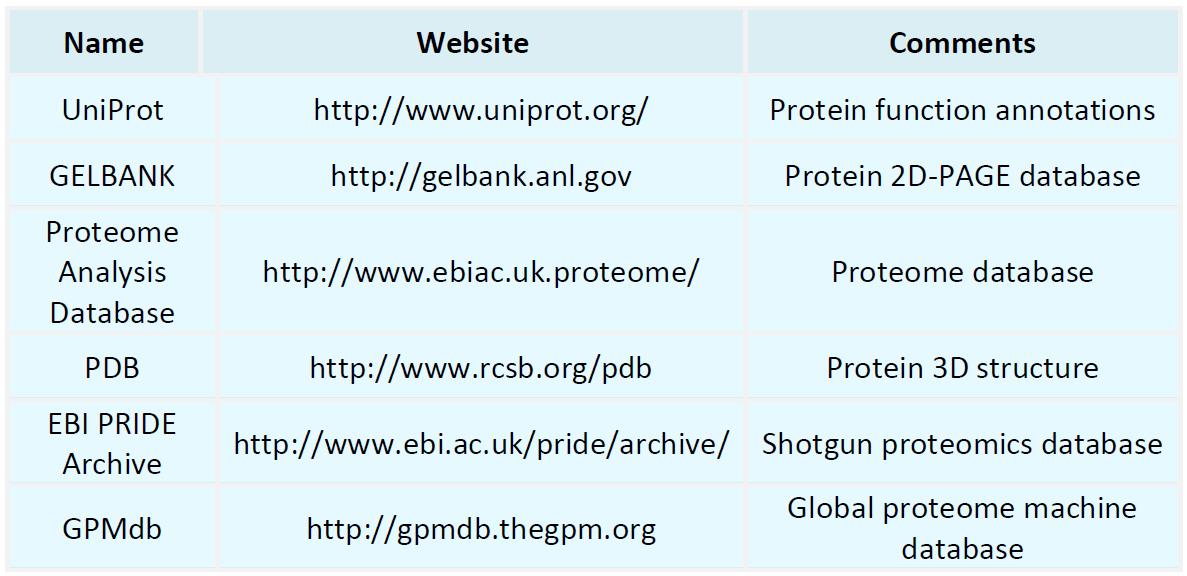
Proteomics Databases
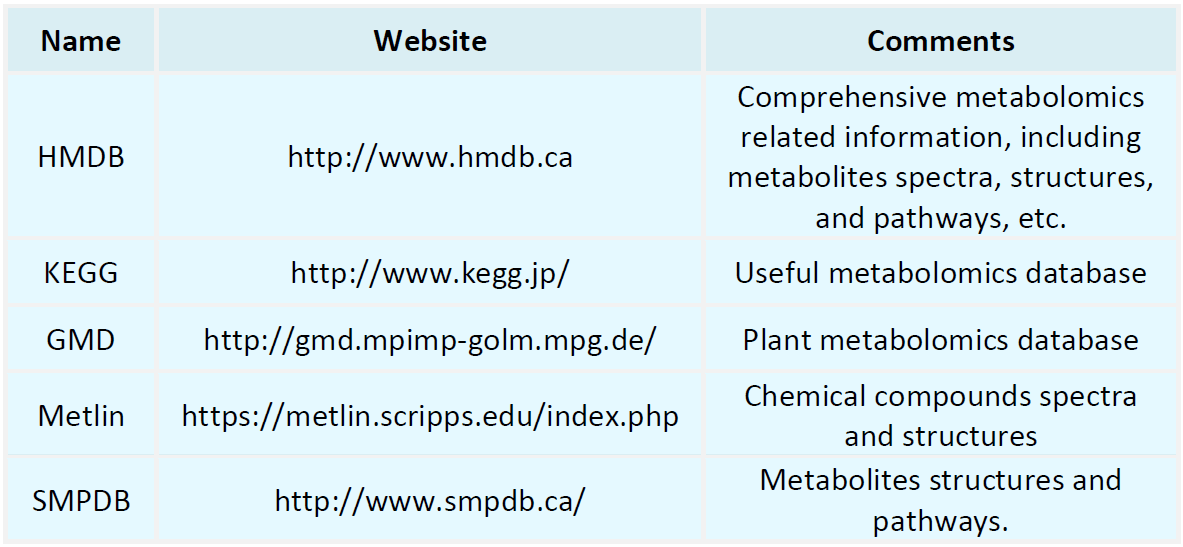
Metabolomics Databases
-
• Mechanism of MS-Based Relative Protein Quantification
Mass spectrometry (MS) has established itself as a cornerstone tool in modern proteomics, particularly in the realm of protein relative quantification. Owing to its high sensitivity and resolution, MS facilitates the detection and quantification of numerous proteins within complex biological samples.
-
• Workflow of MS-Based Relative Protein Quantification
Mass spectrometry (MS) is an indispensable tool in modern biological research, particularly in proteomics. Protein relative quantification is a significant application of MS technology, enabling researchers to compare protein expression levels across different biological samples, thereby revealing dynamic changes in biological processes.
-
• Advantages and Disadvantages of MS-Based Relative Protein Quantification
Mass spectrometry (MS) has emerged as a powerful analytical tool widely used in proteomics research. In protein quantification, mass spectrometry-based relative quantification methods are highly valued for their sensitivity, high throughput, and broad application range.
-
• Principle of MS-Based Relative Protein Quantification
Mass spectrometry (MS) is one of the most vital analytical tools in modern proteomics, enabling the efficient and accurate identification and quantification of proteins within complex biological samples. The principle of mass spectrometry-based protein relative quantification is centered on comparing the relative abundance of the same protein across different samples to uncover biological differences.
-
• Mass Spectrometry Sequencing Method Analyzes Protein Structure and Function
Proteins are one of the most important functional molecules in biological organisms, with their structure and function being closely related. Understanding the structure and function of proteins is of significant importance for a deeper understanding of the life activities of organisms. Mass spectrometry sequencing, as a highly efficient and accurate protein analysis technology, provides us with a powerful tool for revealing the structure and function of proteins.
-
• How Is the Amino Acid Sequence of a Peptide Determined?
Peptides are large biological molecules composed of amino acids. The determination of their amino acid sequence is of great significance for drug development in the field of biotechnology. This article will introduce the methods of determining the amino acid sequence of peptides and its application in drug development. Edman Degradation Method The Edman degradation method is one of the earliest methods used to determine the amino acid sequence of peptides.
-
• Advancing Protein Gel Bar Identification: Breakthrough in HPLC Protein Purity Detection
Proteins are important functional molecules in biological systems and play a crucial role in understanding biological processes and the development of biological drugs. During the development of biological drugs, accurate identification of protein purity is crucial.
-
• How to Read Protein Amino Acid Sequence?
Basic Composition of Amino Acid Sequence The amino acid sequence of a protein is composed of 20 different amino acids in a certain order. Each amino acid has its own characteristics and chemical properties, which determine the structure and function of proteins. When interpreting the amino acid sequence, we need to pay attention to the following aspects:
-
• What is the Analysis Flow for Protein Amino Acid Sequence Testing?
Proteins are important functional molecules in organisms, and their amino acid sequences determine their structure and function. Therefore, accurately determining the amino acid sequence of proteins is of great importance for drug development in the biotechnology field. This article will introduce the analysis process of protein amino acid sequence testing methods, including sample preparation, sequencing technology, data analysis, and result interpretation.
-
• DLS (Dynamic Light Scattering) Analysis of Antibody Drugs
Antibody drugs are a class of drugs that treat diseases through artificially synthesized antibodies, such as monoclonal antibodies, artificially synthesized antibody fragments, immunotoxins, antibody drug conjugates, etc. They bind specifically with target molecules to achieve therapeutic purposes. Antibody drugs have shown significant therapeutic effects in many disease treatments, such as cancer, autoimmune diseases, inflammatory diseases, immune regulation, and ophthalmic diseases.
How to order?




