






Resources
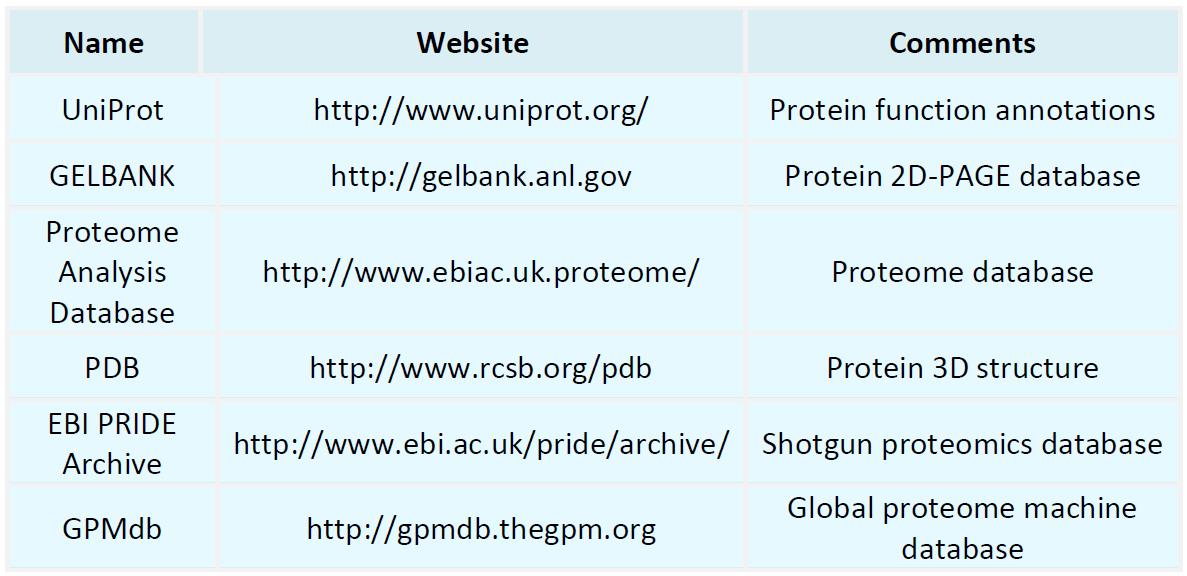
Proteomics Databases
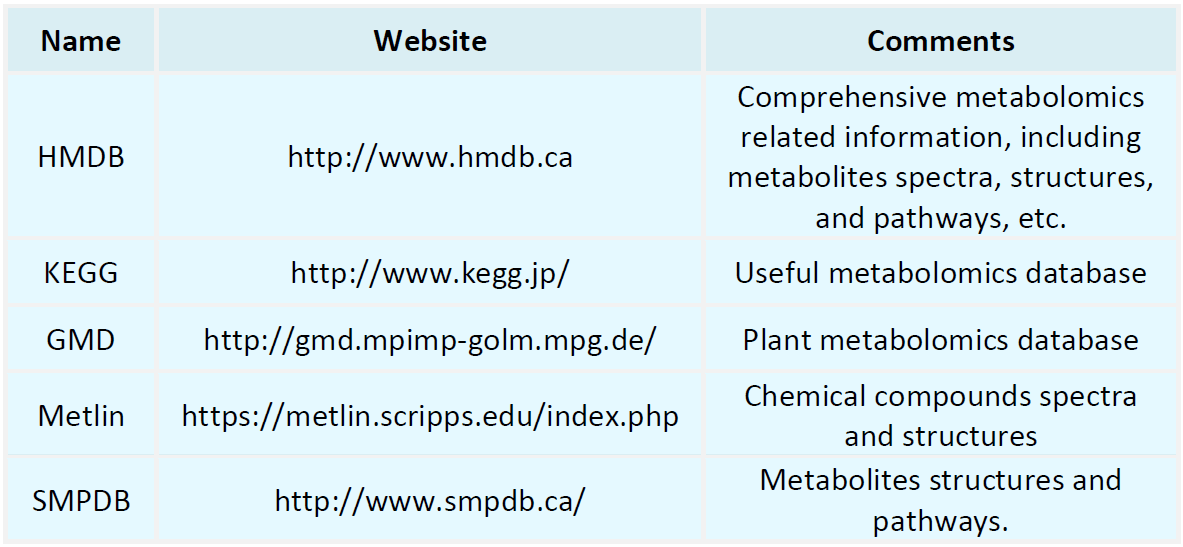
Metabolomics Databases
-
• Analysis of Membrane Proteins Using Affinity Purification Tags
Membrane proteins are integral to cellular function, acting as gatekeepers and communication hubs for cells. Despite their importance, studying these proteins poses significant challenges due to their complex nature and the intricate environments they inhabit. Advances in affinity purification tags have revolutionized the analysis of membrane proteins, offering researchers powerful tools to unravel their mysteries.
-
• Mechanism of Cell Surface Proteomics
Cell surface proteomics is an essential field studying proteins expressed on the cell surface and their interactions. These proteins play critical roles in intercellular communication, immune responses, and disease progression. Understanding these mechanisms not only reveals fundamental biological principles but may also provide a basis for the development of new therapies.
-
• Application of Cell Surface Proteomics
Cell surface proteomics is a discipline that studies the proteins located on the cell membrane, encompassing their structure, function, and roles in intercellular interactions. Cell surface proteins play crucial roles in various biological processes, including cell signaling, immune responses, and communication between cells. Therefore, understanding these proteins' functions and their alterations in diseases is of great importance for biomedical research and clinical applications.
-
• Workflow of Cell Surface Proteomics
Cell surface proteomics is an important field in biological research, providing insights into cellular functions, signal transduction, and the role of proteins in diseases.
-
• Mechanism of Exosome Proteomics
Exosomes are small membrane vesicles released by cells, ranging in size from approximately 30 to 150 nanometers, and are widely found in various biological fluids, such as blood, urine, saliva, and breast milk. They play crucial roles in intercellular signaling, material transport, and immune regulation. In recent years, exosomal proteomics has emerged as a significant research field, attracting considerable attention from the scientific community.
-
• Principle of Cell Surface Proteomics
Cell surface proteomics is a critical field that studies the proteins on the surface of cell membranes and their functions. These proteins play vital roles in intercellular signaling, cell recognition, immune responses, and other biological processes.
-
• Application of Exosome Proteomics
Exosomes are small membrane vesicles secreted by various cells, typically ranging from 30 to 150 nanometers in diameter. They play crucial roles in intercellular communication, material transport, and cell signaling. As research into exosome biology deepens, exosome proteomics has emerged as a burgeoning field, increasingly demonstrating its potential applications in biomedical research, disease diagnosis, and treatment.
-
• Workflow of Exosome Proteomics
Exosomes are small membrane vesicles secreted by cells, containing a variety of biomolecules such as proteins, lipids, and RNAs. In recent years, the significance of exosomes in intercellular communication, disease diagnosis, and therapy has become increasingly prominent, making exosome proteomics research vital.
-
• Application of Subcellular Proteomics
Subcellular proteomics is the study of the protein composition within different subcellular compartments, such as the nucleus, cytoplasm, and mitochondria. With advancements in technology, subcellular proteomics is increasingly demonstrating its significance in both basic research and clinical applications.
-
• Mechanism of Subcellular Proteomics
Subcellular proteomics is a crucial field dedicated to studying the composition and functions of protein groups in different subcellular compartments. With the advancement of high-throughput proteomics technologies, researchers can delve into the dynamic changes and interactions of proteins within cells, revealing the complexity and diversity of cellular functions.
How to order?




