






Resources
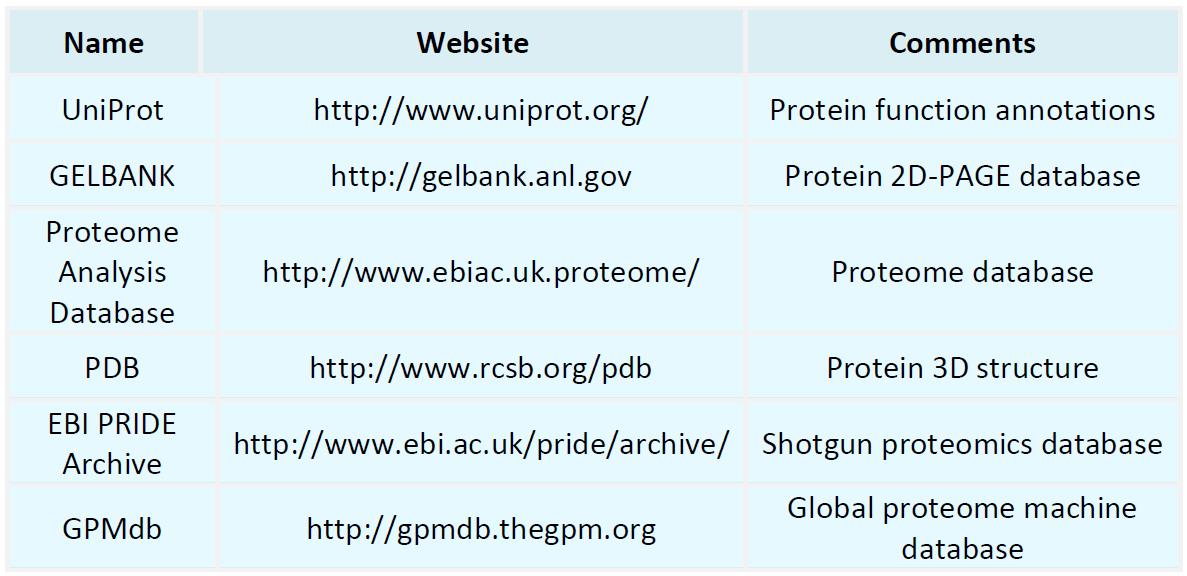
Proteomics Databases
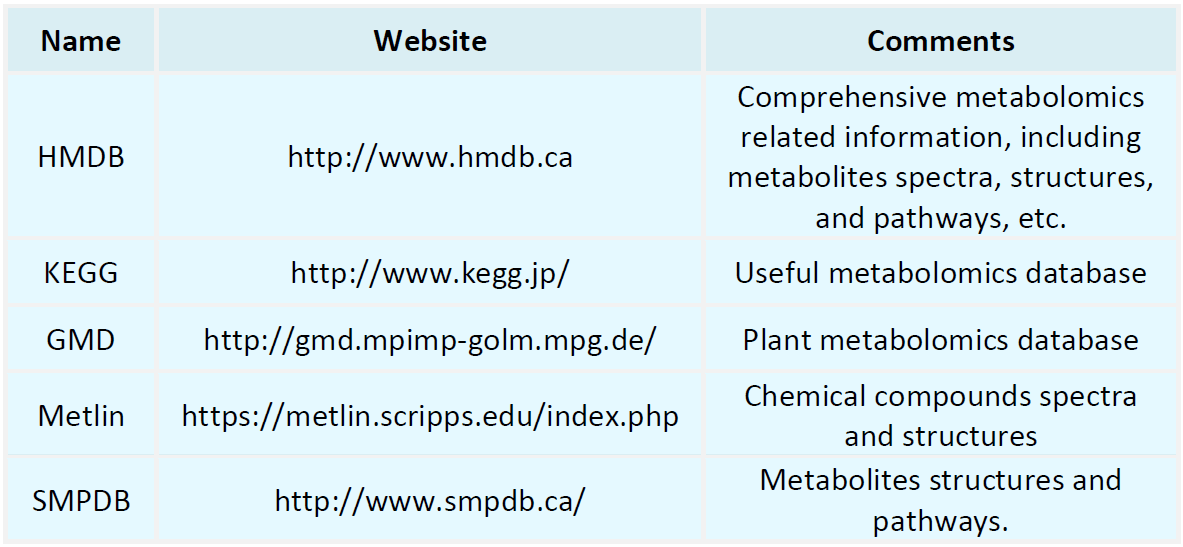
Metabolomics Databases
-
• C-Terminal Amino Acid Sequencing
C-terminal amino acid sequencing is a critical analytical technique for determining the sequence of amino acids at the carboxyl terminus (C-terminus) of proteins or polypeptides. The C-terminus, characterized by a free carboxyl group, plays a crucial role in defining protein function, activity, and stability. Understanding the C-terminal sequence provides valuable insights across various fields. In drug development, this method is employed to evaluate the structural integrity of recombinant protein dr......
-
CD analysis of proteins is a widely utilized spectroscopic technique for studying the structural and folding properties of proteins. By measuring the differential absorption of left- and right-circularly polarized light, it provides detailed insights into secondary structures such as α-helices, β-sheets, and random coils. This phenomenon, known as circular dichroism (CD), arises due to the asymmetric absorption of polarized light by chiral centers in amino acids and peptide bonds. The resulting CD spe......
-
Antibody mass spectrometry is a powerful analytical approach that integrates the specific recognition of antibodies with the high sensitivity of mass spectrometry, enabling targeted enrichment and precise quantification of proteins. This method employs key technologies, including matrix-assisted laser desorption/ionization time-of-flight mass spectrometry (MALDI-TOF MS) and electrospray ionization mass spectrometry (ESI-MS). MALDI-TOF MS is particularly effective for rapid molecular weight determinati......
-
• Antibody Sequencing Mass Spectrometry
Antibody sequencing mass spectrometry is a powerful technology used to analyze and determine the amino acid sequences of antibodies. As essential components of the immune system, antibodies consist of heavy and light chains, with their amino acid sequences defining their specificity and function. Conventional antibody sequencing methods rely on gene sequencing, but they face limitations in accurately capturing sequence information, particularly for in vitro-modified antibodies and post-translational m......
-
• Antibody Characterization Assays
Antibody characterization assays involve comprehensive analyses to determine the structural, functional, and other key properties of antibodies. As crucial components of the immune system, antibodies recognize and neutralize foreign pathogens, such as viruses and bacteria. These assays enable researchers and clinicians to evaluate binding specificity, affinity, stability, and purity, properties that directly influence antibody functionality and efficacy. During the development of antibody-based drugs ......
-
• Antibody Characterization Services
Antibody characterization is primarily used to identify, analyze, and verify the properties of antibodies and their functions in biological systems. As key components of the immune system, antibodies are widely utilized in disease diagnosis, treatment, drug development, and fundamental scientific research. Antibody characterization relies on the specific binding reactions between antigens and antibodies, wherein an antibody binds exclusively to a specific epitope on an antigen to form an antigen-antib......
-
• 2D Gel Electrophoresis and Mass Spectrometry
2D gel electrophoresis and mass spectrometry are two pivotal technologies in proteomics research that complement each other to provide a robust platform for protein identification and quantitative analysis. Researchers in proteomics often face the challenge of analyzing complex protein mixtures, where a single technique cannot meet the dual demands for high resolution and throughput. 2D gel electrophoresis efficiently separates proteins on a two-dimensional plane based on isoelectric points (pI) and m......
-
2D protein analysis is a high-resolution separation technique extensively used in proteomics to comprehensively analyze protein composition, expression levels, and post-translational modifications (PTMs) in complex biological samples. The method combines two distinct separation mechanisms: isoelectric focusing (IEF) and sodium dodecyl sulfate-polyacrylamide gel electrophoresis (SDS-PAGE). In the first dimension, IEF separates proteins based on their isoelectric points (pI) along a stable pH gradient. ......
-
Single cell mRNA sequencing is a revolutionary gene expression analysis technology that profiles mRNA expression at the single-cell level, enabling the exploration of cellular heterogeneity and dynamic changes under various biological states. This technique provides transformative insights into cell function, developmental processes, disease mechanisms, and intercellular communication, with wide-ranging applications in tumor research, immunology, neuroscience, and stem cell studies. Tumor tissues, com......
-
2D gel analysis is a high-resolution method for separating and identifying proteins, widely utilized in proteomics research. This technique integrates two electrophoresis methods-soelectric focusing (IEF) and sodium dodecyl sulfate-polyacrylamide gel electrophoresis (SDS-PAGE)-to separate protein samples on a two-dimensional plane. In the first dimension, proteins are separated based on their isoelectric points (pI) through IEF. In the second dimension, SDS-PAGE resolves proteins according to their m......
How to order?




