






Resources
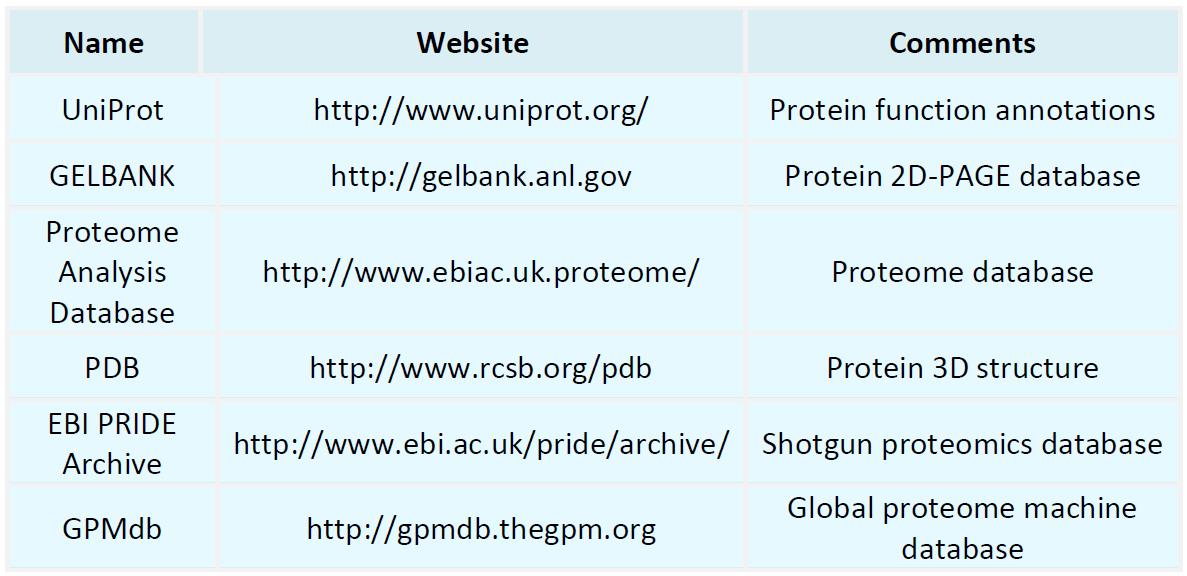
Proteomics Databases
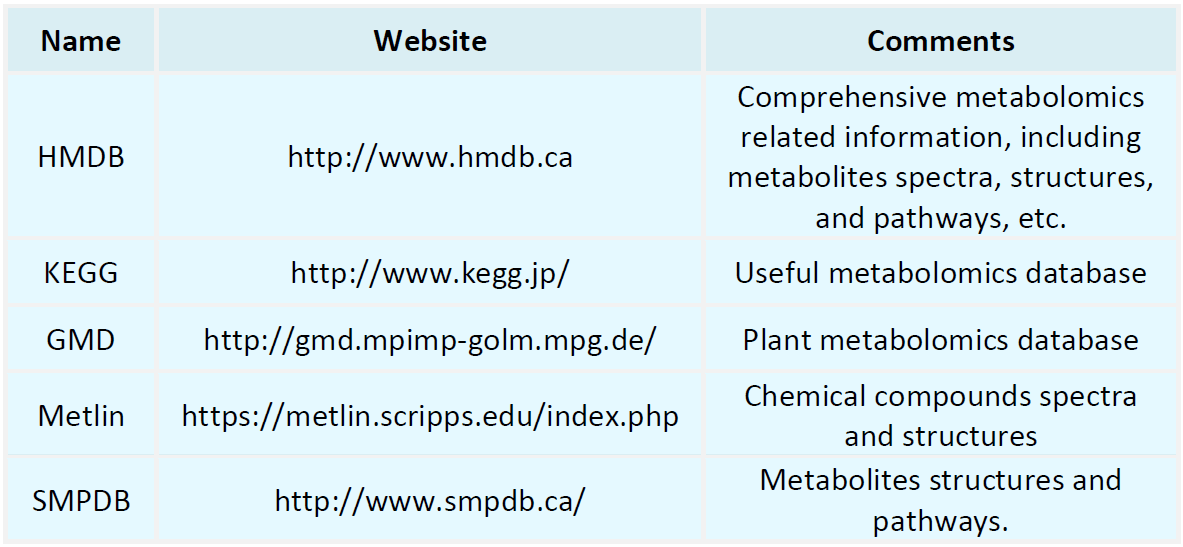
Metabolomics Databases
-
Ultrasensitive proteomics is an advanced protein analysis technique designed to detect and quantify very low concentrations of proteins in biological systems. The primary aim of this technology is to address the limitations of conventional proteomics methods, allowing for a more in-depth understanding of protein composition and function within organisms.
-
• Protein Quantification Method
Common methods for protein quantification include: Bradford Protein Assay: This method quantifies protein concentration by measuring the absorbance change when Coomassie Brilliant Blue G-250 dye binds to proteins. It is ideal for rapid protein detection. BCA Protein Assay: This assay relies on the reduction of copper ions by proteins, which subsequently react with the BCA reagent to form a purple complex. Protein quantification is achieved through absorbance measurement.
-
• De Novo Sequencing Mass Spectrometry
De novo sequencing mass spectrometry is a powerful technique for determining the amino acid sequence of proteins without relying on existing protein or genome databases. Instead, it directly derives sequence information from experimental mass spectrometry data. This method is especially valuable for analyzing newly discovered proteins, unknown variants, or proteins with complex modifications. By uncovering the relationship between protein structure and function, de novo sequencing mass spectrometry pl......
-
Host cell protein detection is a critical analytical technique in the development and production of biopharmaceuticals. HCPs are non-target proteins secreted or released by host cells during the manufacturing process. These proteins, as impurities, may trigger immune responses, reduce drug efficacy, and compromise patient safety. During drug development, host cell protein detection plays a pivotal role in optimizing purification processes to ensure compliance with stringent regulatory standards. Since......
-
• Mass Spectrometry Protein Interactions
Mass Spectrometry Protein Interactions refer to the application of mass spectrometry techniques to investigate and analyze the interactions between proteins. Due to its high sensitivity, specificity, and throughput, mass spectrometry has become an indispensable tool for studying protein-protein interactions. These interactions are fundamental to numerous biological processes, including signal transduction, metabolic regulation, and gene expression. By studying protein interactions through mass spectro......
-
• Monoclonal Antibody Characterization
Monoclonal antibody characterization is a comprehensive process that evaluates the structure, function, purity, and other critical properties of monoclonal antibodies using various analytical techniques. These antibodies, due to their high specificity and consistency, have become essential tools in modern biomedicine, with applications in disease diagnosis, therapeutic interventions, and basic research. However, to ensure the safety, efficacy, and long-term stability of monoclonal antibodies, thorough......
-
• N-Terminal Amino Acid Analysis
N-terminal amino acid analysis is a critical method in proteomics research for determining the amino-terminal sequence of proteins. Proteins are macromolecules composed of amino acids linked by peptide bonds, with the N-terminal amino acid representing the first residue in the chain. This analysis provides essential sequence information that supports studies of protein function, structural characterization, and biosynthetic pathways. Traditionally, Edman degradation has been the primary method for N......
-
• Quantification of Host Cell Protein Impurities
Quantification of Host Cell Protein Impurities is a crucial analytical approach employed to identify and measure residual host cell proteins in biopharmaceutical production. These impurities can introduce significant risks to the final drug product, including reduced stability, altered therapeutic efficacy, and potential immunogenic responses. Accurate quantification of host cell protein impurities is therefore essential to ensure the safety and efficacy of biopharmaceuticals. In the manufacturing of ......
-
AQUA proteomics (absolute quantification) is a mass spectrometry-based technique designed to achieve precise absolute quantification of target proteins in complex samples using stable isotope-labeled peptides as internal standards. The method involves synthesizing isotope-labeled peptides that are chemically identical to the target peptides in the sample but distinguishable in mass spectrometry due to isotope labeling. By comparing the peak intensities of endogenous peptides with their isotope-labeled......
-
Ubiquitination proteomics focuses on the comprehensive analysis of ubiquitinated proteins and their roles in cellular mechanisms. Ubiquitination, a ubiquitous post-translational modification in eukaryotic cells, regulates key biological processes such as protein degradation, signal transduction, cell cycle control, and DNA repair by covalently attaching ubiquitin molecules to target proteins. Depending on whether a single ubiquitin molecule or complex ubiquitin chains are attached, ubiquitination can ......
How to order?




