






Resources
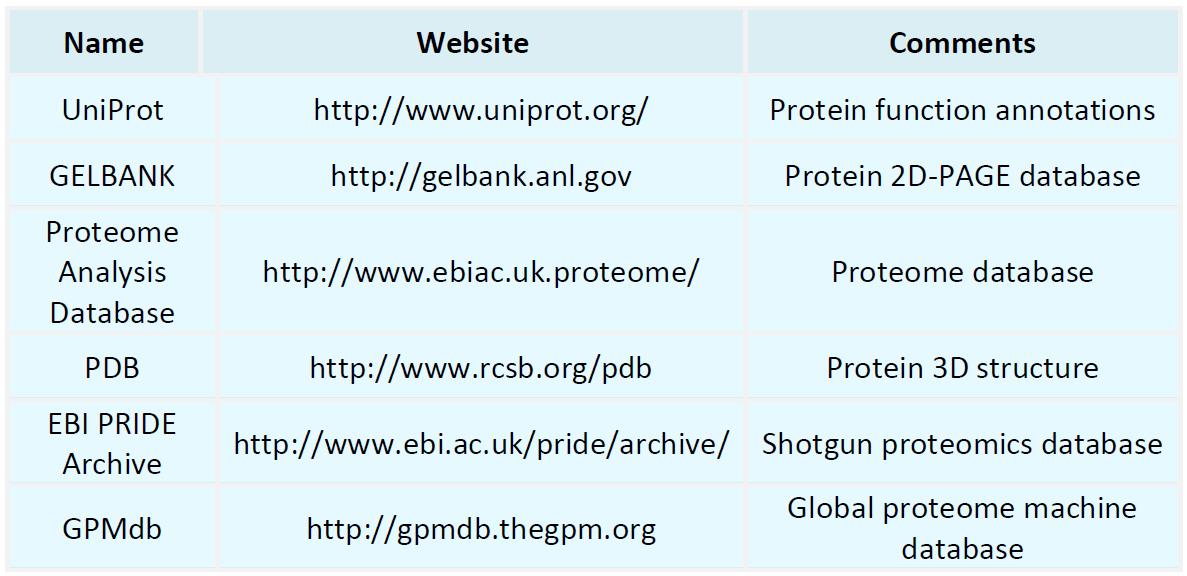
Proteomics Databases
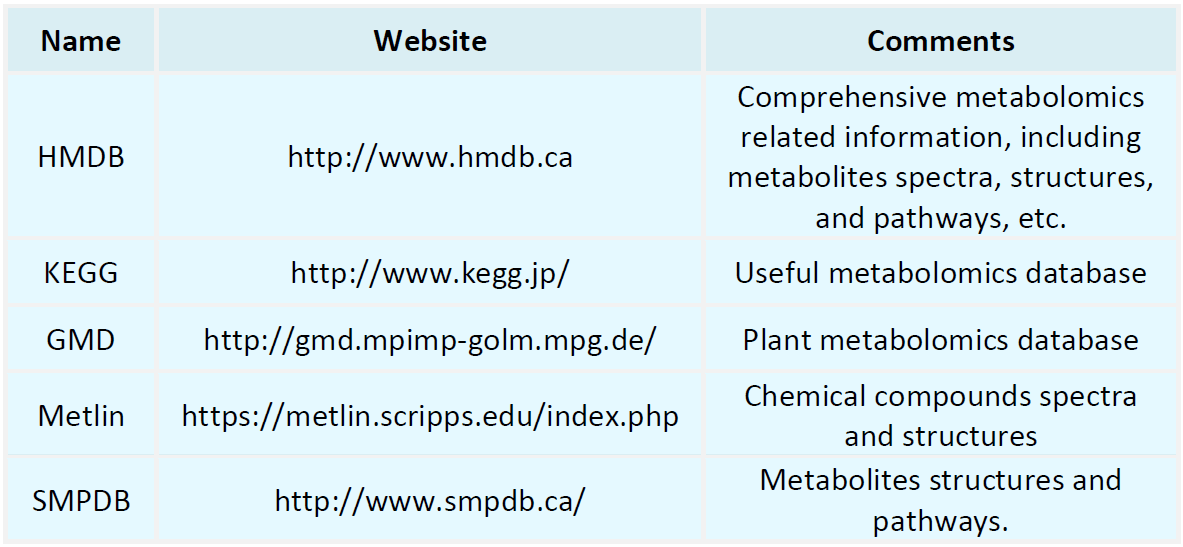
Metabolomics Databases
-
• Protein Interaction Validation
Protein interaction verification is an essential aspect of biological research, designed to determine whether proteins engage in direct or indirect interactions with one another. This process is instrumental in elucidating intracellular signaling pathways, protein functions, and the pathogenesis of diseases.
-
• Mutual Protein Identification
Identification of interacting proteins refers to the process of recognizing and analyzing interactions between proteins, which is crucial for understanding cellular functions and disease mechanisms. There are various methods for identifying interacting proteins, each with its own advantages and limitations. Here we present a detailed overview of several commonly used methods:
-
• Plant Mass Spectrometry Detects Protein Interactions
Using mass spectrometry to study protein-protein interactions in plants represents a significant direction in contemporary plant proteomics research. By analyzing protein interaction networks, scientists gain deeper insights into physiological processes such as plant growth and development, environmental adaptation, and disease defense. This approach not only identifies direct interactions between specific proteins but also elucidates the composition of protein complexes and their physiological roles in....
-
• Mass Spectrometry Combined with Protein
Mass spectrometry combined with proteomics represents a powerful analytical tool for the identification and quantification of proteins within cells. This process can generally be divided into the following steps:
-
• Analysis of Sample Volume Required for Exosome Protein Identification
Exosomes are vesicles released by cells into the external environment that contain proteins, RNA, and other molecules, which reflect the biological state of their source cells. Identifying exosomal proteins through mass spectrometry typically requires only small sample amounts, though the precise quantity depends on several factors, such as the sensitivity of the mass spectrometer, the purity of the sample, and the desired data depth and coverage.
-
The detection of peptides in serum is widely used in disease diagnosis, therapeutic monitoring, and biomedical research. Peptides, as a class of small protein fragments with specific biological activities, play crucial roles in many physiological and pathological processes.
-
• Target Protein Mass Spectrometry
Mass spectrometry (MS) is a powerful analytical technique widely used for the identification and quantification of proteins in various samples. This technology plays a critical role in biological research, biomedical studies, and drug development, particularly within the field of proteomics. MS can provide precise molecular weights, structural details, and information on post-translational modifications, such as phosphorylation, glycosylation, or ubiquitination, of proteins. The typical workflow for mass...
-
• Immunoprecipitation Mass Spectrometry Analysis
Immunoprecipitation-Mass Spectrometry (IP-MS) is a method that combines immunoprecipitation (IP) techniques with mass spectrometry (MS) technology to study protein interactions and the composition of protein complexes. This technique can identify proteins that interact with specific proteins or protein complexes, thus providing insights into protein functions and intracellular signaling pathways.
-
• Detect Protein Ubiquitination by Immunoprecipitation
Immunoprecipitation (IP) is a valuable molecular biology technique employed to isolate proteins or protein complexes from complex cellular lysates through the use of specific antibodies. This method is extensively utilized to investigate protein-protein interactions, protein modification states (such as phosphorylation and ubiquitination), and the composition of protein complexes. Ubiquitination, an essential post-translational modification, involves the covalent attachment of ubiquitin, a small regulatory
-
• In Gel Digestion Mass Spectrometry
In gel digestion mass spectrometry combines polyacrylamide gel electrophoresis (PAGE) with mass spectrometry analysis, enabling in-depth characterization of complex protein samples. Gel electrophoresis allows the separation of complex protein mixtures into individual bands, which are then digested in the gel. The resulting peptides are analyzed by mass spectrometry, facilitating both protein identification and quantification. Since its development in the late 20th century, in gel digestion mass spectr......
How to order?




