






Protein Sequencing Sample Problems and How to Avoid Failed Results
Introduction
Many protein sequencing problems begin before the mass spectrometer, Edman instrument, or terminal analysis workflow is used. A sample may look like a clean band on a gel, but still contain co-migrating proteins. A purified protein may have enough concentration on paper, yet the usable amount after cleanup may be low. A protein may have the correct molecular weight, but a blocked N-terminus can make direct N-terminal sequencing difficult.
These issues do not always make protein sequencing impossible. They do, however, reduce sequence coverage, increase ambiguous calls, extend turnaround time, and sometimes require a different analytical route. Researchers usually feel the cost of these problems after receiving an incomplete report with missing terminal residues, weak peptide evidence, unresolved regions, or conflicting database matches.
The safest approach is to treat protein sequencing sample preparation as part of the experimental design. Before submission, researchers should connect sample condition, method choice, and the final decision the data must support. When material is rare, MtoZ Biolabs can review sample readiness and recommend whether LC-MS/MS protein sequencing, terminal sequencing, protein identification, or de novo sequencing is the better first step.
Related Services
| Customer Need | Recommended Service Direction |
| Need sequence evidence from prepared protein samples | Protein Sequencing Service |
| Need identity confirmation before sequencing strategy | Protein Identification Service |
| Need N- or C-terminal sequence troubleshooting | N/C Terminal Sequencing Service |
| Need MS-based peptide coverage confirmation | Peptide Mapping Service |
| Need unknown sequence recovery | De Novo Sequencing Service |
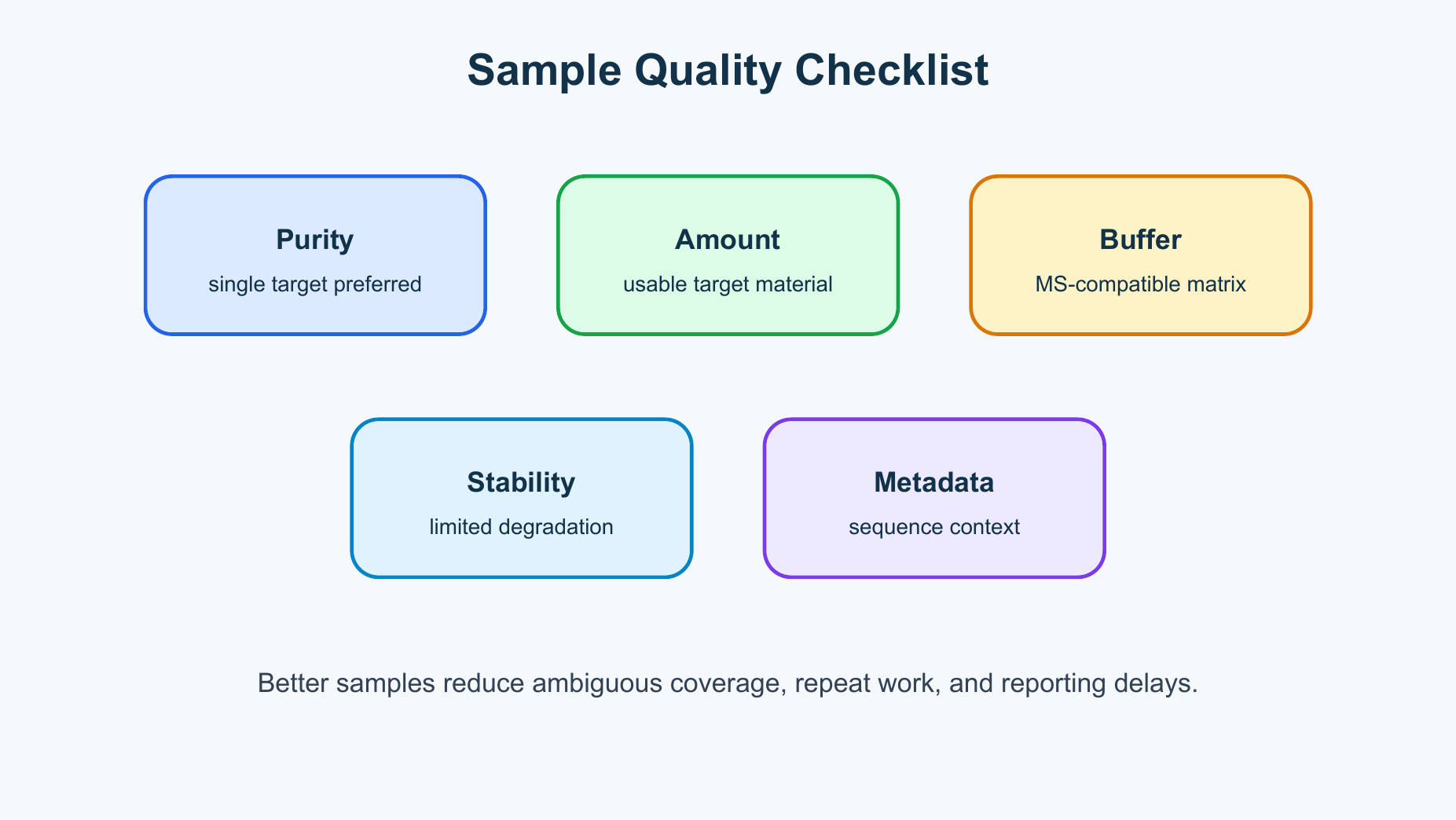
Figure 1. Sample quality controls should be checked before sequence analysis begins.
Problem 1: The Sample Is Not as Pure as Expected
Protein purity is one of the strongest predictors of interpretable protein sequencing results. A gel band, chromatography peak, or affinity-purified fraction may still contain more than one protein. Co-migrating proteins, degradation fragments, host cell proteins, carrier proteins, antibody chains, or keratin contamination can all appear in sequencing data.
The practical effect depends on the method. For LC-MS/MS protein sequencing, mixed proteins can produce overlapping peptide lists and reduce confidence in sequence assignment. For Edman degradation, a mixture can generate unreadable cycles because multiple N-terminal residues appear at the same position. For terminal analysis, contaminating proteins may obscure the true terminal sequence.
To reduce this risk, document how the sample was purified and provide available QC data. SDS-PAGE, silver staining, Coomassie staining, LC purity profiles, and molecular weight data can help the sequencing team assess risk. If the sample is expected to be mixed, the project should be designed as a mixture analysis or protein identification project before deeper sequencing is attempted.
Problem 2: The Amount Is Too Low for the Required Evidence
Low input does not only mean low concentration. Total amount, purity, recovery after cleanup, protein size, digestion behavior, and matrix complexity all affect usable signal. A sample may contain enough total protein but too little target protein if contaminants dominate the mixture.
Low input can reduce peptide coverage in LC-MS/MS workflows. It can also make terminal sequencing unreliable when the accessible N-terminus or C-terminus is present at low abundance. In de novo sequencing, weak spectra can prevent confident residue calls, especially in regions with similar amino acids, modifications, or poor fragmentation.
Researchers should provide concentration, total volume, buffer composition, storage condition, and estimated purity before submission. If material is limited, a staged approach may be safer. The first stage can confirm identity or feasibility, while the second stage can pursue broader coverage only if the sample supports it.
Problem 3: Buffer Components Interfere with Analysis
Protein sequencing is sensitive to sample matrix. Detergents, high salt, glycerol, preservatives, reducing agents, carrier proteins, polymeric additives, and some stabilizers can interfere with digestion, chromatography, ionization, Edman chemistry, or recovery during cleanup. The issue may not be obvious from a concentration measurement.
The solution is not always to repurify the sample from scratch. Sometimes buffer exchange, precipitation, gel cleanup, desalting, or digestion adjustment can make the sample compatible. The key is to disclose the formulation early. If the protein came from a commercial reagent, include the datasheet. If the formulation is unknown, state that clearly so the workflow can include risk control.
Avoid assuming that a buffer compatible with storage is also compatible with sequencing. A buffer that preserves activity may still reduce MS sensitivity or terminal sequencing performance. For important samples, discuss cleanup options before shipping the entire material.
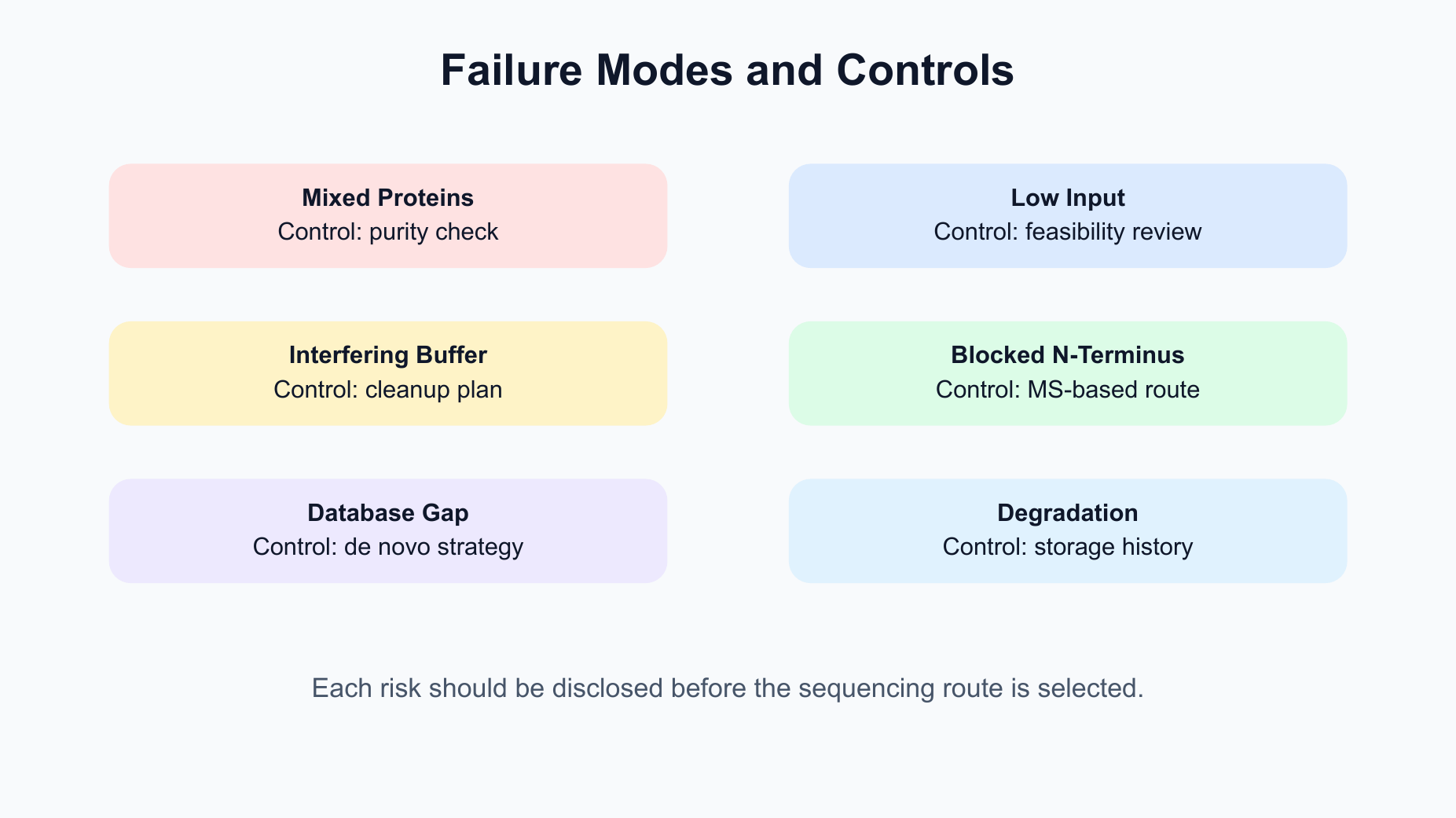
Figure 2. Common failure modes should be paired with practical controls before submission.
Problem 4: The N-Terminus Is Blocked or Modified
N-terminal sequencing depends on accessible chemistry. If the N-terminus is blocked, modified, cyclized, acetylated, pyroglutamylated, or otherwise unavailable, direct Edman degradation may fail or produce no readable sequence. This does not mean the protein cannot be analyzed. It means the method must change.
LC-MS/MS protein sequencing can often provide internal peptide evidence even when direct N-terminal sequencing is blocked. Specialized terminal analysis may also be considered when the biological question is specifically about processing or terminal modification. The choice depends on whether the goal is to read the end directly, confirm the expected sequence, or map broader peptide coverage.
Researchers should share any known processing information. Signal peptides, propeptides, tag cleavage, secretion, maturation, protease treatment, and expected terminal modifications can all shape interpretation. Without this context, a true biological processing event may be mistaken for a technical failure.
Problem 5: Database Information Is Missing or Wrong
Standard LC-MS/MS database searching works best when the expected sequence is present in the database. Problems arise when the protein comes from a non-model organism, engineered construct, proprietary sequence, natural variant, old clone, or incomplete annotation. In these cases, low database confidence does not always mean low data quality. It may mean the search space is wrong.
If a candidate sequence, construct map, species, strain, transcript, or partial sequence is available, provide it. Even partial information can improve peptide interpretation. If no reliable sequence exists, de novo protein sequencing should be discussed from the start. De novo sequencing requires higher attention to sample quality and often benefits from multiple digestion strategies to create overlapping peptides.
The risk of database mismatch is especially important for publication or development decisions. A weak database match can create false confidence. A transparent report should describe which regions are supported by observed peptides, which regions remain uncertain, and whether additional confirmation is recommended.
Problem 6: Degradation Creates Fragmented Evidence
Protein degradation can reduce sequence continuity and create misleading fragments. Protease contamination, repeated freeze-thaw cycles, long storage, inappropriate temperature, or harsh purification conditions can all affect the sample. Some fragments may still identify the protein, but broad sequence coverage or terminal interpretation may become harder.
Researchers should avoid unnecessary freeze-thaw cycles and store proteins under conditions appropriate for the molecule. If degradation is suspected, provide gel images, storage history, and any observed molecular weight shifts. A sequencing team can then decide whether to analyze the intact band, a major fragment, or a cleaned fraction.
Degradation is not always a disqualifier. In some projects, identifying the fragment itself is the goal. The important step is to define the question clearly: is the project trying to confirm the original protein, identify a cleavage product, or map a degradation pattern?
Problem 7: The Method Does Not Match the Decision
A common mistake is choosing a method by name rather than by evidence need. Edman sequencing is useful for accessible N-terminal reads, but it is not a full protein sequencing solution. Protein identification may confirm a known protein, but it may not recover unknown regions. Peptide mapping can support a known sequence, but de novo sequencing may be needed when no reference exists.
Before choosing a workflow, ask three questions. What material is available? What sequence information is already known? What decision will the result support? These questions determine whether the project needs LC-MS/MS protein sequencing, N-terminal sequencing, C-terminal sequencing, protein identification, peptide mapping, or de novo protein sequencing.
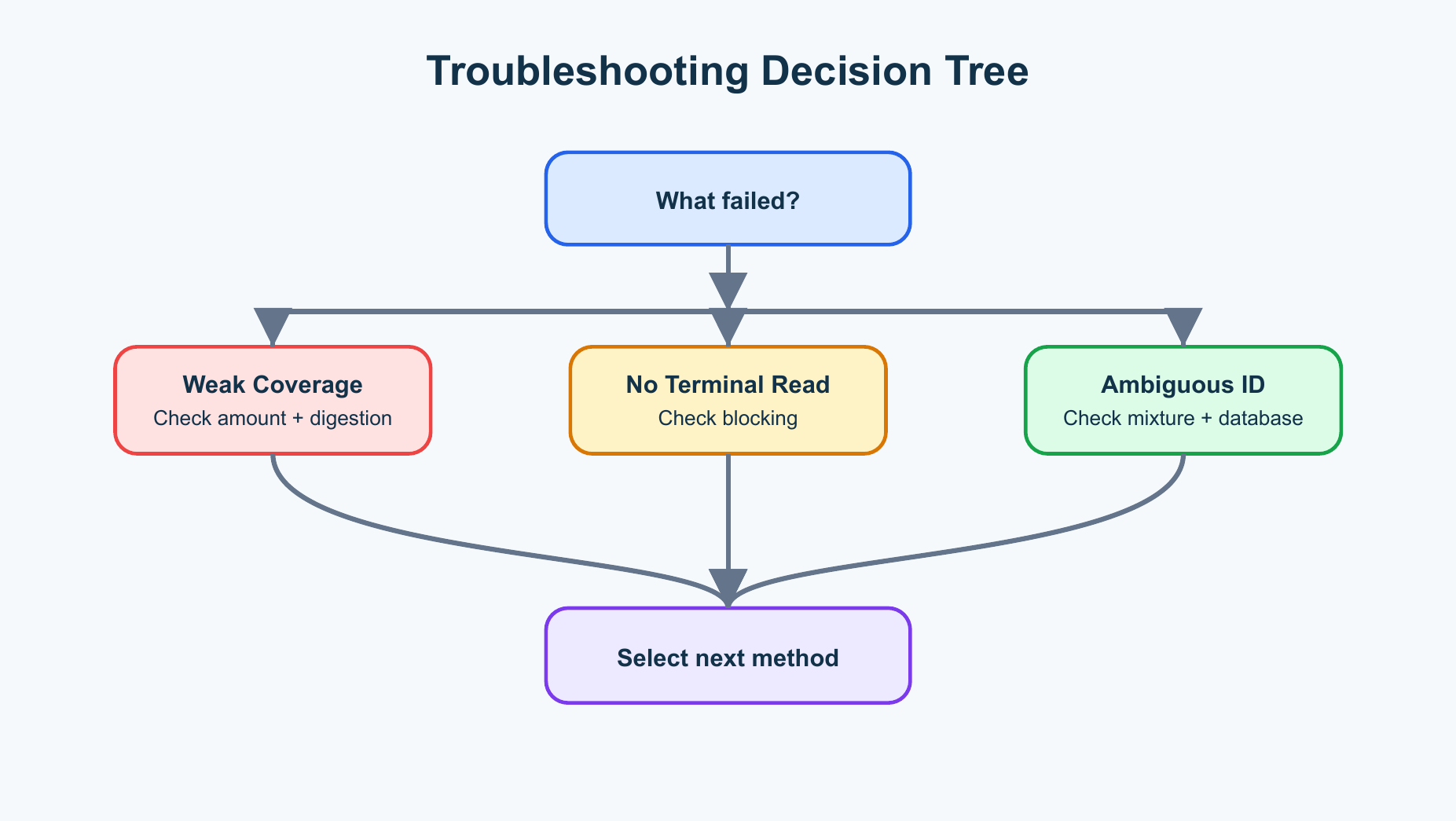
Figure 3. Troubleshooting starts with the sample, then moves to method fit and evidence needs.
A Safer Pre-Submission Checklist
Before sending samples, prepare a concise package that includes sample ID, protein name if known, species, expected molecular weight, purification method, concentration, volume, buffer composition, storage condition, gel or chromatogram data, known modifications, and project goal. If the sequence is partially known, include the sequence file or construct map.
For gel bands, state the staining method and approximate amount. For liquid samples, state whether the protein is purified, enriched, or part of a mixture. For biologics or recombinant proteins, include expected terminal processing, tags, cleavage sites, and any reference sequence used for comparison.
This information helps prevent avoidable repeat work. It also allows the provider to report uncertainty honestly. A good sequencing report should explain what the data supports, what remains unresolved, and what follow-up step would improve confidence.
Frequently Asked Questions
1. Can a gel band be used for protein sequencing?
Yes, but the band may still contain multiple proteins. Gel images, staining method, and expected molecular weight help assess whether protein identification, LC-MS/MS sequencing, or another workflow is appropriate.
2. What happens if the N-terminus is blocked?
Direct N-terminal sequencing may fail, but LC-MS/MS protein sequencing can still provide internal peptide evidence. Specialized terminal or modification analysis may be needed if the blocked end is the main question.
3. Can low-abundance samples be sequenced?
Sometimes. Success depends on purity, matrix, target amount, method, and confidence requirements. Rare samples should be reviewed before the full material is consumed.
4. Why does protein sequencing sometimes show incomplete coverage?
Coverage gaps can come from low input, poor digestion, hydrophobic regions, modifications, database mismatch, weak fragmentation, or sample mixtures. Missing coverage should be explained in the final report.
5. Should the sample be cleaned before submission?
Only if the cleanup method is compatible with the protein and the sequencing goal. In many cases, it is better to discuss buffer exchange or cleanup strategy before handling rare material.
Conclusion
Protein sequencing results improve when sample quality, method choice, and reporting expectations are aligned before analysis. The most common failures include mixed samples, low input, interfering buffers, blocked termini, database gaps, and degradation. These problems can often be managed if they are identified early.
For sample-limited or decision-critical projects, contact MtoZ Biolabs to check readiness, select the right sequencing route, and reduce avoidable delays before submitting protein material.
How to order?




