






Protein Mass Spectrometry Facility
Introduction
Many protein projects reach a point where in-house mass spectrometry is no longer practical. A research group may need intact mass confirmation for a purified protein. A biologics team may need peptide mapping or PTM review without maintaining a full proteomics platform. A structural biology lab may need native MS for complex stoichiometry but lacks high-mass instrument access. In each case, the decision often leads to a protein mass spectrometry facility.
A protein mass spectrometry facility provides specialized MS instrumentation, method expertise, and reporting support for protein and peptide analysis. Choosing the right facility is not only about instrument brand lists. It depends on whether the facility can match the analytical question, accept the sample type, consult on method selection, and deliver reports that support publication or development decisions. This article explains what a protein mass spectrometry facility typically covers, which evaluation criteria matter before submission, and how to move from inquiry to a clear project plan.
What a Protein Mass Spectrometry Facility Is
A protein mass spectrometry facility is an analytical environment dedicated to measuring proteins and peptides by mass spectrometry. Facilities may operate inside universities, institutes, pharma cores, or commercial CRO laboratories. The shared purpose is to convert protein samples into reliable mass data through defined preparation, acquisition, and interpretation workflows.
In practice, a facility may support discovery proteomics, protein identification, intact mass analysis, peptide mapping, PTM characterization, quantitative comparisons, and selected biotherapeutic assays. Some facilities also support native MS for assembly and stoichiometry questions. The scope varies, so facility selection should begin with the analytical question rather than a generic request for protein MS.
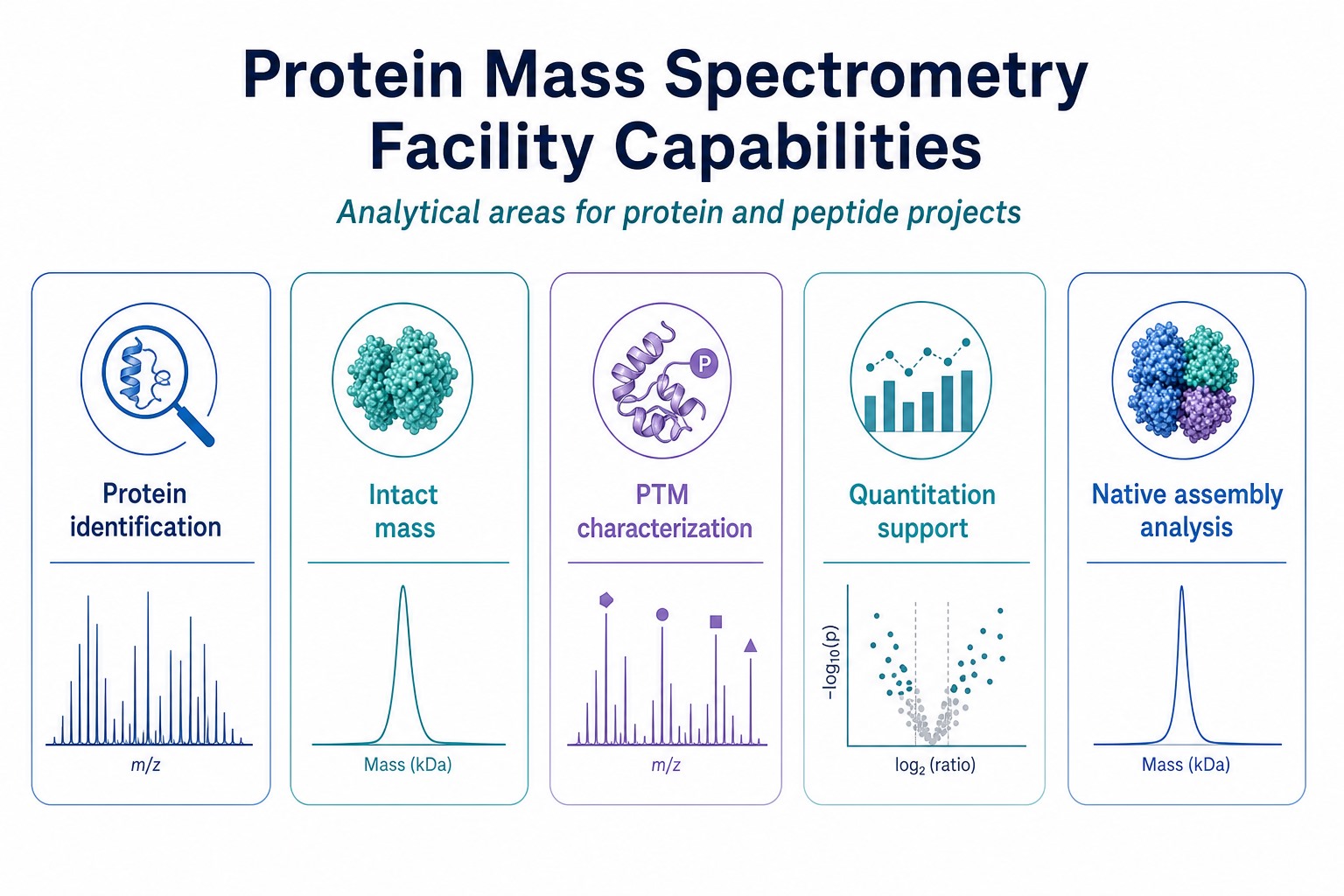
Figure 1. A protein mass spectrometry facility typically covers identification, intact mass, PTM review, quantitation support, and selected assembly analyses.
Core Questions a Facility Should Help Answer
Before comparing quotes, define the decision the facility data must support.
Protein identity questions ask which proteins are present in a sample. Intact mass questions ask whether the measured molecular weight matches the expected protein or chain. PTM questions ask which modifications are present and where they localize. Quantitation questions ask how abundance changes across conditions. Assembly questions ask whether complexes or oligomers remain intact under native-like conditions.
A capable protein mass spectrometry facility should help translate these questions into method choices such as LC-MS/MS identification, denaturing intact mass, peptide mapping, targeted monitoring, or native MS. If the facility only offers one fixed workflow for every protein request, project fit may be limited.
Evaluation Criteria for Selecting a Protein MS Facility
Use a practical set of criteria rather than instrument names alone.
Method consultation before analysis
The facility should review sample type, project goal, and expected outputs before running a default method. Early consultation reduces repeat work caused by mismatched workflows.
Coverage of relevant protein MS modes
Confirm whether the facility supports the needed combination of intact mass, peptide-level MS/MS, PTM analysis, quantitation, or native MS. Breadth matters only when it matches the project.
Sample acceptance and preparation guidance
Ask what sample amounts, buffers, purity expectations, and shipping conditions are required. Clear intake guidance prevents delays after submission.
Data quality and reporting format
Reports should include interpretable tables, method notes, and enough context for publication or internal review. Raw data access policies should also be clear when needed.
Transparency on scope and pricing
Quotes should state what is included, what is optional, and what happens if sample quality limits analysis. Transparent scope is more useful than vague service menus.
Fit for small-batch and complex projects
Academic labs and early biologics programs often need specialized MS support without high minimum volumes. Facility flexibility for focused projects can be a deciding factor.
Confirm these areas in writing before shipment: consultation process, capability fit for the actual question, sample guidance, reporting format, and scope boundaries. Instrument lists alone do not answer whether the facility can support the project.
Related Services
Protein Identification Service
Protein Molecular Weight Determination Service
Teams comparing protein mass spectrometry facility options can consult MtoZ Biolabs to review project goals, sample readiness, and the MS workflow best matched to the current study phase.
What Facility Capability Areas Usually Include
A protein MS facility menu is easier to evaluate when grouped by analytical intent.
Protein identification and discovery support
LC-MS/MS workflows identify proteins from digests and support discovery or confirmatory projects when sequence evidence is required.
Intact mass and molecular weight confirmation
Intact or reduced mass analysis confirms whether the measured protein mass matches expected sequence and major covalent forms.
Peptide mapping and PTM characterization
Peptide-level methods support sequence coverage, modification localization, and product quality questions that intact mass alone cannot resolve.
Quantitative comparisons
Label-free or labeled strategies compare relative abundances across sample groups when experimental design supports it.
Native or advanced structural mass analysis
Selected facilities support native MS for oligomer state, complex stoichiometry, and binding-related mass shifts under non-denaturing conditions.
Not every facility offers every area at the same depth. Capability should be confirmed against the project list, not assumed from a general proteomics label.
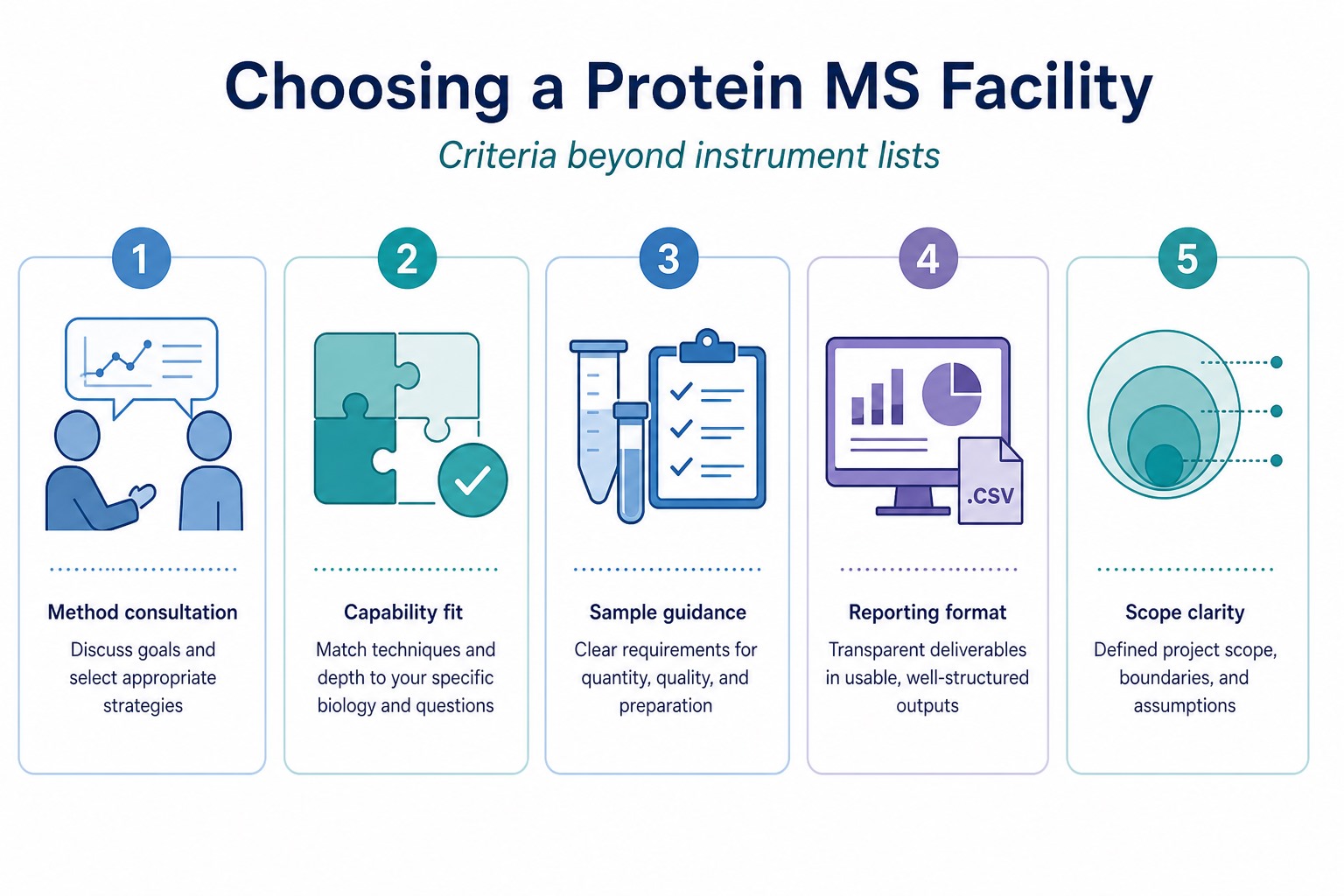
Figure 2. Facility selection should move from analytical question and capability fit to sample guidance, reporting format, and scope clarity.
Facility Types and Practical Trade-Offs
Protein mass spectrometry facilities commonly fall into a few operating models.
University or institute core facilities may offer accessible pricing for affiliated users, but queues, limited consultation depth, and restricted commercial intake can slow projects. Large full-service CROs may handle high volume and broad assay menus, yet specialized protein MS questions can sit behind unrelated project backlogs. Specialized biological MS laboratories focus on protein and peptide workflows, method matching, and flexible project size.
Trade-offs are practical rather than absolute. Core facilities can work well for routine academic proteomics when timelines are flexible. Specialized MS facilities are often a better fit when method consultation, intact biologics questions, or small-batch specialized analyses are required. The decision should follow project risk, not institutional habit alone.
How to Engage a Protein MS Facility: Next Steps
A clear engagement sequence improves first-round success.
Step 1. Define the decision question
State whether the project needs identification, intact mass, PTM localization, quantitation, or assembly evidence.
Step 2. Summarize sample status
Provide sample type, approximate concentration, buffer or formulation, purity notes, and available amount.
Step 3. Request method consultation
Ask the facility to confirm whether LC-MS/MS, intact mass, native MS, or a combined plan is appropriate.
Step 4. Align deliverables
Confirm report tables, method description depth, and whether raw data will be provided.
Step 5. Submit with complete intake information
Include expected protein models, special handling notes, and shipping conditions matched to sample stability.
For protein and biologics teams preparing facility submissions, MtoZ Biolabs can help convert project questions into a defined MS plan before samples are shipped.
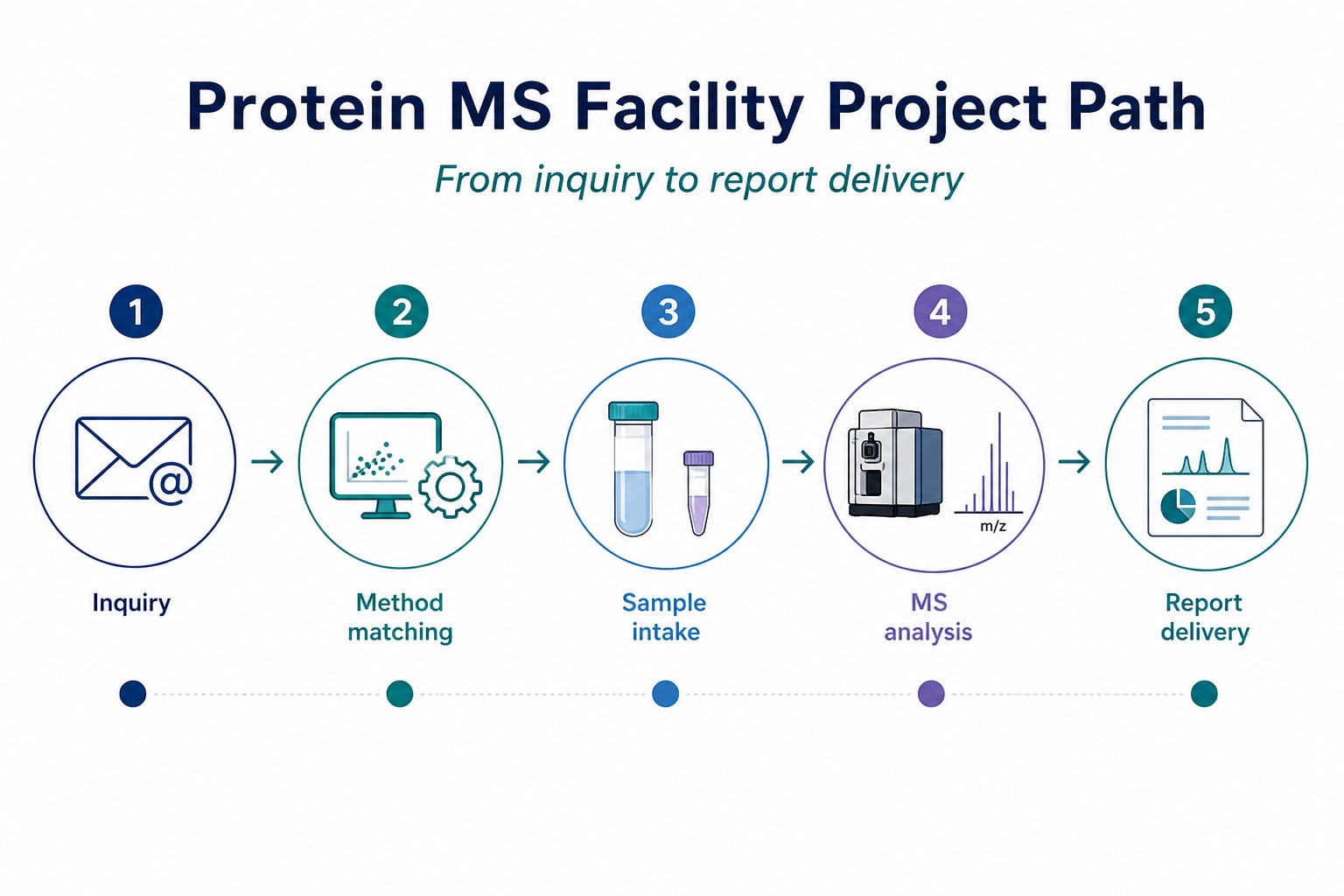
Figure 3. A practical facility project path runs from inquiry and method matching through sample intake, analysis, and report delivery.
Key Precautions When Using a Protein MS Facility
A few precautions prevent avoidable project friction.
Do not submit samples with an undefined question such as run protein MS. Do not assume every facility can support native MS or advanced biologics characterization. Do not omit buffer and detergent details. Do not treat the lowest quote as equivalent scope without comparing method depth and reporting content. Do not skip consultation when the molecule or matrix is unusual.
A protein mass spectrometry facility creates value when it functions as an analytical partner. Instrument access alone is not the full service.
Frequently Asked Questions
1. What is a protein mass spectrometry facility?
It is a specialized laboratory environment that performs mass spectrometry analysis of proteins and peptides, including method support and reporting for research or development questions.
2. What services does a protein MS facility usually offer?
Common offerings include protein identification, intact mass analysis, peptide mapping, PTM characterization, quantitation support, and in some facilities native MS for assemblies.
3. How do I choose between a university core and a commercial facility?
Compare consultation depth, turnaround reliability, sample acceptance rules, reporting format, and whether the facility can handle your specific method needs.
4. What information should I provide before submission?
Provide the analytical question, sample type, concentration, buffer or formulation, purity notes, expected protein models, and shipping constraints.
5. Can one facility handle both proteomics and biologics intact mass work?
Some can, but capability should be confirmed directly. Discovery proteomics and intact biologics characterization are related but not identical workflows.
6. When is a specialized biological MS facility useful?
It is useful when projects need focused protein MS expertise, method consultation, flexible batch size, or specialized assays that generalist pipelines do not prioritize.
Conclusion
A protein mass spectrometry facility provides the instrumentation and expertise needed to answer protein identity, intact mass, PTM, quantitation, and selected assembly questions. Facility value depends on method consultation, capability fit, sample guidance, reporting quality, and clear project scope.
Teams that define the decision question first and confirm evaluation criteria before shipment reduce mismatched methods and incomplete reports. Researchers planning protein or biologics MS work can contact MtoZ Biolabs to review facility-fit requirements and build an analysis plan matched to the current project phase.
How to order?




