






PhIP-Seq Sample Requirements and Submission Guidelines
Introduction
For many antibody profiling projects, the largest cost risk is not sequencing itself—it is sample uncertainty before the experiment begins. A serum or plasma set may look ready for analysis, yet unclear cohort grouping, low sample volume, repeated freeze-thaw cycles, or missing clinical metadata can create delays. In discovery studies, these issues may also weaken interpretation because PhIP-Seq results depend on both sample quality and study design.
Sample requirements matter because the assay links antibody binding to sequencing readout. Antibody-containing samples are incubated with a phage display peptide library. Enriched phage clones are then sequenced and mapped back to peptide identities. If the submitted samples are poorly labeled, degraded, or unmatched to the project question, the downstream data may still be technically generated but harder to trust.
Good sample preparation reduces avoidable repeat work and helps project teams get more interpretable antibody profiling data from the first run. When sample volume, cohort structure, or metadata quality is uncertain, an MtoZ Biolabs readiness review can help clarify submission risks before final shipment.
Related Services
| Customer Need | Recommended Service Direction |
| Need broad antibody reactivity profiling from serum or plasma | PhIP-Seq Antibody Analysis Service |
| Need peptide-level epitope discovery after screening | Antibody Epitope Mapping Service |
| Need targeted validation of candidate peptide regions | Peptide Array-Based Epitope Mapping Service |
| Need broader peptide epitope screening support | High-Throughput Peptide Epitope Mapping Service |
What Drives the Real Cost of a PhIP-Seq Project?
The visible quotation for a PhIP-Seq project usually reflects library strategy, sample number, sequencing depth, data analysis, and reporting. The practical cost also includes the time spent resolving sample problems. If sample identity is unclear or the submitted volume is too low, the project may require clarification, replacement samples, or adjusted analysis.
Sample submission should be treated as part of project design, not as a shipping task. A wellprepared submission helps the service team confirm whether the sample set matches the research question. It also helps avoid unnecessary reruns caused by preventable sample handling issues.
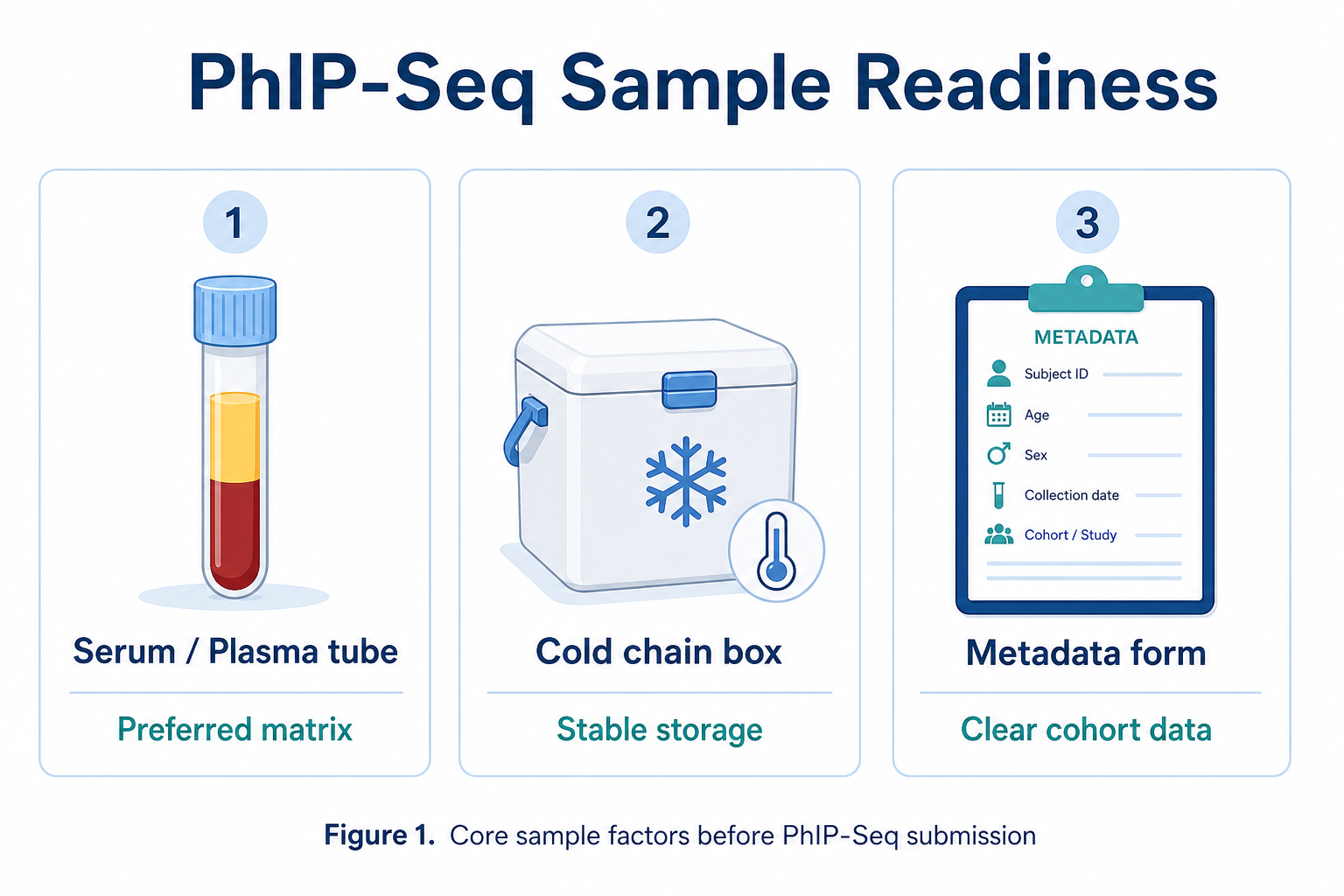
Figure 1. Core sample factors before PhIP-Seq submission.
Accepted Sample Types and Practical Requirements
Serum and plasma are the most common sample types for PhIP-Seq because they contain circulating antibodies. Other antibody-containing biological fluids may be considered, but their suitability depends on antibody abundance, matrix complexity, and the research goal. Before submission, researchers should confirm whether the sample type is compatible with the expected immune signal.
For serum sample requirements, the key factors are usable volume, hemolysis status, storage history, and whether each sample has a unique identifier. A project should avoid submitting samples that have been repeatedly thawed and refrozen. Repeated freeze-thaw cycles may reduce antibody integrity or introduce variability between samples.
Plasma samples can also be suitable, but anticoagulant type and processing history should be recorded. If a cohort contains both serum and plasma, the difference should not be ignored. Mixing matrices across comparison groups can create interpretation problems, especially when the study aims to compare subtle antibody enrichment patterns.
Researchers should also submit enough residual material for possible repeat handling or validation planning. Exact volume requirements may vary by project design and library strategy. As a practical rule, it is better to confirm minimum input needs before aliquoting rare or irreplaceable samples.
Metadata Required Before Sample Submission
Sample metadata is one of the most important parts of PhIP-Seq sample submission. At minimum, each sample should have a unique sample ID, group assignment, sample type, collection date if available, storage condition, and freeze-thaw history. For cohort studies, relevant biological or clinical variables should be organized in a structured table.
Metadata should support the comparison the study is trying to make. For example, a vaccine response study may need time point,vaccination status, dosage group, and baseline status. An autoimmune disease study may need disease group, control group, diagnosis criteria, treatment status, and key demographic variables.
Missing metadata can increase cost because it forces extra communication before analysis. More importantly, it can limit statistical interpretation. PhIP-Seq can identify enriched antibody-reactive peptides, but it cannot correct for poorly defined cohorts or missing group labels.
Labeling, Aliquoting, and Submission Format
Every tube should be labeled with a stable, unique sample ID that matches the submission form exactly.Avoid handwritten labels that can smear during cold-chain transport. If possible, use printed cryogenic labels and keep the ID format simple.
Aliquoting is useful when samples may be used for future validation or repeat analysis. It also reduces the need to thaw the same parent tube multiple times. For rare clinical samples, aliquot planning should be discussed early so the available material can support both screening and downstream confirmation.
A submission spreadsheet should be sent before shipment. It should include sample IDs, group names, matrix type, volume, concentration if relevant, storage condition, and special handling notes. The spreadsheet should not contain ambiguous terms such as "case 1" or "normal" unless those terms are clearly defined.
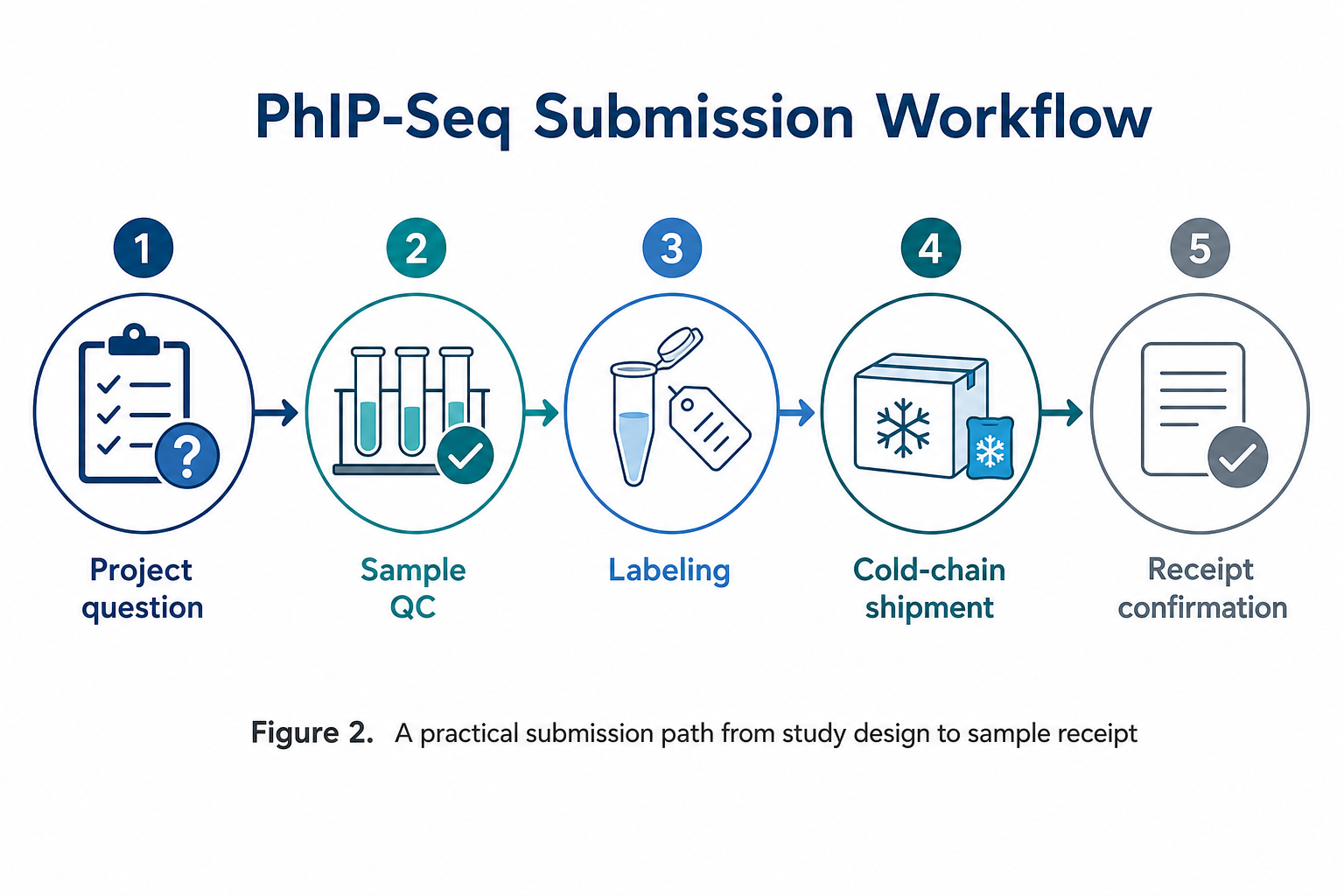
Figure 2.A practical submission path from study design to sample receipt.
Storage and Shipping Guidelines
Samples should be stored in a condition that preserves antibody integrity and limits degradation. Frozen storage is commonly used for serum and plasma. Samples should remain frozen during shipment when required by the project protocol. Dry ice shipment is often preferred for frozen samples, while cold packs may be considered only when stability has been confirmed.
The shipment should include enough cooling material for the expected transport time, with extra allowance for customs or courier delays. Tubes should be sealed, placed in secondary containment, and protected from breakage. The shipment should also include a packing list that matches the electronic submission form.
International shipments need extra planning. Biological sample classification, customs documents, declared value, and import requirements should be checked before dispatch. Poor logistics planning can delay sample receipt and may compromise sample condition.
How Sample Quality Affects Cost and Turnaround
Sample quality is closely tied to cost because poor submission quality can create additional work. Low sample volume may require adjusted handling. Unclear labels may require sample reconciliation. Severe hemolysis or contamination may require risk evaluation before the assay begins.
Weak group design can also increase downstream cost. If the number of samples per group is too small, the project may still produce enrichment data, but group-level conclusions may be limited. In some cases, adding samples before the first run is more cost-effective than trying to rescue weak comparisons later.
Validation planning creates a similar cost effect. PhIP-Seq is a discovery method—candidate peptides should usually be confirmed with independent methods such as peptide arrays, ELISA, Western blotting, or structural approaches when needed. Planning validation early helps teams choose enough sample volume and keep consistent IDs across workflows.
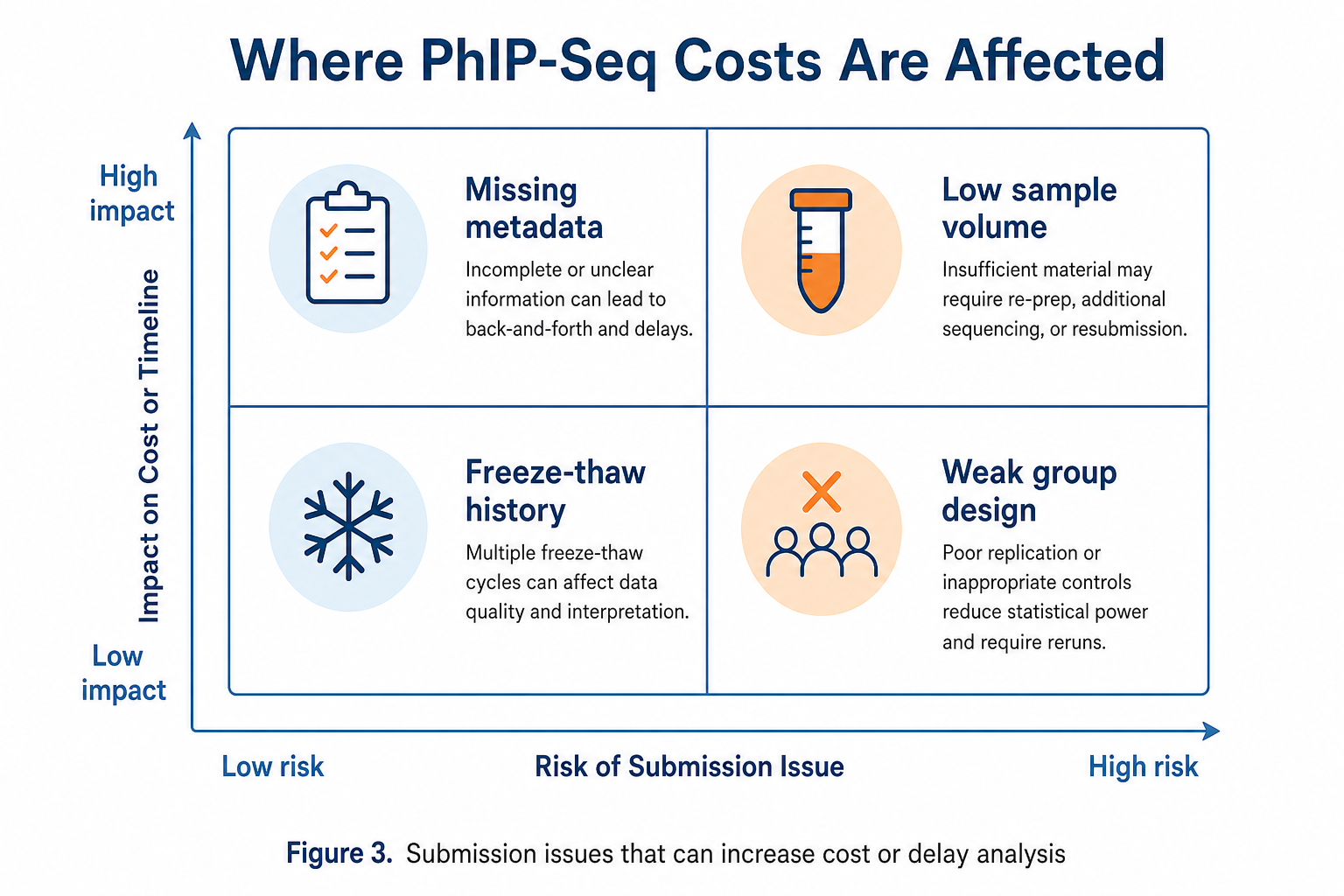
Figure 3. Submission issues that can increase cost or delay analysis.
Pre-Submission Checklist
Before sending samples, researchers should review the following checklist:
1. Confirm that the biological question is suitable for antibody profiling.
2. Confirm that sample type, matrix, and storage history are consistent across groups.
3. Prepare enough sample volume for screening and possible follow-up needs.
4.Assign a unique sample ID to every tube and spreadsheet row.
5. Record freeze-thaw history, collection timing, and storage condition.
6. Define sample groups and controls before analysis begins.
7. Provide metadata needed for statistical comparison.
8. Confirm shipping temperature, courier plan, and documentation.
9. Keep backup aliquots when samples are rare or difficult to recollect.
Common Submission Mistakes to Avoid
The first common mistake is treating PhIP-Seq as a universal screen without defining the comparison.A clear research question should guide library choice, sample grouping, and analysis strategy. Without that structure, the result may become a long list of enriched peptides with limited decision value.
The second mistake is mixing sample types across groups. If cases are serum and controls are plasma, the comparison may reflect matrix differences rather than biological differences. If mixed matrices cannot be avoided, the limitation should be documented before analysis.
The third mistake is submitting samples with unclear freeze-thaw history. One or two controlled thaw events may be manageable in some settings, but unknown handling history adds uncertainty. Consistent handling is especially important when comparing antibody enrichment across groups.
The fourth mistake is omitting validation planning. PhIP-Seq can nominate antibody-reactive peptides, but it should not be treated as final proof of disease relevance or biomarker performance. Independent validation is still needed for high-confidence claims, especially when screening results must be connected with follow-up assays.
How Technical Review Supports Sample Preparation
The technical team can support researchers before submission by reviewing sample type, cohort structure, library strategy, metadata format, and downstream validation needs. For limited material or multi-site collections, an MtoZ Biolabs project review can help identify risks before samples are consumed.
For discovery-oriented antibody profiling, the team can help align sample preparation with the biological question. For example, a study focused on infectious disease serology may need different metadata and validation planning than an autoimmune epitope discovery project.
Frequently Asked Questions
1.What sample types are commonly used for PhIP-Seq?
Serum and plasma are the most common sample types because they contain circulating antibodies. Other antibody-containing fluids may be possible, but suitability depends on antibody abundance, matrix effects, and the study goal.
2. How much sample volume is needed for PhIP-Seq?
The required volume depends on the assay design, sample type, library strategy, and whether repeat handling is needed. Researchers should confirm the minimum input before aliquoting valuable samples.
3. Can samples with freeze-thaw history be used?
They may be usable, but freeze-thaw history should be recorded. Repeated or unknown freezethaw cycles can increase variability and may affect interpretation, especially in group comparison studies.
4.What metadata should be submitted with samples?
Useful metadata includes sample ID, group assignment, sample type, collection date, storage condition, freeze-thaw history, and key biological or clinical variables relevant to the comparison.
5. Does PhIP-Seq replace downstream validation?
No. PhIP-Seq is mainly a discovery and profiling method. Candidate antibody-reactive peptides should usually be validated with independent assays before they are used as strong biological conclusions or biomarkers.
Conclusion
Sample requirements are not only technical details. They directly affect cost, turnaround time, and the interpretability of antibody profiling results. A strong submission includes suitable serum or plasma samples, consistent handling, clear labels, complete metadata, and a study design that supports the intended comparison.
When sample preparation is aligned with the research question, PhIP-Seq can provide more useful candidate peptide and antibody reactivity information. For project-specific sample review, contact MtoZ Biolabs to evaluate sample readiness, submission format, and validation options before sending materials.
How to order?




