






How Many Control Samples Are Needed for PhIP-Seq?
Introduction
PhIP-Seq projects often begin with a practical sample-planning question. A rheumatology cohort may include twenty patient sera but only one pooled healthy control. A neurology study may run CSF samples without bead-only or no-antibody controls on the same library batch. A pilot discovery screen may skip control expansion to reduce cost, then struggle to interpret which enriched peptides are disease-associated versus background-driven.
PhIP-Seq (phage immunoprecipitation sequencing) depends on controls to separate true antibody enrichment from library bias, nonspecific immunoprecipitation, and baseline reactivity in unaffected samples. Control type and control number are not interchangeable. Bead-only controls estimate IP background. Healthy donor sera estimate normal baseline reactivity. Case-control design estimates disease-associated enrichment. Too few controls weaken specificity review and force overreliance on fold change alone.
This article explains which controls PhIP-Seq requires, how many control samples are typically needed by study design, and how to plan controls before the first library run.
When Control Planning Becomes a Bottleneck
Control planning becomes critical before samples are committed to sequencing.
Discovery screens often ask whether one healthy control is enough to filter hundreds of enriched peptides. Case-control studies need to know whether control number should match case number or can be smaller. Longitudinal projects must decide whether the same control framework applies across all time points. Pilot studies may accept minimal controls initially but still need a path to interpretable enrichment. Multi-matrix projects comparing serum and CSF must apply matrix-matched controls rather than reuse blood-only baselines.
In each scenario, the question is not simply whether controls exist. The question is whether control number and control type support the interpretation the project must make.
Control Types Used in PhIP-Seq
PhIP-Seq interpretation relies on several distinct control categories.
Input library control represents peptide representation before immunoprecipitation and is used for normalization against clone abundance. Bead-only control estimates nonspecific binding to capture beads without antibody-mediated selection. No-antibody control helps separate buffer and bead background from antibody-dependent capture. Healthy donor control sera estimate baseline peptide reactivity in unaffected individuals matched by matrix when possible. Isotype or irrelevant antibody controls may be used in selected workflows to review nonspecific immunoglobulin capture.
Each control answers a different question. A project cannot rely on one healthy donor sample alone to correct for all background sources.
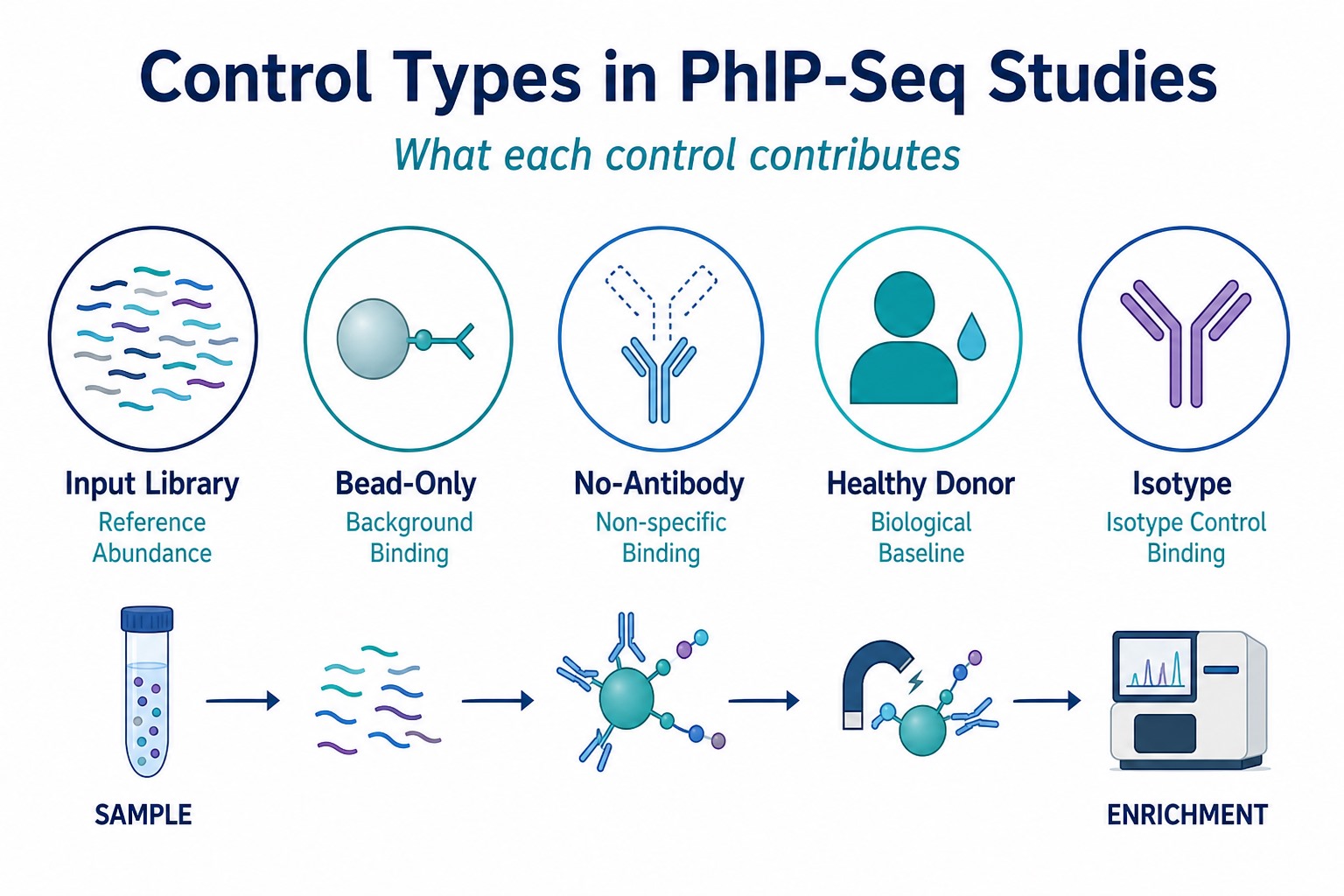
Figure 1. PhIP-Seq control planning requires multiple control types because each estimates a different source of background or baseline reactivity.
Technical Controls: Minimum Requirements per Run
Technical controls should be included in every PhIP-Seq run regardless of cohort size.
Input library sequencing is required for normalization because clone abundance strongly affects apparent enrichment. At least one bead-only or no-antibody control per library batch is recommended to estimate nonspecific immunoprecipitation background. When batch size or wash stringency varies, technical controls should be repeated per batch rather than assumed stable across runs.
These controls are not a substitute for biological healthy donor controls, but they are necessary for basic quality review. Projects that omit technical controls often cannot distinguish antibody-dependent enrichment from workflow artifact.
Healthy Donor Controls: How Many Are Enough
Healthy donor controls are the main biological baseline for case-control interpretation.
For pilot discovery screens, a minimum of three to five matrix-matched healthy donor samples is a common starting point when case number is limited. This allows rudimentary estimation of baseline peptide reactivity and flags peptides enriched similarly in cases and controls. For case-control discovery with ten to twenty cases, five to ten matched healthy controls usually provide a more stable specificity filter than a single donor. For larger cohort studies, control number should increase with case number and with the specificity standard required for downstream validation.
One healthy donor is rarely sufficient for interpretable discovery unless the project scope is explicitly exploratory and follow-up validation is planned from the start.
Related Services
PhIP-Seq Antibody Analysis Service
Identification of Peptide Biomarkers Service
Antibody Epitope Mapping Analysis Service
Peptide Array-Based Epitope Mapping Service
Researchers planning PhIP-Seq cohorts can consult MtoZ Biolabs to review control type, control number, and matrix matching before the first library batch is run.
Case-Control Discovery: Balancing Cases and Controls
Case-control discovery requires enough controls to estimate what enrichment is disease-associated rather than generally present in human sera.
A practical starting ratio for exploratory discovery is often one control per two to three cases when total sample number is limited, with a minimum of three to five controls regardless of case count. For projects aiming to shortlist candidates for validation, closer balance such as one control per case or fixed minimum of eight to ten controls is preferable when sample access allows. Controls should be matched by matrix, age range, and relevant clinical context when possible. Unmatched controls can reduce specificity if background reactivity differs systematically between groups.
Case number alone does not compensate for too few controls. Weak control design creates false positives that appear statistically enriched but fail validation.
Replicates and Longitudinal Controls
Replicate planning overlaps with control planning but serves a different purpose.
Technical replicates on a subset of samples help review workflow stability. Biological replicates across independent case and control samples strengthen confidence that enrichment is not driven by one outlier serum. Longitudinal studies should apply the same library and control framework across all time points so baseline and background handling remain consistent. When sample number is fixed, prioritize biological replicate breadth in cases and controls over repeated sequencing of the same sample unless batch troubleshooting is the goal.
Replicates do not replace healthy donor controls. Both are needed for credible interpretation.
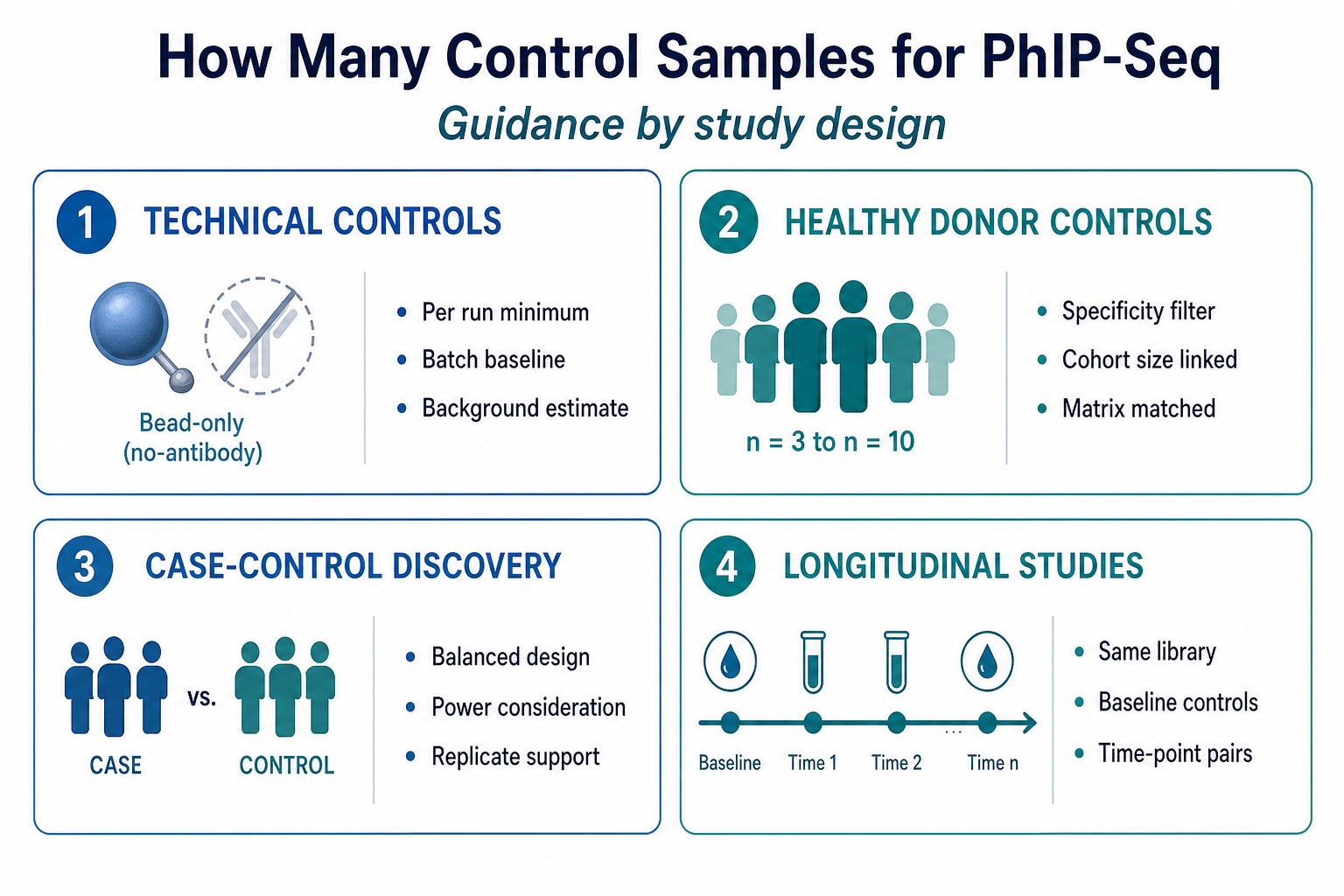
Figure 2. Control sample number depends on control type, cohort design, and whether the project is a pilot screen or a case-control discovery study.
Control Planning by Study Goal
Different PhIP-Seq goals require different control depth.
|
Study Goal |
Recommended Controls |
Typical Minimum Control Number |
|---|---|---|
|
Pilot discovery screen |
Input library plus bead-only or no-antibody plus 3 to 5 healthy donors |
3 to 5 biological controls plus technical controls per batch |
|
Case-control autoantigen discovery |
Input library, technical controls, matched healthy donors |
5 to 10 healthy donors or balanced case-control ratio |
|
Modified epitope screening |
Above plus paired modified and unmodified library review |
Same as discovery plus PTM pair logic in analysis |
|
CSF or paired matrix study |
Matrix-matched healthy controls for each matrix tested |
Separate control set per matrix, not fewer than 3 per matrix |
|
Longitudinal monitoring |
Same library and control framework across time points |
Baseline healthy controls plus repeated technical controls per batch |
Control number should be fixed before enrichment thresholds are applied so interpretation standards remain consistent.
What Happens When Control Number Is Too Low
Insufficient controls create predictable interpretation problems.
Peptides enriched in cases may also appear in the one available healthy sample, yet still pass fold-change thresholds if background review is weak. Nonspecific immunoprecipitation signal may be misread as autoantibody enrichment when bead-only controls are absent. High-abundance library clones may dominate ranking when input normalization is not supported by batch controls. Modified peptide hits may be overcalled when healthy baseline and unmodified pair review are limited. Validation teams may inherit long hit lists that collapse after orthogonal testing.
Planning more controls early is usually less costly than repeating discovery because the first run could not support specificity claims.
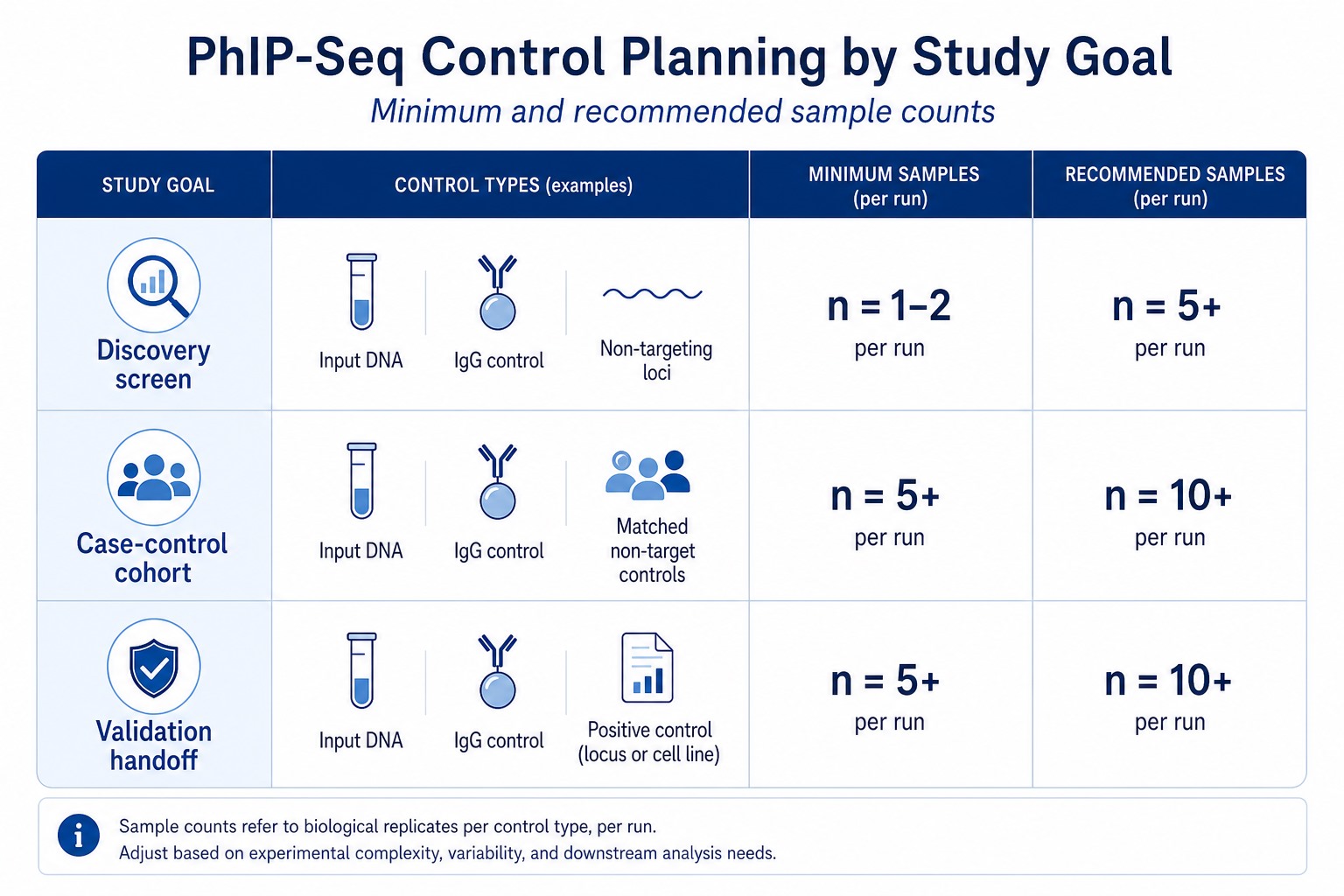
Figure 3. Control sample number should be planned by study goal, matrix, and the specificity standard required for downstream validation.
Practical Recommendations Before the First Run
A practical control plan can be summarized in five steps.
Define the claim the study must support, whether exploratory discovery, case-control specificity, or validation handoff. Select control types required for that claim, including input library, technical controls, and healthy donor sera at minimum. Set control number based on case count, matrix, and downstream validation ambition rather than on leftover sample availability alone. Match controls by matrix and major clinical variables when possible. Document control handling in the analysis plan before sequencing so enrichment review uses predefined thresholds.
If sample number is truly limited, reduce the interpretation claim rather than treating the run as a definitive discovery cohort.
Frequently Asked Questions
1. Is one healthy control enough for PhIP-Seq?
Usually no for interpretable case-control discovery. One control may help flag obvious shared reactivity but cannot estimate baseline variability reliably.
2. Are bead-only controls sufficient by themselves?
No. Bead-only or no-antibody controls estimate technical background. Healthy donor controls are still needed for biological specificity review.
3. Should control number equal case number?
Not always, but controls should not be far smaller than cases when the goal is disease-associated enrichment. Many projects use at least three to five controls minimum and prefer closer balance for validation-oriented discovery.
4. Do CSF studies need separate controls?
Yes. CSF should use matrix-matched controls because immunoglobulin abundance and background differ from serum or plasma.
5. Can technical replicates replace healthy donor controls?
No. Technical replicates assess workflow repeatability. Healthy donor controls assess normal baseline reactivity in biological samples.
Conclusion
There is no single universal control number for every PhIP-Seq project, but every project needs defined technical controls and enough biological controls to support the intended claim. Input library, bead-only or no-antibody controls, and multiple matrix-matched healthy donor samples form the baseline for interpretable discovery. Case-control studies benefit from greater control depth, especially when enriched peptides will feed validation or publication.
Programs that define control type and control number before the first run obtain more reliable enrichment interpretation and reduce costly rediscovery later. Researchers planning PhIP-Seq sample sets can contact MtoZ Biolabs to align control design with cohort size, matrix choice, and analysis goals. For teams moving from discovery to validation, MtoZ Biolabs can also help ensure control strategy supports the specificity standard required for follow-up assays.
How to order?




