






Cerebrospinal Fluid Peptideomics Service
MtoZ Biolabs provides cerebrospinal fluid peptideomics service using high-resolution mass spectrometry, optimized endogenous peptide enrichment methods, and multidimensional data analysis strategies to offer cerebrospinal fluid peptidomics detection and systematic analysis for research and drug development clients. This service aims to help users comprehensively profile endogenous peptide fragments, proteolytic patterns, and disease-related molecular features in cerebrospinal fluid, enabling insights into the state of the nervous system, identification of potential biomarkers, and support for mechanism research, early diagnostic exploration, and treatment evaluation.
Why Cerebrospinal Fluid Peptideomics Matters
Cerebrospinal fluid directly contacts the central nervous system and reflects early physiological and pathological changes in the brain. It contains endogenous peptides generated by cellular activity and proteolytic processes, including natural degradation fragments, bioactive peptides, and disease-related abnormal peptides. Analyzing these molecules helps reveal inflammation, neuronal damage, proteinase activity shifts, and neurodegenerative events.
Cerebrospinal fluid peptidomics captures proteolytic network features and detects subtle molecular alterations associated with stress, injury, or disease progression. It is valuable for studying Alzheimer’s disease, Parkinson’s disease, traumatic brain injury, and inflammatory neurological disorders. By characterizing peptide composition and fragmentation patterns, researchers can identify disease-specific molecular signatures, discover biomarker candidates, and obtain high-resolution evidence for understanding mechanisms and supporting diagnostic development. Consequently, cerebrospinal fluid peptidomics has become an important approach in neuroscience and precision medicine.
Cerebrospinal Fluid Peptideomics Service at MtoZ Biolabs
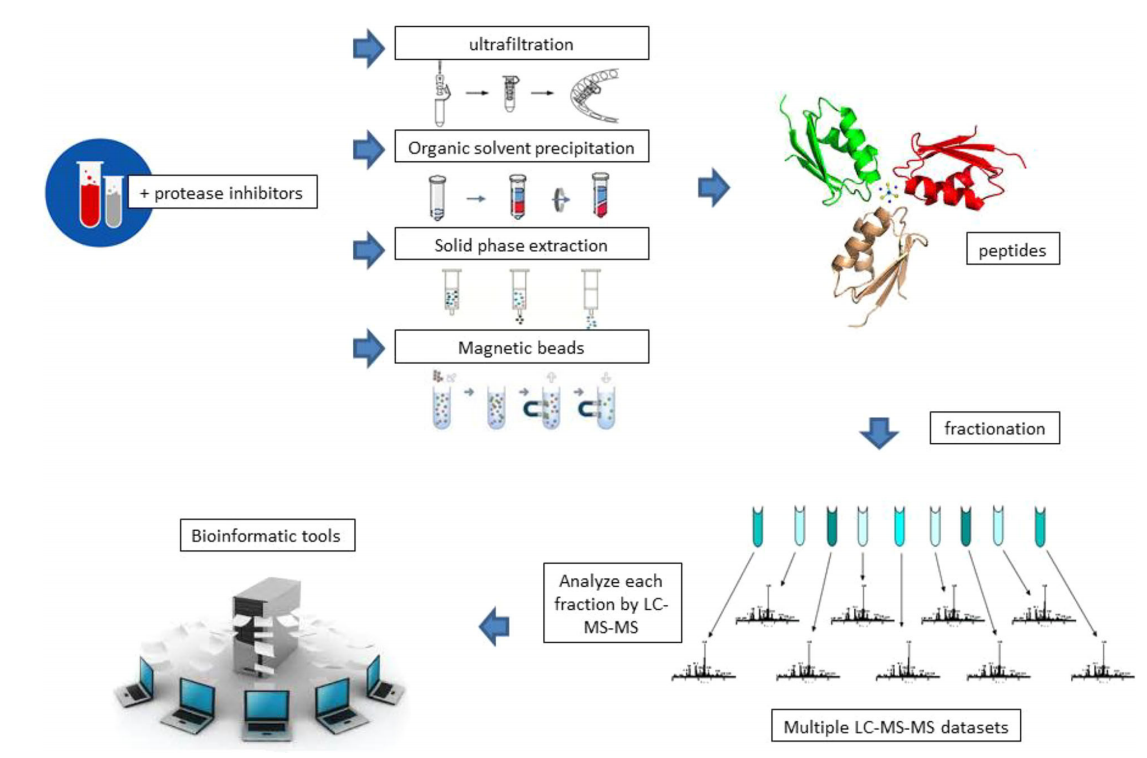
MtoZ Biolabs, powered by high-sensitivity mass spectrometry and a mature data analysis system, has established an endogenous peptide profiling platform optimized for cerebrospinal fluid samples. This platform covers sample processing, peptide enrichment, separation analysis, targeted and untargeted detection, and in-depth data mining. Our service focuses on:
🔹 Systematic identification of endogenous peptides in cerebrospinal fluid: including bioactive peptides, signaling peptides, degradation peptides, and related molecular types.
🔹 Proteolytic feature and fragment pattern analysis: revealing proteinase activity and disease-associated degradation networks.
🔹 Differential peptide screening and statistical analysis: supporting disease comparison studies and mechanism exploration.
🔹 Expandable targeted detection strategies: suitable for precise quantification of specific peptides.
Workflow of Cerebrospinal Fluid Peptideomics Service
Why Choose MtoZ Biolabs
☑️ Experiment workflows optimized specifically for cerebrospinal fluid samples to reduce interference from exogenous degradation peptides and improve data reliability.
☑️ Advanced mass spectrometry platforms, including Orbitrap series, Q Exactive HF, and timsTOF.
☑️ Comprehensive analytical capabilities covering both targeted and untargeted strategies to accommodate diverse research objectives and disease models.
☑️ A complete data analysis framework supporting degradation pattern profiling, peptide feature identification, and statistical analysis.
☑️ Dedicated project management and technical support to ensure smooth communication and controlled project progress.
Applications of Cerebrospinal Fluid Peptideomics Service
1. Neurodegenerative Disease Research
Peptidomic differential analysis in Alzheimer’s disease, Parkinson’s disease, Lewy body dementia, and related conditions.
2. Brain Injury and Inflammation Research
Monitoring changes in bioactive peptides in traumatic brain injury, meningitis, encephalitis, and autoimmune disorders.
3. Pathological Proteolysis Pattern Exploration
Identification of abnormal proteinase activity and disease-related degradation characteristics.
4. Biomarker Discovery and Validation
Discovery of stable and reproducible peptide candidates for downstream diagnostic tool development.
5. Drug Response and Treatment Evaluation
Monitoring peptide changes before and after treatment to assist in evaluating therapeutic effects.
Deliverables
1. Endogenous peptide list including sequence, m/z, intensity, retention time, and related information
2. Differential peptide statistical analysis if applicable
3. Annotations of peptide-derived proteins and related biological information
4. Proteolytic feature and pattern analysis
5. Raw mass spectrometry files and processed data files
6. Candidate peptide suggestions for further validation
FAQs
Q1: What types of samples are suitable?
Cell-free cerebrospinal fluid supernatant is recommended, and blood contamination should be avoided. For specific studies, well-documented CSF fraction samples can also be accepted.
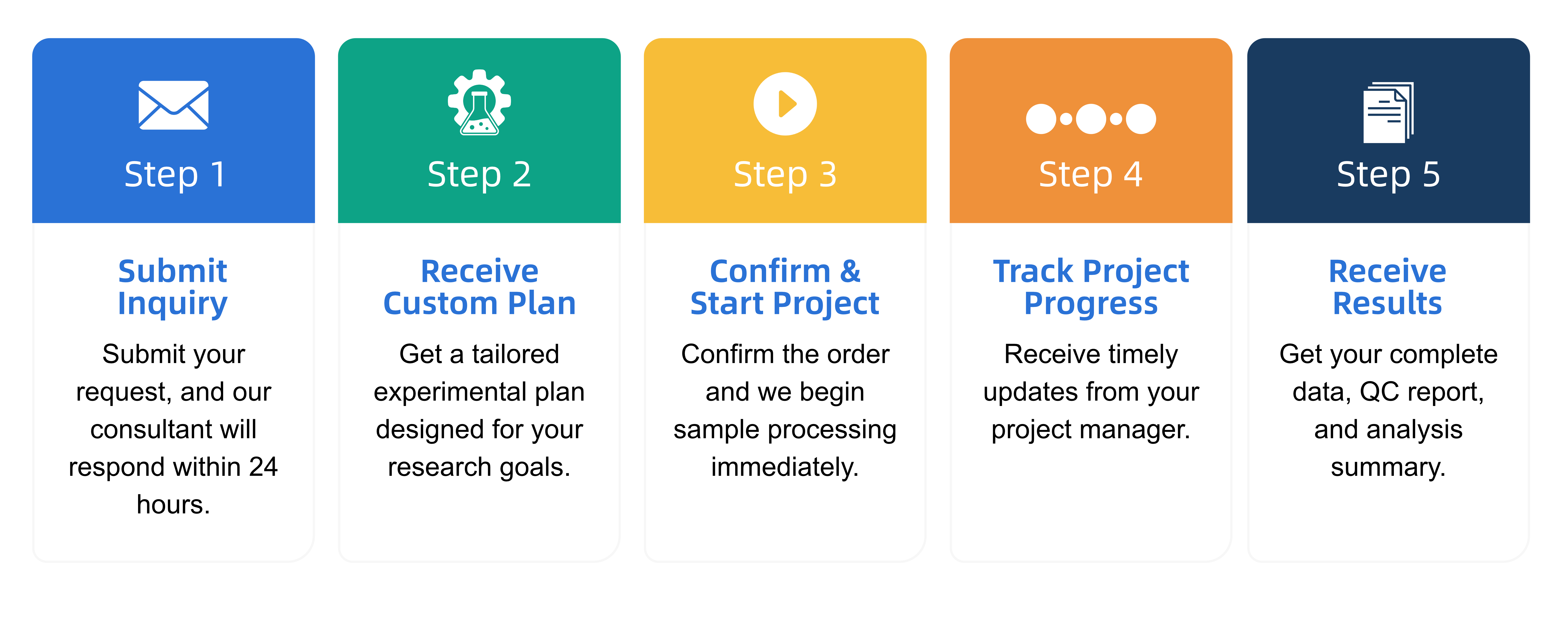
Q2: What is the service's general workflow?
Q3: What data formats are provided?
To support downstream analysis and visualization, MtoZ Biolabs provides multiple standardized data formats, including:
- Raw mass spectrometry data files from LC-MS/MS
- Processed result tables in CSV or Excel format containing identified peptides, intensities, m/z, retention time, and PTM information
- Differential analysis files, if applicable, for comparing peptide changes between groups
- PDF technical report including analytical methods, quality control results, and key findings
- High-resolution charts such as peptide distribution plots, volcano plots, and heatmaps in PNG or TIFF format
Additional or customized formats can be provided upon request for publication or project needs.
Q4: How should I prepare my samples?
To ensure reliable cerebrospinal fluid peptidomics results, please follow these preparation guidelines:
1. Sample type: Submit cell-free cerebrospinal fluid supernatant. Avoid blood contamination and large particulate debris.
2. Sample clarity: Samples should be clear and free of visible precipitates. Avoid strong salts, strong buffers, or sources of proteinase activity.
3. Volume requirement: At least 100 to 200 μL is recommended. Larger volumes are helpful if replicate testing is required.
4. Storage and shipping: Store samples at -80℃ and ship them on dry ice to prevent peptide degradation.
5. Documentation: Provide sample collection details, processing steps, storage time, inhibitor use, and research objectives to support accurate data interpretation.
For more information, please refer to Sample Submission Guidelines for Proteomics and Sample Submission Guidelines for Metabolomics.
If you are unsure about your sample preparation, our technical team can provide personalized pre-analysis consultation and a sample submission guide to help you optimize preparation and shipping conditions.
Start Your Project with MtoZ Biolabs
If you are seeking a comprehensive and precise cerebrospinal fluid peptidomics analysis solution, please contact us. We will provide a technical plan and analytical service tailored to your project needs and help you advance your research to the next level.
How to order?




