






Resources
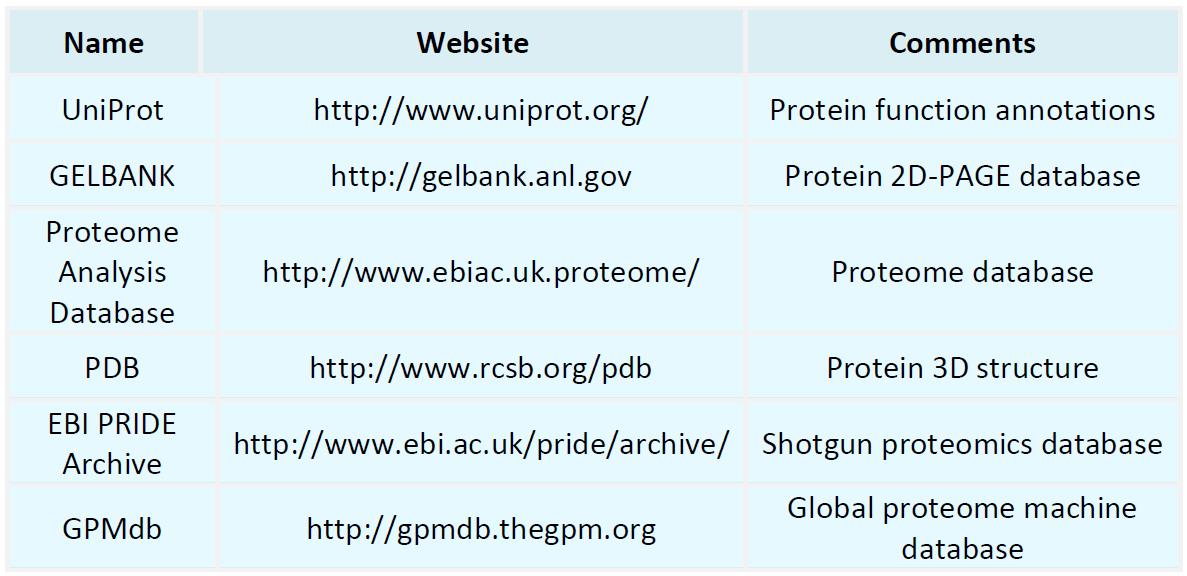
Proteomics Databases
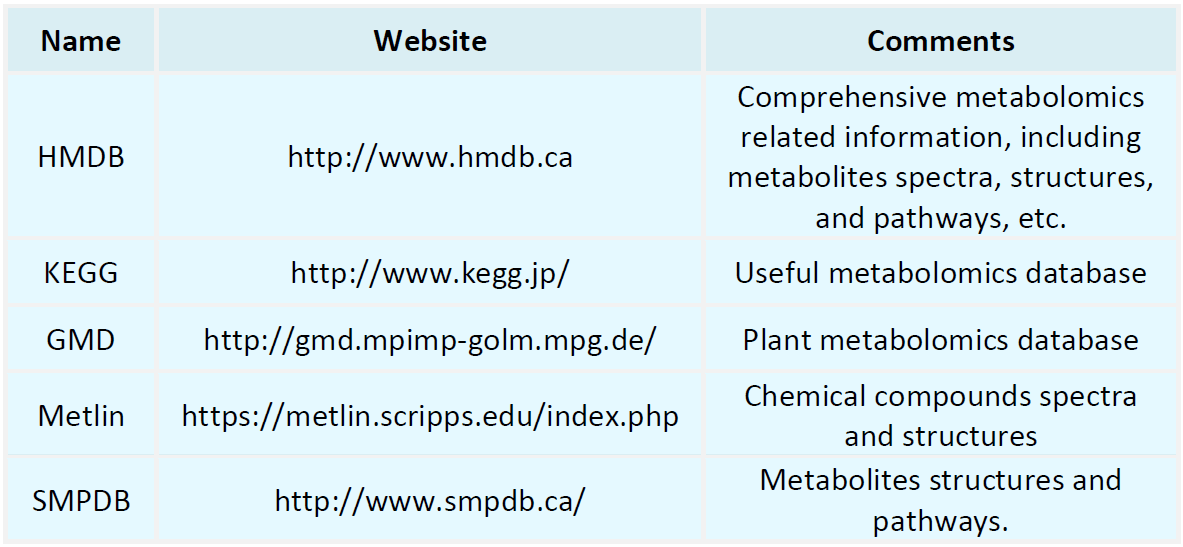
Metabolomics Databases
-
• Protein Ubiquitination Detection
Ubiquitination detection is a biochemical technique used to identify and analyze ubiquitination modifications on proteins. Ubiquitination is a post-translational modification process that involves the covalent attachment of the small protein ubiquitin to lysine residues on target proteins, playing a crucial role in regulating protein degradation, signal transduction, and cell cycle control.
-
• Protein Methylation Modification Sequencing
Protein methylation modification sequencing is a biotechnological method used to detect and analyze methylation modifications on proteins. This modification typically involves the addition of a methyl group (-CH3) to a specific amino acid residue on the protein, which plays a crucial role in regulating protein function and cellular processes.
-
• Quantitative Proteomics and Phosphoproteomics Combined Analysis
Quantitative proteomics combined with phosphoproteomics is a method that integrates various bioinformatics and experimental techniques to study protein expression and phosphorylation states in cells or biological samples.
-
• Confirming N-Glycosylation Sites via Mass Spectrometry
N-glycosylation is a key post-translational modification that affects protein folding, stability, and function. Identification of N-glycosylation sites is crucial for understanding protein structure and function, and mass spectrometry (MS) has become a critical tool in this field. The process typically involves the following steps.
-
• Protein Sequencing Sample Requirements
Proteomics sequencing is a technique used to analyze protein expression, modifications, and interactions, often relying on mass spectrometry. In order to carry out effective proteomics analysis, sample preparation must meet certain requirements. Here are some common requirements for proteomics sequencing samples.
-
• Does Mass Spectrometry Identify Specific Amino Acid Sequences?
Proteomics Mass Spectrometry refers to the use of mass spectrometry technology for the analysis of protein or peptide mass, in order to identify their amino acid sequence. In theory and in practice, mass spectrometry can provide specific amino acid sequence information of proteins or peptides. This is achieved by measuring the mass of the peptide and the fragments generated in the mass spectrometry.
-
• Explore De Novo Protein Sequencing
De novo protein sequencing refers to a method of deriving the amino acid sequence of a protein or peptide directly from experimental data, without relying on known DNA or protein database information. It is particularly useful for studying proteins in species without a reference sequence or exploring new variants and modifications of proteins.
-
• Recent Advances in N-Terminal Protein Sequencing
Protein N-terminal sequencing is the process of determining the amino acid sequence at the N-terminus of a protein or peptide chain. This is crucial for protein identification, analysis of signal peptide cleavage sites, and post-translational modification studies, among other areas. Recent advances in the field have been seen, particularly in the application of mass spectrometry and bioinformatics.
-
• The Basic Processing Procedure of Protein Sequencing Sample
Protein sequencing typically refers to the determination of the precise order of amino acid residues in a protein molecule, which is a crucial step in understanding protein function and structure. The main technique used to achieve this is mass spectrometry analysis, particularly tandem mass spectrometry (MS/MS). The following are the basic processing steps for protein sequencing.
-
• Protein Mutation Site Analysis
Mutation site analysis of proteins is an important biological research that focuses on specific changes that occur in the amino acid sequence of proteins, which may affect the function, stability, and/or interaction with other molecules of the protein. The following are basic concepts and methods of protein mutation site analysis.
How to order?




