
Resources
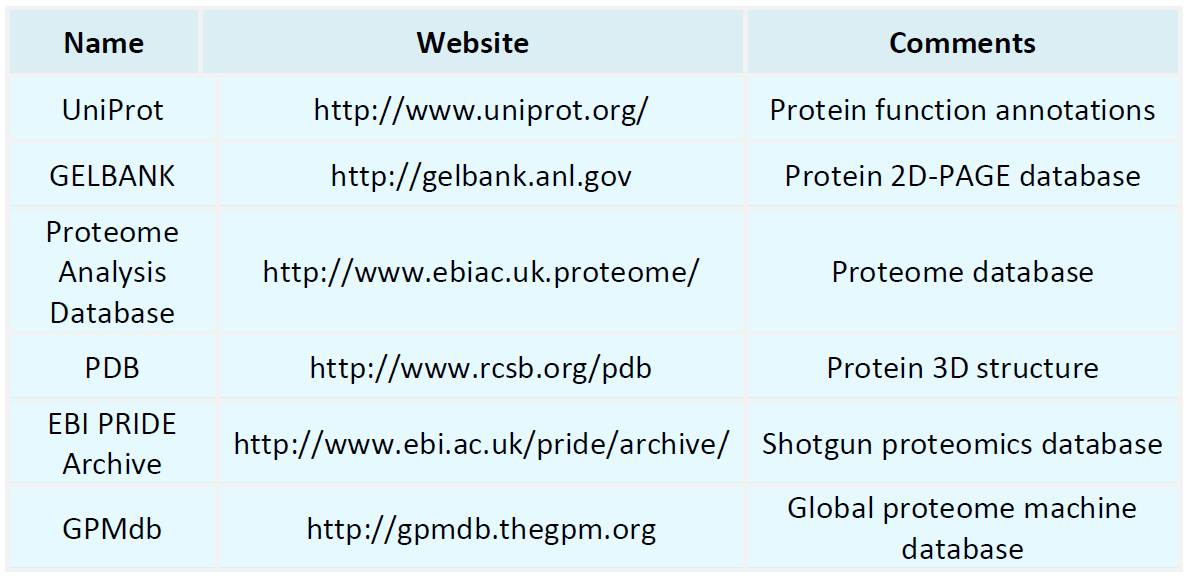
Proteomics Databases
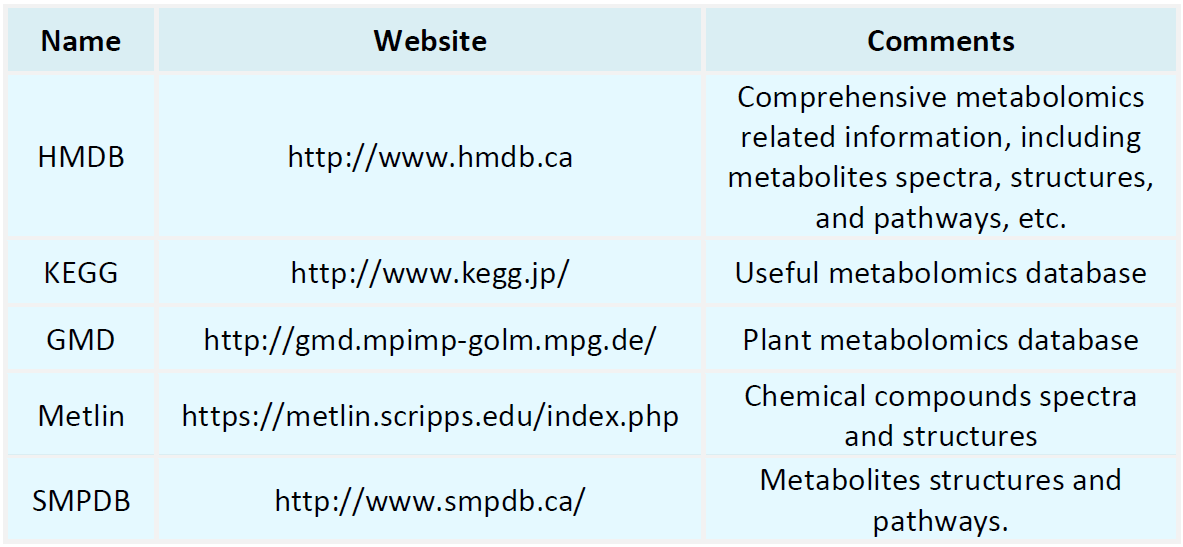
Metabolomics Databases
-
• Whole Blood Sample Collection in Proteomics Analysis
In proteomics analysis, the collection of whole blood samples is an important step, which is done through venous blood collection and requires the use of sterile techniques to avoid contamination. The collected blood should be immediately labeled and refrigerated to maintain sample integrity and reduce protein degradation. Additionally, the samples should be transported and stored under low temperature conditions until proteinomics analysis is performed.
-
• Precautions for Quantitative Proteomics Experiments
Quantitative proteomics experiments are important biological research methods used to measure the relative or absolute amounts of proteins in different biological samples. These experiments require strict adherence to a series of precautions to ensure the accuracy and reproducibility of the data.
-
• Quantitative Shotgun Proteomics
Quantitative shotgun proteomics is an advanced proteomic technique that allows scientists to simultaneously identify and quantify thousands of proteins in complex biological samples. Quantitative shotgun proteomics relies on the combination of high-performance liquid chromatography (HPLC) and tandem mass spectrometry (MS/MS). Proteins are enzymatically digested into peptides, which are then separated by liquid chromatography and quantitatively analyzed by mass spectrometry.
-
Protein validation aims to confirm the existence of proteins, identify their characteristics, and understand their roles and interactions in biological processes. This validation method is crucial for gaining a deeper understanding of the roles and functions of proteins in organisms and for advancing biomedical research and drug development.
-
• Single-Cell Proteomics Research
Single-cell proteomics is a field that studies the expression and regulation of proteins within individual cells. This level of resolution provides researchers with a deeper understanding of cellular heterogeneity, microenvironmental influences, and interactions between cells. It complements single-cell genomics and single-cell transcriptomics, together providing a more comprehensive view of cellular-level biological information.
-
• Antibody Drug Mycoplasma Detection
Antibody drugs are a type of biological product, commonly used in the treatment of various complex diseases, including autoimmune diseases, inflammatory diseases, and cancer.
-
• Antibody Drug Excipient Detection
As a class of therapeutic biological products, antibody drugs require precise biotechnology techniques and rely on various raw materials to support drug production and stability. These raw materials include but are not limited to amino acids, carbohydrates, protein stabilizers, buffers, surfactants, etc., which play an essential role in ensuring the efficiency of cell culture processes, the purity of antibody drugs, and the quality of the final formulation.
-
• Antibody Drug Ultraviolet Spectrum Analysis
Antibody drugs, as a breakthrough in biotechnology, are now widely used in the treatment of various diseases, including cancer, autoimmune diseases, and infectious diseases. These drugs are usually precisely designed protein molecules that can specifically bind to targets in the human body, such as specific molecules on pathogens or diseased cells, thereby guiding the attack of the immune system or directly blocking the pathological process.
-
Secreted proteins refer to proteins that are synthesized by cells and secreted into the extracellular space. They play important roles in various biological processes, such as signal transduction, intercellular communication, immune response, and hormone secretion. These proteins are usually synthesized in the endoplasmic reticulum (ER) of cells and then transported to the extracellular space through a series of biosynthesis and transport processes.
-
• Untargeted Proteomics Sequencing
Untargeted Proteomics Sequencing aims to comprehensively analyze all proteins in a biological sample, rather than focusing on specific proteins. It helps study the complexity of the proteome and discover new protein biomarkers. Protein sequencing is the process of determining the amino acid sequence of a protein.
How to order?