






Resources
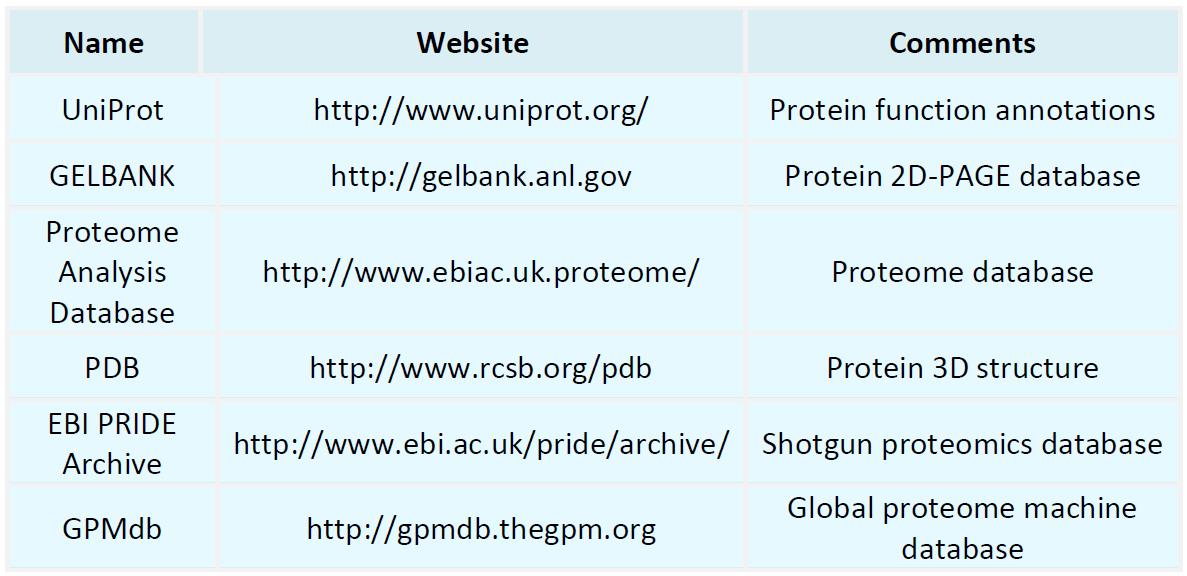
Proteomics Databases
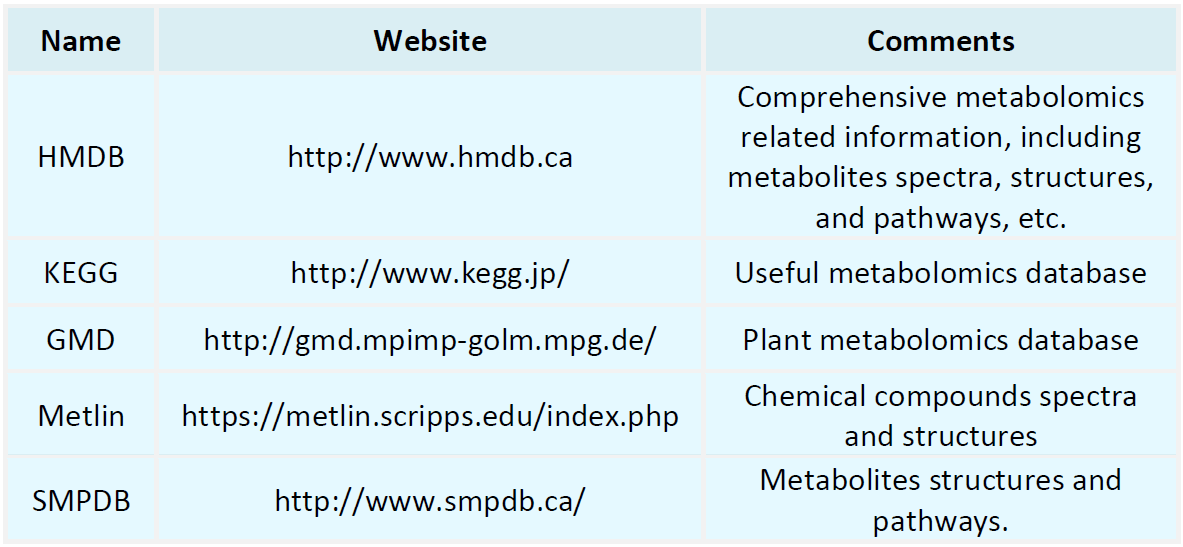
Metabolomics Databases
-
• MtoZ Biolabs Advanced N-Terminal Sequencing Service
The N-terminal of a protein marks the beginning of its expression and is integral to regulating subcellular localization, degradation, and turnover. MtoZ Biolabs offers high-quality N-terminal sequencing service through an advanced platform that integrates Edman degradation with mass spectrometry, which is suitable for a variety of sample types, including but not limited to proteins, peptides, antibodies, vaccines, recombinant proteins, etc.
-
• Methods for Detecting Protein Disulfide Bonds
Protein is an important functional molecule in organisms, and its structure and function are influenced by disulfide bonds. Disulfide bonds are covalent bonds between two cysteine residues and play a crucial role in protein stability and structure. Therefore, accurate detection and quantification of disulfide bonds in proteins are key issues in biopharmaceutical research and quality control.
-
• Mechanisms of Protein Disulfide Bond Analysis in Cell Signaling
A disulfide bond is a special type of chemical bond formed between two sulfur atoms. In biological organisms, proteins are typically composed of amino acids, with cysteine being the only amino acid that contains a sulfur atom. When the sulfur atoms of two cysteine residues undergo an oxidation reaction, they form a disulfide bond. The formation of disulfide bonds can stabilize the structure of proteins and ensure their normal function.
-
• Application and Advantages of Omics Technologies in Post-Translational Modification Identification
Transcriptional post-transcriptional modification refers to the chemical modification process that RNA molecules undergo during gene transcription. These modifications can affect the stability, transport, translation, and function of RNA, playing an important regulatory role in cellular physiological processes.
-
• Diversity in Regulation of Tissue Protein Phosphorylation
Protein phosphorylation is the most common post-translational modification in cells, and it regulates the structure, function, and interactions of proteins. Protein phosphorylation plays an important regulatory role in biological processes such as cell signaling, metabolism regulation, and cell cycle. The diversity of tissue-specific protein phosphorylation regulation has made it a hot topic in the field of biopharmaceutical research.
-
• SWATH Quantitative Proteomics of Plant Root Systems
Plant root system is not only an organ for absorbing water and nutrients, but also a highly complex and dynamic biological system. The root system plays a crucial role in plant life processes, from germination, growth, response to environmental stress, to interaction with microorganisms in the soil, with each step involving specific proteins. SWATH quantitative proteomics enables us to accurately quantify and analyze these proteins.
-
• Quantitative Proteomics Analysis Using iTRAQ/TMT
Quantitative proteomics is an essential technology in biomedical research, providing detailed information on protein expression levels within cells. iTRAQ (isobaric tags for relative and absolute quantitation) and TMT (Tandem Mass Tag) are two widely used tagging techniques that enable relative and absolute quantification of multiple samples.
-
• Procedure of Label Transfer in Protein Interaction Analysis
Protein interactions are of great significance in cell biology and biomedical research. Understanding these interactions can reveal cellular signaling pathways and provide new targets for drug development. Label transfer technology is one effective method for analyzing protein interactions, enabling the tracking of proteins' dynamic changes within cells by introducing specific labels or probes.
-
• Quantitative Analysis of Disulfide Bonds in Proteins Based on LC-MS/MS
Proteins play a vital role in the normal functioning of biological systems, and the formation of disulfide bonds is a key aspect of protein structural stability. Disulfide bonds, typically found in extracellular environments, link two cysteine residues within a protein. Their presence is crucial for protein folding, stability, and regulatory activities. However, under conditions of protein dysfunction, disease, or environmental changes, disulfide bond formation and dissociation may be regulated.
-
• Application of Multiple Reaction Monitoring
Multiple Reaction Monitoring (MRM) is a highly sensitive mass spectrometry technique widely used in proteomics, metabolomics, and clinical diagnostics. Its core principle lies in the selection of specific parent and product ion pairs for quantitative analysis of target molecules, allowing MRM to accurately detect low-abundance biomarkers in complex samples.
How to order?




