






Protein Sequencing: How It Works and When Researchers Should Use It
Introduction
Protein projects often reach a point where molecular weight, gel bands, activity assays, or antibody signals are not enough. A purified protein may show the expected size, yet the exact sequence may remain uncertain. A biologic candidate may require primary-structure evidence before the next development step. A protein band from a gel may need identity confirmation before a publication figure can support a claim.
Protein sequencing is the process of determining amino acid sequence information from a protein or peptide sample. Depending on the question, the workflow may confirm a known sequence, recover unknown regions, identify N-terminal or C-terminal residues, measure peptide coverage, or assemble sequence evidence from LC-MS/MS data. The right approach depends on sample type, purity, prior database information, and the level of confidence needed.
For researchers evaluating a sequencing route, the practical question is not only whether sequence information can be generated. The key question is which method can produce evidence strong enough for the next decision, such as publication, recombinant expression, biopharmaceutical characterization, protein identification, or downstream validation. MtoZ Biolabs can help review sample fit before limited material is committed to a full protein sequencing workflow.
Related Services
| Customer Need | Recommended Service Direction |
| Need broad protein sequence support | Protein Sequencing Service |
| Need protein identity confirmation | Protein Identification Service |
| Need N- or C-terminal sequence evidence | N/C Terminal Sequencing Service |
| Need LC-MS/MS sequence coverage or peptide mapping | Peptide Mapping Service |
| Need sequence recovery without a reliable database | De Novo Sequencing Service |
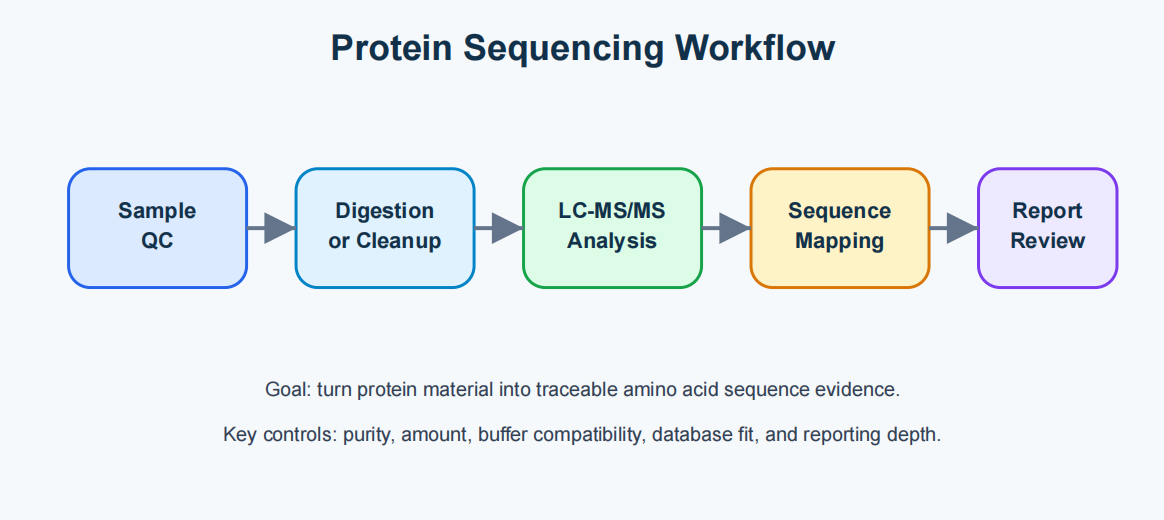
Figure 1. Protein sequencing converts prepared protein material into interpretable amino acid sequence evidence.
What Question Does Protein Sequencing Answer?
At its core, protein sequencing answers a direct molecular question: what amino acid sequence is present in this sample? In some projects, the answer may be a short N-terminal sequence that confirms protein processing. In others, it may be peptide-level evidence showing that a therapeutic protein matches an expected primary structure.
The method is different from routine protein identification. Protein identification often asks which known protein is present in a sample. Protein sequencing asks for sequence information itself, especially when the protein is unknown, modified, truncated, species-specific, or poorly represented in a database. The boundary can overlap, but the decision goal is different.
Protein sequence analysis is also different from functional testing. Enzyme assays, ligand binding assays, Western blotting, and cell-based activity tests describe what the protein does. Sequencing describes the molecular form behind that behavior. Strong projects often combine both layers because function without sequence can be hard to reproduce, and sequence without function may not prove biological activity.
Main Technical Routes
Modern protein sequencing usually uses one or more complementary routes. LC-MS/MS protein sequencing is widely used because it can analyze peptides generated by enzymatic digestion. The protein is digested into smaller fragments, peptide masses and fragmentation spectra are measured, and software plus expert review map the evidence to a known or candidate sequence.
Edman degradation remains useful for direct N-terminal sequencing when the N-terminus is accessible, the sample is sufficiently pure, and the required read length is limited. It can provide clean residue-by-residue information at the protein or peptide N-terminus. Its limitation is scope. Blocked N-termini, mixtures, low amount, and long internal sequence needs reduce its usefulness.
N-terminal and C-terminal sequencing focus on protein ends. These analyses help confirm signal peptide cleavage, propeptide processing, truncation, degradation, terminal heterogeneity, or expected terminal residues in biological products. Terminal information can be critical when a small processing change affects quality interpretation.
De novo protein sequencing is used when database information is missing, incomplete, or unreliable. Instead of simply matching spectra to a reference, de novo interpretation attempts to infer sequence from fragmentation patterns. This approach can be valuable for non-model species, novel peptides, proprietary proteins, or legacy samples, but it requires strong spectra, overlapping peptide evidence, and careful uncertainty reporting.
Step-by-Step Workflow
Most workflows begin with feasibility review. The sequencing team checks sample type, purity, amount, buffer composition, expected species, known sequence information, modifications, and project goal. This step reduces the risk of choosing a method that cannot answer the question.
Next comes sample preparation. A protein may need cleanup, concentration, buffer exchange, gel excision, reduction, alkylation, digestion, or fractionation. Preparation is not a minor detail. Detergents, salts, carrier proteins, glycerol, preservatives, or mixed proteins can reduce sequence coverage or complicate interpretation.
For LC-MS/MS-based workflows, peptides are analyzed by high-resolution mass spectrometry. Fragmentation spectra provide information about peptide sequence. Database-assisted searching can identify expected peptides. De novo interpretation can add value when reference information is weak. Peptide mapping then organizes detected peptides against a sequence to show coverage, gaps, variants, or modified regions.
The final stage is reporting. A useful report should not only list sequence calls. It should include method details, peptide evidence, coverage maps, confidence notes, unresolved regions, and recommendations for follow-up confirmation when needed. This makes the result easier to use in manuscripts, development records, or internal decisions.
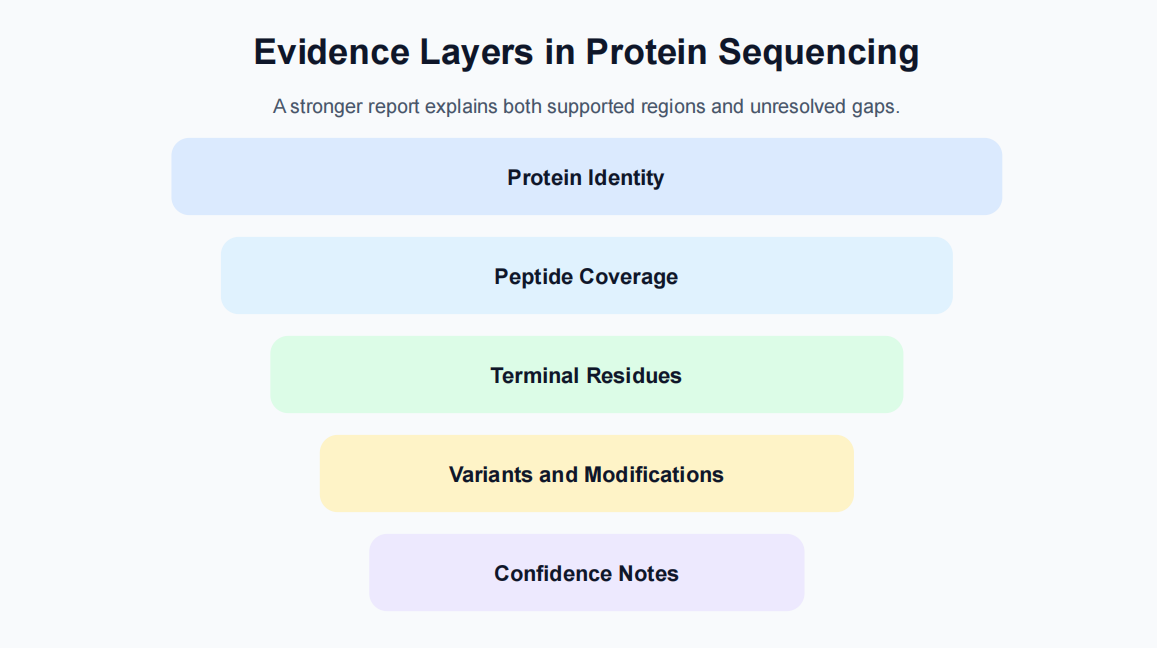
Figure 2. Different sequence questions require different evidence layers.
What Protein Sequencing Can and Cannot Prove
Protein sequencing can provide strong evidence for amino acid identity, terminal processing, peptide coverage, sequence variants, and in some cases unknown sequence regions. It is especially useful when molecular evidence must support a decision. Examples include confirming a recombinant protein, identifying an excised gel band, checking a biologic primary structure, or recovering sequence information from a poorly documented sample.
The method also has limits. Low sample amount can reduce peptide evidence. Mixed proteins can create ambiguous sequence calls. Heavy glycosylation, disulfide complexity, blocked termini, membrane regions, and incomplete digestion may create coverage gaps. De novo results should be interpreted as evidence-supported sequence proposals, not magic reconstruction from any sample.
Researchers should also distinguish sequence coverage from full proof. A peptide map covering many regions of a known protein can support confirmation, but missing regions still need explanation. If a project requires complete primary-structure characterization, additional workflows such as intact mass analysis, disulfide mapping, glycosylation analysis, or orthogonal validation may be needed.
Typical Applications
Protein sequencing is used in academic research, biotechnology development, biologics characterization, and quality-oriented studies. A common research use is identifying a protein band after SDS-PAGE separation. In this case, the goal may be to confirm which protein explains an observed phenotype, pull-down result, or purification product.
Another application is recombinant protein verification. After expression and purification, teams may need evidence that the product matches the intended construct. Peptide coverage, terminal sequence checks, and molecular weight analysis can help detect truncation, unexpected processing, or contamination.
Biopharmaceutical teams use protein sequence analysis to support primary-structure characterization. The data can help confirm expected sequence regions, detect sequence variants, assess terminal heterogeneity, and support comparability discussions. The exact package depends on the development stage and documentation requirements.
Protein sequencing also supports projects where databases are incomplete. Non-model organisms, natural peptides, engineered proteins, or older samples may require de novo sequencing because a standard database search cannot provide enough confidence.
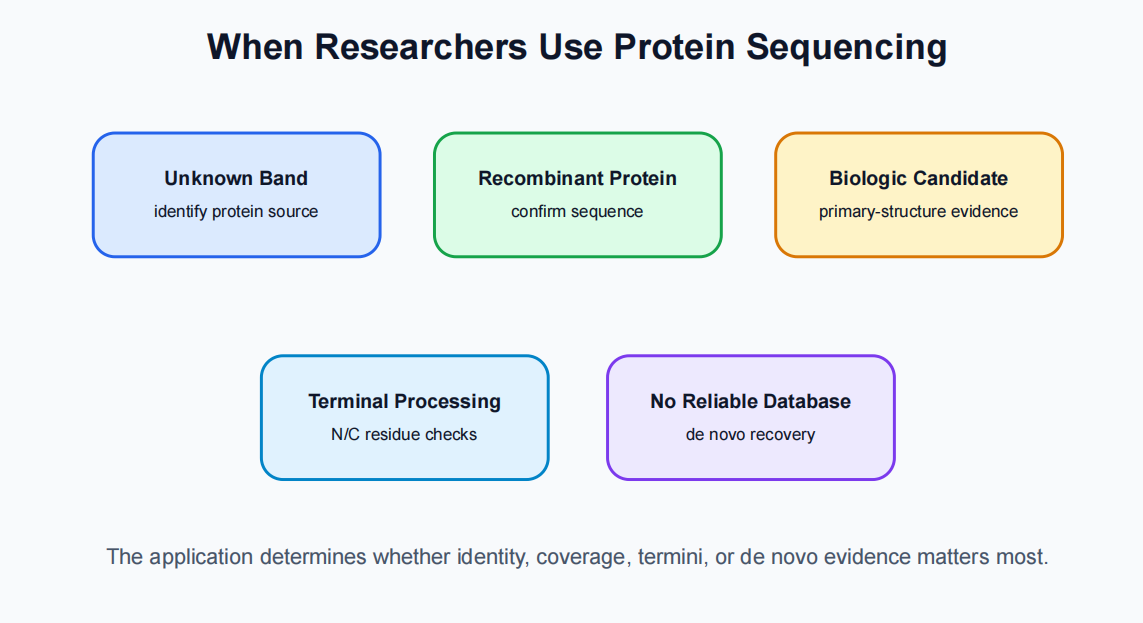
Figure 3. Different protein sequencing applications require different evidence priorities.
How to Choose the Right Sequencing Strategy
Start with the sample and the decision. If the protein is known and the goal is identity confirmation, protein identification or peptide mapping may be enough. If the N-terminus is the key question, N-terminal sequencing should be considered. If the full sequence is unknown and no reliable database exists, de novo sequencing may be required.
Purity matters. A clean protein sample produces clearer evidence. A mixed sample can still be analyzed, but the question may shift from sequencing one protein to identifying components in a mixture. Amount also matters because low input increases the risk of weak spectra and incomplete coverage.
The best strategy often combines methods. LC-MS/MS can provide broad peptide evidence, terminal sequencing can clarify protein ends, and intact mass analysis can support molecular weight consistency. This layered design is useful when the result must support publication, development, or external review.
Frequently Asked Questions
1. Is protein sequencing the same as protein identification?
No. Protein identification usually determines which known protein is present. Protein sequencing focuses on amino acid sequence evidence, including unknown regions, terminal residues, peptide coverage, or de novo sequence recovery.
2. Which method is best for unknown proteins?
LC-MS/MS with de novo sequencing is often useful when database information is incomplete. However, success depends on sample purity, amount, fragmentation quality, and whether enough overlapping peptide evidence can be generated.
3. Can protein sequencing confirm N- and C-terminal residues?
Yes, terminal sequencing can help confirm N-terminal or C-terminal residues when the sample and chemistry are suitable. Terminal analysis is often used to study processing, truncation, or terminal heterogeneity.
4. How much sample is needed?
Sample needs depend on method, purity, protein size, matrix, and confidence requirements. Researchers should confirm requirements before submitting rare material because low amount can reduce sequence coverage.
5. Does protein sequencing detect all modifications?
Not automatically. Some modifications can be detected when the method is designed for them, but broad PTM characterization may require dedicated workflows and targeted interpretation.
Conclusion
Protein sequencing is most useful when amino acid sequence evidence affects a real research or development decision. It can support identity confirmation, terminal analysis, peptide mapping, de novo sequence recovery, and primary-structure characterization. The strongest projects start with a clear question, a suitable sample, and a sequencing route matched to the required evidence.
When protein sequence information must support publication, recombinant production, biologic characterization, or difficult sample interpretation, contact MtoZ Biolabs to review sample readiness, method fit, and reporting expectations before analysis begins.
How to order?




