






Selecting PhIP-Seq for Allergen-Related Antibody Profiling: Candidate Prioritization Before Targeted Validation
In allergen-related antibody research, the most difficult decision is often not whether antibody reactivity exists, but whether the project is ready to move into targeted validation. Many studies reach a point where several candidates appear plausible, subgroup differences remain incompletely resolved, and conventional one-by-one follow-up begins to consume time without materially improving candidate confidence. At that stage, the scientific problem is no longer simple detection. It is prioritization.
Phage Immunoprecipitation Sequencing (PhIP-Seq) becomes relevant precisely when the candidate space remains too broad for efficient targeted work, yet too structured to justify staying at the level of general observation. Its value lies in helping investigators decide which signals should advance, which should be deprioritized, and which require a different validation logic altogether. In allergen-related antibody profiling, that decision point is often where study design has the greatest impact on downstream efficiency.
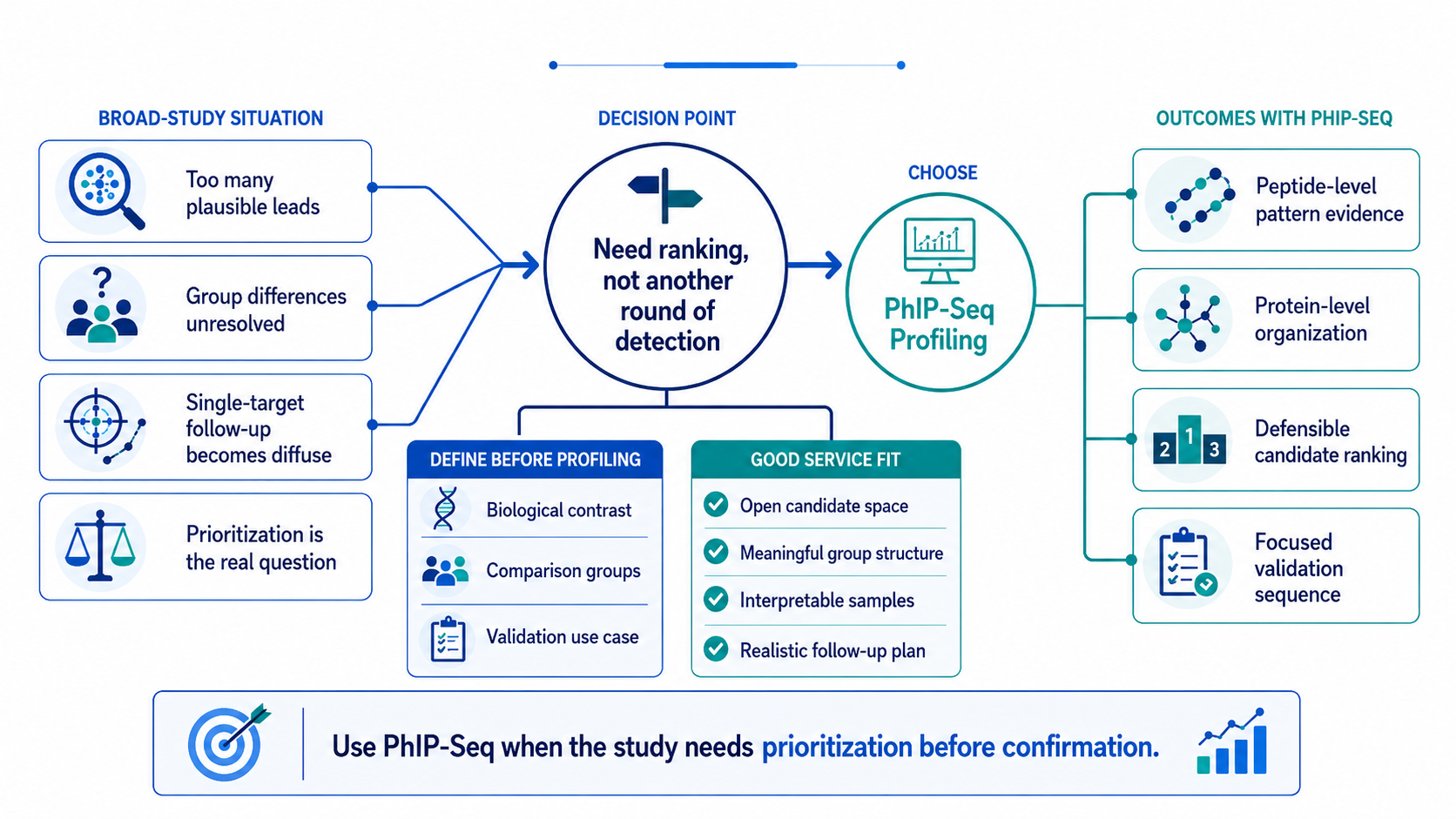
Figure 1. Decision Point for PhIP-Seq in Allergen Antibody Studies
Why Targeted Validation Often Starts Too Early
1. Candidate Expansion Outpaces Candidate Resolution
(1) Too Many Plausible Leads
Allergen-related antibody studies frequently generate more plausible leads than can be validated in a practical timeframe. These leads may arise from prior literature, exploratory screening, subgroup-specific observations, or partially overlapping biological hypotheses. The problem is not a lack of candidates, but a lack of defensible ranking.
(2) Conventional Follow-Up Becomes Diffuse
Once a project enters target-by-target validation without a clear prioritization framework, the workflow often becomes diffuse. Experimental effort is distributed across too many possible leads, and follow-up decisions may begin to reflect convenience rather than biological relevance. Under those conditions, validation no longer sharpens the question; it simply extends uncertainty.
2. Single-Target Logic Does Not Always Match the Biology
(1) Antibody Recognition Is Often Distributed
In allergen-related profiling, antibody recognition may involve multiple peptide regions, related proteins, or partially overlapping reactivity patterns. A single-target validation strategy can miss that structure, particularly when the biologically meaningful signal lies in a ranked set of candidates rather than in one dominant target.
(2) Group Effects May Be More Informative Than Absolute Signal Strength
A candidate is not necessarily important because it produces the strongest signal in one sample. In many studies, the more useful question is whether recognition patterns differ consistently across biologically defined groups. If subgroup structure matters more than single-sample intensity, then a broader profiling step becomes methodologically justified.
The Scientific Decision Point for PhIP-Seq
1. When the Study Needs Ranking Rather Than Another Round of Detection
(1) The Main Question Has Shifted
PhIP-Seq is most informative when the project has already moved beyond asking whether reactivity can be detected. Its role becomes stronger when investigators are asking which candidates should move forward first, which patterns remain credible across comparison groups, and whether current evidence is sufficient to justify targeted confirmation.
(2) Candidate Prioritization Becomes the Experimental Objective
At this stage, prioritization is no longer a secondary analytical step. It becomes part of the study objective itself. The relevant output is not simply a larger list of reactive features, but a narrower, more defensible set of candidates that can support focused downstream work.
2. When Comparative Structure Matters More Than Isolated Reactivity
(1) Group-Based Interpretation Is Central
Studies involving exposure-defined cohorts, phenotypic subgroups, or longitudinal sampling benefit from profiling when the central scientific question depends on comparative interpretation. PhIP-Seq is especially useful when investigators need to determine whether antibody recognition differs in a structured way across groups rather than whether one specimen contains an isolated strong signal.
(2) Pattern-Level Evidence Is Needed
Broad profiling is particularly informative when candidate strength depends on recurrence, clustering, or alignment across related peptides and proteins. In those studies, isolated reactivity is rarely enough. Stronger candidates emerge from structured patterns rather than singular events.
What Should Be Defined Before Profiling Begins
1. The Biological Contrast
(1) The Comparison Must Be Explicit
A useful profiling study begins with a clearly defined biological contrast. That contrast may involve exposure status, subgroup classification, or serial sampling, but it should be specified before the experiment begins. Without a defined comparison, the resulting profile may be analytically rich yet difficult to interpret.
(2) The Contrast Should Reflect the Actual Research Question
A comparison only adds value if it reflects the central question of the study. If the project is ultimately trying to distinguish biologically meaningful groups, the experimental design should support that objective from the outset rather than attempt to infer it retrospectively from heterogeneous data.
2. The Intended Use of the Output
(1) Candidate Selection Should Be Planned in Advance
PhIP-Seq becomes far more useful when the team already knows how candidate ranking will be used. That may mean selecting proteins for orthogonal confirmation, focusing on region-specific follow-up, or deciding which subgroup-associated signals warrant deeper investigation.
(2) Validation Logic Should Not Be Deferred Until After Profiling
If the downstream validation pathway is entirely undefined, even strong profiling results may be difficult to operationalize. A well-designed study does not require every validation detail to be fixed in advance, but it should already have a realistic view of what kind of follow-up would count as meaningful confirmation.
How PhIP-Seq Supports Candidate Prioritization
1. By Refining Signal Structure
(1) Peptide-Level Resolution Improves Interpretability
One of the major strengths of PhIP-Seq is that it resolves antibody recognition at the peptide level. That makes it possible to distinguish diffuse background reactivity from regionally coherent patterns and to assess whether related signals support the same candidate hypothesis.
(2) Structured Reactivity Carries More Weight
Signals are more persuasive when multiple related peptides support the same region or when similar reactivity patterns recur across biologically related samples. This kind of internal structure is often more informative than signal intensity alone and provides a stronger basis for downstream ranking.
2. By Supporting Protein-Level Candidate Organization
(1) Peptides Are Not Usually the Final Decision Unit
Although peptide-level resolution is analytically important, downstream decisions are rarely made at the level of a long peptide list. Validation planning usually requires protein-level organization, or at least grouping into candidate regions that can be followed up coherently.
(2) Ranking Becomes More Defensible at the Protein Level
A candidate set becomes more useful when peptide-level signals can be organized into protein-level interpretation. That transition helps reduce redundancy, supports clearer biological reasoning, and makes the shortlist more practical for targeted validation.
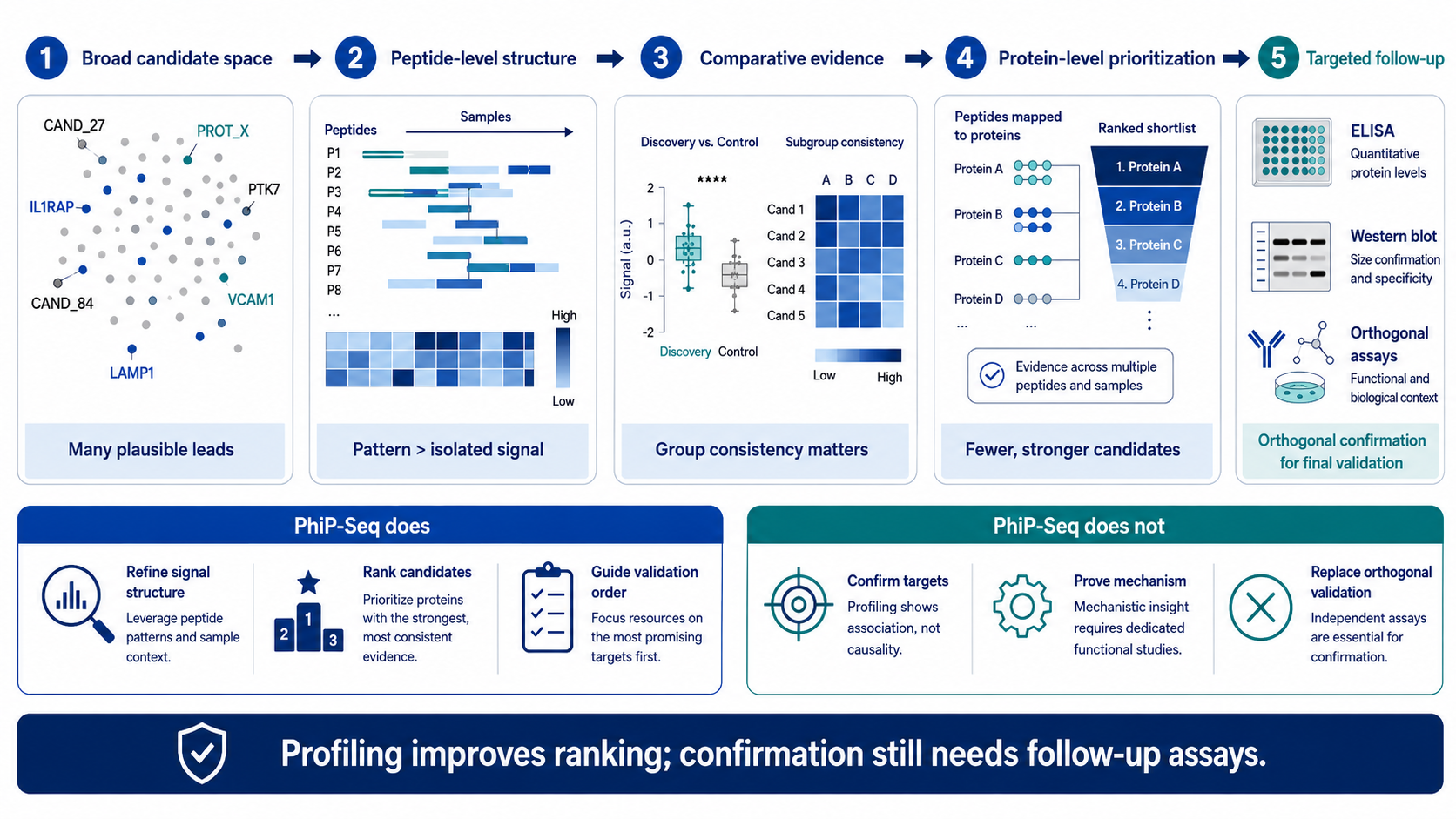
Figure 2. From Broad Candidate Space to Focused Validation Planning
What PhIP-Seq Should Not Be Expected To Do
1. It Does Not Replace Confirmation
(1) Profiling Identifies Leads
PhIP-Seq is a prioritization tool. It helps define leads, sharpen hypotheses, and organize follow-up logic. It does not, by itself, establish final confirmation.
(2) Orthogonal Validation Remains Necessary
A stronger candidate shortlist does not eliminate the need for targeted confirmation. Rather, it improves the quality of the targets that enter that stage and reduces the inefficiency associated with validating poorly ranked or weakly structured signals.
2. It Does Not Turn Differential Patterns Into Mechanistic Proof
(1) Differential Signals Require Careful Interpretation
Differences across groups may be biologically informative, but they should not be overextended into mechanistic claims without additional evidence. Profiling is strongest when used to clarify what should be tested next.
(2) Cross-Reactivity Signals Still Need Follow-Up
Patterns suggestive of cross-reactivity can help refine candidate prioritization, but they remain part of the hypothesis-building stage until supported by additional experiments.
Turning a Broad Candidate Space Into a Defensible Validation Plan
1. The Practical Outcome Should Be Experimental Focus
(1) Fewer, Stronger Candidates
A successful profiling strategy should leave the study with fewer candidates, not simply more signals. Its purpose is to reduce uncertainty and make downstream validation more selective.
(2) A Clearer Validation Sequence
The value of PhIP-Seq increases when the results can define not just what should be tested, but in what order and on what rationale. That is what turns profiling into a genuine study-design tool rather than a descriptive assay.
2. Stronger Candidate Selection Supports Better Follow-Up
(1) Better Ranking Improves Resource Allocation
Projects with limited validation capacity benefit most when ranking is more disciplined. A defensible shortlist allows experimental effort to be directed toward candidates with stronger structural support and clearer biological relevance.
(2) Better Ranking Improves Scientific Coherence
The goal is not simply efficiency. It is coherence. A study that moves into targeted validation with a stronger candidate hierarchy is more likely to generate interpretable downstream results.
For allergen-related antibody studies that still need to define which candidates warrant targeted follow-up, PhIP-Seq is most valuable as a prioritization strategy rather than as a confirmatory endpoint. MtoZ Biolabs provides PhIP-Seq allergen antibody profiling for projects that require peptide-level reactivity mapping, candidate ranking, and downstream validation planning. If your study has reached the point where targeted validation is possible but candidate selection remains uncertain, contact us to discuss your project and the appropriate next-step strategy.
How to order?




