






PhIP-Seq Allergen Antibody Profiling Service: Support for Candidate Discovery and Validation Planning
In allergen-related antibody studies, the main difficulty is often not whether antibody reactivity can be detected, but whether that reactivity can be converted into a workable set of candidates for downstream investigation. Many projects begin with a broad biological question rather than a predefined target. Investigators may suspect that antibody recognition differs across exposure groups, clinical phenotypes, or sampling time points, yet still lack a clear basis for deciding which allergen-related candidates should move forward first. In that setting, a PhIP-Seq Allergen Antibody Profiling workflow is valuable not because it produces more data, but because it helps translate complex antibody signals into a more focused validation strategy.
Phage Immunoprecipitation Sequencing (PhIP-Seq) is especially useful at this stage. It resolves antibody recognition at the peptide level, organizes those signals at the protein level, and supports candidate prioritization before orthogonal confirmation. The central question is therefore not simply whether the method can detect reactivity, but whether it fits the study objective, the sample set, and the downstream experimental plan.
When This Service Is the Right Fit
1. Discovery-Stage Studies
(1) Open Candidate Space
This service is most appropriate when the study still involves multiple plausible allergen-related candidates rather than a single predefined target. If the biological question has already narrowed to one protein or one peptide region, a focused confirmatory workflow may be more efficient. PhIP-Seq adds the most value when the candidate space remains open and broader evidence is still needed before the study can move to targeted follow-up.
(2) Candidate Ranking Before Confirmation
In many allergen antibody projects, the practical bottleneck is not generating a list of reactive features, but determining which of those features should enter the next experimental stage. A profiling workflow becomes especially informative when candidate ranking is itself part of the study design. That includes studies in which investigators need to distinguish stronger leads from background reactivity, identify recurring patterns rather than isolated signals, or define a smaller subset of candidates for downstream validation.
2. Studies That Require Structured Comparison
(1) Group-Based Biological Questions
PhIP-Seq is particularly useful when the study depends on comparing antibody recognition patterns across biologically meaningful groups. These may include exposed versus unexposed cohorts, clinically distinct populations, or longitudinal sampling points. In such studies, the value of the workflow lies in whether it can reveal interpretable differences in peptide-level recognition and help organize those differences into protein-level candidate priorities.
(2) Need for a Coherent Follow-Up Strategy
A profiling workflow is more informative when the next step is already broadly defined. The project may be heading toward peptide-level follow-up, protein-level confirmation, or structured comparison of prioritized candidates. Without a downstream use case, even a technically successful profiling dataset may be difficult to translate into a focused experimental plan.
What a Useful Profiling Workflow Should Deliver
1. Peptide-Level Reactivity Mapping
(1) Resolution of Antibody Recognition Patterns
One of the main strengths of PhIP-Seq is that it resolves antibody recognition at the peptide level. For allergen-related studies, this matters because antibody reactivity is rarely informative as a single undifferentiated signal. What matters is whether peptide-level signals form interpretable patterns, whether related peptides cluster within the same candidate region, and whether those patterns differ in a biologically meaningful way across study groups.
(2) Separation of Pattern From Noise
Not every reactive peptide is equally informative. A useful profiling workflow should help distinguish isolated events from recurring or regionally coherent patterns. This distinction is important because downstream validation is usually not built around every reactive peptide, but around those signals that show stronger internal consistency and clearer biological relevance.
2. Protein-Level Candidate Prioritization
(1) Transition From Peptides to Proteins
Peptide-level hits are analytically useful, but they are rarely the final unit of decision-making. Follow-up validation is usually planned around proteins, protein families, or a limited number of candidate regions. A useful profiling workflow should therefore support the transition from peptide-level signals to protein-level candidate interpretation. That step allows investigators to move from a large set of reactive peptides to a manageable shortlist of allergen-related targets.
(2) Support for Downstream Selection
A strong profiling workflow should do more than describe reactivity. It should help narrow the scope of the next experiment. In practical terms, that means helping define what should be validated first, what can be deferred, and what is unlikely to justify further effort. In allergen-related antibody studies, the most useful outputs are those that reduce uncertainty and support a more disciplined follow-up plan.
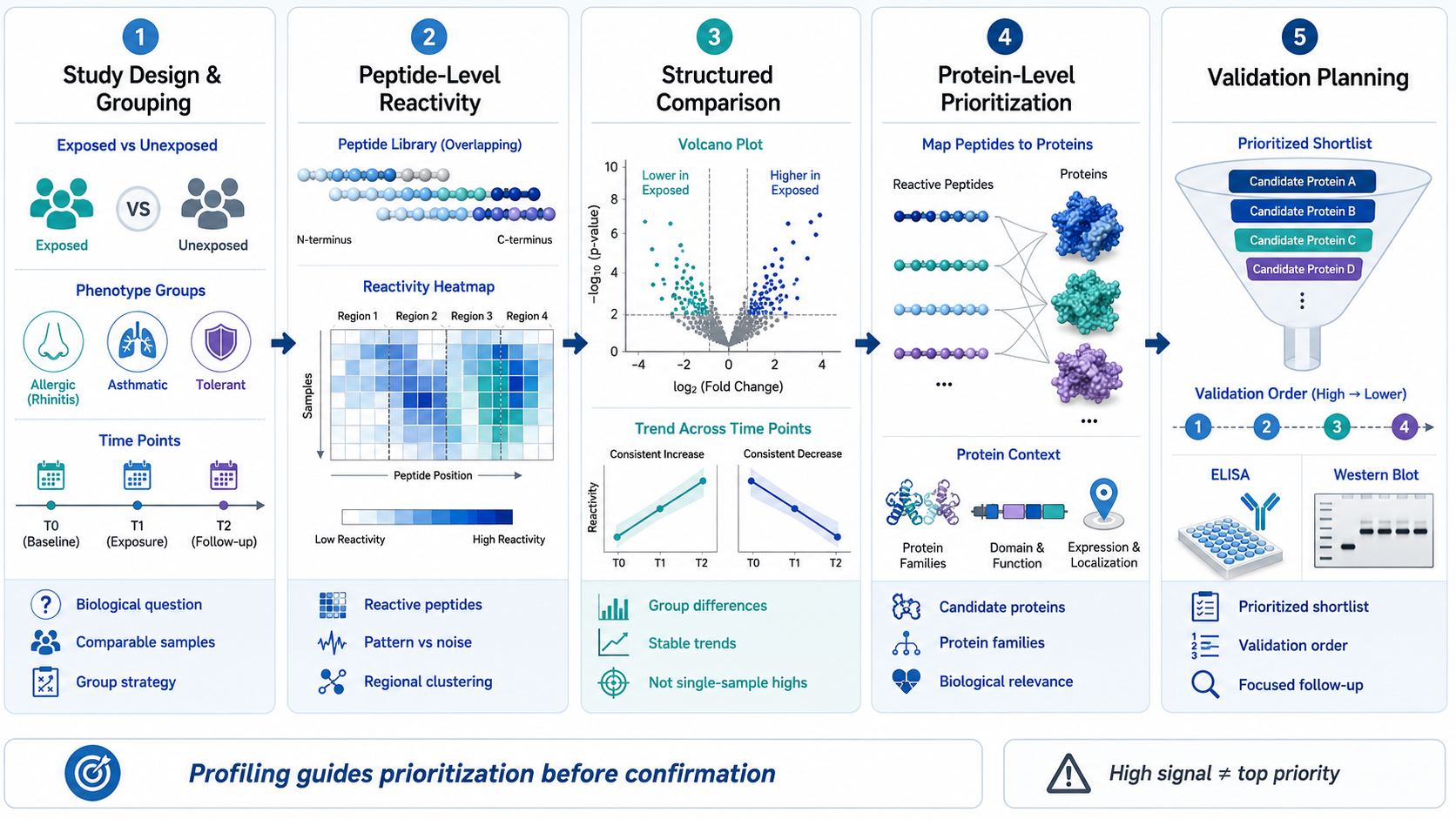
Figure 1. From Study Design to Candidate Prioritization in Allergen Antibody Profiling
Interpretation Boundaries in Allergen Antibody Profiling
1. What Profiling Can Support
(1) Definition of Reactivity Patterns
PhIP-Seq is well suited to defining antibody reactivity patterns, identifying candidate peptides and proteins, and prioritizing follow-up targets in allergen-related studies. It is especially valuable when a broader view is needed before the study can move to targeted confirmation.
(2) Early-Stage Experimental Direction
When a project is still asking which targets deserve closer scrutiny, PhIP-Seq Allergen Antibody Profiling can provide direction at the discovery stage. It can support candidate selection, help refine the range of plausible follow-up targets, and improve the logic of downstream study design.
2. What Still Requires Orthogonal Follow-Up
(1) Profiling Does Not Equal Confirmation
A candidate hit should not be treated as a confirmed allergen-related conclusion. Profiling results identify leads, patterns, and priorities. They can sharpen experimental judgment, but they do not replace targeted confirmation.
(2) Differential Signals Do Not Establish Mechanism
Likewise, differences observed across samples or groups should not be expanded into mechanistic claims without additional evidence. The purpose of a profiling service is to reduce uncertainty at the discovery stage, not to function as a standalone endpoint for biological proof.
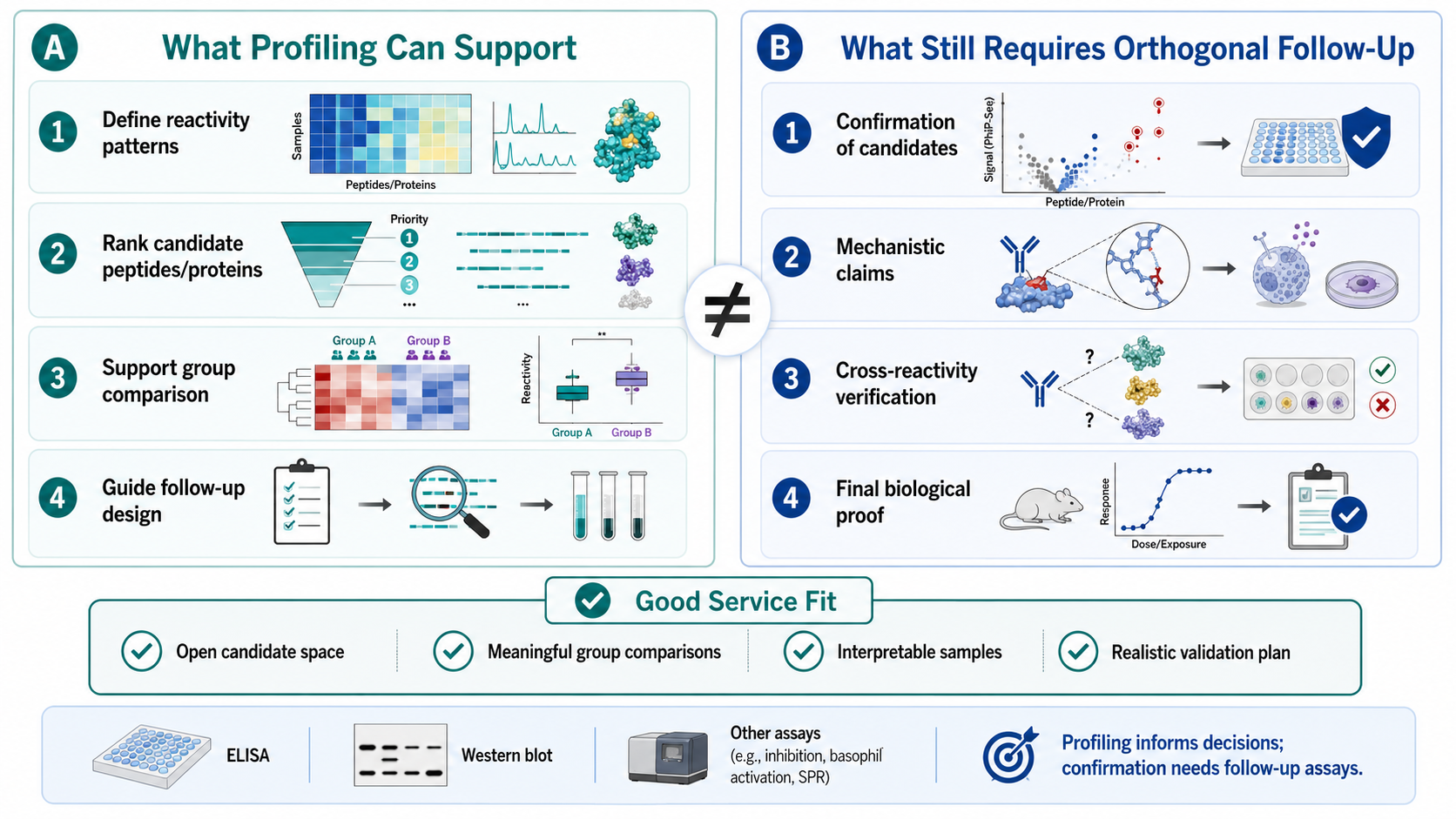
Figure 2. What Profiling Can Support and What Requires Orthogonal Follow-Up
How To Assess Service Fit for a Current Study
1. Questions To Resolve Before Submission
(1) Is the Study Still Broad Enough To Benefit From Profiling?
If the study still involves multiple plausible allergen-related candidates, uncertain peptide regions, or unresolved group-level differences, profiling may add substantial value. If the biological question is already narrow, the service should be evaluated more cautiously. The deciding factor is whether broader evidence is still needed before the study can move to targeted confirmation.
(2) Will the Result Directly Inform the Next Decision?
The most suitable projects are those in which the output will immediately inform candidate ranking, protein selection, validation order, or comparison strategy. If the research team cannot yet define how the result would be used, that uncertainty should be addressed before the workflow is chosen.
2. Conditions That Improve Downstream Value
(1) Interpretable Samples and Comparisons
Sample suitability is not only a matter of technical feasibility. It also depends on whether the sample set can support the biological comparisons the study relies on. A technically acceptable sample may still fail to provide informative results if the study design does not preserve meaningful interpretation.
(2) A Realistic Validation Plan
A candidate-discovery workflow is most effective when it sits within a realistic validation strategy. Projects that already have a clear idea of how shortlisted candidates will be confirmed are more likely to benefit from profiling than projects that stop at candidate generation alone.
For allergen-related studies that still need to define candidate priorities before targeted confirmation, PhIP-Seq is most valuable as a research-use profiling service rather than as a confirmatory endpoint. Its strength lies in helping investigators connect sample-level antibody recognition patterns to a more focused validation strategy. MtoZ Biolabs provides PhIP-Seq allergen antibody profiling to support candidate discovery, protein-level prioritization, and downstream validation planning in allergen-related antibody studies. If you have relevant samples or an active project in this area, please contact us for project evaluation and service support.
How to order?




