






Metabolomics and Lipidomics Analysis Services for Untargeted Profiling and Targeted Analysis
Metabolite and lipid measurements produce different forms of evidence depending on whether data acquisition begins with broad molecular features or a predefined target list. Untargeted workflows emphasize molecular coverage and comparative discovery, whereas targeted workflows concentrate analytical effort on selected compounds and, when suitable standards and calibration strategies are available, can support more specific quantitative objectives.
The distinction between metabolomics and lipidomics is also methodologically important. Lipids span structurally diverse classes with large differences in polarity, chain length, unsaturation, and ionization behavior, while many nonlipid metabolites require different extraction and separation considerations. A useful analytical plan therefore begins by defining the molecular domain, research question, sample matrix, target information, and evidence level expected from the study.
Analytical Scope
1. Untargeted Analysis
(1) Broad Metabolite Profiling
Untargeted metabolomics surveys a large set of detectable metabolic features without restricting acquisition to a predefined compound list. The resulting data support group comparison, pattern discovery, and candidate generation across experimental conditions, time points, or biological states. Because feature coverage depends on extraction chemistry, chromatographic behavior, ionization, abundance, and database evidence, untargeted analysis does not represent every metabolite present in a sample. Its principal value lies in comparative profiling and the prioritization of signals for further interpretation or follow-up.
(2) Broad Lipid Profiling
Untargeted lipidomics applies a discovery-oriented strategy to lipid features, classes, and molecular species. The analytical design must account for lipid-class diversity, isomeric structures, adduct formation, and variable fragmentation behavior. Reported results may include class-level assignments, molecular-species annotations, or candidate structures with different confidence levels. Consequently, a difference in a lipid feature should be interpreted according to the available structural evidence rather than treated automatically as a fully confirmed lipid identity.
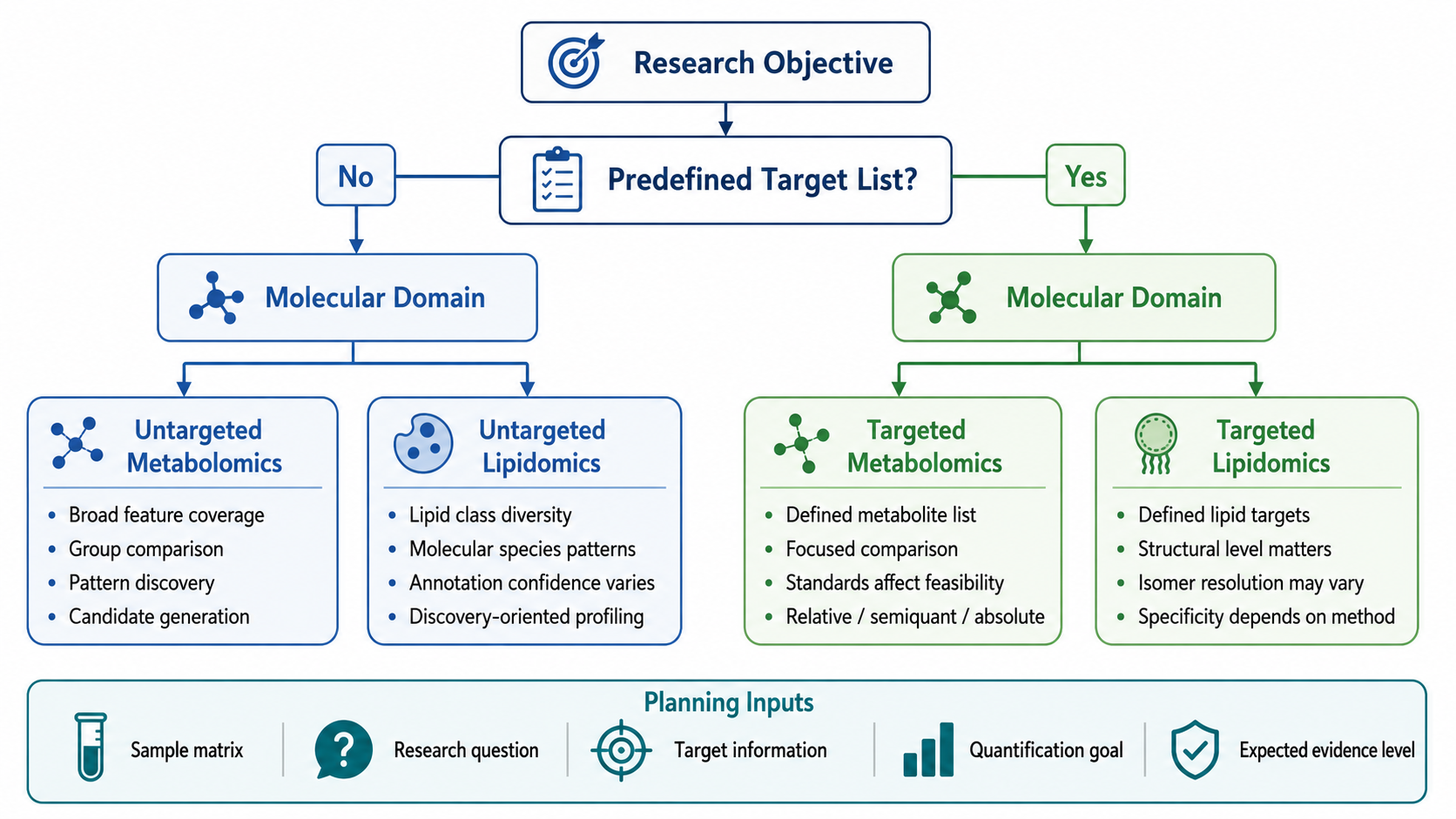
Figure 1. Workflow Selection for Metabolomics and Lipidomics
2. Targeted Analysis
(1) Predefined Metabolite Measurement
Targeted metabolomics begins with an explicit list of metabolites selected before data acquisition. This approach is appropriate when the study focuses on a defined pathway, a set of discovery-stage candidates, or compounds requiring focused comparison across groups. Analytical selectivity, calibration, internal standards, and reference materials determine whether the output is relative, semiquantitative, or absolute. A target name alone is not sufficient for method planning; chemical identity, expected concentration range, sample matrix, and available standards may affect feasibility.
(2) Predefined Lipid Measurement
Targeted lipidomics concentrates on selected lipid classes or molecular species. Complete target definitions are particularly important because lipid shorthand may describe different structural levels, such as total carbon and double-bond composition, fatty-acyl composition, or positional structure. Separation and fragmentation may not resolve every isomeric form. The reported identity and quantitative level should therefore match the analytical specificity supported by the method and reference materials.
Research Uses
1. Comparative Molecular Profiling
(1) Metabolic Differences Across Defined Groups
Comparative metabolomics evaluates whether metabolic features differ across well-defined biological or experimental groups. Fold changes, statistical tests, multivariate patterns, and pathway context can identify candidates associated with a treatment, phenotype, or time point. These associations do not establish that a metabolite causes the observed biological effect. Interpretation should consider sample handling, group balance, biological variability, and potential confounders before candidates are assigned biological priority.
(2) Lipid Differences Across Defined Conditions
Comparative lipidomics can reveal changes at several levels, including lipid-class abundance, chain-length distribution, degree of unsaturation, and individual molecular species. These levels are not interchangeable. A class-level shift may occur without uniform changes in all member species, while a significant molecular feature may represent only part of a broader lipid remodeling pattern. Functional interpretation requires attention to annotation confidence, structural resolution, and the biological context of the sample.
2. Focused and Sample-Specific Questions
(1) Candidate Follow-Up With Targeted Analysis
Discovery-stage candidates can be prioritized using statistical strength, annotation quality, abundance, consistency across replicates, and relevance to the study hypothesis. Targeted follow-up then narrows the analytical question to selected compounds. Detection in a targeted assay confirms that a signal is measurable under the defined method, but molecular confirmation and absolute quantification require appropriate reference evidence. Screening, targeted detection, structural confirmation, and biological validation remain distinct stages.
(2) Exosome Lipid Composition and Group Comparison
Lipid analysis of isolated exosome samples can address composition and group-dependent differences in extracellular vesicle-associated lipids. Interpretation depends on sample source, isolation history, preparation consistency, residual matrix components, and normalization strategy. Lipid signals detected in an exosome preparation describe the analyzed preparation and should not be assigned exclusively to exosomes without considering co-isolated material and the evidence supporting sample quality.
Sample and Study Design
1. Matrix and Preanalytical Conditions
(1) Matrix-Dependent Extraction and Detectability
Serum, plasma, tissue, cultured cells, urine, culture supernatant, and other matrices differ in protein content, salt concentration, endogenous enzymes, metabolite abundance, and lipid composition. These properties influence extraction recovery, matrix effects, chromatographic separation, and ionization. A method suitable for one matrix may require modification for another. Sample type should therefore be evaluated together with the molecular targets and the intended comparison rather than treated as an independent logistical detail.
(2) Collection, Storage, and Batch Effects
Metabolic profiles can change during delayed processing, temperature fluctuation, repeated freeze-thaw cycles, hemolysis, or inconsistent collection. Culture conditions, fasting state, sampling time, and tissue ischemia may also introduce biological or preanalytical variation. Balanced sample processing and randomized analytical order reduce the risk that technical batches align with biological groups. Quality-control observations support technical assessment but do not replace evaluation of biological design.
2. Experimental Design and Target Definition
(1) Groups, Controls, and Biological Replication
Group definitions, controls, biological replicates, and known covariates determine whether statistical differences can be interpreted meaningfully. Technical replication measures analytical variation, whereas biological replication captures variation among independent biological units. These forms of replication answer different questions. Multivariate models should be evaluated alongside univariate statistics, quality metrics, and study design rather than used as stand-alone evidence of group separation.
(2) Target Lists, Standards, and Quantification Goals
Targeted studies require a complete compound list with unambiguous names or identifiers where possible. The plan should also define whether the objective is relative comparison, semiquantitative estimation, or absolute concentration measurement. Absolute quantification generally depends on calibration standards, suitable internal standards, validated response behavior, and matrix-appropriate assessment. When these elements are unavailable, reporting should remain within the quantitative level supported by the data.
Data Outputs and Evidence Levels
1. Identification and Quantification
(1) Feature Detection and Candidate Annotation
Untargeted data processing commonly includes peak detection, alignment, normalization, filtering, and candidate annotation. Public spectral libraries and structural databases can support annotation through precursor mass, isotope pattern, fragmentation, or related evidence. Confidence varies among features, and database-supported annotation does not equal confirmed molecular identification. Candidate tables should retain evidence fields that allow later prioritization and, where necessary, targeted confirmation.
(2) Relative, Semiquantitative, and Absolute Quantification
Relative quantification compares signal intensity after defined processing and normalization. Semiquantitative results estimate abundance using limited calibration or representative standards, but the estimate may not have the specificity of compound-matched absolute measurement. Absolute quantification reports concentration using an appropriate calibration model and analytical controls. These outputs should not be combined under a single quantitative label because they support different comparisons and conclusions.
2. Interpretation and Workflow Selection
(1) Statistical Patterns and Pathway Context
Principal component analysis summarizes major variance patterns, while supervised models such as PLS-DA or OPLS-DA examine class-related separation under model assumptions that require validation. Differential analysis identifies features associated with predefined comparisons. Pathway analysis places annotated candidates into biological context but remains dependent on annotation quality, pathway coverage, and background selection. Statistical association and pathway enrichment do not independently demonstrate causation or mechanism.
(2) Matching the Workflow to the Research Objective
Broad discovery without a predefined list is generally aligned with untargeted metabolomics or untargeted lipidomics. A defined metabolite or lipid list supports targeted planning, provided that target identity, analytical coverage, standards, and quantification goals are reviewed. Lipid-focused questions require attention to lipid structural resolution, while all workflows depend on sample matrix, collection history, group design, and the evidence expected from the final result.
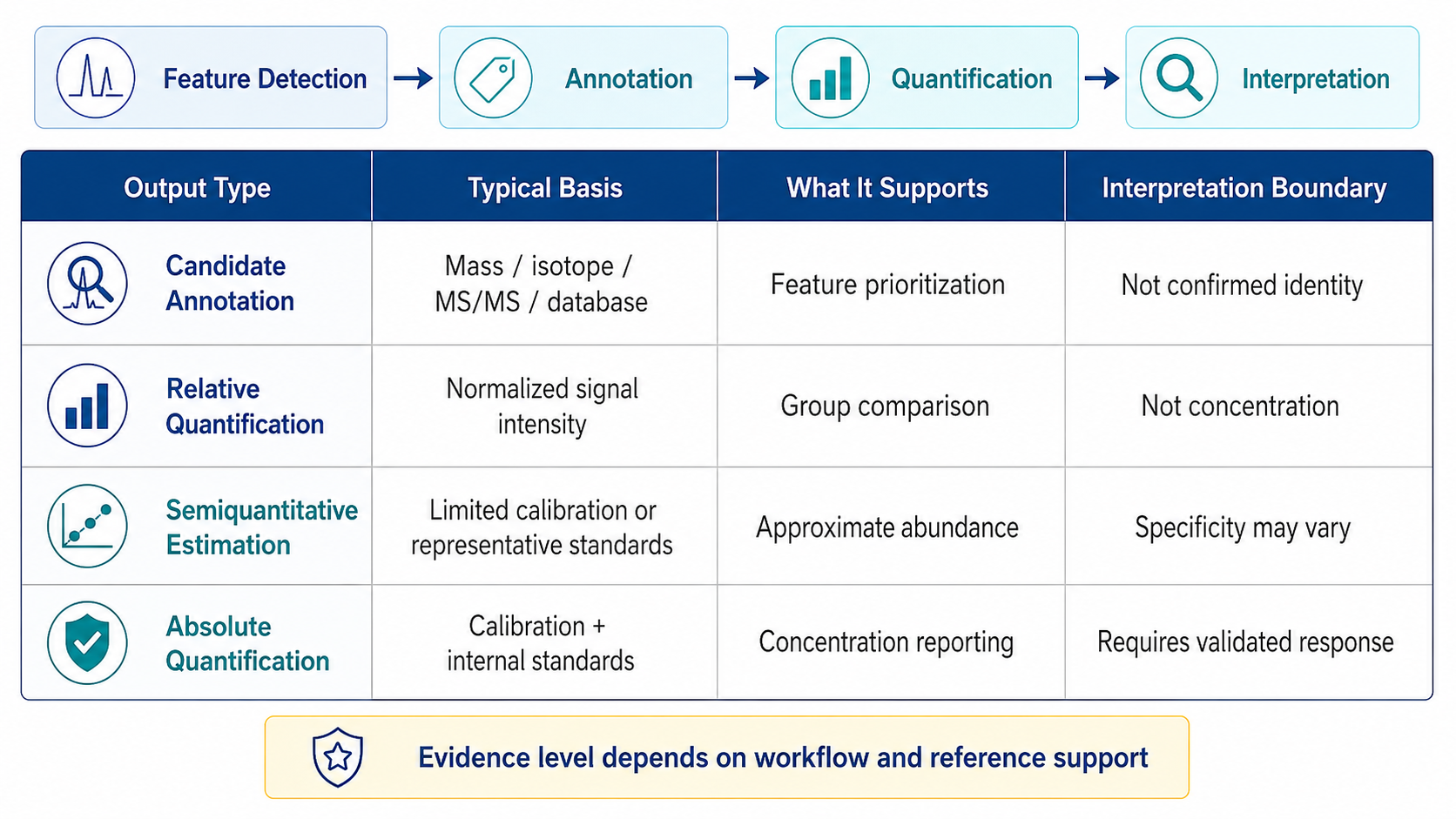
Figure 2. Evidence Levels Across Molecular Data Outputs
A defensible analytical plan aligns the molecular question, sample condition, study design, target information, and required evidence level before data acquisition begins. MtoZ Biolabs evaluates metabolite- and lipid-focused projects involving broad profiling, predefined targets, or exosome lipid analysis according to the research objective, sample matrix, study groups, preparation history, target information, and expected result. Submit your inquiry below for project evaluation.
MtoZ Biolabs, an integrated chromatography and mass spectrometry (MS) services provider.
Related Services
How to order?




