






Metabolomics Analysis: From Untargeted Discovery to Targeted Measurement
-
Untargeted metabolomics for broad small-molecule discovery across sample groups.
-
Targeted metabolomics for focused analysis of metabolites included in the current targeted detection list, with other targets assessed separately.
-
Lipidomics, covering untargeted lipidomics, targeted lipidomics, and exosome lipidomics for lipid-focused studies, with the applicable workflow, target coverage, and sample suitability confirmed during project review.
-
Do you already know your target metabolites? If yes, and they are included in the current targeted metabolite list, targeted metabolomics can enter routine project review.
-
Are you still exploring? If the informative metabolites are unknown, start with untargeted metabolomics or untargeted lipidomics and use the results to build a shortlist.
-
Is your question lipid-centered? Choose untargeted lipidomics for broad lipid comparison, targeted lipidomics for a predefined lipid list, or exosome lipidomics when the submitted samples are exosomes and the research question is specifically lipid-focused.
-
Do you expect to confirm candidates later? Flag that intention at the design stage so the untargeted run and any targeted follow-up are planned as complementary steps rather than disconnected orders.
Metabolomics analysis can support a project from broad, untargeted discovery to focused, targeted measurement. Untargeted metabolomics examines a wide range of detectable metabolite features to identify changes across sample groups, while targeted metabolomics focuses on a predefined list of compounds. These approaches may be used sequentially when a study progresses from candidate discovery to focused measurement, or independently when the research question and target metabolites are already defined.
MtoZ Biolabs offers untargeted metabolomics, targeted metabolomics, untargeted lipidomics, targeted lipidomics, and exosome lipidomics services. The appropriate service direction depends on the research objective, sample type and available amount, study design, expected result, and target information where applicable. Confirming these factors early helps align the analytical scope with the data required for downstream interpretation.
Untargeted and Targeted: Two Questions, One Continuum
It helps to separate the two approaches by the question they answer rather than by the technology behind them.
Untargeted metabolomics is a discovery tool. It profiles as many detectable small molecules as possible and highlights features that differ between groups - treated versus control, disease versus healthy, one genotype versus another. You do not need to name your targets in advance, which is exactly why it suits early exploration where the interesting biology is not yet known.
Targeted metabolomics begins with a predefined list of metabolites. The analysis focuses on those selected compounds across the submitted samples, with target coverage and result scope confirmed during project review.
Untargeted and targeted metabolomics can form a connected analytical path, but they do not always need to be used together. One possible design is to use untargeted profiling to identify candidate features and then assess whether selected candidates are suitable for targeted follow-up. The appropriate follow-up depends on target coverage and project feasibility.
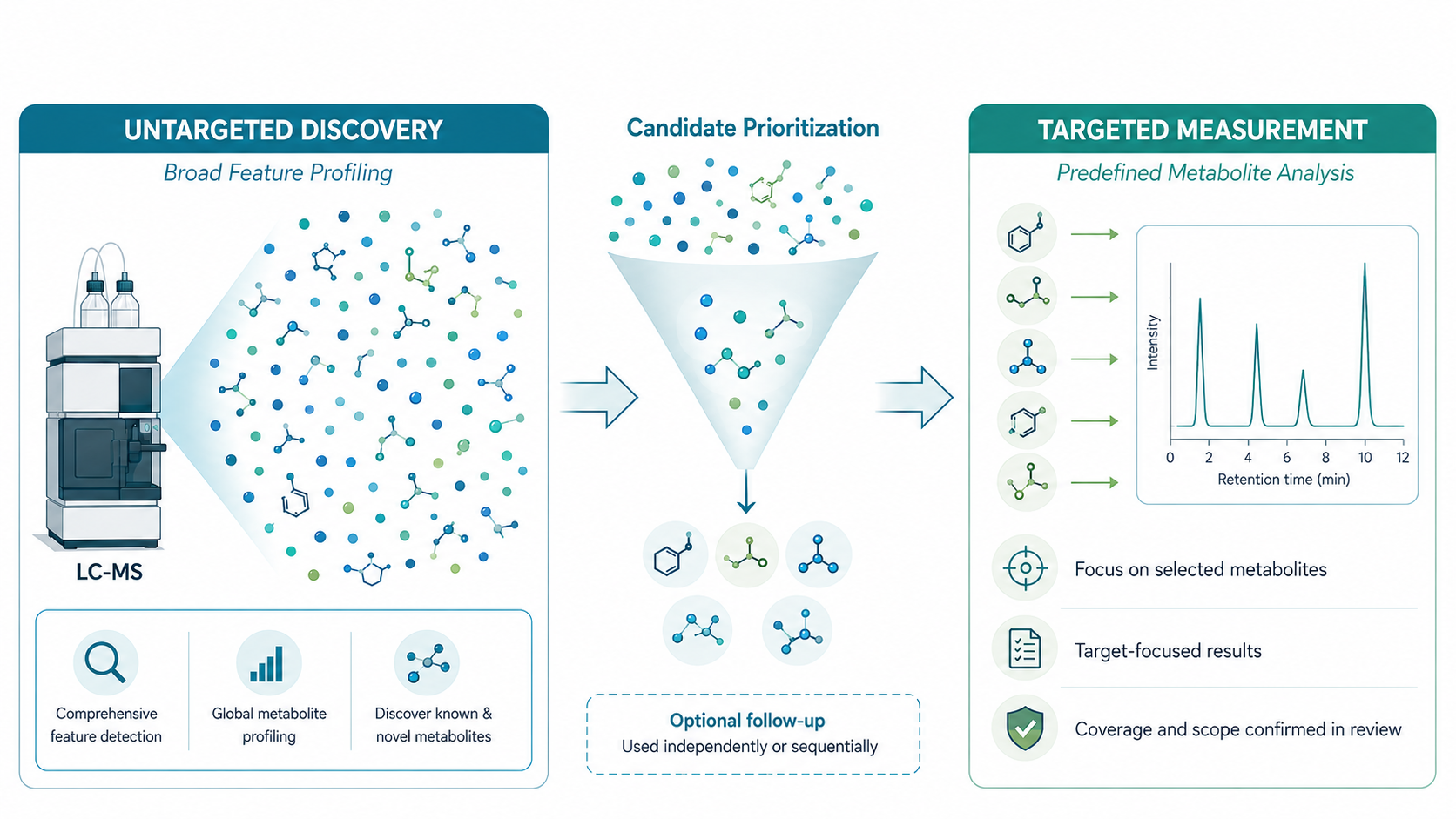
Figure 1. Untargeted discovery and targeted measurement in metabolomics.
Available Metabolomics and Lipidomics Service Directions
Three service families are available, each addressing a different layer of metabolite or lipid analysis:
The distinction that matters most for planning is between routine review and project-specific assessment. Untargeted metabolomics, untargeted lipidomics, and metabolites included in the current targeted metabolite list can enter routine project review. Targets outside the current metabolite list require separate assessment or custom development where applicable. Targeted lipidomics requests require project-specific coverage review, while exosome lipidomics projects are confirmed after the sample information and study design have been reviewed. Applicable development requirements, result scope, and delivery arrangements are confirmed before project initiation.
If you are not sure whether your metabolites are included in the current targeted list, confirm target coverage during project review before finalizing the study design.
Sample Types and Amounts
Metabolomics and lipidomics can accommodate multiple biological sample types, but sample suitability and available amount need to be reviewed against the proposed workflow. The values below are basic project-planning references rather than fixed minimums, recommended amounts, or unconditional acceptance criteria.
|
Sample type |
Planning reference per sample |
|---|---|
|
Cultured Cells |
1 × 10⁶ – 1 × 10⁷ cells |
|
Animal tissue |
~100 mg |
|
Plasma / serum |
~100 µL |
|
Urine |
~500 µL |
|
Feces |
~200 mg |
|
Cerebrospinal fluid (CSF) |
~200 µL |
|
Saliva |
~200 µL |
|
Culture Medium Supernatant |
~2 mL |
|
Plant tissue |
~500 mg |
|
Yeast / fungi |
5 × 10⁷ cells |
The sample types listed in the table can be submitted using the corresponding planning references. Root exudates and other unlisted biological samples may also be submitted for project-specific review. Exosome samples are supported specifically for lipid-focused projects, with sample suitability and input requirements confirmed before project initiation.
Understanding Untargeted Metabolite Annotations
This is the point where expectations most often drift, so it is worth being clear.
Untargeted metabolomics does not hand back a list of definitively identified compounds. Candidate annotations are generated using confirmed databases and available public-library MS/MS spectra or structural evidence. This process is useful for generating candidates, but a library-supported annotation does not constitute confirmed molecular identification.
The realistic workflow is to let untargeted data point you toward the most promising features - typically those that are differential between groups, well scored against the libraries, and reasonably abundant - and then interpret them alongside the biology you expect. Priority candidates requiring stronger identification or focused measurement may be considered for a separately reviewed targeted follow-up, potentially using authentic standards, depending on target coverage and project feasibility.
Framing untargeted output as "confirmed metabolite X changed by Y-fold" overstates what a discovery scan can support on its own. Framing it as "these candidates may warrant further evaluation" keeps the interpretation defensible and supports appropriate follow-up planning.
This distinction also protects the downstream story in a manuscript or grant. In manuscripts or grant applications, describing discovery results as candidate annotations with an appropriate confidence level is generally more defensible than presenting them as confirmed identities. A follow-up confirmation strategy may also strengthen conclusions that rely heavily on selected metabolites.
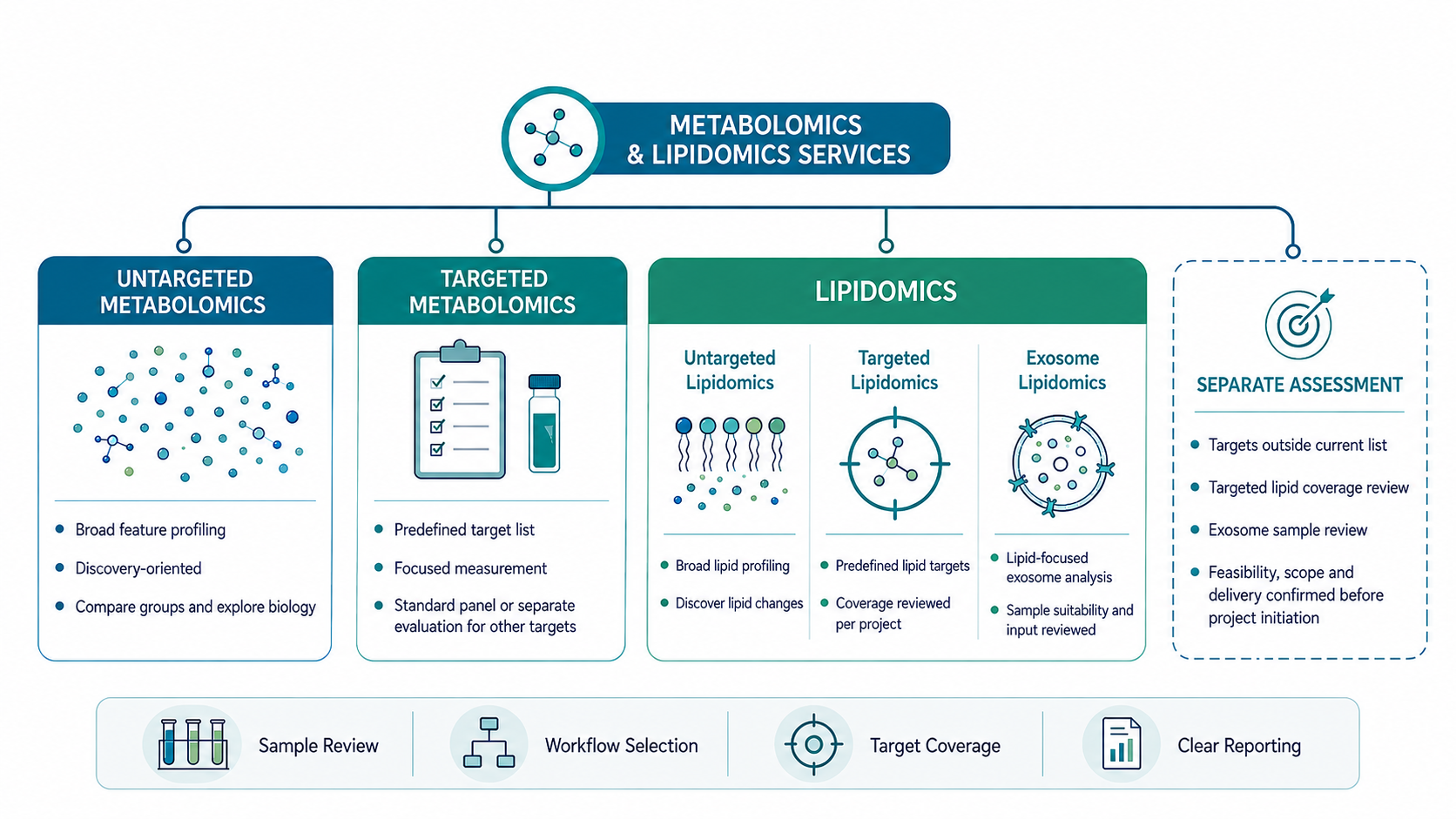
Figure 2. Overview of metabolomics and lipidomics workflows at MtoZ Biolabs.
Choosing a Starting Point for Your Project
A few simple questions usually settle where to begin:
Settling these points early avoids common mismatches, such as expecting a broad discovery scan to provide the same target-focused result scope as a predefined targeted analysis, or expecting a narrow targeted panel to reveal changes outside its selected targets.
It also helps to think about the practical trade-offs before committing. Untargeted profiling broadens analytical coverage but often produces putative annotations and relative comparisons; targeted measurement narrows the analytical scope and provides target-focused results for selected compounds within the approved project design. Neither is inherently "better" - the right choice is simply the one that matches the stage your project is in and the kind of claim you eventually need to make.
Related Services
Metabolomics and Lipidomics Analysis Services
Untargeted Metabolomics Service
Targeted Metabolomics Analysis Service
Untargeted Lipidomics Analysis Service
Targeted Lipidomics Analysis Service
Frequently Asked Questions
1. Can one project use both untargeted and targeted metabolomics?
Yes. The two approaches may be used independently or sequentially. One possible design is to use untargeted profiling to identify candidate features and then assess whether selected candidates are suitable for targeted follow-up.
2. How do I know if my target metabolites can be measured routinely?
Check them against the current targeted detection list. Compounds on that list can enter routine project review, while targets outside the list require separate assessment or custom development where applicable.
3. Does untargeted metabolomics give confirmed metabolite identities?
Not on its own. Candidate annotations are generated using confirmed databases and available public-library MS/MS spectra or structural evidence and should not be treated as confirmed molecular identities. Priority candidates requiring stronger identification may be considered for separately reviewed follow-up, depending on target coverage and project feasibility.
4. What sample types are supported?
The basic planning table covers cultured cells, animal tissue, plasma or serum, urine, feces, cerebrospinal fluid, saliva, culture medium supernatant, plant tissue, and yeast or fungal cells. Root exudates and other unlisted biological samples require project-specific review. Exosome samples are supported for lipid-focused projects after the sample information has been reviewed.
5. What happens if my target is not included in the current list?
Targets outside the current targeted metabolite list require separate assessment and may involve custom method development where applicable. Target coverage, development requirements, result scope, and delivery arrangements are confirmed before project initiation.
6. Is lipidomics separate from metabolomics?
Lipids are a distinct chemical space and are handled through dedicated lipidomics workflows - untargeted, targeted, and exosome lipidomics - rather than a general metabolite scan.
Conclusion
Metabolomics spans a continuum from broad discovery to focused measurement rather than representing a single analytical strategy. Untargeted metabolomics helps identify metabolite features that differ across samples, while targeted metabolomics focuses on predefined compounds of interest. Lipidomics applies the same analytical logic to lipid-centered research questions.
A well-aligned project starts with a clear research objective, suitable sample conditions, and realistic expectations for target coverage and result interpretation. Untargeted annotations should remain at the candidate level unless supported by an appropriate follow-up strategy. MtoZ Biolabs provides project-specific metabolomics and lipidomics workflow planning to help align the analytical scope with the study goal, sample type, and target information.
How to order?




