



Researchers who already have a purified protein and a ligand Tm question can review MtoZ Biolabs for DSF feasibility. Pair-level method choice after a named pair is covered in .
A Thermal Shift Is Not a Protein-Protein Interaction
A thermal shift is a change in the temperature at which a protein leaves the soluble fraction or unfolds. Intact-cell heat-solubility work was introduced to monitor drug-target engagement by that solubility change. Proteome-wide melting curves by mass spectrometry later applied the same idea to many proteins in one LC-MS/MS set (Savitski et al. 2014). Both formats ask who became more or less heat-resistant. Neither format isolates a bait-prey pair.
Do not read a co-shifting pair as a contact. Two proteins can melt together because they sit in one complex, share a compartment, or respond to the same compound. Two proteins can also fail to co-shift and still bind under a milder wash. Live-cell thermal stability is a stability phenotype.
Generic culture-heat-lyse-centrifuge outlines do not add an interaction claim. Western blot or LC-MS/MS after heating reports remaining soluble protein. The readout stays a melting or isothermal curve.
If the request is already a named pair and the sentence is co-recovery from lysate, skip the heat series and use antibody capture through the .
Intact-Cell and Lysate Heat Challenges Measure Remaining Soluble Protein
An intact-cell heat challenge treats cells with vehicle or compound, applies a temperature series, lyses the cells, and separates aggregated protein from the soluble fraction. The soluble amount of the target is then read by blot or targeted MS. A lysate heat challenge uses the same temperature logic after lysis and is closer to in-vitro engagement. Proteome-wide melting-curve MS fits a curve for many proteins in one LC-MS/MS set (Savitski et al. 2014).
Intact-cell format requires the compound to enter the cell and reach the target. Lysate format removes that barrier. Do not treat the two formats as one live-cell protein interaction thermal stability method.
Proteome-wide melting-curve MS can flag many shifted proteins. Off-target or downstream proteins shift for the same reasons as the intended target: occupancy, modification, or later abundance change. A long shift list is not a partner list.
Do not invent a branded live-cell interaction kit around those steps. In MtoZ offerings, the closest thermal-shift intake for a purified protein plus ligand is DSF, not a cell-heating PPI screen (Niesen et al. 2007).
Thermal Shift Curves and Temperature Gradients
A usable live-cell thermal stability result is a curve, not a single heated tube. The x-axis is temperature. The y-axis is remaining soluble fraction or a fitted melting midpoint (Tm). Vehicle and treated arms must use the same gradient, the same lysis, and the same detection.
One heat point can show that protein remained or precipitated. It cannot locate a Tm or a ΔTm. A two-point comparison is still not a melting curve. Plan a temperature series that brackets the apparent transition of the target.
An isothermal dose-response heat challenge holds temperature constant and varies compound concentration. That plot can rank apparent cellular potency. It still reports occupancy-linked stability, not a binary contact.
Fit quality matters. A noisy soluble-fraction trace does not support a small ΔTm. Replicate cultures or lysates belong with the gradient. Changing the temperature set after seeing a favorite protein is not a second experiment.
The comparison below keeps a heat-dependent solubility curve and a pair assay on separate tracks.
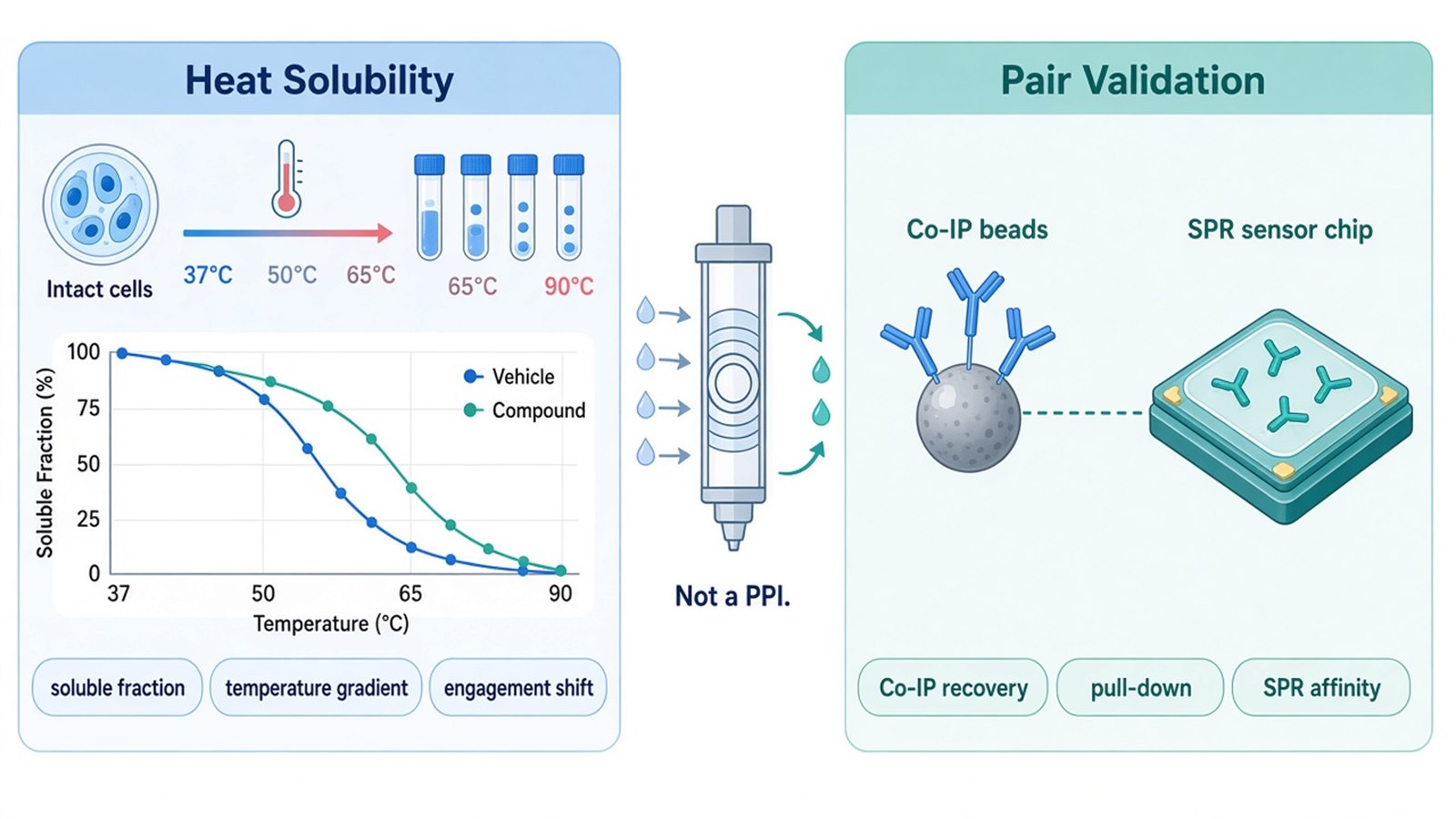
Figure 1. Live-Cell Thermal Shift vs Pair Validation.
Drug-Target Binding as Indirect Cellular Evidence
The strongest live-cell thermal stability sentence is target engagement. A compound that enters the cell and occupies a pocket can stabilize or destabilize that protein relative to vehicle. Proteome-wide melting-curve MS can then show whether other proteins also moved (Savitski et al. 2014). Both observations remain indirect. Occupancy is inferred from solubility, not from a bound complex isolated on a bead or a sensor.
A ΔTm does not equal a cellular KD. Apparent shifts mix permeability, efflux, protein turnover, and downstream remodeling. Do not convert a proteome-wide shift rank into an affinity table.
Purified-protein DSF answers a narrower Tm question on a known protein plus ligand (Niesen et al. 2007). Planning amounts are at least 50 ug per sample at 0.1 to 0.5 mg/mL, typically in HEPES pH 7.4 or PBS, with at least three replicate wells per condition. DSF ΔTm is a screening shift. It is not an absolute KD. When the next sentence is affinity or kinetics of that prepared pair, use .
Do not treat a live-cell shift of protein B after compound addition as proof that B binds protein A. B may be a downstream substrate, a complex mate whose stability changed after A was occupied, or an unrelated off-target.
Interaction Validation After a Stability Hit
When the next sentence after live-cell thermal stability is an interaction, change geometry. Reciprocal Co-IP or IP-MS asks whether a named pair can be recovered from lysate under a stated wash. A defined-pair pull-down asks whether the pair is retained on an immobilized bait. That path is the . SPR asks how tight a prepared pair is. None of those assays is a heat series.
| Observation | Sentence it can support | Sentence it cannot support |
|---|---|---|
| Soluble fraction vs temperature, vehicle vs compound | Live-cell or lysate thermal stability of that protein | A protein-protein contact |
| Fitted ΔTm on a complete gradient | Shifted melting of that protein | Cellular KD or partner identity |
| Isothermal dose-response heat challenge | Apparent occupancy-linked potency | Direct binding of two proteins |
| Proteome-wide list of shifted proteins | Candidate engaged or downstream proteins | An interaction network |
| Purified DSF ΔTm | Ligand-linked stability of that protein in vitro | Live-cell engagement or PPI |
| Co-IP, pull-down, or SPR of a named pair | Pair recovery, in-vitro retention, or fitted affinity | A replacement melting curve |
The table is a reading rule, not a ranking of platforms.
Ship the intended claim before the heat series is opened. If the claim is target engagement, state the compound, vehicle, cell system, and whether an intact-cell or lysate heat-solubility format is already available in the requesting lab. If the claim is a protein pair, do not ship a live-cell protein interaction thermal stability request as a substitute for capture or biosensor work. Mixed pair designs can be reviewed under .
The diagram below links live-cell versus purified format, gradient design, the allowed ΔTm claim, and the reserved pair assay.
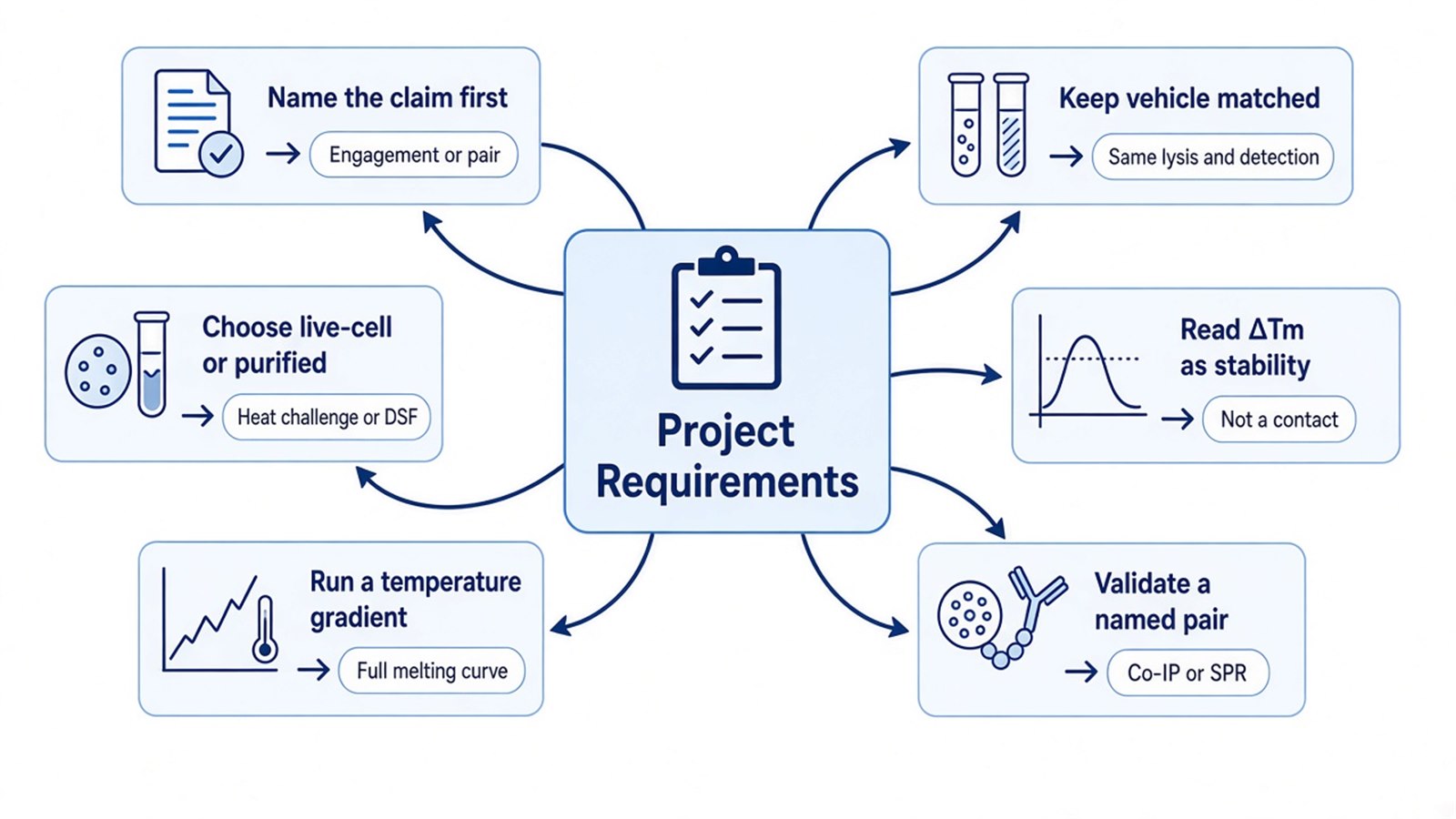
Figure 2. Matching Project Requirements With Thermal-Shift and Pair Stages.
Deliverables for a purified DSF project typically include melting curves, Tm values, and ligand-versus-buffer ΔTm. Deliverables for a pair project are scoped separately and may include reciprocal capture tables, pull-down retention, or fitted biosensor constants. Deliverables do not include a claim that a thermal shift proves two proteins bind, or that a proteome-wide hit list is an interactome. To start intake, send the intended claim, sample format, and reserved follow-up to info@MtoZ-Biolabs.com or use the site inquiry form so stability work and interaction work can be split before work starts.
Frequently Asked Questions
1. Does a heat-solubility shift of protein B after knockdown of protein A prove that A binds B?
No. Loss of A can change the stability of B through occupancy, complex collapse, or later abundance change. Prove the pair with Co-IP, pull-down, or SPR.
2. Can one heated tube replace a melting curve?
No. A single temperature reports remaining soluble protein at that point. Tm and ΔTm need a gradient that brackets the transition, plus a matched vehicle arm.
3. When should DSF be used instead of an intact-cell heat challenge?
Use DSF when the protein is purified and the question is in-vitro Tm or ligand ΔTm. Use an intact-cell heat challenge only when the question is cellular engagement and the compound must cross the membrane.
4. Can a proteome-wide off-target shift be entered as a new protein-protein interaction?
No. Enter it as a stability hit. Identify the protein, then decide whether the next experiment is engagement follow-up or a pair assay.
5. What should a feasibility email attach when the request is live-cell protein interaction thermal stability?
Attach the exact claim sentence, the cell or protein format, the compound or partner, and whether a heat curve or a pair assay is the reserved readout. Feasibility review will split thermal stability from interaction evidence.
Researchers can keep live-cell thermal stability and pair validation as separate evidence types, then confirm DSF, SPR, or capture plans through MtoZ Biolabs or .
Reference
-
M.M. Savitski, F.B.M. Reinhard, H. Franken, T. Werner, M.F. Savitski, D. Eberhard, D. Martinez Molina, R. Jafari, R.B. Dovega, S. Klaeger, et al. (2014). Tracking cancer drugs in living cells by thermal profiling of the proteome. Science, 346, 1255784. https://doi.org/10.1126/science.1255784
-
F.H. Niesen, H. Berglund, M. Vedadi (2007). The use of differential scanning fluorimetry to detect ligand interactions that stabilize proteins. Nat. Protoc., 2, 2212-2221.
