






How Mitochondrial Proteomics Services Support Research Projects
Mitochondrial proteins include soluble matrix enzymes, membrane complexes, transporters, and low-abundance regulatory components. Each class responds differently to organelle enrichment, protein extraction, enzymatic digestion, chromatographic separation, and LC-MS/MS acquisition. The resulting protein evidence therefore depends on the entire analytical sequence rather than the mass spectrometry measurement alone.
Mitochondrial proteomics connects sample preparation with protein identification, quantitative comparison, selected post-translational modification analysis, and biological interpretation. Defining the required evidence at the beginning of the study determines how the sample should be prepared, which acquisition and quantification strategy is appropriate, and how the final results should be interpreted.
Define the Analytical Scope
1. Protein Identification and Baseline Profiling
(1) Protein Evidence From Mitochondrial Samples
Protein identification begins with peptide ions detected and fragmented during LC-MS/MS analysis. Database searching matches experimental spectra to peptide sequences, after which peptide-level evidence is assembled into protein or protein-group identifications according to defined confidence criteria.
The resulting protein list describes the detectable composition of the analyzed preparation. It may support baseline profiling of mitochondrial-enriched material, assessment of proteins associated with particular mitochondrial processes, or comparison with expected organelle annotations. Identification depth is influenced by protein abundance, peptide properties, extraction efficiency, digestion performance, chromatographic resolution, acquisition settings, and data-processing thresholds.
Failure to identify a protein does not demonstrate biological absence. Hydrophobic membrane proteins, low-abundance regulators, short proteins, and proteins producing poorly detectable peptides may remain underrepresented even when present in the original sample.
(2) Detection Versus Mitochondrial Localization
Detection in a mitochondrial-enriched fraction does not independently establish exclusive mitochondrial localization. Cytosolic, nuclear, endoplasmic reticulum, lysosomal, and other sample-associated proteins may co-isolate during enrichment. Some proteins also associate with mitochondria transiently or under specific physiological conditions.
Localization interpretation should therefore consider the enrichment procedure, known subcellular annotations, marker-protein patterns, preparation consistency, and orthogonal evidence where necessary. Proteomics establishes that protein evidence was present in the analyzed material; it does not by itself prove permanent residence within the organelle.
2. Quantitative and PTM-Focused Questions
(1) Relative Protein Abundance Across Conditions
Quantitative mitochondrial protein analysis compares abundance patterns across predefined conditions such as treatments, biological models, genetic backgrounds, doses, or time points. The analysis may identify proteins whose measured abundance differs consistently among groups and determine whether those changes cluster within particular mitochondrial processes.
A quantitative difference may reflect altered protein expression, import, assembly, degradation, organelle abundance, or sample enrichment. Relative abundance data therefore require interpretation within the experimental model and preparation history. Biological replication, matched controls, balanced sample processing, and predefined comparisons are central to distinguishing reproducible biological patterns from technical variation.
(2) Selected PTM Analysis as a Defined Extension
Post-translational modification analysis addresses a modification-specific question rather than surveying every possible chemical change. The modification class, enrichment strategy, site-localization criteria, comparison design, and expected evidence should be defined before analysis.
PTM-focused results may include modified peptide identification, candidate modification sites, localization confidence, and relative changes in modification signals. These signals should not automatically be interpreted as changes in total protein abundance. Where possible, modification-level patterns should be considered together with corresponding protein-level measurements and followed by targeted experiments when site-specific function is central to the hypothesis.
Match the Sample to the Analysis
1. Starting Material
(1) Cells and Animal Tissues
Cells and animal tissues may serve as starting material when mitochondrial enrichment is incorporated before protein extraction and LC-MS/MS analysis. The suitability of the material depends on its condition, available quantity, mitochondrial abundance, biological composition, collection consistency, and storage history.
Animal tissues differ in cellular heterogeneity, connective tissue content, lipid composition, blood content, and mitochondrial density. These characteristics affect homogenization, organelle recovery, protein extraction, and analytical complexity. Sample collection and storage should remain consistent across comparison groups because preparation differences can introduce protein patterns unrelated to the biological variable.
(2) Isolated Mitochondria
Isolated mitochondrial material shortens the workflow before proteomic sample preparation, but its analytical value depends on the quality and consistency of the isolation procedure. Relevant information includes the original sample type, isolation method, buffer composition, protein amount and concentration, storage temperature, freeze-thaw history, and whether all samples were prepared under comparable conditions.
Detergents, salts, carrier proteins, inhibitors, and other buffer components may affect protein cleanup, digestion, labeling, chromatography, or electrospray ionization. Early documentation of these components supports selection of an appropriate preparation strategy and reduces avoidable sample loss.
2. Preparation Quality and Protein Accessibility
(1) Enrichment Consistency and Co-Isolated Proteins
Mitochondrial enrichment increases the analytical representation of organelle-associated proteins but does not create a completely isolated proteome. Co-isolated proteins may arise from physical contact between organelles, incomplete separation, cellular debris, or biological interactions with the mitochondrial surface.
The importance of co-enrichment depends on the study objective. Baseline profiling may remain informative in the presence of limited background, whereas localization studies or comparisons of subtle mitochondrial changes require stronger evidence that preparation quality is consistent across samples. Marker patterns and subcellular annotations can support technical assessment, but they should not be treated as independent proof of purity.
(2) Membrane Proteins and Low-Abundance Components
Mitochondrial membranes contain transporters, respiratory-chain components, assembly factors, and other hydrophobic proteins that may be difficult to solubilize and digest. Low-abundance regulatory proteins may also be obscured by more abundant peptides.
Protein accessibility is shaped by extraction chemistry, reduction and alkylation, digestion strategy, peptide cleanup, chromatographic separation, and acquisition depth. Coverage should therefore be interpreted as a property of the complete workflow. A platform specification or total protein count alone does not describe how effectively different mitochondrial protein classes were represented.
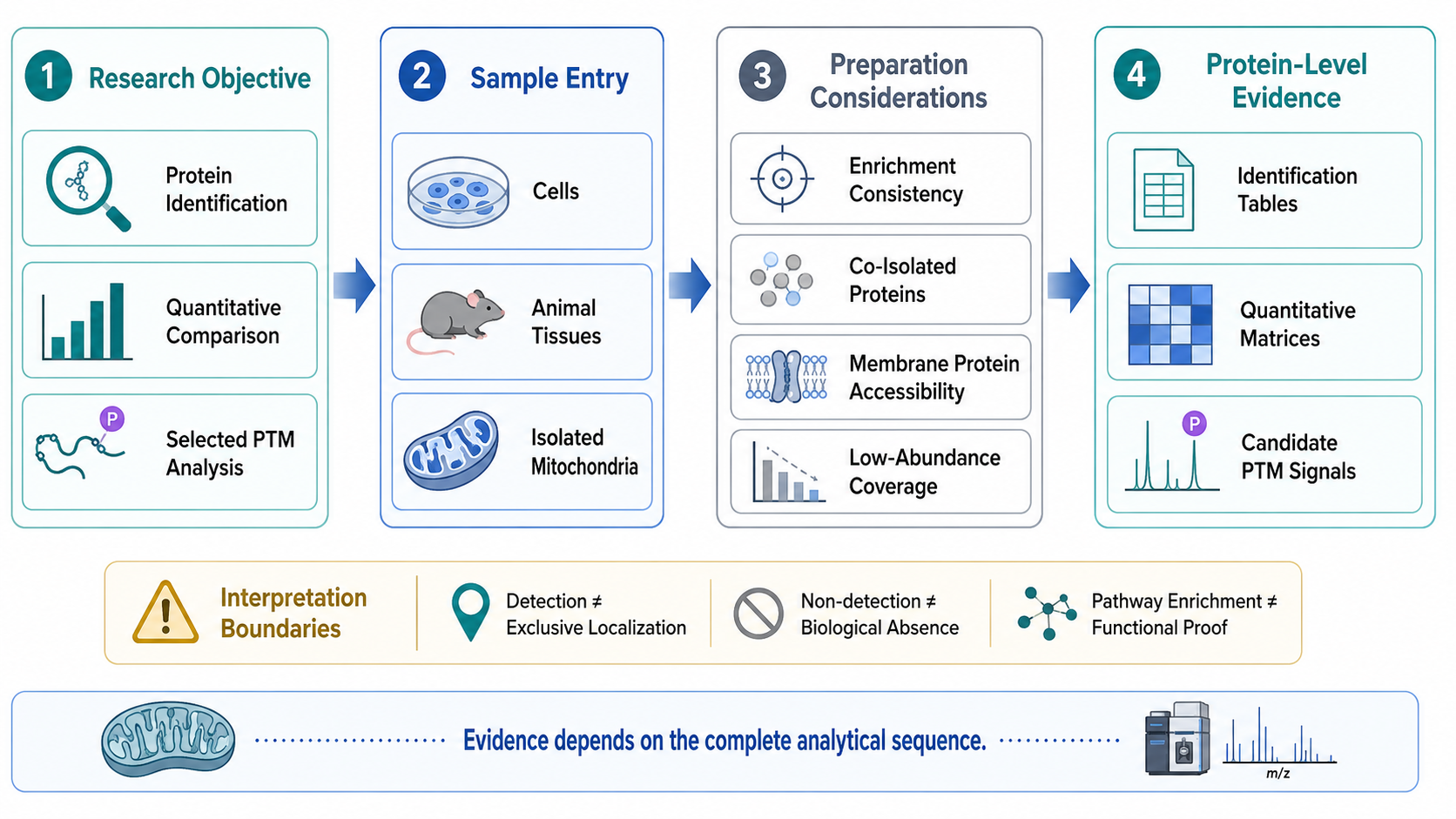
Figure 1. Research Objective and Sample-Dependent Proteomics Evidence
Build the LC-MS/MS Workflow
1. Data Acquisition Modes
(1) DDA for Identification-Driven Profiling
Data-dependent acquisition selects precursor ions for fragmentation according to signal intensity and method-defined criteria. The resulting spectra support peptide sequence assignment and protein identification. DDA is widely used for discovery profiling and may also support label-free or isobaric quantitative designs.
Precursor selection can vary among repeated runs, particularly in complex samples containing many co-eluting ions. Chromatographic separation, dynamic exclusion settings, ion sampling, acquisition speed, and sample complexity influence which peptides receive fragmentation spectra. Identification consistency should therefore be evaluated alongside the total number of reported proteins.
(2) DIA for Systematic Multi-Sample Measurement
Data-independent acquisition fragments ions across sequential precursor ranges rather than selecting only individual precursor peaks. This systematic sampling strategy supports repeated measurement of peptide signals across multiple samples and is often used when quantitative consistency is a primary objective.
DIA performance depends on chromatographic stability, precursor-window design, spectral complexity, identification thresholds, interference control, and the selected processing strategy. Quantitative quality should be assessed through signal consistency, missingness, replicate behavior, identification confidence, and quality-control trends rather than protein count alone.
2. Quantification and Quality Control
(1) Label-Free and Isobaric Quantification Designs
Label-free quantification measures peptide signals from samples analyzed in separate LC-MS/MS runs. It permits flexible sample numbers but places strong emphasis on preparation consistency, chromatographic stability, batch design, and normalization.
Isobaric labeling assigns chemically distinguishable reporter groups to peptides from different samples before combining them in a multiplexed analysis. This design can reduce some sources of between-run variation, but channel allocation, labeling efficiency, interference, ratio compression, reference design, and cross-batch normalization remain important.
Label-free and isobaric approaches describe quantification formats, whereas DDA and DIA describe acquisition modes. These dimensions should be evaluated separately when designing the analytical workflow.
(2) Quality Control Across the Analytical Sequence
Technical quality begins before LC-MS/MS acquisition. Consistent enrichment, protein extraction, digestion, peptide recovery, and sample loading influence the comparability of downstream measurements. Chromatographic retention, signal intensity, identification confidence, quantitative distributions, missing values, and replicate correlations provide additional evidence during data review.
No single quality-control metric is sufficient for every study. The relevant criteria depend on whether the main objective is identification depth, multi-sample quantification, selected PTM analysis, or comparison of subtle biological effects. Quality assessment should remain aligned with the intended evidence and statistical design.
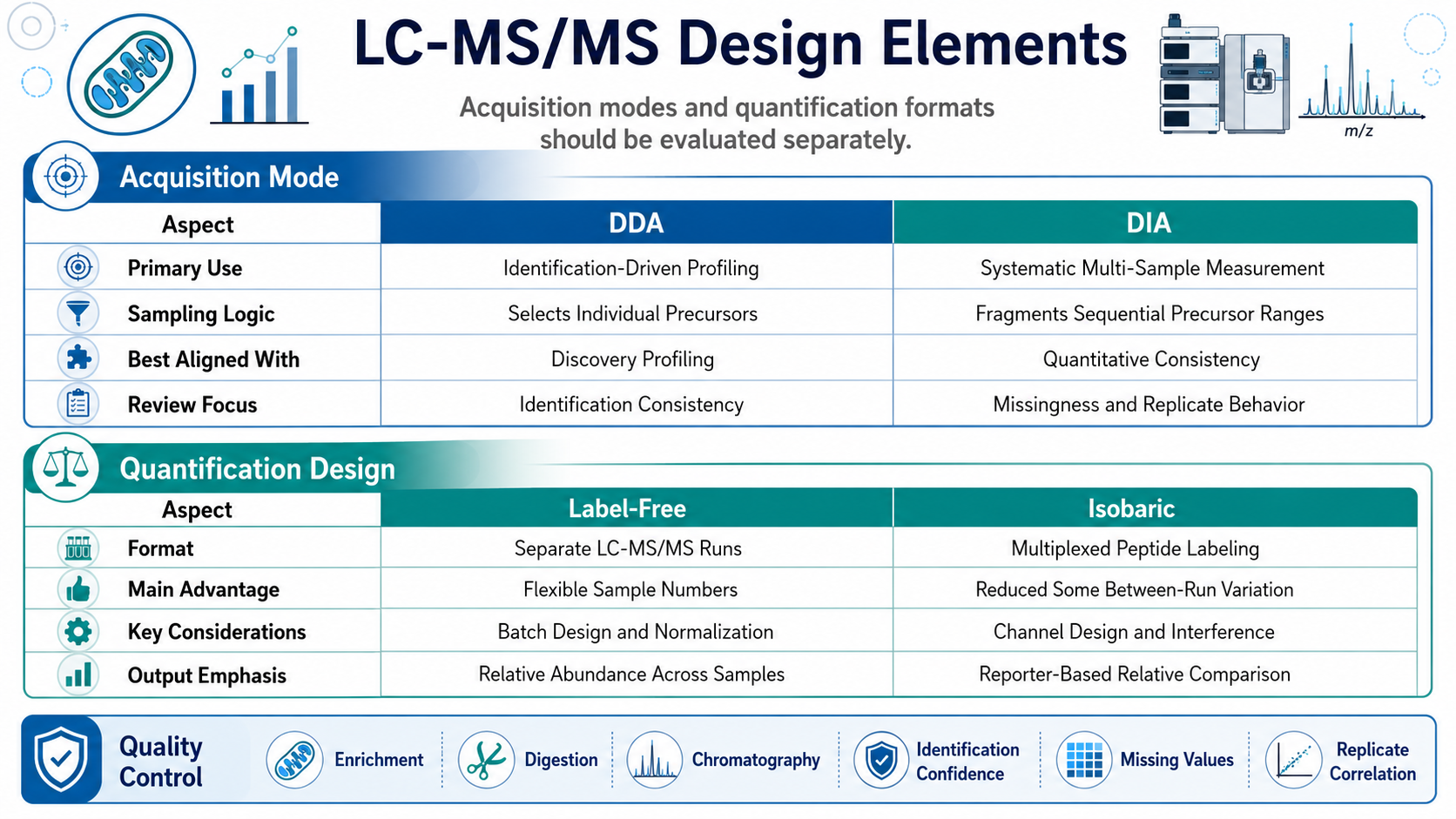
Figure 2. LC-MS/MS Acquisition and Quantification Design Considerations
Translate Data Into Research Evidence
1. Analysis Outputs
(1) Identification Tables and Quantitative Matrices
Protein identification tables summarize the proteins or protein groups supported by the analytical evidence. Peptide sequences, unique peptide information, confidence measures, and protein-group assignments assist with interpretation and result traceability.
Quantitative matrices organize abundance values across samples and form the basis for group comparisons. Missing values, shared peptides, normalization, protein grouping, and any imputation strategy may affect the matrix and subsequent statistics. Identification and quantification should therefore be treated as connected but distinct outputs.
(2) Differential Analysis and Functional Annotation
Differential analysis prioritizes proteins according to the planned statistical comparisons. Fold changes, variance, replicate consistency, multiple-testing adjustment, and missing-data behavior should be considered together rather than relying on one threshold.
Functional annotation connects identified or differential proteins with biological processes, pathways, complexes, and subcellular information. Enrichment analysis evaluates whether particular annotations occur more frequently in a selected protein set than expected under the analysis model. These results organize candidate patterns but do not directly measure pathway activity.
2. Interpretation and Reporting
(1) Candidate Pathways Versus Functional Conclusions
Changes in mitochondrial protein abundance may suggest altered energy metabolism, transport, redox regulation, protein homeostasis, or organelle remodeling. Such patterns represent comparative molecular evidence and support the development of testable hypotheses.
Protein abundance does not directly measure respiration, ATP generation, membrane potential, reactive oxygen species, calcium handling, mitochondrial morphology, or mitophagy flux. Differential proteins and enriched pathways also do not independently establish causality. Functional and mechanistic conclusions require complementary experiments selected for the specific hypothesis.
(2) Data Files, QC Summaries, and Method Documentation
Interpretation and reuse depend on access to both analytical results and the information needed to evaluate them. Relevant outputs may include protein and peptide tables, quantitative matrices, statistical comparisons, functional annotations, figures, raw and processed data files, and quality-control summaries.
Method documentation should describe sample preparation, acquisition strategy, identification criteria, quantitative processing, normalization, statistical analysis, and annotation procedures. These records support result review, later reanalysis, and comparison with complementary experiments.
The analytical value of mitochondrial proteomics depends on alignment among the research objective, sample condition, preparation strategy, acquisition mode, quantification design, and expected evidence. MtoZ Biolabs supports mitochondrial protein identification, quantitative comparison, and selected PTM analysis from cells, animal tissues, or isolated mitochondrial material using high-resolution LC-MS/MS; project evaluation can consider sample status, study design, analytical goals, and intended protein-level outputs. Submit your inquiry below for project evaluation.
MtoZ Biolabs, an integrated chromatography and mass spectrometry (MS) services provider.
Related Services
How to order?




