






Disulfidomics Analysis Service
MtoZ Biolabs provides Disulfidomics Analysis Service to systematically characterize disulfide bond formation and rearrangement at the proteome-wide level. This high-throughput service enables comprehensive identification, quantification, and mapping of disulfide linkages across complex biological systems, uncovering their critical roles in protein folding, stability, and redox regulation. By integrating advanced LC-MS/MS technologies with optimized redox-preserving workflows, MtoZ Biolabs delivers reproducible, large-scale insights for structural proteomics and redox biology research.
Overview
Disulfidomics is the global study of disulfide bond formation and dynamics across the proteome. Disulfide bonds are essential structural features that maintain protein conformation, stabilize extracellular and secretory proteins, and regulate redox-sensitive signaling pathways. Alterations in disulfide connectivity are closely associated with oxidative stress, protein misfolding, and disease-related conformational changes.
Unlike targeted disulfide mapping that focuses on individual proteins, disulfidomics offers a comprehensive, systems-level perspective. This approach enables large-scale evaluation of inter- and intra-molecular disulfide linkages, providing valuable insights into oxidative folding mechanisms, redox homeostasis, and disease-associated disulfide rearrangements observed in cancer, neurodegeneration, and inflammatory disorders.
Disulfidomics Analysis Service at MtoZ Biolabs
MtoZ Biolabs integrates optimized sample processing, selective thiol blocking, and advanced MS data analysis to achieve precise disulfide bond identification and quantification across thousands of proteins within a single experiment.
Workflow Overview
1. Protein Extraction and Purification
Proteins are extracted from tissues, cells, or biofluids and purified to remove interfering components.
2. Parallel Sample Processing
Each sample is split into non-reducing and reducing aliquots to distinguish native disulfide bonds from reduced cysteine residues.
3. Alkylation and Digestion
Free thiols are alkylated to prevent oxidation, followed by enzymatic digestion to generate peptides suitable for LC-MS/MS detection.
4. NanoLC-MS/MS Analysis
Both sample sets are analyzed using high-resolution Orbitrap-based LC-MS/MS systems for comprehensive disulfide-linked peptide profiling.
5. Comparative Data Analysis
Chromatographic and spectral data are compared between reduced and non-reduced samples to identify and quantify disulfide linkages.
6. Bioinformatics Interpretation
Identified disulfide bonds are mapped to protein structures and analyzed using pathway and network bioinformatics tools for functional interpretation.
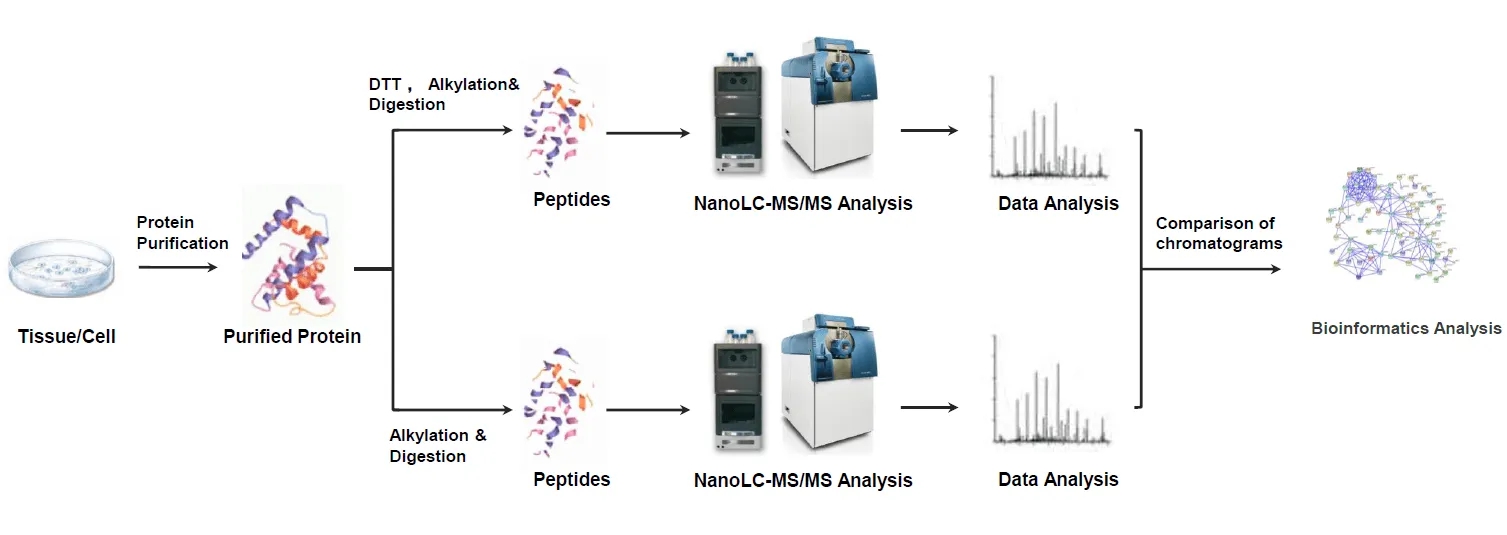
Figure 1. Workflow for Disulfidomics Analysis
Why Choose MtoZ Biolabs?
✅ Advanced Analysis Platform
Utilizes high-resolution Orbitrap LC-MS/MS systems for accurate, sensitive, and reproducible detection of disulfide connectivity.
✅ High-Throughput Detection Capacity
Detects disulfide-linked peptides across thousands of proteins within a single LC-MS/MS run.
✅ Comprehensive Disulfide Profiling
Extensive mapping of intra- and inter-chain disulfide bonds across complex proteomes, delivering detailed structural and functional information.
✅ Expert Bioinformatics Support
In-depth data processing, peptide mapping, and pathway-level interpretation by experienced scientists.
✅ Extensive Sample Coverage
Applicable to diverse biological materials including tissues, serum, plasma, cultured cells, recombinant proteins, and microbial samples.
✅ One-Time-Charge
Our pricing is transparent, no hidden fees or additional costs.
Applications of Disulfidomics Analysis Service
1. Redox Biology Research: Characterize oxidative folding and disulfide exchange mechanisms in cellular redox systems.
2. Disease Mechanism Studies: Identify disulfide bond alterations linked to cancer, neurodegeneration, and inflammation.
3. Biopharmaceutical Characterization: Evaluate disulfide integrity and folding in recombinant and therapeutic proteins.
4. Structural Proteomics: Analyze conformational stability and folding intermediates under stress conditions.
5. Comparative Redox Profiling: Compare disulfide bonding patterns between disease and control samples to identify biomarkers of oxidative imbalance.
Start Your Project with MtoZ Biolabs
MtoZ Biolabs delivers high-resolution disulfidomics solutions for comprehensive analysis of redox-regulated protein structures.
Contact us today to discuss your project or request a customized proposal. Our experts will design a tailored workflow to meet your research objectives.
FAQ
Q1: What types of samples are suitable?
MtoZ Biolabs accepts purified proteins, cultured cells, animal or plant tissues, and biofluids such as blood, serum, or urine.
Q2: What is the service general workflow?
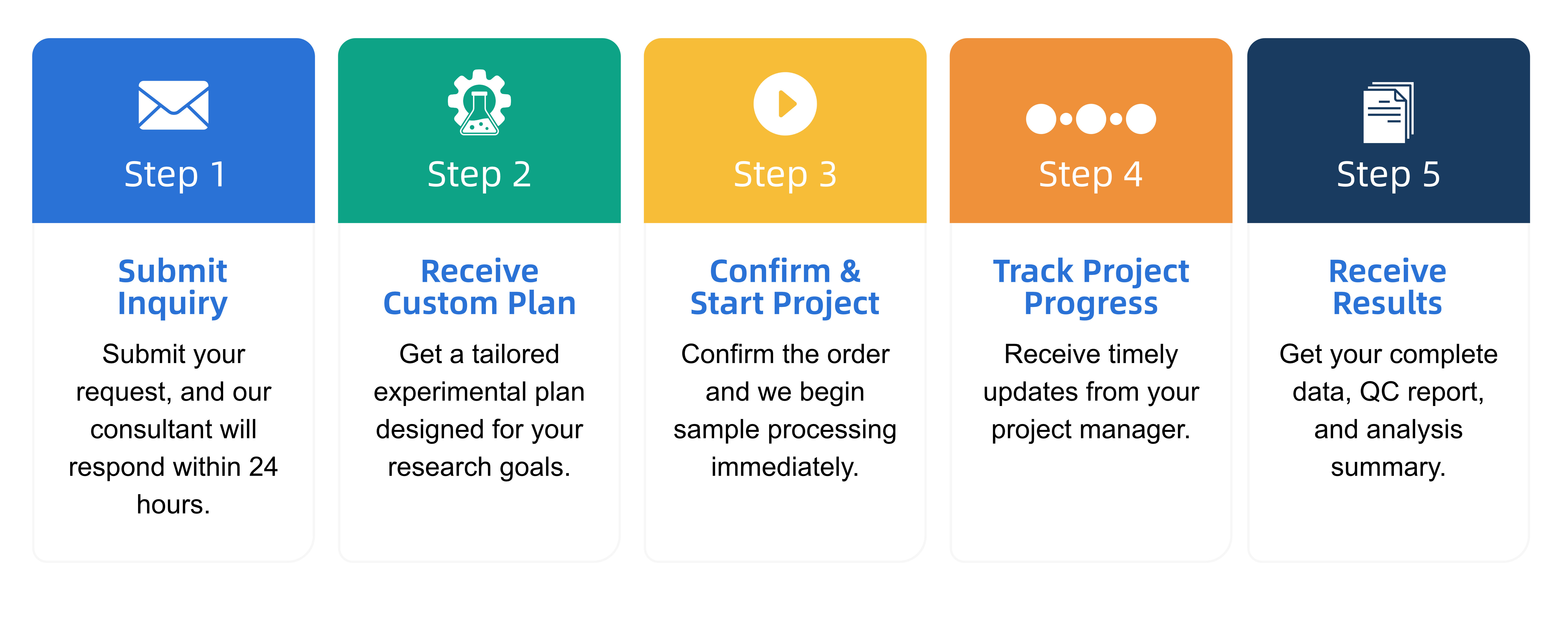
Q3: What data formats are provided?
· Raw LC-MS/MS files
· Processed peptide and protein identification tables
· Quantitative reports on disulfide-linked peptides
· Annotated disulfide mapping diagrams and bioinformatics summaries
All data are provided in standard formats (Excel, PDF, and instrument raw files) suitable for publication and further bioinformatics analysis.
Q4: How should I prepare my samples?
· Avoid exposure to reducing agents (e.g., DTT, β-mercaptoethanol) before submission.
· Maintain samples in neutral pH buffer without detergents or salts.
· Freeze immediately after preparation and store at −80°C.
· Provide detailed sample origin and treatment information for accurate analysis.
For more information, please refer to Sample Submission Guidelines for Proteomics. If you are unsure about sample preparation, our team is available for consultation and can guide you through the process to ensure optimal results.
Related Services
How to order?




