ChIRP-Seq Service
MtoZ Biolabs provides ChIRP-Seq Service to map genomic regions associated with target RNAs and investigate RNA-chromatin interactions, particularly those involving lncRNAs.
Biotinylated probe capture, next-generation sequencing, and genomic analysis identify candidate RNA-associated DNA regions, with optional ChIRP-qPCR validation and ChIRP-MS protein identification.
- Probe-Based Target Enrichment
- Genome-Wide Mapping of RNA-Associated Regions
- RNA Interaction Analysis
What Is ChIRP-Seq?
Chromatin Isolation by RNA Purification sequencing (ChIRP-seq) is a high-throughput sequencing technique used to map genomic regions associated with a specific RNA. It uses biotinylated antisense DNA probes to capture the target RNA and its associated chromatin complexes, followed by DNA isolation and high-throughput sequencing to identify candidate genomic regions enriched for the target RNA.
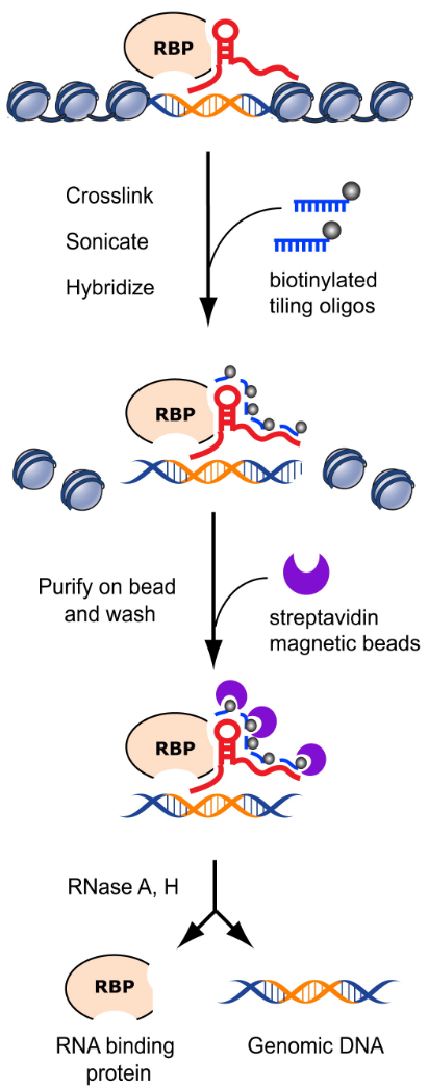
Chu, C. et al. Mol Cell. 2011.
Figure 1. Principle of ChIRP
ChIRP-seq is particularly useful for studying interactions between long noncoding RNAs (lncRNAs) and chromatin. It helps researchers identify potential RNA-associated genomic regions and investigate their relationships with transcriptional regulation, chromatin organization, and epigenetic regulation, providing insights into the potential regulatory roles of RNA and supporting the identification of candidate target regions.
Service at MtoZ Biolabs
MtoZ Biolabs provides ChIRP-Seq service to investigate RNA-associated genomic regions and molecular interaction partners. The analytical strategy is tailored to the target RNA, research objectives, and required data outputs.
|
Service |
Analysis Focus |
Research Applications |
|
ChIRP-Seq |
Genome-wide mapping of DNA regions associated with the target RNA |
Identify candidate RNA-associated genomic loci and investigate RNA-mediated chromatin regulation |
|
ChIRP-qPCR |
Targeted quantification of selected genomic regions or relevant targets, depending on the experimental design |
Validate candidate regions identified through genome-wide screening |
|
ChIRP-MS |
Mass spectrometry-based identification of candidate proteins captured with the target RNA |
Identify candidate RNA-associated proteins and investigate RNA-protein interaction networks |
|
ChIRP-Western Blot |
Detection of selected candidate proteins in RNA-associated complexes |
Validate candidate RNA-protein associations |
Analysis Workflow
1. Target Assessment and Probe Design
Review the target RNA sequence, transcript information, organism, sample type, and research objectives. Design biotinylated antisense probes and appropriate control probe sets.
2. Sample Preparation and Crosslinking
Prepare cell or tissue samples using an appropriate protocol. Perform crosslinking when required to preserve RNA-associated chromatin complexes.
3. Probe Hybridization
Hybridize the biotinylated probes with the target RNA under appropriate experimental conditions.
4. Affinity Capture and Washing
Use streptavidin-coated magnetic beads to capture the target RNA-centered molecular complexes. Apply appropriate washing conditions to reduce nonspecific background.
5. DNA and Protein Recovery
Separate and recover the relevant molecular fractions according to the planned analysis. Purify DNA for sequencing and retain protein fractions for optional downstream analysis when required.
6. Library Preparation and Sequencing
Construct sequencing libraries from the recovered DNA, assess library quality, and perform NGS.
7. Bioinformatics Analysis
Perform sequencing quality control, reference genome alignment, peak calling, genomic annotation, and result visualization.
8. Result Interpretation and Reporting
Summarize the genomic regions associated with the target RNA and provide the corresponding result files. Depending on the project scope, qPCR, mass spectrometry, or Western blot validation can also be incorporated.
Service Advantages
1. Probe-Based Target Enrichment
Use sequence-specific antisense probes to enrich the target RNA and its associated molecular complexes. Probe design and control selection are tailored to the characteristics of the target RNA.
2. Integrated Molecular Interaction Analysis
Combine genomic mapping with mass spectrometry or targeted protein validation to investigate RNA-associated molecular complexes from complementary perspectives.
3. Comprehensive Bioinformatics Support
Integrate sequencing quality control, genome alignment, peak calling, annotation, and visualization to support the interpretation of RNA-associated genomic regions.
4. One-Time Charge
Our pricing is transparent, with no hidden fees or additional costs.
Applications
1. RNA-Mediated Chromatin Regulation
Map RNA-associated genomic regions to investigate the potential roles of RNA in transcriptional regulation and chromatin organization.
2. lncRNA Functional Studies
Identify candidate genomic targets of lncRNAs with incompletely characterized functions to guide downstream research.
3. Condition-Dependent RNA Interaction Analysis
Compare RNA-associated genomic profiles across different treatments, developmental stages, or genetic backgrounds.
4. RNA-Protein Interaction Network Analysis
Combine ChIRP-Seq with ChIRP-MS to investigate RNA genomic localization and identify candidate protein interaction partners.
5. Integrated Gene Regulation Studies
Combine ChIRP-Seq with RNA-Seq or ChIP-Seq to explore relationships among RNA localization, chromatin features, and gene expression.
Sample Submission Suggestions
|
Item |
Sample Requirements |
|
Sample Types |
Animal cell lines, animal tissues, and plant tissues |
|
Recommended Sample Quantity |
Animal cells: (1×10^8) cells per sample; animal tissues: ≥500 mg per sample; plant tissues: ≥5 g per sample |
|
Backup Samples |
Prepare one additional tube for each cell sample |
|
Cell Sample Preservation |
Treat cells with cell freezing medium and freeze them using a controlled-rate freezing procedure |
|
Samples Not Accepted |
Cell samples with low viability upon receipt cannot be accepted |
Deliverables
1. Raw Data Files
Raw sequencing or mass spectrometry files, depending on the selected analysis workflow.
2. Peak Calling and Annotation
Peak calling results, genomic coordinates, and relevant annotations to support target region identification and downstream research.
3. PDF Analysis Report
A consolidated report summarizing quality control, peak calling and annotation, or mass spectrometry analysis results, as applicable, along with the main findings.
FAQs
Q1: What information is required for ChIRP-Seq probe design?
Provide the target RNA name, sequence or transcript ID, organism, and available expression information. These details help assess probe specificity, target suitability, and experimental design.
Q2: Can ChIRP-Seq identify proteins associated with the target RNA?
ChIRP-Seq primarily identifies genomic regions associated with the target RNA through sequencing. ChIRP-MS can be used to identify candidate proteins captured with the target RNA complex, while ChIRP-Western blot can be used to validate selected candidate proteins.
Q3: Can ChIRP-Seq prove that the target RNA directly binds DNA or regulates a specific gene?
ChIRP-Seq alone cannot establish direct RNA-DNA contact or prove that the target RNA regulates a specific gene. It identifies genomic regions enriched with the target RNA-associated complex. Additional experiments are required to establish direct molecular interactions and determine the functional role of the target RNA.
Contact Us
Planning a ChIRP-seq project? Share your target RNA, organism, sample type, available sample quantity, and research objectives with MtoZ Biolabs. Our team can assess probe design feasibility and discuss an appropriate experimental strategy for mapping RNA-associated genomic regions or investigating RNA-associated protein interaction partners.
MtoZ Biolabs, an integrated chromatography and mass spectrometry (MS) services provider.
Related Services
Demo for ChIRP-MS
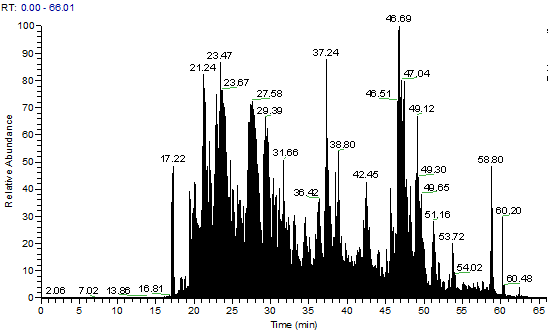
Total Ion Chromatogram
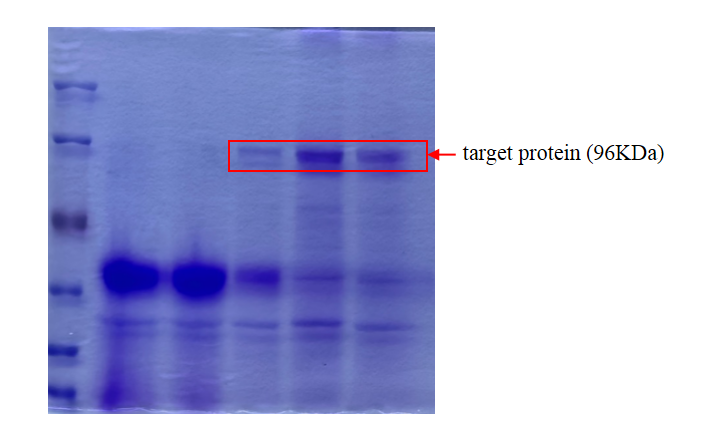
SDS-PAGE Analysis of Enriched Proteins
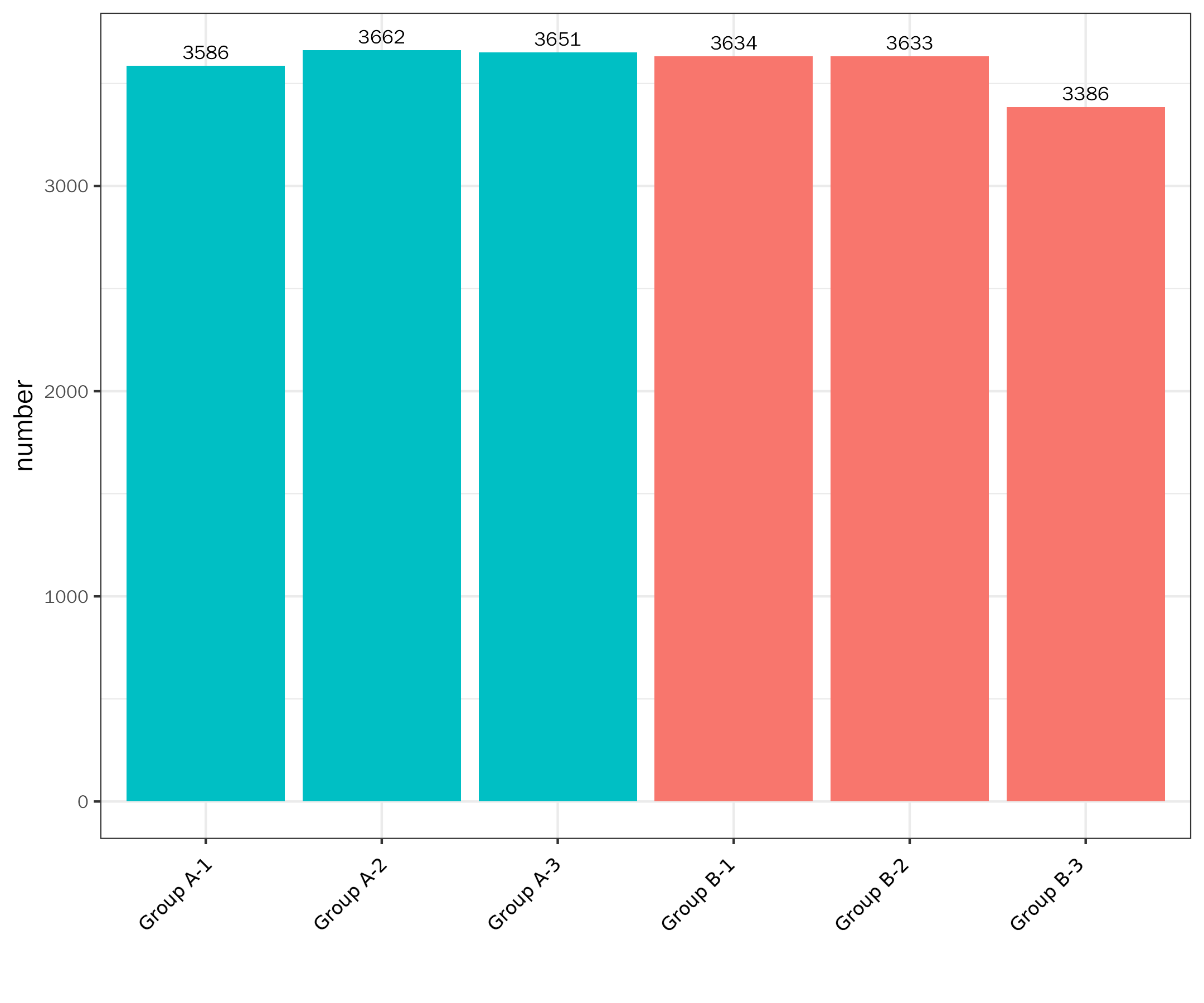
Protein Identification Counts
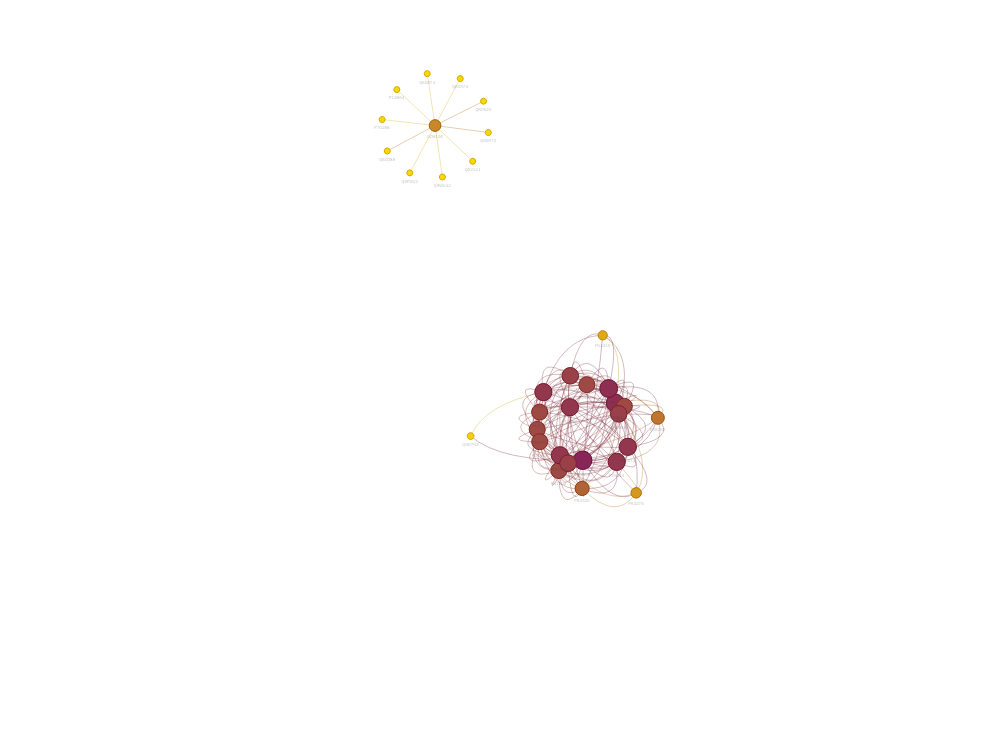
PPI Network Analysis