






Advances in LC-MS/MS for Serum, Plasma, and CSF Proteomics
Serum and plasma contain proteins across an exceptionally broad concentration range, whereas CSF typically has a lower total protein concentration, often limited available volume, and high sensitivity to blood contamination. These matrix properties determine whether higher scan speed, improved ion utilization, or more advanced data processing produces a meaningful gain in measurable proteome information.
Recent LC-MS/MS advances are therefore most informative when evaluated against the analytical bottleneck they address. Faster high-resolution acquisition expands throughput, narrower data-independent acquisition (DIA) windows and ion mobility improve selectivity, and prediction-assisted computation can help interpret a larger proportion of the measured fragment-ion data. None of these developments removes the need for matrix-aware preparation, balanced study design, and evidence-appropriate interpretation.
Matrix Constraints on Technical Gains
1. Serum and Plasma Dynamic Range
(1) Abundant Proteins Remain a Sampling Bottleneck
A limited group of abundant serum and plasma proteins contributes a large fraction of the peptide signal entering the mass spectrometer. Their peptides compete with lower-abundance species during chromatographic elution, ionization, precursor isolation, and fragmentation. Increased instrument speed improves sampling density, but it does not fully resolve ion suppression or interference when chemically similar peptides coelute.
(2) Depletion and Fractionation Introduce New Trade-Offs
High-abundance protein depletion or peptide fractionation may expose signals that are difficult to observe in an undepleted sample. The added steps can also cause sample loss, co-remove carrier-associated proteins, and introduce batch variation. Greater analytical depth is therefore not equivalent to lower uncertainty; the value of additional preparation depends on input, cohort size, and the intended comparison.
2. CSF Input and Contamination
(1) Low Input Increases the Cost of Preparation Loss
Protein adsorption, incomplete transfer, and inefficient digestion become proportionally more important when CSF input is limited. Improvements in sensitivity and ion utilization reduce the amount of peptide required for useful acquisition, but they cannot recover molecules lost before injection. Low-loss preparation and consistent handling remain part of the effective sensitivity of the complete workflow.
(2) Blood-Derived Signals Require Matrix-Aware Quality Control
Even limited blood contamination can change the apparent CSF proteome because many circulating proteins are substantially more abundant in blood than in native CSF. Higher proteome coverage may reveal more contamination-associated signals rather than more central nervous system-specific information. Hemoglobin-related evidence, collection records, and sample-level intensity patterns should be considered before biological comparison.
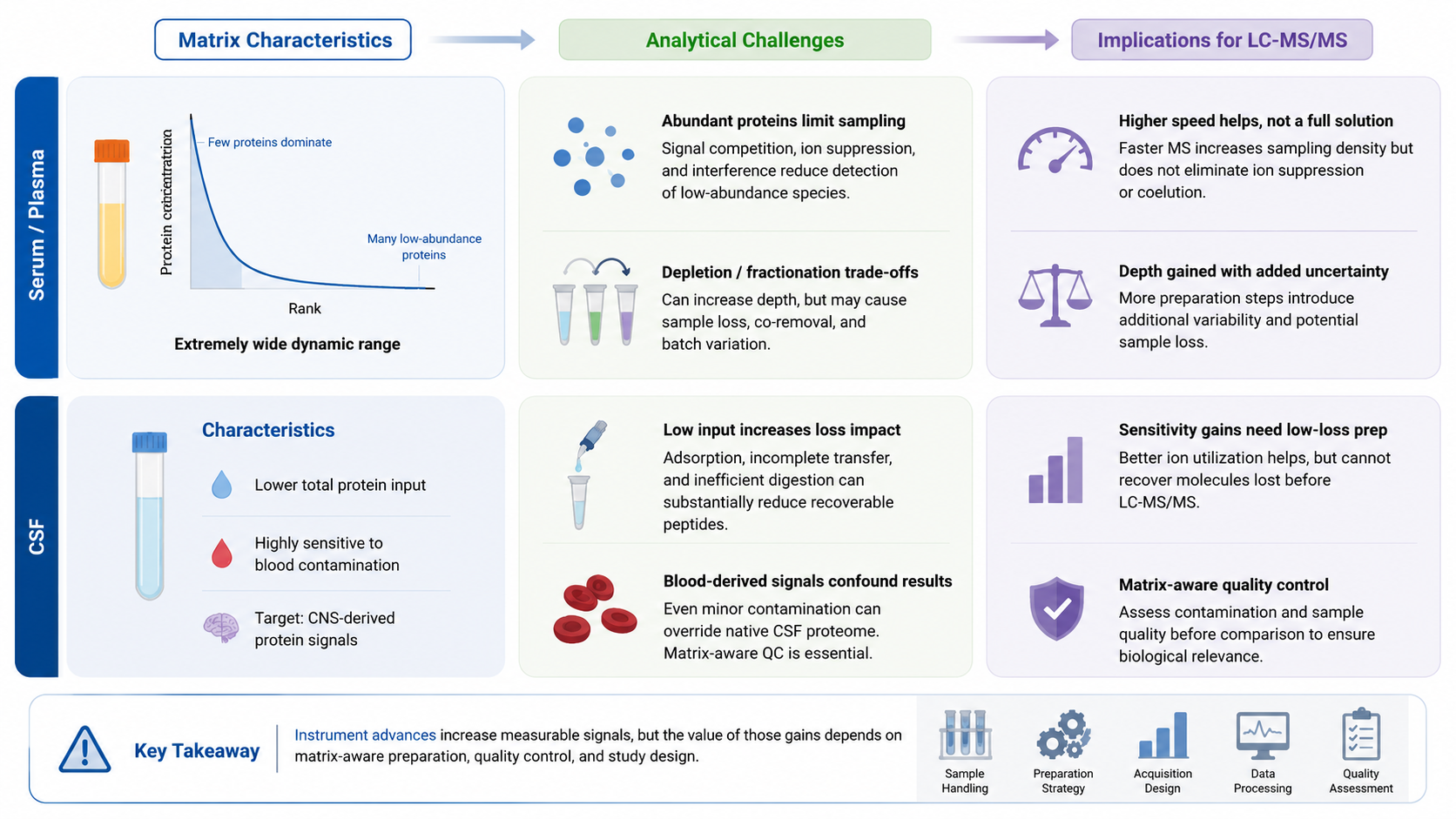
Figure 1. Biofluid Matrix Constraints in Proteomics Analysis
Advances in Signal Acquisition
1. Faster High-Resolution MS/MS
(1) Parallel Ion Handling Supports Shorter Analyses
New high-speed analyzer designs and parallel ion-processing strategies increase the number of MS/MS spectra collected per unit time. This development supports shorter liquid chromatography gradients and higher sample throughput while preserving dense peptide sampling. The practical benefit is strongest when chromatography, sample loading, and acquisition timing are jointly optimized rather than shortened independently.
(2) Speed and Ion Statistics Remain Interdependent
Faster scanning does not create additional ions from weak precursors. Shorter accumulation periods may reduce fragment-ion statistics, particularly for low-abundance peptides in complex biofluids. Acquisition methods need to balance scan rate, resolution, isolation width, and ion accumulation so that greater throughput does not produce less stable quantification at the lower end of the signal range.
2. Greater Selectivity in DIA
(1) Narrower Windows Reduce Composite Fragment Spectra
DIA systematically fragments precursor ranges rather than selecting only the most intense ions. Narrower isolation windows reduce the number of co-isolated precursors contributing to each fragment spectrum, which can improve interference control and peptide-resolved quantification. The number of windows, chromatographic peak width, and scan cycle time need to remain compatible to preserve sufficient sampling across each peak.
(2) Ion Mobility Adds an Orthogonal Separation Dimension
Trapped ion mobility and related approaches separate ions according to gas-phase mobility in addition to retention time and mass-to-charge ratio. Mobility-aware DIA, including diaPASEF-type acquisition, can reduce interference among coeluting precursors and improve the use of low-abundance signals. The additional dimension also requires mobility-aware calibration, feature detection, and computational alignment.
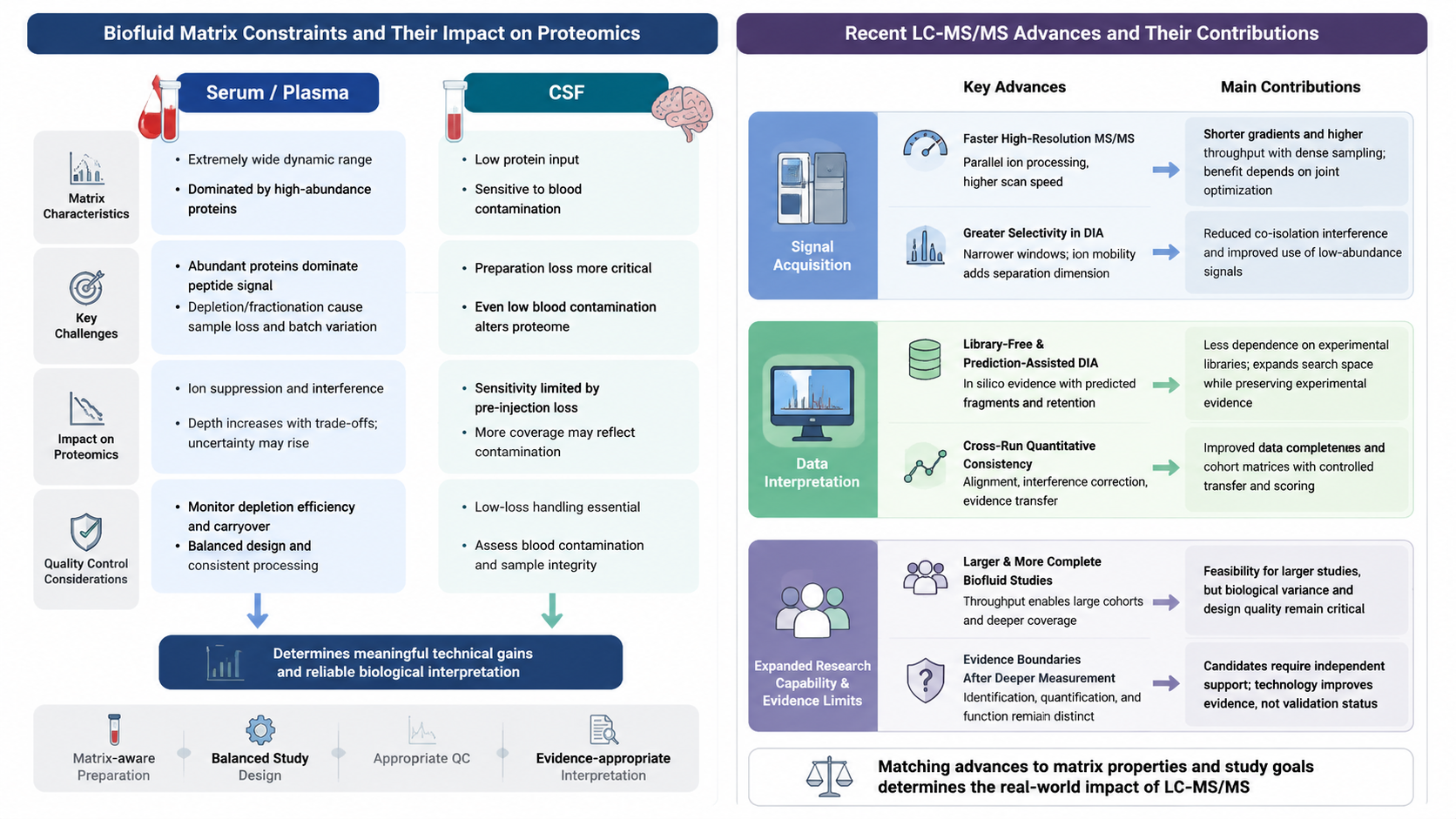
Figure 2. LC-MS/MS Advances and Analytical Impact
Advances in Data Interpretation
1. Library-Free and Prediction-Assisted DIA
(1) In Silico Evidence Reduces Dependence on Experimental Libraries
Library-free DIA analysis does not require a separately generated experimental spectral library. Depending on the software strategy, peptide evidence may be evaluated directly from DIA data or with support from predicted fragment-ion patterns, retention times, or ion-mobility values. Prediction can extend the available reference information, but peptide identification still depends on measured signals and controlled statistical scoring.
(2) Error Control Remains Central to Expanded Identification
More candidate peptides increase the burden on false-discovery-rate control, interference assessment, and protein inference. Different software pipelines may summarize precursor, peptide, and protein evidence differently, so higher reported protein counts are not automatically comparable across tools. Additional identifications are useful only when the scoring model, decoy strategy, quantitative filters, and evidence aggregation remain appropriate for the dataset.
2. Cross-Run Quantitative Consistency
(1) Alignment and Interference Correction Improve Data Completeness
Retention-time alignment, fragment-level interference correction, and transfer of evidence across related runs can reduce missing quantitative values. These methods improve cohort matrices when chromatographic behavior and signal structure are sufficiently consistent. Aggressive transfer can also propagate uncertain assignments, so transferred evidence requires controlled scoring and should remain distinguishable from directly observed fragmentation evidence.
(2) Quality Controls Separate Drift From Biological Variation
Pooled matrix controls, internal peptide standards, balanced injection order, and repeated performance checks make longitudinal drift and batch effects easier to detect. Normalization may reduce systematic intensity differences, but it cannot repair complete confounding between biological groups and acquisition batches. Reproducibility gains depend on experimental design as well as software correction.
Expanded Research Capability and Evidence Limits
1. Larger and More Complete Biofluid Studies
(1) Throughput Supports Larger Cohorts
Shorter gradients and faster DIA acquisition reduce instrument time per sample, making larger serum, plasma, and CSF cohorts more practical. Improved data completeness increases the number of proteins available for the same statistical comparison across many samples. Cohort size alone does not determine analytical value; phenotype definition, group balance, covariates, and sample quality remain essential.
(2) Technical Advances Change Feasibility, Not Biological Variance
Greater sensitivity may permit analysis of lower-input material, while improved selectivity can extend candidate coverage in complex matrices. These gains change which experiments are technically feasible, but they do not reduce biological heterogeneity within a study population. Replication and statistical design still need to reflect the expected effect size and sources of biological variation.
2. Evidence Boundaries After Deeper Measurement
(1) Identification and Quantification Answer Different Questions
Protein identification establishes evidence that peptide sequences consistent with a protein were detected under the selected workflow. Relative quantification evaluates abundance differences within a defined comparison. Neither result alone establishes tissue origin, causal involvement, or clinical utility, particularly in circulating biofluids where proteins may originate from multiple organs and cell types.
(2) Candidate Findings Still Require Independent Support
Differential proteins, modification sites, and enriched pathways remain discovery or prioritization results. Repeated observation in an independent sample set, targeted measurement, orthogonal assays, or functional experiments may be required depending on the intended conclusion. Advances in LC-MS/MS increase the range and consistency of observable evidence, not the validation status of the resulting candidates.
The practical value of recent LC-MS/MS advances depends on matching acquisition speed, selectivity, data processing, and quality control to the properties of serum, plasma, or CSF and to the intended evidence level. MtoZ Biolabs supports project-specific proteomics analysis using the Orbitrap Exploris 480 for high-resolution LC-MS/MS acquisition, the timsTOF Pro with ion-mobility capability for selected projects, and the Orbitrap Astral for high-performance acquisition in selected workflows. This platform range allows the acquisition strategy to be aligned with sample complexity, available input, study scale, quantitative design, and expected analytical output. Submit your inquiry below for project evaluation.
MtoZ Biolabs, an integrated chromatography and mass spectrometry (MS) services provider.
Related Services
How to order?




