






Resources
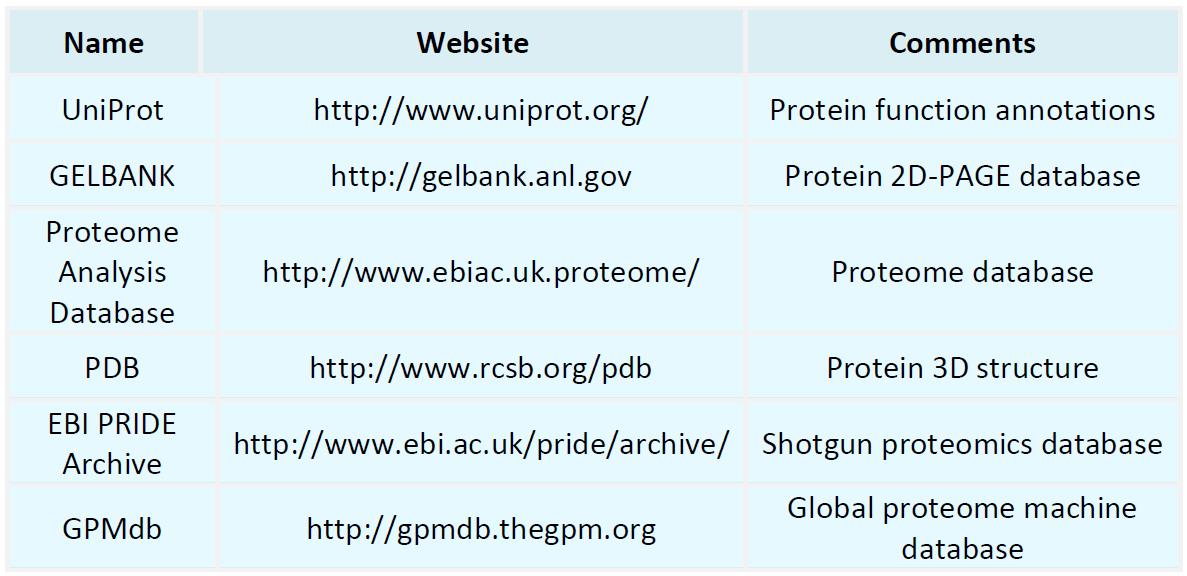
Proteomics Databases
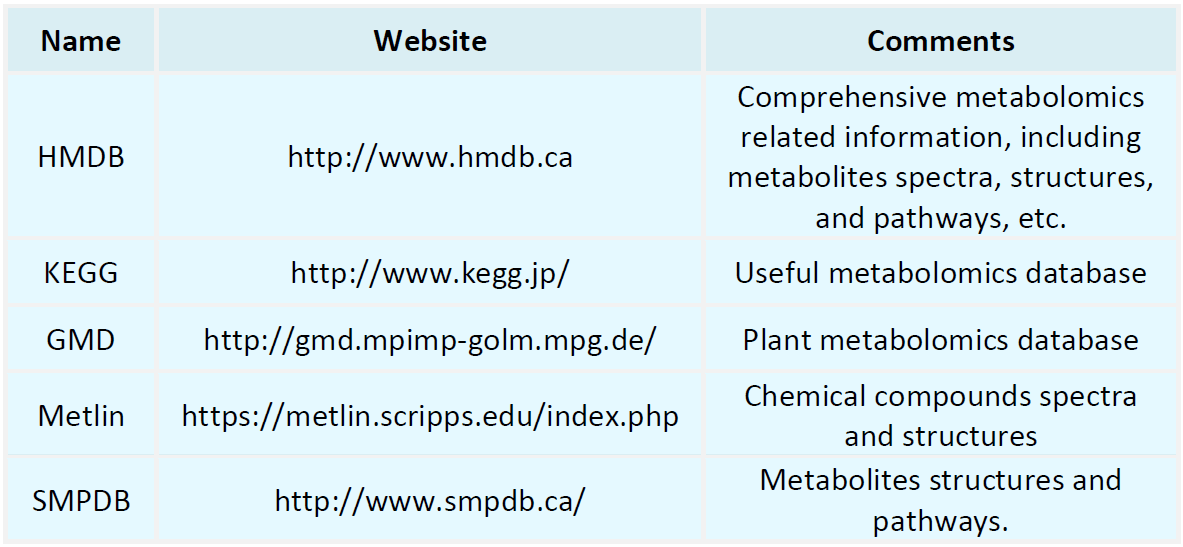
Metabolomics Databases
-
• MS/MS-Based Detection Procedure of De Novo Peptide Sequencing
Mass spectrometry (MS) technology is pivotal in proteomics research, particularly for peptide sequencing. MS/MS (Tandem Mass Spectrometry) serves as the primary tool for De Novo peptide sequencing due to its high sensitivity and resolution. De Novo sequencing derives peptide sequences directly from mass spectrometry data without relying on reference databases, making it an essential method for protein identification.
-
• Sequence Verification in De Novo Antibody Sequencing
Antibodies play a crucial role in biomedical research and therapy due to their specificity and affinity, making them ideal tools for diagnosing and treating various diseases. Accurate determination of their amino acid sequences is essential for further understanding and utilization. De Novo antibody sequencing, a technique independent of reference sequences, is gaining importance in antibody research.
-
• Procedure of De Novo Antibody Sequencing Based on Orbitrap Fusion Lumos
Antibodies are crucial components of the immune system and play vital roles in modern biomedical research and applications. Antibody sequencing is essential for revealing the amino acid sequence of antibodies, providing critical information for vaccine development, disease diagnosis, and treatment. Recently, the de novo antibody sequencing method using the Orbitrap Fusion Lumos mass spectrometer has demonstrated significant advantages in antibody sequence analysis.
-
• Analysis of Accurate Mass Determination Using MS
Mass spectrometry (MS) is a highly sensitive and specific analytical technique widely utilized in biological research. It enables precise mass measurement of compounds in complex samples, facilitating researchers in identifying, quantifying, and analyzing biomolecules.
-
• Analysis of Protein Expression Changes Using 2D Gel Electrophoresis Images
In biological research, the study of protein expression changes is crucial for understanding biological processes and disease mechanisms. Two-dimensional gel electrophoresis (2D-PAGE) is a powerful technique for separating and analyzing proteins, enabling efficient detection and quantification of proteins in complex samples.
-
• Detection of Protein Spots in 2D Gel Electrophoresis Images
Two-dimensional gel electrophoresis (2D-GE) is a powerful technique for separating proteins and is widely used in proteomics research. This technique can separate complex protein mixtures on the same gel according to their isoelectric point and molecular weight, resulting in images containing hundreds to thousands of protein spots. Accurate detection and analysis of these protein spots are crucial for understanding cellular functions and disease mechanisms.
-
• Detection and Analysis of Proteins Using 2D Gel Electrophoresis
Two-Dimensional Gel Electrophoresis (2-DE) is an essential technique in proteomics research. It efficiently separates and analyzes proteins in complex samples, forming a fundamental basis for studying protein expression, modifications, and functions.
-
• Analysis Based on WB and Electrotransfer for Protein Imaging
Proteins are some of the most essential biomolecules in living organisms, playing pivotal roles in various cellular processes. Understanding protein expression, localization, and function is fundamental in life sciences. Western Blot (WB) and electrotransfer techniques are widely used for protein separation and analysis.
-
• Quantitative Analysis of Protein Expression in Immunoblotting
Western blotting is a widely used technique in molecular biology and biochemistry for detecting the presence and expression levels of specific proteins in a sample. Known for its high specificity and sensitivity, this technique has become a crucial tool for studying protein expression.
-
• Analysis Based on IEF for Protein Imaging
Proteins are fundamental to life, performing various functions such as catalyzing chemical reactions, transmitting signals, and providing structural support. To gain a deeper understanding of the functions and mechanisms of proteins, scientists have developed numerous protein analysis methods. Among these, isoelectric focusing (IEF) has emerged as a critical separation technique, widely utilized in protein separation and analysis.
How to order?




